



ICT Silver Bullet Trading Strategy Explained
Learn how the Silver Bullet Trading Strategy works, why it’s popular among ICT traders, and how to apply it to your trading approach.
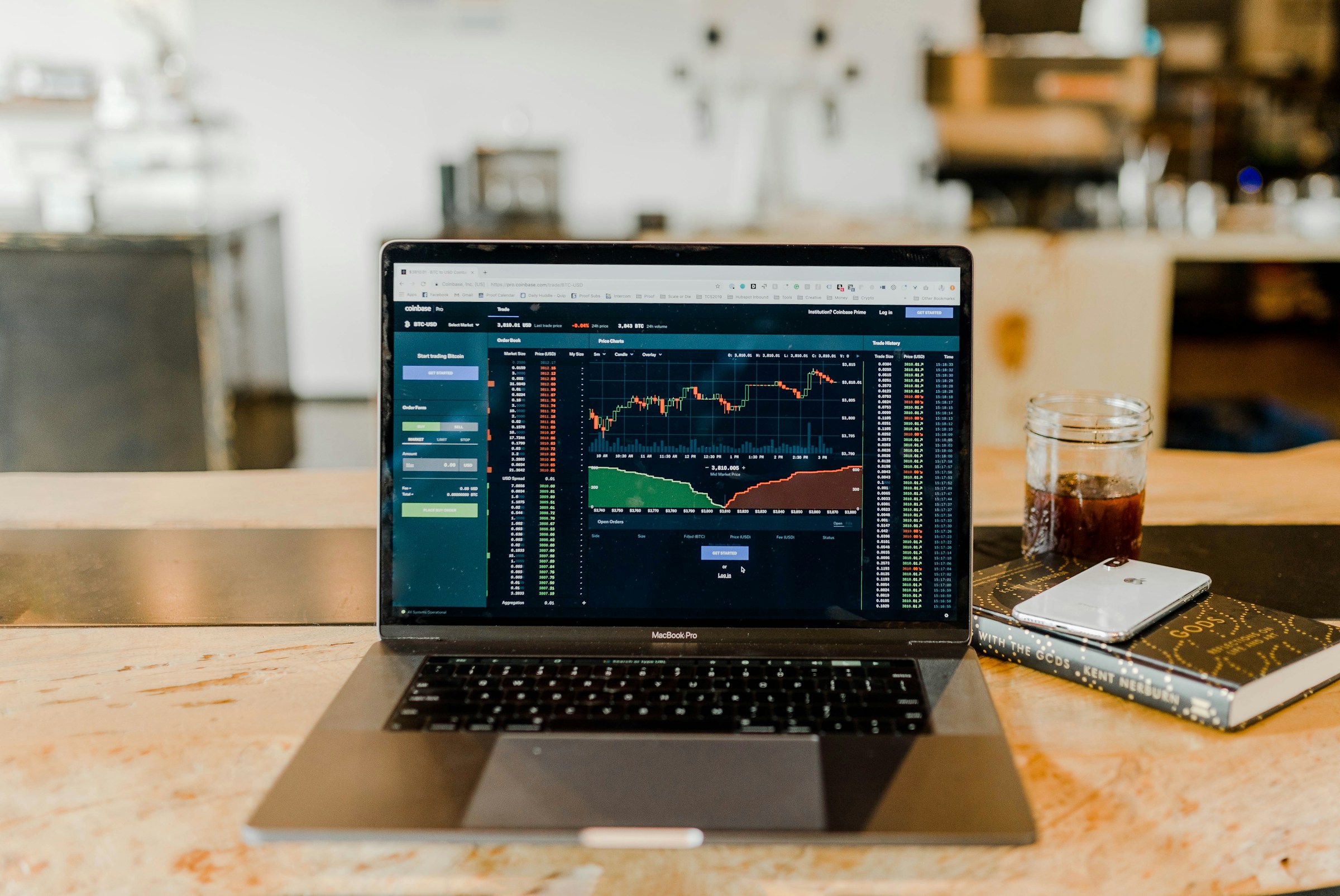
You know the moment when a setup looks perfect, but the entry slips away — in Trading Patterns, a missed timing or hidden liquidity sweep can turn a clear idea into a loss. The Silver Bullet Trading Strategy identifies order blocks, fair value gaps, market structure shifts, and momentum to create tight, confluence-backed entries that align with ICT concepts.
Want to nail high-precision ICT Silver Bullet trades with funded capital, scale profits consistently, and skip risky evaluations? This guide covers trade rules, timing checks, entry confirmation, risk management, and simple backtesting, so you can build repeatable setups and skip risky evaluations.
Aquafutures offers funded accounts for futures trading that put real capital behind your Silver Bullet entries, help you scale size with clear risk limits, and let you focus on precision rather than lengthy, risky evaluations.
Summary
- Risk control is integral to the Silver Bullet, with traders typically risking 1% of their account per trade to preserve capital and allow compounding through normal drawdowns.
- The strategy targets compact gains, using a 2:1 reward-to-risk ratio as the performance rubric, so a few winners can offset several smaller losses.
- Target sizing is small, generally 20 to 30 pips per trade, which means even a 3 to 4 pip round-trip cost can materially erode expected profits if transaction costs are ignored.
- Timeframe discipline matters: the 60-minute session is the recommended mission clock, 70% of short-term traders use 15-minute charts as bias anchors, and most clean entries compress into a roughly 30-minute micro-window.
- Trustworthy validation requires realistic samples and metrics, with at least 100 to 200 live-sim trades under realistic spreads recommended before relying on a claimed edge.
- Execution calibration is non-negotiable, so measure time-to-fill and slippage in rolling 50-trade windows, layer passive limit orders, and use sub-300-millisecond hotkeys for faster bracket placements to preserve a tight, repeatable edge.
- This is where Aquafutures's funded accounts for futures trading fit in, reproducing fills, fee structures, and risk rules so traders can rehearse the Silver Bullet under the exact constraints they will face when scaling.
What is the ICT Silver Bullet Trading Strategy, and How Does It Work?

The ICT Silver Bullet is a focused intraday tactic that seeks short, high-probability reversals by trading institutional order-flow signals within narrow liquidity windows. It works by waiting for a liquidity sweep and a market structure shift, then entering on a measured retracement into the gap the move left behind.
How do traders spot the entry?
When I run this setup, I treat the market like a controlled experiment. First comes the sweep, a deliberate hunt for stops around obvious highs or lows, which creates an aggressive displacement. Next, I watch for a clear market structure change and the formation of a fair value gap, a zone where price skipped value and often returns to resolve the imbalance. Entry is disciplined, placed into that returning impulse with a stop beyond the sweep extreme, so the trade has a defined, mechanical edge.
What risk rules keep one losing streak from becoming catastrophic?
Risk control is not optional here; it is the setup. Traders using the ICT Silver Bullet Strategy typically risk 1% of their account per trade. TradingView (2023) presents it as the common sizing rule that preserves capital through normal drawdowns while allowing compounding when the edge runs hot. That single constraint changes behavior: entries become smaller, stops are honored, and you stop trying to force “big wins” out of low-probability moves.
How are targets and rewards structured?
Targets are compact and pragmatic, set to capture the next logical liquidity pool or the opposite edge of a recent range. The strategy targets a 2:1 reward-to-risk ratio. TradingView (2023) frames this as the performance rubric traders use so that a few winners can offset several smaller losses and still leave you ahead. In practice, that means you aim for clean, repeatable gains rather than stretching a trade until it breaks.
Which markets and timeframes give the cleanest setups?
Think liquid majors and tight futures contracts, during overlap hours when institutional flow is thickest. Price behavior there is less noisy, which produces crisp liquidity sweeps and clean retracements. I treat each trade like a sprint: fast entry, compact target, rapid assessment. Instruments with low slippage and narrow spreads let the pattern show its true edge.
Why most traders fail to capture the edge, and how to avoid it
The familiar approach is to chase signals across the day, believing more attempts mean more edge. That works up to a point, but it increases execution mistakes, slippage, and emotional fatigue as trade count rises. Platforms like AquaFutures offer funded futures-trading accounts, providing instant and simulated funded-trader programs with clear risk controls and fast payouts, enabling traders to test disciplined, low-frequency setups without funding friction while keeping payout speed and support aligned with real trading behavior. Traders find this reduces wasted iterations and preserves the consistent sizing and target discipline the Silver Bullet demands.
What practical adjustments should funded traders make?
If your funding agreement limits daily draw or enforces strict position caps, you must compress the plan into fewer, higher-quality setups and accept lower absolute returns in exchange for higher consistency. Use simulated rounds to rehearse entries, stops, and exits under the exact capital and risk limits you will trade with, and log post-trade metrics so you can see true expectancy instead of trusting intuition. Small changes in slippage assumptions or target placement can quickly erode returns, so quantify them before you scale.
Where do edge and psychology collide?
The pattern rewards patience. You will watch many weekends of setups where nothing fires, then a single hour produces several valid entries. That swing between boredom and intensity tests discipline. I track my adherence to the rules as carefully as P&L, because the Silver Bullet’s long-term success depends more on consistent process than on any single brilliant read.
Like a marksman learning to breathe before the shot, mastering timing, sizing, and restraint is the quieter part of this setup, and often the hardest.
That clarity feels complete until you see the specific mechanics that actually make a setup tradable.
Related Reading
- What Is a Funded Trading Account
- What Is SMT in Trading
- Price Action Trading
- Intraday Trading Tips for Today
- Can Day Trading Be Profitable
- Trading Indicators
- Forex Trading Candlestick Patterns
- Intraday Algorithmic Trading
- Trading Candlestick Patterns
- Volatility Trading
What Are The Primary Components Of The ICT Silver Bullet Trading Strategy?

The Silver Bullet’s core goes beyond identifying a sweep or gap; it is an execution system: precise order choice, tight cost control, and a measurable feedback loop that turns a pattern into an economic edge. You must treat recognition as a hypothesis, then prove it through fills, sizing math, and repeatable metrics.
Which execution choices change outcomes?
When I trade small-pip targets, the difference between a passive limit and an aggressive market order is the difference between a winner and an erased edge. Use limit orders within the targeted entry zone to reduce slippage, but accept that you will miss some fills; use Immediate-Or-Cancel (IOC) instructions when momentum demands speed. Automate one-cancels-the-other bracket orders for clean risk control, and log which entry type produced the fill, because the trade template that feels right in replay often performs differently in real liquidity.
How does transaction cost actually eat your edge?
A familiar mistake is treating spreads and fees as afterthoughts when targets are compact. "The ICT Silver Bullet strategy focuses on capturing 20-30 pips per trade" Market Pulse (2025), which is why even a three to four pip spread and modest commissions can wipe a large share of expected profit on every attempt. Run a simple cost sensitivity: if your target is 20 pips and the average round-trip cost is 5 pips, your gross edge must be 25 percent higher to break even; therefore, instrument selection and fee negotiation matter as much as signal quality.
How should you size under funding constraints?
If your funded program enforces draw limits or position caps, sizing becomes your primary control knob, not an afterthought. Traders aim for a "1:2 risk-reward ratio using the ICT Silver Bullet strategy," Market Pulse (2025), which directly sets the stop-to-target math and therefore the contract count you can safely trade. Compute position size like this: dollar risk per trade equals allowed percent of the account, divided by stop distance in ticks times tick value. That formula forces discipline, and it will show you quickly when a setup that looks good on chart history cannot be traded at scale under real capital rules.
Most traders run setups across mismatched demo environments because it feels quicker and cheaper. This works at first, but the hidden cost is a series of surprises: different spreads, inconsistent fills, and vague risk-rule reconciliation that slow learning. Platforms like AquaFutures provide instant and simulated funded-trader programs that reproduce the fills, fee structure, and risk rules you will face when scaling, letting traders compress rehearsal cycles and reduce execution surprises while keeping payout and support expectations clear.
What metrics separate hopeful backtests from a reliable edge?
The clearest signals are slippage per fill, expectancy in R-multiples, average trade duration, and the ratio of maximum favorable excursion to maximum adverse excursion. Track sample size and standard error, because a 60 percent win rate at 1:2 can evaporate after you account for fills and costs. Require at least 100 to 200 live-sim trades with realistic spreads before trusting a performance curve, and break results down by session and instrument so you do not average away a session-specific failure mode.
How do you manage overlapping risks across setups?
Treat correlated signals like overlapping bets, not independent edges. If two pairs move together in the same hour, their combined position can exceed your intended exposure, even if each trade meets the plan individually. Use a correlation filter in your trade log, scale back contract counts when correlations exceed your threshold, and prefer offsetting exit rules rather than simultaneous full-size entries into multiple, closely linked instruments.
Tuning this approach feels less like learning a trick and more like calibrating a precision instrument, where tiny adjustments to entry depth, order type, and cost assumptions change outcomes materially.
That one practical timing question everyone assumes they know turns out to matter more than you think, and what comes next makes that painfully clear.
What is the Best Time Frame for the ICT Silver Bullet Trading Strategy?

The best timeframe is the one that lets you execute within the one-hour Silver Bullet window with repeatable precision, not the one you wish you could trade. Treat the 60-minute session as the mission clock, and choose micro-timeframes that match your execution speed, risk limits, and the funded-account rules you will actually trade under; according to Ultima Markets, "60 minutes is the recommended time frame for the ICT Silver Bullet Trading Strategy." That hour is the structural constraint you must optimize around.
How should you match chart speed to human and market latency?
Trading on 1-minute bars forces split-second decisions; 3-minute charts give a little room to confirm pattern shape, and 5-minute charts let you breathe and manage entries with better order placement. Choose the smallest timeframe you can consistently execute your template in, because execution error grows faster than the theoretical edge as the timeframe shrinks. This is a constraint-based tradeoff: if you can place and size orders cleanly while reading flow, faster charts increase opportunity; if your fills, reaction time, or bankroll rules wobble, move up a tick to preserve edge.
Why do many traders still default to a common short-term chart?
A large share of short-term traders use higher intraday bars for structure, and that ubiquity shapes how liquidity forms. Ultima Markets, "The 15-minute chart is used by 70% of traders for short-term setups." This explains why market participants often use those zones for stop and limit orders. That popularity makes 15-minute levels meaningful as bias anchors, but it does not answer the question of what microframe you need to hit small, fast targets reliably.
What practical testing rhythm builds confidence in a chosen timeframe?
This pattern appears across demo and live-sim environments: traders who treat timeframe choice as an experimental variable learn faster. Run disciplined trials where you set a fixed timeframe, trade only the first clean setup each session, and log three execution metrics: fill quality and emotional load. If your funded rules cap drawdown or require compact targets, simulate those exact constraints rather than trading unrestricted demos, because the hidden cost of mismatched testing shows up as false confidence when you scale.
Most teams rehearse on generic demos because they are familiar and low-friction. That works at first, but when you add real fills, session fees, and draw limits, the mismatch becomes costly. Platforms like AquaFutures provide instant and simulated funded-trader programs that reproduce fills, fee structures, and risk rules, allowing traders to test timeframe choices under the same constraints they will face when funded, thereby compressing rehearsal cycles and revealing execution failure modes before capital is at risk.
How do you protect the edge when moving to faster charts?
Treat noise as a tax and limit exposure to it. Add two practical filters: require a confirmed displacement or liquidity sweep on a higher intraday frame for bias, and restrict entries on micro-charts to a single order type you master. Use layered practice: start with limit-only attempts for three sessions, then add IOC entries for a session while tracking missed fills versus slippage. Think of timing like threading a needle through a moving train: either slow the needle or synchronize the thread. The right microframe is the one where you can reliably align those motions.
What habits shorten the learning curve in your chosen timeframe?
Schedule short, repeatable drills, not marathon sessions. Select 10 identical one-hour windows across different days and trade only 1 qualifying setup per window. This requires patience and sharp pattern recognition. Keep a concise execution log with three fields: entry type, round-trip cost in ticks, and a 30-second emotional note. Over time, you will see which timeframe scales with your psychology and which merely magnifies mistakes, and that clarity is the truest form of edge.
That seems decisive, but the moment you pick a timeframe, a surprising new constraint will arise.
Related Reading
- Basic Trading Strategy
- Spot Algorithmic Trading
- Forex Trading Profit Per Day
- Crypto Trading Bot Strategies
- Best Forex Trading Bots
- Fair Value Gap Trading Strategy
- Best Leading Indicators for Day Trading
- Best Indicators for Swing Trading
- Best Charting Software for Day Trading
- Best Indicators for Options Trading
- Fair Value Gap Trading Strategy
How To Identify and Trade the ICT Silver Bullet

You find and trade the Silver Bullet by turning it into a repeatable process: pre-window profiling, a single practiced order template, and a strict decision rule that lets you pull the trigger without argument. Nail those three habits, and the setup stops being an intuition exercise and becomes a measurable trade routine you can refine.
How do you tell a genuine setup from a lookalike?
Treat every candidate as an experiment, not a promise. Before the hour opens, map where liquidity should cluster that day, then watch how the price behaves when that zone is touched. The difference between a real setup and a false positive shows up in microstructure: momentum that carries through the next two to five price prints, consistent tape aggressiveness, and a narrow distribution of entry fills versus the template you rehearsed. Log the mismatch between intended limit price and actual fill, because a high miss rate is the fastest way to turn an edge into noise.
What trade metrics actually change outcomes?
Move beyond raw win rate and track three actionable distributions: realized round-trip cost per contract, per-trade R-multiple after fees, and the run length of consecutive losses. Use bootstrapped confidence intervals for the expected value to determine whether a change in entries or timing actually improved results. Record short behavioral signals too, one line per trade: did you hesitate before entry, did you scale, did you adjust the stop mid-trade. Those human tags let you correlate process breakdowns with P&L, which is where improvement sticks.
Most traders rehearse in generic demos because they are familiar and low-friction. That works at first, but the hidden cost appears when funding rules, fills, or spreads differ from the rehearsal environment, producing nasty surprises as you scale. Platforms like AquaFutures provide instant and simulated funded-trader programs that reproduce the fills, fee structure, and risk rules you will face when capital is live, helping traders compress rehearsal cycles and reduce execution surprises while working within defined limits and payout expectations.
How should position sizing evolve across a session?
Treat the session like a ladder, not a single bet. Start with a base unit sized to the strictest funding cap you might face that day, then add supplemental units only if the entry fills cleanly and the round-trip cost stays inside your tolerance band. If two valid setups occur within the same hour, prefer sequential sizing over simultaneous doubling, because compounded exposure often masks risk until a single correlated move blows up the plan. Use a simple cooling rule: after two losses in a row, stop trading the window and audit three prior fills before resuming.
Where do performance expectations meet reality?
Keep expectations tethered to execution quality. According to Flux Charts, the ICT Silver Bullet strategy has a success rate of 75% when applied correctly, but that conditional success collapses quickly if your fills, cost assumptions, or sizing rules slip. Likewise, Flux Charts reports that readers using the ICT Silver Bullet strategy have reported an average monthly gain of 10%, a figure that is possible in tightly controlled environments but rarely replicable without strict cost management and accurate forecasting under funding constraints.
Think of execution like a pit crew practicing one tire change until every motion is automatic; when everyone moves as rehearsed, the car leaves the pit lane ahead.
That simple insight changes everything about what you do next.
Tips and Tricks To Improve Success When Using The Silver Bullet Trading Strategy?

Treat the Silver Bullet like a laboratory protocol, not a hunch; the tips that improve success are small, repeatable tweaks to order placement, measurement, and contingency planning that preserve the edge when real fills, fees, and limits appear. Below, I lay out concrete, new practices you can start rehearsing today, with specific metrics and a short tech checklist that directly raise your execution quality.
What micro adjustments to order placement make the biggest difference?
Calibrate limit offsets by measuring time-to-fill, not just price. Run sessions where you place identical limit orders and log the median seconds-to-fill, the percentage filled within 5, 15, and 30 seconds, and the partial-fill rate; use that distribution to set a default offset for each instrument and session. Layer your entry as two small passive orders spaced three to five ticks apart, rather than one large order, so you capture fills in thin windows without moving the market. When momentum spikes, switch one layer to an IOC to grab urgent flow, but only after you have a clean, recent fill-rate baseline to justify the aggression.
How should you design practice so results carry into funded accounts?
Treat live-sim as an experiment platform with fixed protocols: lock in the exact fee schedule, margin rules, and maximum contract count you will have when funded, then run repeated trials under those constraints. Add two novel tracking fields to every trade log, beyond the usual: the delta between intended limit price and executed price in ticks, and the time-weighted average size of counterparty aggression during entry. Use rolling windows of 50 trades to detect drift, and adjust your offset or entry pattern when the median slippage moves outside your tolerance band. This forces adaptation to real-world conditions rather than optimism from idealized replays.
What behavioral routines reduce preventable mistakes?
Adopt a three-step pre-window ritual that takes exactly 90 seconds: confirm connectivity and spreads, read a single volatility number for your instrument, and speak your trade rule aloud before placing an order. Use a one-action rule during the entry phase, restricting yourself to a single deliberate input (place, cancel, or modify) to limit panic fiddling. After a stop hit, record a one-line causal tag within 60 seconds, then wait until the next qualifying setup, rather than hunting immediately for revenge entries. These micro-habits reduce reaction noise and translate emotional impulses into actionable data.
Most traders practice across inconsistent demos because it feels familiar and fast, which works early on, but that hidden cost is false confidence when fills, spreads, and draw rules differ at scale. Platforms like AquaFutures provide instant and simulated funded-trader programs that reproduce fills, fee structures, and risk rules while offering up to $450K in trading capital and fast payout mechanics, helping traders compress realistic rehearsals and reveal execution failure modes before real capital is at stake.
What objective metrics should you watch in each session?
Beyond win rate and R-multiple, track these session-level KPIs: limit fill rate, partial-fill frequency, median time-to-fill, average adverse excursion before a retracement, and correlation-adjusted exposure when pairing instruments. Turn those into hard rules: if the limit fill rate drops below your threshold for two consecutive sessions, widen offsets or skip that instrument for the next week. Use a simple dashboard that flags sudden shifts, so you act on execution change, not emotions.
Which small tech and ops fixes deliver outsized returns?
Use a lightweight VPS colocated near your broker for stable latency and a second execution path for redundancy. Test both with scheduled simulated fills at the start of each day, and automate bracket orders with one-cancel-other logic to eliminate manual exit errors. Create hotkeys that place a pre-sized bracket in under 300 milliseconds and bind a single key to abort all active orders, because a 0.3-second response can flip a micro target into a loss. Think of your setup like a sprint relay, not a solo marathon, where handoff speed and repeatability matter more than raw power.
How do you protect the edge when market behavior shifts mid-session?
Implement a dynamic filter that pauses entries when realized short-term volatility exceeds your historical session mean by a preset multiplier, then resumes once volatility normalizes. Add a lightweight correlation matrix that reduces aggregate exposure if two instruments exceed your correlation threshold, and schedule a five-minute cooling period after any manual deviation from the plan. These rules keep small errors from compounding into large, avoidable drawdowns.
A final empirical reminder: the method shows strong outcomes when execution discipline is maintained, and the Master ICT Silver Bullet Strategy, 85% success rate estimate, published in 2024, frames that figure as the hit frequency observed in controlled practice runs under strict rules, which underscores how fragile that success is without precise fills and rehearsal.
Also, many practitioners compress their active decision-making into a focused window within the hour, which is captured by the Master ICT Silver Bullet Strategy's 30-minute trading window, noted in 2024 as the compact micro-window where most clean entries actually occur. Use that to structure your drills and tech checks.
That last gap in your process is the one that will either scale your edge or quietly destroy it — and it is usually fixable in a single focused practice session.
Unlock up to 50% off Your First Funded Account for Futures Trading
If you've mastered the ICT Silver Bullet, the next step is to test that repeatable precision with real capital through AquaFutures, which offers instant and simulated funded-trader programs that can back disciplined entries for FVGs, liquidity runs, and tight risk-reward plays with up to $450,000. AquaFutures offers fast payouts, 24/7 support, and promotions, including up to 50% off your first account, plus weekly BOGO deals and bonuses. However, simulated performance is not a guarantee, and futures trading carries real risk, so scale only after your entries, sizing, and cost math have been proven.
Related Reading
- Fibonacci Trading Strategy
- Best Prop Trading Firms
- ORB Trading Strategy
- Crypto Swing Trading Strategy
- Best Copy Trading Platform
- Best Proprietary Trading Firms for Beginners
- Best Stocks for Options Trading
- Order Block Trading Strategy
- The Strat Trading Strategy
- Supply and Demand Trading Strategy
- Profitable Gold Trading Strategy
- Higher High Lower Low Trading Strategy
