



10 Best Forex Trading Bots Every Trader Should Know
Discover the 10 best forex trading bots for smarter, automated trades. Find out which bots are trusted by traders in 2025.
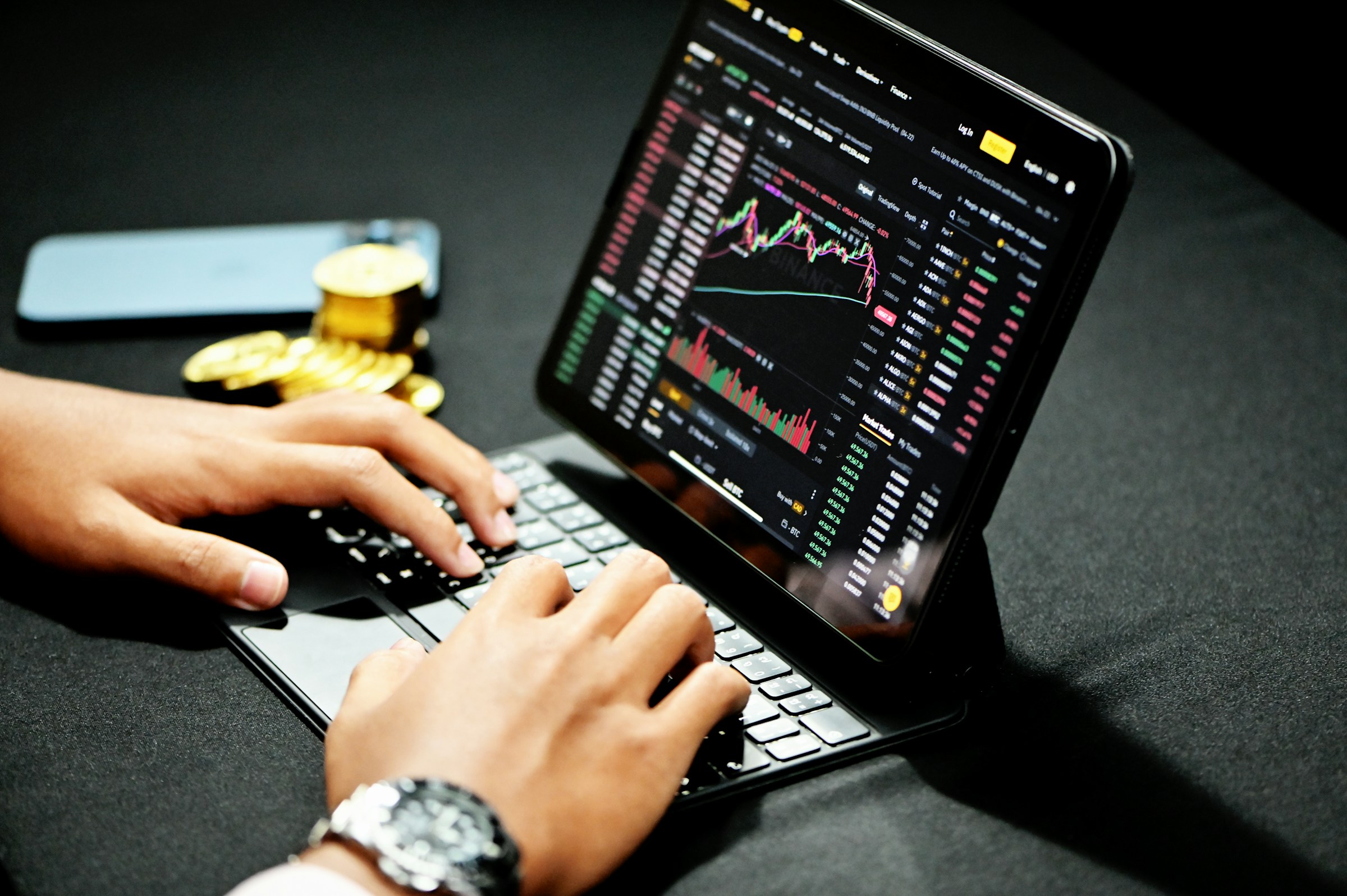
Watching markets around a job and family, you can miss key Trading Patterns and leave money on the table. Best Forex Trading Bots use algorithmic trading, expert advisors, and backtested strategies on MT4 or MT5 to scan indicators, generate signals, execute trades, and manage risk automatically.
This guide shows how to select a top bot to smoothly automate forex trades, scale profits with sound risk control, and tap into funded accounts so you can trade real capital without risking your own. Ready to stop chasing every chart?
If so, Aquafutures offers funded accounts for futures trading that let you run your bot with real capital, follow simple rules, and grow your edge without putting up your own money. You keep the gains while they supply the buying power, so you can focus on strategy, backtesting, and scaling.
Summary
- Automation is now the baseline in forex, with over 70% of traders using automated systems and 24/7 bot execution creating roughly a 30% increase in trading opportunities. As a result, uptime, session selection, and continuous monitoring are design essentials.
- Funded programs favor steady pacing, not flaring returns, which is why the common 6 percent weekly goal and practices like a 1.2 percent daily cap are key constraints when sizing and tuning EAs.
- Backtests hide real execution risk, and the retail reality is stark, with about 70% of retail CFD accounts losing money, so strategies validated only on historical fills often collapse under slippage, partial fills, and liquidity shocks.
- Execution quality is the true limiter, since bots act in milliseconds and micro-latency differences matter, so run micro-trade experiments such as 100 one-lot orders to measure slippage tails and fill-rate behavior before scaling.
- Durable validation requires staged governance, for example, a 30 to 60-day shadow test or 500-trade/30-day grid followed by a 14-day freeze, which exposes overfitting and preserves reproducible proofs.
- Scaling is a capacity problem, not linear math, so increase allocation in measured 20 percent bands, cap any single bot to a fixed share of equity, and judge by marginal profit per band instead of extrapolating from tiny accounts.
- This is where Aquafutures's funded accounts for futures trading fit in, providing simulated funded capital and the exact risk and payout rules traders need to validate bots against strict drawdown caps and 6 percent weekly targets.
10 Best Forex Trading Bots
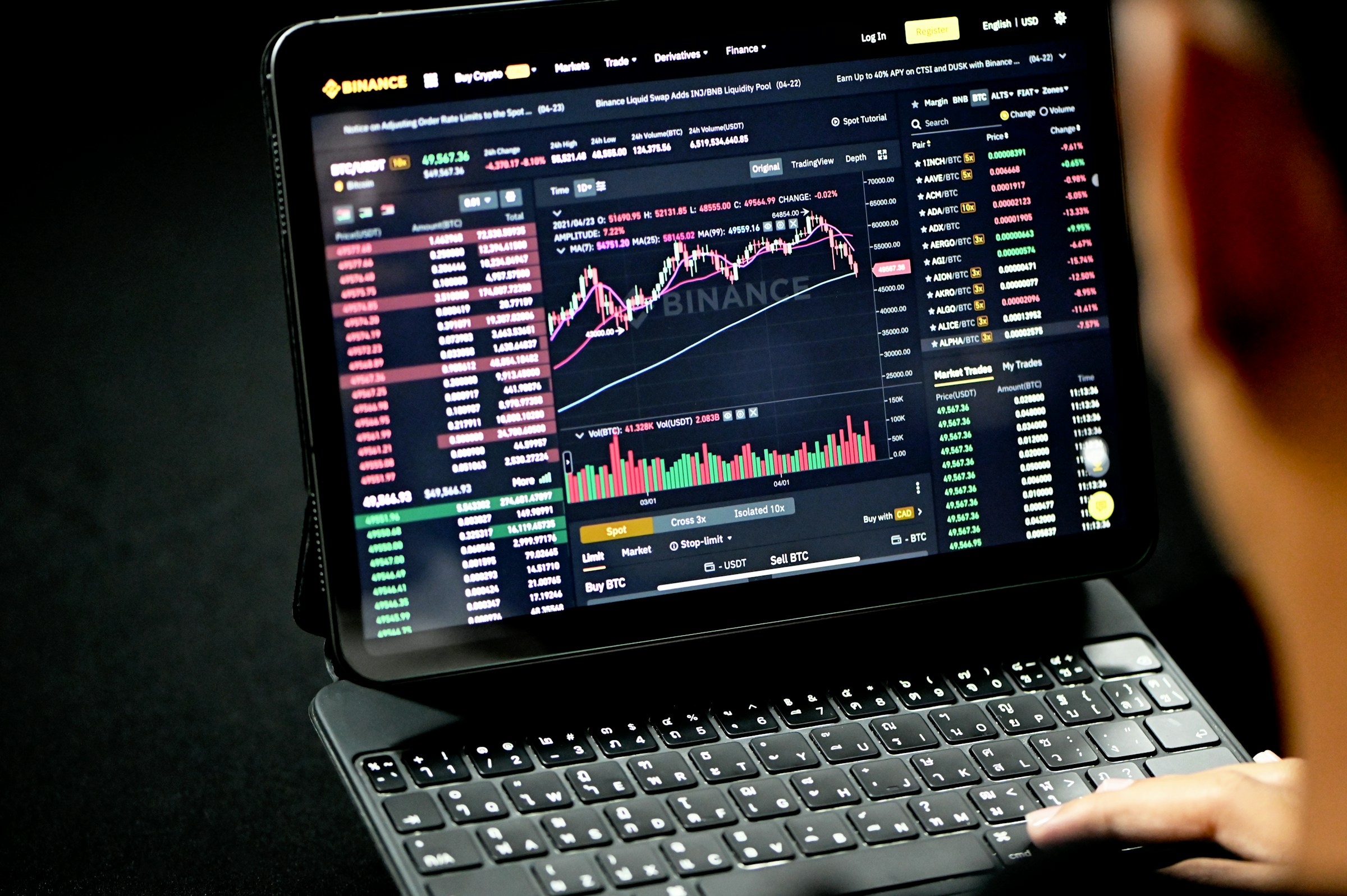
These ten EAs each earn their reputation for different reasons. Still, the practical question is simple: which ones fit a funded-account program that values steady 6 percent goals, strict drawdown caps, and fast iteration? I’ll evaluate each bot based on how it manages position sizing, its verified track record, and whether its mechanics translate cleanly into simulated or funded capital environments.
1. Forex Fury
This scalping powerhouse excels in high-speed trades while keeping drawdowns minimal through smart risk controls, making it a go-to for newcomers and cautious players seeking steady gains without wild swings.
Key Features
- Executes rapid scalps on short-term moves with verified low-risk profiles.
- Integrates trend detection for safer entry points across multiple pairs.
- Offers customizable lot sizes and stop-losses for personalized safety.
- Boasts strong Myfxbook-verified performance over years of live trading.
- Runs on MT4/MT5 with a simple one-click setup for quick deployment.
2. Forex Diamond
Designed for seasoned operators, this versatile system blends multiple tactics to handle shifting markets, delivering reliable adaptability for those building diverse portfolios without constant oversight.
Key Features
- Employs a mix of trend pursuit and reversal plays for broad coverage.
- Adjusts dynamically to volatility across major currency pairs.
- Includes built-in filters to dodge high-impact news events.
- Delivers consistent returns via verified live account data.
- Supports the MT4 platform with easy parameter tweaks for optimization.
3. GPS Forex Robot
Tailored for novices prioritizing safety, this adaptive tool automatically fine-tunes its approach, pairing trend spotting with scalping to deliver low-exposure gains on autopilot.
Key Features
- Self-adjusts strategies based on real-time market shifts.
- Features user-defined risk levels to match comfort zones.
- Targets precise entries with reverse trading logic.
- Shows solid long-term stats on independent verification sites.
- Compatible with MT4, requiring minimal setup for beginners.
4. WallStreet Forex Robot
Designed for growth-focused users, this automated player combines momentum and reversal signals to deliver sustained performance, thriving in extended market cycles through disciplined execution.
Key Features
- Switches smoothly between trending and ranging conditions.
- Uses advanced filters for news and spread avoidance.
- Optimizes for multiple pairs with low equity pullbacks.
- Backed by extensive Myfxbook live results over a decade.
- Installs effortlessly on MT4/MT5 for hands-off operation.
5. Robotron
Designed for bold pros chasing quick wins, this high-speed scalper minimizes losses through tight controls and excels in volatile sessions for aggressive profit hunting.
Key Features
- Fires off frequent micro-trades on low-spread pairs.
- Maintains ultra-low drawdowns even in choppy waters.
- Incorporates smart exit rules to manage risk.
- Proven via third-party verified trading histories.
- MT4-ready with straightforward configuration options.
6. The Trading Agent
This hands-free powerhouse relies on rigorous historical simulations and real-time validation to execute systematic plays, ideal for mid-level users who favor structured grid and momentum approaches without daily tweaks.
Key Features
- Delivers full automation from signal to close with no manual input.
- Leverages deep backtests spanning years for strategy confidence.
- Incorporates grid mechanics for steady accumulation in ranges.
- Tracks performance through live verified platforms like Myfxbook.
- Deploys on MT4 with robust optimization tools included.
7. FxStabilizer
Perfect for risk-averse investors seeking consistent, steady returns, this steady performer uses scalable scalps and trend rides with fine-tuned controls to build equity quietly over time.
Key Features
- Prioritizes minimal exposure with adjustable safety nets.
- Blends short bursts and longer holds for balanced results.
- Filters out erratic periods via smart volatility checks.
- Displays reliable gains on independent account verifiers.
- MT4/MT5 is compatible with user-friendly dial-ins for customization.
8. AutoForex Scalper
Built for thrill-seekers in fast-paced environments, this aggressive cutter thrives on tight spreads, sniping tiny moves with precision to rack up volume-driven returns.
Key Features
- Optimizes for ultra-low spreads on high-liquidity pairs.
- Pumps out high-volume trades during peak sessions.
- Employs rapid exits to lock in edges before reversals.
- Validated through live broker statements and reviews.
- Simple MT4 installation for immediate high-octane action.
9. EA Builder
A game-changer for tinkerers, this no-code platform lets you craft tailored bots from scratch, offering endless flexibility for those who want complete control over their trading logic.
Key Features
- Drag-and-drop interface skips programming entirely.
- Supports any tactic from scalps to swings via custom rules.
- Test strategies instantly with built-in simulators.
- Free tier available, with premium unlocks for advanced use.
- Exports directly to MT4/MT5 for smooth live running.
10. Keltner Pro
Channel-savvy and breakout-focused, this EA equips volatility bands to time entries and exits sharply, suiting traders who hunt momentum shifts in trending or consolidating markets.
Key Features
- Relies on Keltner Channels for clear signal generation.
- Catches breakouts while avoiding false whipsaws.
- Adapts to both strong trends and sideways action.
- Backed by user-shared live results on verification sites.
- MT4-optimized with tweakable parameters for precision.
Status quo, the hidden cost, and a better path
Most traders validate a bot on a retail demo or a small live account because it is familiar and fast, and that often seems sufficient. That familiar approach breaks down when you apply it to funded accounts, because friction shows up as unseen worst-case drawdowns, misaligned execution, and profit profiles that do not align with a 6 percent target and strict loss rules.
Platforms like funded accounts for futures trading provide simulated funded capital, clear risk rules, and rapid payouts so that traders can iterate within the exact constraints they will be judged by, reducing wasted work and false-positive performance.
How I decide which bot to run
When you choose, prioritize three things in this order: verified live performance under similar conditions, conservative sizing and equity protection, and broker/execution fit. Think of a bot like a race car tuned for a particular track; a setup that wins on a private test track will lose in rush-hour traffic unless you retune suspension, brakes, and driving style. That analogy captures why the right EA for scaling quickly is rarely the highest-return one, but the most disciplined.
A clear risk rule to apply immediately
If a bot does not allow a hard daily loss cap, do not run it in a funded application. That single constraint filters out most over-leveraged systems and preserves the steady compounding behavior that turns small gains into fast, reliable payouts.
You’ll want to test these hands-on with identical size, stop rules, and broker conditions before you declare a winner.
But the real test of these systems is not their reported returns, it is what happens when they are forced to perform under real program rules — and that’s where things get interesting.
Related Reading
- What Is a Funded Trading Account
- What Is SMT in Trading
- Price Action Trading
- Intraday Trading Tips for Today
- Can Day Trading Be Profitable
- Trading Indicators
- Forex Trading Candlestick Patterns
- Intraday Algorithmic Trading
- Trading Candlestick Patterns
- Volatility Trading
What are Forex Trading Bots, and How Do They Work?

Forex trading bots are not magic boxes; they are software stacks that combine signal logic, market data, execution plumbing, and complex risk controls. Their real value lies in how reliably those components work together within program rules. You should think in terms of engineering and matching constraints, not just strategy theory.
How do bots connect signals to actual orders?
A trading bot has three practical layers: the signal engine that decides entries, the risk manager that sizes and limits exposure, and the execution manager that speaks to your broker. Execution is the limiter more than strategy in tight-funded setups, because “Forex trading bots can execute trades in milliseconds, often faster than human traders.” — Dukascopy Bank SA, which means tiny latency differences change whether a stop hits or a price slips. You must map the bot’s order types to your broker’s actual fill behavior, test partial fills, and force the bot to behave under the same spreads and slippage you will face when scaled.
What breaks between backtests and live money?
This is where most traders lose patience. Backtests assume perfect fills and idealized stops, and that illusion hides the failure mode: stop-loss and take-profit levels that look clean on historical charts rarely execute the same when the market gaps or liquidity thins. The pattern appears consistently across demo-to-live transitions, so the only safe route is staged forward-testing with identical account sizing, identical broker, and identical risk rules, watching for execution slippage and realistic drawdown sequences rather than headline returns.
How should you test robustness, not just returns?
If you want repeatable results under funded rules, run walk-forward tests, and Monte Carlo resamples using the bot’s actual trade logic and realistic execution noise. Add stress cases: widen spreads for news, simulate partial fills, and randomize entry delays. Treat the equity curve like an engineering spec, not PR copy, and insist on worst-case drawdown scenarios that still keep you inside program caps. That mindset forces you to prefer smaller, consistent edges over sporadic significant wins.
What role does multi-market surveillance play?
Because “Automated trading systems can monitor multiple markets and instruments simultaneously, something a human trader cannot do efficiently.” — Dukascopy Bank SA, you can build portfolio-level protections: correlation filters, cross-pair stop aggregation, and exposure limits across instruments. The practical benefit is that a cluster of small, low-correlation trades can deliver steadier weekly cash flows that better meet a 6 percent target than a single aggressive strategy.
Most people handle validation on small retail accounts because it is familiar and cheap, and that approach works initially. The hidden cost shows up when you try to turn that proof into funded performance, where different execution quality, stricter daily caps, and payout cadence expose fragile assumptions. Platforms like funded futures trading accounts provide simulated capital and the exact rules against which you will be judged so that traders can tighten their execution and risk controls in the same environment they must operate in, shortening the path to real payouts.
How do you tune a bot for steady funding goals?
Shrink position sizing, add volatility and session filters, and impose a hard per-day loss cap that forces the algorithm to self-arrest. Use ensemble approaches, combining conservative scalping with a low-frequency trend hedge, and prioritize trade consistency metrics such as median trade length and percent positive rather than maximum drawdown alone. A helpful analogy: tune a bot like a commuter car for a daily route, not a race car for a single lap, because funded programs reward consistent commuting, not occasional sprint wins.
What are the operational must-dos you cannot skip?
Host the bot on a reliable VPS near your broker, log every order and fill with timestamps, and build automated alerts for execution anomalies. Create a repeatable deployment checklist that includes identical account size, margin settings, and broker execution mode. If you cannot reproduce the exact fill behavior in a simulated run, you do not have actionable proof.
It feels promising until the one gap appears that separates polished demos from payouts, and that gap is what we’ll confront next.
Are Forex Trading Bots Profitable?
Yes. Bots can be profitable, but not by accident or glamour. Profitability comes from a measurable edge, capital-efficient sizing, and operational discipline aligned with the strict risk and payout rules of funded programs.
What performance metrics actually predict whether a bot will meet program goals?
Measure expectancy per trade, profit per unit of risk, and consistency metrics rather than headline returns. Expectancy, the average dollars gained per trade after wins and losses, tells you whether a strategy will survive the statistical noise of a funded account. Pair that with the median trade length and the distribution of winning and losing streaks, because a bot that hits 6 percent quickly but swings wildly will fail a hard-drawdown rule long before it earns a payout. A useful metric I use is profit per million ticks traded. It links signal strength to real market activity and flags systems that appear strong only on idle price series.
How should you think about model upgrades and AI claims?
Be skeptical but curious. According to SmartT Expert, "AI-driven trading bots have shown a 30% increase in profitability compared to traditional EAs." That number means AI can add value when models generalize across regimes, but only if the uplift survives live fills, slippage, and scaled sizing. Treat any percentage gain as conditional, not final, and insist on out-of-sample, broker-matched live trials before scaling a purported AI edge.
Why do so many retail traders still lose money with automated tools?
Most of the loss comes from mismatch, not malice. The retail statistic is stark: SmartT Expert, "70% of retail investor accounts lose money when trading CFDs." This shows that leverage, poor sizing, and optimistic backtests are standard failure modes. That percentage is a warning: your bot can be technically brilliant yet destroy capital if you ignore exposure per trade, cascading correlations, and rebuilds that inflate past returns.
How does scaling change the math of profit?
Scaling is a capacity problem, not just an arithmetic one. A strategy that runs on a micro account often suffers from market impact, wider effective spreads, and execution slippage when you double or triple the size. Think of a profitable scalper as a single-lane bridge that handles cars fine at low volume, but jams and damages as the load increases. Practical responses are simple, but rarely practiced: cap per-trade exposure, stagger scaling by performance bands, and measure marginal profit as you add capital instead of extrapolating linearly from small samples.
Most traders validate on tiny accounts because it is familiar and fast, but that comfort hides a cost. When iteration occurs in undercapitalized retail setups, you build confidence in conditions that will not exist under underfunded rules, and wasted time can delay actual payouts for months. Platforms like funded accounts for futures trading give traders simulated capital within the precise guardrails they will be measured against, compressing feedback loops and converting brittle demo wins into reproducible proofs, speeding the path from experiment to payout.
What operational controls separate durable bots from fragile ones?
Durable systems have complex governance baked in. Use atomic versioning to roll back any model change in under 30 minutes, enforce feature flags for live experiments, and require a shadow deployment period with real fills but no scaling. Add automated drift monitors that compare live trade statistics to baseline distributions and trigger a pause when trade expectancy shifts beyond a preset tolerance. Finally, log everything with millisecond timestamps and reconcile fills daily, because the single most effective troubleshooting tool is a searchable, auditable record when a bot behaves oddly.
How do you vet vendor claims without falling for marketing?
Demand reproducibility, not PR. Request raw, timestamped trade exports for the exact broker and account type; require independent third-party verification or an exchange audit where possible; and run a parallel shadow account with your broker to validate fills and latency. If a vendor cannot tolerate a 30 to 60-day shadow test under your conditions, treat the claim as unproven.
You can optimize a bot for speed, edge, or robustness, but funded programs reward a specific profile: steady, small wins with tight drawdown control and fast reproducibility. The following section will show how to turn that profile into a disciplined, repeatable practice.
That solution sounds tidy until you try to make it repeat under real rules and real fills.
How to Use a Forex Trading Bot Efficiently

Treat a forex bot like a disciplined instrument, not a luck machine: tune its risk tempo, automate guardrails, and measure operational signals that matter to a funded program. As of 2025, Forex92 Blog reports that 75% of traders using forex robots report increased trading efficiency. That efficiency only pays if you map it to your funded-account rules and guard it with strict operational controls.
How should you pace risk so the bot fits a 6 percent weekly goal?
Start by turning profit targets into pacing rules, not targets you chase trade by trade. Set a daily ceiling that compounds into the weekly goal, for example, a 1.2 percent daily cap with a hard stop that pauses trading when hit, then resumes the next day after a cooldown. Use a rolling 14-day volatility read to scale max position size, so position exposure shrinks automatically when short-term ATR spikes. This prevents the classic failure mode where a single large winning streak is erased by an uncontrolled drawdown that violates funded program limits.
When is it safe to change parameters, and how should you test them?
Limit parameter edits to controlled experiments with strict release rules. Run a parameter grid on a shadow account for at least 30 calendar days or 500 trades, whichever comes first, then freeze the chosen build for 14 more days under real fills before scaling. Apply an incremental-change rule, for example, no more than a 10 percent change to lot sizing or stop distance in any rolling 7-day window, so you do not confuse natural variance with improvement. Treat each change like a software patch: version it, label what you changed, and keep the previous build instantly deployable for rollback.
What operational KPIs actually matter for efficiency?
Track fill quality metrics first: average slippage per filled order, fill failure rate, and median execution latency percentile. Pair those with behavioral KPIs: profit per 10,000 ticks, maximum consecutive losing trades, and mean time between emergency stops. Also monitor trade-level expectancy normalized by volatility, since funded programs reward steady edge, not headline returns. Remember, Forex92 Blog states that Forex trading bots can analyze up to 100,000 data points per second. Use that capacity to compute live cross-pair correlations and short-window volatility measures that trigger automatic position scaling or session pauses.
Why freeze parameters sometimes, rather than always trying to improve?
Constant parameter changes create operator fatigue and overfitting, eroding reproducibility. If you tune every week, you will continuously be optimizing to noise. Instead, adopt a cadence: 30 days of focused testing, 14 days of freeze and verification, then conditional scale. This discipline preserves a clean proof of performance that funded evaluators can audit, and it keeps your emotional bandwidth from driving risky, last-minute tweaks.
Most traders tune in to small retail accounts because they feel fast and familiar. That works at first, but the hidden cost is long feedback loops and proofs that break under stricter funding rules, costing weeks or months of wasted iteration. Platforms like AquaFutures provide instant simulated funding with the exact risk and payout rules you will be judged by, letting traders compress those cycles and validate a configuration under real constraints before risking scaled capital.
How do you prevent silent failure modes that evade simple alerts?
Build drift detectors that compare live trade distributions to baseline snapshots daily, and require a human review when expectancy shifts beyond a preset tolerance, for example, a 12 percent drop in trade expectancy over 7 days. Automate simple responses: pause trading, reduce size by half, or switch to a conservative preset. Keep a searchable audit trail of order fills with millisecond timestamps to enable fast troubleshooting. Think of this like instrument panels in aviation, where a single red light triggers a checklist; the checklist matters more than the alarm.
A compact 30-day action plan you can use immediately
Day 1 to 7, deploy a shadow account that mirrors your funded account settings and log every fill; set the complex daily loss cap matching program rules. Days 8 to 21, run the parameter grid with the 10 percent change ceiling and collect execution-quality metrics. Days 22 to 30, select the top config, freeze it, and run a 14-day verification with automated drift monitors active. If fills and expectancy stay within tolerance, follow a staged scale protocol: increase allocation in 20 percent bands based on consecutive verification periods.
Tuning a bot efficiently is as much about governance as it is about signals; treat your setup like a tightly versioned production service with guarded release windows, automatic pause logic, and performance SLAs.
That method works until you hit the one obstacle nobody talks about.
Related Reading
- Basic Trading Strategy
- Spot Algorithmic Trading
- Forex Trading Profit Per Day
- Crypto Trading Bot Strategies
- Fair Value Gap Trading Strategy
- Best Leading Indicators for Day Trading
- Best Indicators for Swing Trading
- Best Charting Software for Day Trading
- Best Indicators for Options Trading
How to Choose the Best Forex Trading Bots For Your Goals

Choose a bot by treating it like a precision tool, not a promise: pick software that exposes measurable execution behavior, supports realistic stress testing, and lets you manage exposure across multiple live strategies so you can hit funded-account rules reliably. Once those three boxes are checked, decisions about edge, frequency, or strategy style fall into place because you can prove what the robot will actually do when scaled.
What execution metrics should I inspect first?
Start with the raw order-to-fill story, not summary win rates. I look for an order latency histogram, fill rate under IOC or FOK orders, and slippage conditional on spread and volatility, all exported as per-trade rows for analysis. Run a controlled micro-trade experiment, sending 100 one-lot orders across different sessions, then compare quoted bid/ask midpoint to fill prices and measure the tail of slippage, because a long slippage tail kills funded programs faster than a minor average slippage ever will.
How can I stress-test a bot beyond simple backtests?
Do scenario injection: replay tick-level order-book runs while widening spreads, introducing partial fills, and injecting a handful of 2x volatility intervals to see recovery behavior. Then run a bootstrapped Monte Carlo that preserves trade autocorrelation to estimate the probability that the bot will hit program drawdown caps within 30 days. I also measure time-to-recovery from the worst 5-day drawdown as a complex operational metric, because funded rules penalize long recovery windows.
How do I spot curated or manipulated performance reports?
Check timestamps, sequence numbers, and broker-client trade IDs for continuity; if trades always execute at the same second past the minute or returns cluster into unnaturally regular intervals, treat that as suspicious. I automate three red flags: a) identical slippage values across many trades, b) trade entry times that avoid low-liquidity windows consistently, and c) profit events that coincide with benign spreads, which often mean optimistic simulated fills. Demand raw, broker-signed exports and run your own fill-quality checks before trusting any vendor chart.
What operational features matter specifically for funded programs?
Look for per-account configuration locks, immutable trade export APIs, and automatic pause endpoints that an external risk manager can call, because you want the ability to freeze a bot instantly if it drifts. Also, require a persistent tick-store retention policy from the vendor or your VPS so you can reconstruct any disputed trade in detail, and insist on signed change logs for each software release so evaluators can see what changed between verification runs and live scaling.
Most traders validate on familiar retail demos because it is fast and cheap, and that comfort is understandable. The hidden cost is wasted iteration and fragile proofs that fail once execution quality and rule constraints tighten. Platforms like funded futures trading accounts provide a cleaner bridge, allowing traders to replicate final limits in a single step, making iteration directly actionable and reducing weeks of wasted tuning.
How should I allocate capital across multiple bots to scale safely?
I use risk-budgeting rather than equal dollars. Assign each bot a daily risk budget tied to the program’s weekly target, then weight allocations by profit per unit of risk measured over a broker-matched shadow period. Rebalance weekly, capping any single bot to a fixed fraction of total equity so one model can never consume the account, and treat marginal returns as the signal to increase allocation rather than raw cumulative profit.
What simple governance rules stop minor problems from blowing up?
Require atomic versioning for every parameter change, a shadow run of at least 30 days for any new build, and automated drift monitors that reduce size by half if trade expectancy drops beyond a preset tolerance. Those rules are inexpensive to implement and sharply reduce the emotional tinkering that destroys proofs, especially since automation helps control human error.
Dragon Expert reports that automated trading can reduce emotional trading errors by 80%, thereby protecting the narrow consistency of funded programs' returns. Deploying models that let you reassign maintenance time to strategy and governance matters, because Core Devs Ltd found that using AI trading bots can increase trading efficiency by up to 50%, meaning you can spend more energy on portfolio-level decisions instead of execution babysitting.
If your logs, stress tests, and allocation plan all pass, you can run a short staged scale experiment that measures marginal profit per additional capital band and the corresponding impact on slippage; that curve tells you the real capacity of the bot, not the marketing claim.
That tidy plan works until you spot the single operational gap quietly eating away at repeatable payouts.
Related Reading
- Fibonacci Trading Strategy
- Best Prop Trading Firms
- ORB Trading Strategy
- Crypto Swing Trading Strategy
- Best Copy Trading Platform
- Best Proprietary Trading Firms for Beginners
- Best Stocks for Options Trading
- Silver Bullet Trading Strategy
- Order Block Trading Strategy
- The Strat Trading Strategy
- Supply and Demand Trading Strategy
- Profitable Gold Trading Strategy
- Higher High Lower Low Trading Strategy
Unlock up to 50% off Your First Funded Account for Futures Trading
We know how draining it feels to tune EAs and automated trading systems for months without a clear route to paid capital, so if you want to stop proving in the dark and start converting steady, small-win bot performance into real payouts, take a pragmatic step now. Platforms like AquaFutures offer instant-funded futures accounts, transparent, auditable rules, fast support, and promotional entry provides so you can validate your best forex trading bots, expert advisors, and algorithmic trading strategies under actual constraints and get funded quickly.
