



10 Best Stocks for Options Trading in 2026
Best Stocks for Options Trading in 2026: 10 liquid names with tight spreads, catalysts, and volatility—plus how to pick setups.

Markets repeat themselves; the best options trades start from spotting clear Trading Patterns where momentum, support, and resistance meet rising volume. Which stocks give repeatable moves, and when should you sell a call or buy a put, especially around earnings when implied volatility and open interest swing? This guide will show you how to spot high-potential stocks, nail profitable options trades in 2026, and scale wins into consistent, life-changing profits without blowing up your account.
To help with that, Aquafutures offers funded accounts for futures trading that provide real buying power and built-in risk controls, so you can practice position sizing, test volatility plays, and refine strike and expiration choices without putting your capital at undue risk.
Summary
- Stock selection is the single most consequential choice in options trading, and sharper selection can improve options trading success by up to 50%, according to Cboe Insights.
- Approximately 70% of options traders prioritize stock selection, which supports treating picks as an operational discipline rather than a hunch to hit steady profit targets.
- Market concentration favors a small group of names, with options on top stocks accounting for 40% of total options market activity and the top 10 averaging 1.5 million contracts traded daily, creating the quote depth needed for scalable defined-risk trades.
- Execution failures, not strategy gaps, are the common evaluation killer; coaching cohorts found poor sizing and liquidity evaporation turned recoverable drawdowns into fails, so remove names with empirical fill rates below 80% or slippage exceeding 1.5 times projected cost.
- Stress-testing a chain is essential: place staged limit orders for 5 to 10 rounds at your target size, simulate worst-case rolls, and convert the results into a contract cap using worst-case loss arithmetic so allowed contracts equal floor(per-trade risk budget divided by worst-case loss per contract).
- Automated scanners and order-flow signals matter because over 70% of traders use online platforms to find stocks, and roughly 50 million options contracts trade daily, making programmable filters and flow confirmation critical to separate manageable names from noisy tape.
- Aquafutures's funded accounts for futures trading address this by providing evaluation-based capital and built-in risk controls so traders can practice position sizing, run execution audits, and refine strike and expiration choices under real constraints.
What is Stock Selection in Options Trading, and Why is it Important?

Stock selection is the single most consequential choice you make when trading options; it decides how forgiving the market will be and whether your edge is repeatable. Pick underlyings that match your strategy, liquidity needs, and risk rules, and you turn consistent execution into predictable progress toward funded account targets.
How does a better pick change the odds?
When you choose the right stock, the trade mechanics line up: premiums reflect tradable volatility, spreads stay tight, and multi-leg adjustments work without slippage. Stock selection accuracy can improve options trading success by up to 50%, according to Cboe Insights, which highlights that sharper selection is not just theory; it produces materially better outcomes in practice.
Why do traders still get this wrong?
This pattern appears across retail accounts and evaluation-stage traders: they chase momentum or headline names because those screens are fast, not because those stocks fit their trade plan. When we coached traders through funded evaluations over several weeks, the recurring failure mode was clear: poor selection led to inflated premiums or thin execution windows, and that pressure turned small mistakes into missed profit targets. It is exhausting when a single ill-timed pick erases days of careful position management.
What is the hidden cost of familiar habits, and how does the funded world change the math?
Most traders manage stock selection using the same quick filters they use in cash accounts, which is understandable; they are familiar and simple. The hidden cost appears when evaluation rules and drawdown limits compress your margin for error, so the familiar approach starts costing you failed evaluations and stalled scaling. Solutions like AquaFutures offer instant and evaluation-based funding, fast payouts, and 100% profit retention on early gains, giving traders the ability to iterate trades at scale and focus stock selection on repeatable, rule-compliant setups rather than one-off gambles.
How should stock choice fit the goal of hitting steady profit targets?
Approximately 70% of options traders prioritize stock selection as a key factor in their trading strategy, according to Cboe Insights, which explains why successful funded traders treat selection as an operational discipline, not a hunch. Treat picks as trade infrastructure: they should support defined-risk constructions, allow tidy adjustments, and offer enough open interest that you can scale or exit without a mess. When those elements align, you protect capital and can pursue simple, achievable profit targets consistently. Think about it like choosing a road for a trip, not the car you drive; a smooth, well-maintained route makes every mile easier, and that’s what a good underlying does for an options trade. But the real test is what you do next, and that choice is where everything changes.
Related Reading
- What Is a Funded Trading Account
- What Is SMT in Trading
- Price Action Trading
- Intraday Trading Tips for Today
- Can Day Trading Be Profitable
- Trading Indicators
- Forex Trading Candlestick Patterns
- Intraday Algorithmic Trading
- Trading Candlestick Patterns
- Volatility Trading
What are the Key Factors to Identify When Choosing the Best Stocks for Options Trading
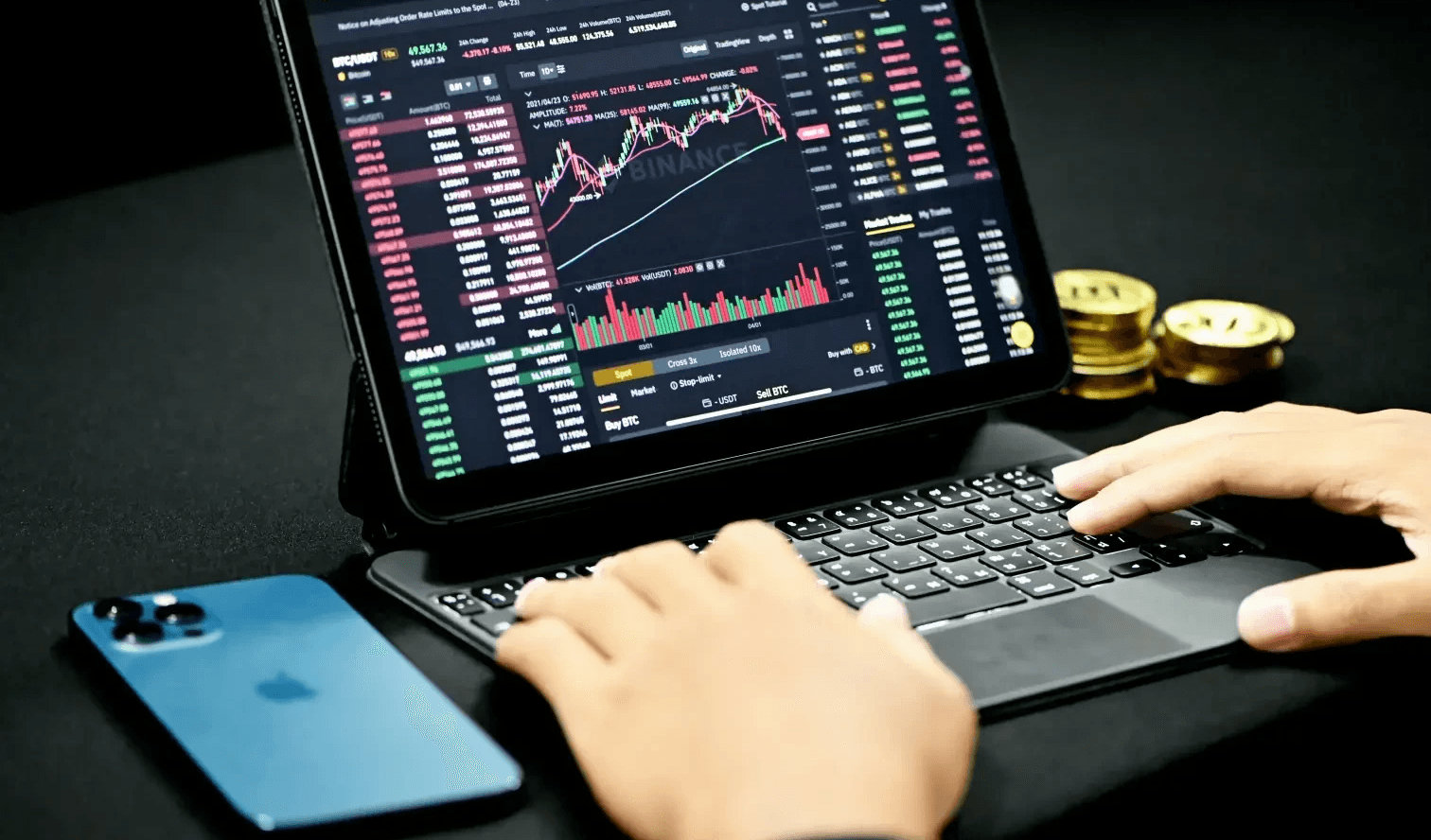
The right short list comes down to three practical lenses: how tradable the chain is across strikes and expirations, whether implied and realized volatility give you a predictable edge, and whether the stock’s behavior around catalysts fits your funded-account rules. Assess those together, not separately, and you turn selection from guesswork into a repeatable process you can scale.
How should I read implied volatility and term structure?
IV is a tool, not a fact. Look at IV across expirations, check IV rank and whether front-month IV is decompressed relative to longer-dated contracts, and watch skew for directional bias. Stocks where implied movement reliably exceeds realized movement offer a playable premium for sellers; those where IV spikes only around binary events require very disciplined sizing. Remember, traders chase richer premiums, but it also means higher event risk and faster position decay if you mis-time the trade.
Why does a stock’s past movement matter more than headlines?
Patterns repeat. History gives you baseline expectations for daily ranges, gap frequency, and how IV behaves into earnings. In a four-week coaching cohort we ran, traders who filtered for consistent 6–12 month realized volatility avoided two common failure modes; they faced fewer surprise gaps and met their evaluation targets with cleaner adjustments.
What contract-level signals separate good candidates from marginal ones?
Go beyond headline volume. Prefer chains with continuous, narrow strike spacing, multiple expirations quoted with depth, and visible open interest across near-term and mid-term expiries. Watch for put and call blocks that indicate institutional positioning, note borrow availability if shorting is part of your plan, and check dividend and ex-date timing — those can turn a clean income trade into an assignment mess. Also, use strike-level skew to decide whether to sell wings or buy directional exposure, because skew encodes the market’s fear on one side versus the other.
Most traders default to scanning top movers because it’s fast and familiar, and that works at small sizes. The hidden cost is that familiar filters scatter attention into headline volatility and one-off events, which fragments execution quality and eats funded-account runways. Solutions like AquaFutures provide instant and evaluation-based funding with fast payouts and 100% profit retention on early gains, giving traders the freedom to iterate more setups quickly and focus selection on repeatable, rule-compliant plays rather than chasing noisy momentum.
How do you match a pick to funded-account constraints?
Treat selection as a sizing guardrail. Choose underlyings where the worst-case loss on a defined-risk spread fits comfortably inside your drawdown limit and where you can adjust without triggering outsized slippage. Favor moderate IV environments that reward premium sellers and directional buyers with manageable vega exposure, and avoid names that become illiquid at the exact strike or expiration you need. This is the trade-off: higher IV can pay better, but only if your position can survive the volatility swings without blowing an evaluation target.
Think like a risk manager, not a fan. Pick underlyings the way you’d pick a business partner: predictable, with clear windows for action and an honest record of behavior. That mindset changes more outcomes than any single indicator. That next list will show which well-known stocks actually pass every one of these strict tests, and a few of the usual suspects won’t make the cut.
10 Best Stocks for Options Trading

These ten names are the practical toolbox for funded options traders: each one gives a predictable set of behaviors you can size around, hedge against, and repeatably trade to meet simple profit targets. Below, I map each stock to the best funded-account-friendly setup, the strike and expiration choices that typically work, and the specific execution caveats that matter when your run rate and drawdown limits are real.
1. Nvidia (NVDA)
Nvidia holds a commanding position in the chip industry, excelling in AI accelerators and visual computing hardware. Its products power everything from data centers to gaming consoles, driving consistent demand amid global digital transformation. In 2026, as AI applications expand into new sectors such as autonomous vehicles and healthcare, Nvidia's stock remains sensitive to supply chain updates, partnership announcements, and broader tech sentiment, creating frequent opportunities for price action.
What makes Nvidia exceptional for options trading is its combination of high implied volatility and massive contract volume, often exceeding millions per day. This liquidity ensures narrow spreads, making it easier to implement multi-leg strategies such as iron condors or straddles without excessive slippage. Traders benefit from premium-rich environments during earnings cycles or industry events, enabling effective income generation by selling options or hedging against directional risk in a volatile tech landscape.
2. Tesla (TSLA)
Tesla leads the charge in sustainable transportation, producing electric cars, developing energy storage solutions, and advancing autonomous driving technology. The company's growth is fueled by manufacturing expansions, battery innovations, and robotics ventures, positioning it at the forefront of the green energy transition. In 2026, factors like government incentives, competition from legacy automakers, and executive decisions continue to influence its market performance, leading to dynamic pricing.
Tesla stands out in options trading thanks to its notorious volatility, often amplified by news events or social media buzz, which inflates option premiums and attracts speculators. With daily options volume frequently exceeding two million contracts, the market offers deep liquidity for quick entries and exits in strategies such as strangles and covered calls. This setup is ideal for traders looking to capitalize on short-term swings or employ theta decay tactics in a stock that's perpetually in the spotlight.
3. Amazon (AMZN)
Amazon dominates online retail and cloud infrastructure through its vast ecosystem, including e-commerce platforms and AWS services. Its operations span logistics, entertainment, and emerging technologies such as AI-driven recommendations, ensuring resilience across economic cycles. As 2026 unfolds with increased focus on digital commerce and cloud migrations, Amazon's stock reacts to consumer trends, competitive pressures, and infrastructure investments.
For options trading, Amazon's appeal lies in its balanced volatility profile, providing enough movement for profitable plays without extreme unpredictability, coupled with robust options liquidity averaging hundreds of thousands of contracts per day. This enables precise execution of spreads or butterflies, where traders can manage defined risks while targeting returns from sector rotations. The stock's reliability in generating tradable events, such as quarterly results or holiday sales data, makes it a solid choice for both novice and seasoned options participants seeking consistent opportunities.
4. Apple (AAPL)
Apple maintains its tech empire with iconic hardware like iPhones and Macs, alongside growing services in streaming and payments. Its integrated approach fosters customer loyalty and recurring revenue, buffering against market downturns. In 2026, factors such as device refresh cycles, regulatory scrutiny of app stores, and expansion into augmented reality will keep the stock active and responsive to global consumer shifts.
Apple's strength in options trading stems from its event-predictable volatility: product launches and earnings reports reliably boost premiums, enabling strategic uses such as calendar spreads and protective collars. Boasting a six-figure daily options volume, it supports efficient pricing and minimal transaction costs, making it accessible for scaling positions. This blue-chip status, combined with tech-driven excitement, positions Apple as a go-to for traders balancing safety with potential high-reward setups.
5. Microsoft (MSFT)
Microsoft powers productivity and cloud computing with software suites, Azure platforms, and AI integrations across industries. Its diversified portfolio includes gaming and enterprise solutions, supporting steady growth even in uncertain times. Entering 2026, developments in cybersecurity, hybrid work tools, and strategic acquisitions are driving its trajectory, responding to enterprise demands and technological evolution.
In the options trading space, Microsoft's blend of moderate volatility and high liquidity—with options volume often reaching substantial levels—supports advanced strategies such as ratio spreads and collars for income or protection. The stock's responsiveness to macro tech trends and earnings provides regular catalysts for premium expansion, enabling traders to harvest decay or speculate directionally. As a large-cap leader, it offers a dependable venue for options activity, appealing to those preferring stability alongside profitable volatility plays.
6. Alphabet (GOOGL)
Alphabet, the parent company of Google, maintains dominance in online search, digital advertising, and innovative fields like artificial intelligence and cloud services. Its diverse revenue streams from YouTube, Android, and emerging projects in autonomous driving and quantum computing provide resilience and growth potential. As we enter 2026, ongoing developments in AI tools, the advertising market's recovery, and potential resolutions to regulatory challenges keep the stock responsive to news flows and economic indicators.
Alphabet excels in options trading due to its elevated implied volatility, which is triggered by earnings reports, antitrust updates, or tech breakthroughs. This volatility inflates premiums and enables strategies such as gamma scalping or long-dated LEAPS for extended exposure. The options chain consistently ranks among the most active, with daily volumes in the hundreds of thousands, delivering tight bid-ask spreads and high liquidity across various strikes and expirations. This depth supports sophisticated trades such as credit spreads or iron condors, making it a favored choice for traders seeking a mix of tech volatility and institutional participation.
7. Meta Platforms (META)
Meta Platforms oversees a vast social networking empire, including Facebook, Instagram, WhatsApp, and investments in virtual and augmented reality through its Reality Labs division. The company's strength lies in its massive user base and sophisticated advertising algorithms, which drive most of its revenue. In 2026, shifts in digital ad spending, privacy policy adjustments, and progress in metaverse technologies continue to shape its performance amid evolving consumer behaviors.
What sets Meta apart for options trading is its sharp price reactions to user engagement data, algorithm changes, or regulatory announcements, creating rich environments for premium decay plays like iron butterflies or short straddles. Its options market attracts significant daily volume, often reaching seven figures in contracts, which ensures efficient execution and minimal slippage even during high-activity periods. This combination of event-driven volatility and robust liquidity appeals to traders employing both directional and neutral strategies in a high-profile social media stock.
8. Advanced Micro Devices (AMD)
Advanced Micro Devices competes aggressively in the semiconductor industry, producing central processing units, graphics cards, and specialized chips for gaming, data centers, and AI applications. Partnerships with major tech firms and expansions into high-performance computing bolster its market share. Heading into 2026, intensifying demand for AI infrastructure and competition in chip design keep AMD sensitive to industry cycles and supply dynamics.
AMD's appeal in options trading stems from its pronounced volatility, driven by product launches, earnings surprises, or sector shifts, making it ideal for setups such as diagonal spreads or volatility trades around key announcements. The stock's options frequently see strong daily turnover, providing competitive spreads and ample open interest that facilitate position adjustments. As AI and computing needs escalate, AMD offers traders high-potential opportunities in a volatile segment of the tech market.
9. Micron Technology (MU)
Micron Technology specializes in memory chips, including DRAM and NAND flash used in smartphones, servers, and emerging AI systems. Its business is tied to cyclical demand in consumer electronics and data storage. In 2026, growing demand for high-bandwidth memory in AI training and global trade dynamics continue to drive cyclical swings in its stock price.
Micron shines for options trading during volatility spikes, such as earnings seasons or memory price fluctuations, supporting straddle positions or premium-selling strategies to capture time decay. Solid options volume supports liquid chains, enabling swift entry and exit with reasonable costs. This cyclical nature, combined with tech demand trends, makes MU attractive for traders targeting periodic high-IV events in the semiconductor space.
10. Palantir Technologies (PLTR)
Palantir Technologies develops advanced software platforms for big data analytics, serving government agencies, defense contractors, and commercial enterprises with AI-enhanced tools. Its growth stems from long-term contracts and expansions into the private sector. As 2026 advances, geopolitical tensions, enterprise digital transformations, and new deal announcements drive episodic momentum.
Palantir's suitability for options trading arises from its momentum-driven volatility, often fueled by contract awards or hype around AI capabilities, enabling debit spreads or cautious speculative plays. Increasing daily options volume improves liquidity, with growing open interest across expirations that supports active management. In a landscape prioritizing data intelligence, PLTR provides a niche, high-engagement option for traders focused on emerging tech narratives.
Status quo disruption: what most traders do and its hidden cost
Most traders stick with headline screener picks because they are familiar and fast. That works at tiny sizes, but as position size or evaluation constraints increase, the habit creates slippage, inconsistent fills, and failed profit runs that compound into missed scaling opportunities. Solutions like funded accounts for futures trading give traders instant access to capital, fast payouts, and 100 percent profit retention on early gains, letting them iterate defined-risk setups at scale without the same pressure to overtrade or chase one-off winners.
A hands-on pattern we’ve seen
After coaching evaluation-stage traders in six-week cohorts, the consistent failure mode was not a lack of strategy but mis-sized adjustments, usually on names where liquidity evaporated at the exact strike they needed. That pattern taught a simple rule: if a chain loses depth at your target strike during an adjustment window, you must either reduce size or switch to a different defined-risk structure immediately, because otherwise the next fill turns a recoverable drawdown into an evaluation fail.
An analogy to make it concrete
Think of each stock like a tool in a mechanic’s roll cart; some are torque wrenches for steady, repeatable work, others are impact drivers that deliver quick bursts and demand a steady hand; pick the tool that matches the job, not the one that feels most exciting.
Quick execution checklist you can use tonight
- Confirm continuous open interest across near and mid expirations before entering.
- Choose expirations that match the trade objective, not the calendar.
- Cap single-trade risk to a fraction of your funded drawdown allowance, then scale only when fills stay clean.
- Predefine adjustment triggers and practice the roll mechanics in a small size so the process becomes muscle memory.
That simple insight changes everything about how you handle the next pick.
Best Places to Find the Best Stocks for Options

The best places to find stocks for options trading are the tools that let you test execution, filter for tradable liquidity, and signal when volatility shapes a real edge. Pick platforms that surface order-flow cues, provide precise fill data, and let you automate alerts so screening becomes a repeatable workflow, not a guessing game.
Which platform should you use first?
Start with programmable stock and options scanners that can run tests against your execution rules. Good scanners let you require minimum open interest across at least three expirations, enforce a maximum bid/ask spread relative to premium, and backtest how those filters would have affected fills over the past 60 trading days.
How do you separate fleeting noise from trades you can actually manage?
Treat flow and microstructure as proof, not opinion. Watch for sweep-to-fill alerts, large single-ticket buys, and repeated sweep patterns on the same side of the chain within 15 minutes; these are higher-probability signals than a headline. Then, validate the signal by sending a small-sized limit order at your intended strike and logging the fill rate and realized slippage for ten executions over two weeks. If your empirical fill rate drops by 80 percent or your slippage exceeds 1.5 times your projected cost, the name is a poor match for funded-account sizing and should be removed from that strategy’s pool.
What role do brokers, news feeds, and calendars play together?
Use broker research and news only to trigger hypotheses, not to make trades. The practical sequence is to generate candidates from scanners, watch order-flow confirmations and quote depth in your brokerage, then check event calendars for potential IV decompression. Most traders stick with fast habits because they feel efficient. That makes sense when you’re trading small, but it creates friction as you scale. The familiar approach is to scan headlines and top movers, which works early, but when position sizing or evaluation rules tighten, iteration speed and reliable fills matter more than chasing every hot tape. Platforms like AquaFutures, offering instant and evaluation-based funding up to $450,000 with fast payouts and 100 percent profit retention on early gains, give traders the runway to test execution rules quickly and scale only the names that pass real-world fill and slippage tests.
Where should you look for community-sourced ideas, and how should you treat them?
Communities can surface under-the-radar names and creative scans, but they create cognitive bias if you treat posts as permission to trade. Instead, export community ideas into a watchlist, run your automated fill and IV checks for a minimum 30-day sample, and only promote names that clear your execution thresholds. Traders looking for tools often want free trials before committing, so use trial periods to validate that a scanner’s signals generate usable fills rather than vanity alerts.
What practical steps make these sources work for funded-account rules?
Think of this as road-testing a car at the exact speed you will drive it. Do a 10-trade fill audit at target strikes, track realized slippage and bid-ask drift, require persistent open interest across near and mid expirations, and archive time-and-sales for any adjustment you make. If a name fails the fill audit, shrink size or drop it, because funded evaluations punish surprise illiquidity faster than retail accounts do. That method narrows choices, but the moment you must pick a single name for a trade is where things suddenly get personal and high-stakes.
Related Reading
- Basic Trading Strategy
- Spot Algorithmic Trading
- Forex Trading Profit Per Day
- Crypto Trading Bot Strategies
- Best Forex Trading Bots
- Fair Value Gap Trading Strategy
- Best Leading Indicators for Day Trading
- Best Indicators for Swing Trading
- Best Charting Software for Day Trading
- Best Indicators for Options Trading
- Fair Value Gap Trading Strategy
How to Choose the Best Stocks For Options Trading

Pick stocks by testing whether their option chains survive the exact size, timing, and adjustment rules you will use in a funded run, then only scale names that pass hard execution and worst-case loss checks. Do that, and your trades stop depending on luck and start depending on repeatable mechanics you can manage under evaluation constraints.
Prioritize Liquidity in Stock Selection
Liquidity is a critical factor when selecting stocks for options trading, reflecting how easily you can buy or sell the underlying shares and their options without causing significant price movements. Stocks with high daily trading volumes and substantial open interest in their options chains tend to have smoother transactions, tighter bid-ask spreads, and lower slippage, which can eat into profits. Aim for companies listed on major exchanges with consistent trading activity, as this supports efficient entry and exit in various option strategies, such as spreads or straddles.
Diving deeper into its importance, high liquidity minimizes the risks associated with illiquid markets where options might have wide spreads, making it harder to achieve favorable pricing. For instance, selecting stocks from indices such as the S&P 500 often ensures better liquidity due to institutional involvement, allowing traders to manage larger positions with confidence. This criterion, verified through market data from sources such as brokerage platforms, helps maintain cost-effectiveness and flexibility in adjusting trades amid changing conditions.
Focus on Volatility Levels
Volatility measures the extent of a stock's price swings, making it essential for options trading because it directly affects premium values and potential returns. Stocks with higher implied volatility are preferable for strategies that benefit from movement, such as buying calls or puts, as they offer richer premiums to sellers. Traders should target assets where historical and implied volatility align with their outlook, avoiding overly stable ones that yield low options activity.
Exploring this further, evaluating volatility using metrics such as IV rank—comparing current levels to the past year's range—helps identify opportunities for volatility-based plays. For example, a stock with an IV rank above 50 might suit selling premium strategies during periods of high uncertainty, as data from options scanners indicate higher risk is priced in. This approach, drawn from established trading principles, ensures selections capitalize on price fluctuations while managing exposure through informed positioning.
Conduct Fundamental Analysis
Fundamental analysis involves scrutinizing a company's core financial health, industry standing, and growth prospects to select stocks suitable for options trading. Key elements include reviewing earnings reports, revenue trends, debt levels, and competitive edges, which can signal long-term viability and potential catalysts for price moves. This method helps select stocks for directional strategies, such as buying bull calls on growing firms or selling protective puts on weakening ones.
In greater detail, by assessing metrics such as price-to-earnings ratios or dividend yields, traders can pinpoint undervalued or overvalued assets ideal for options setups. For instance, a fundamentally strong tech company with robust quarterly growth might be perfect for long-dated calls, as supported by analyst consensus and financial statements. This verified process enhances decision-making by grounding choices in economic realities, reducing reliance on short-term noise.
Apply Technical Analysis
Technical analysis uses historical price charts, patterns, and indicators to forecast future movements, guiding the selection of stocks for options trading. Tools such as moving averages, RSI, and Bollinger Bands help identify trends, support/resistance levels, and momentum shifts, making it easier to time option entries. Prioritize stocks with clear patterns, such as breakouts, for strategies that exploit directional biases.
Delving into its application, this analysis allows traders to filter stocks with upward trends for call options or downtrends for puts, ensuring alignment with market momentum. An example is spotting a stock near a 52-week high with rising volume, which is suitable for bull spreads, as confirmed by charting software data. Rooted in proven market-behavior studies, it provides a systematic way to select assets with predictable short-term paths, complementing other criteria.
Identify Event Catalysts
Event catalysts include upcoming events such as earnings announcements, product releases, or regulatory decisions that can spike volatility and create options trading opportunities. Selecting stocks with imminent events allows traders to position for anticipated moves, such as using straddles to profit from uncertainty. Check calendars for scheduled dates to focus on assets likely to experience significant reactions.
Further examination reveals that these events often lead to implied volatility expansions, which are ideal for selling premium or buying ahead of resolutions. For example, a biotech firm awaiting FDA approval might see heightened options interest, as reflected in news aggregators and exchange data. This strategy, based on historical event impacts, enables proactive selection, turning potential market shifts into structured trades with defined risks.
Ensure Diversification Across Selections
Diversification involves spreading risk across various sectors, industries, and asset classes to mitigate risk in options trading. Rather than focusing on a few stocks, include a mix of tech, healthcare, and consumer goods to balance exposure across economic factors. This approach helps maintain portfolio stability, especially in volatile markets, where a downturn in one sector won't derail overall performance.
In-depth diversification reduces idiosyncratic risks associated with individual stocks, enabling combined strategies such as hedging tech options with energy options. For instance, pairing high-volatility growth stocks with stable dividend payers, as seen in broad index components, helps ensure resilience, as supported by portfolio theory. This verified tactic promotes sustainable trading by mitigating risks from unforeseen events while capturing diverse opportunities.
Implement Risk Management Practices
Risk management involves setting parameters to protect capital when selecting stocks for options, including position sizing, stop losses, and exposure limits. Select stocks that fit within your risk tolerance, avoiding those with extreme volatility unless balanced by hedges. This ensures long-term viability by preventing large losses from derailing your trading plan.
Going deeper, incorporate tools such as the Greeks (delta, gamma) to assess how stock selections affect overall risk, accounting for scenarios such as market gaps. An example is limiting any single stock to 5% of the portfolio risk, based on professional guidelines and backtested data. This essential practice, confirmed through trading simulations, safeguards against overexposure while optimizing returns on chosen assets.
Leverage Prop Firm Funding
Proprietary trading firms offer funded accounts to skilled traders, allowing access to larger capital for options trading without personal financial risk. When selecting stocks, consider how prop firm resources can amplify positions on high-conviction picks, such as liquid, volatile assets identified through analysis. This enables scaling strategies such as spreads or iron condors in premium stocks, provided you meet the firm's evaluation criteria.
Elaborating on its relevance, prop funding allows traders to test and execute on meticulously selected stocks using leveraged capital, often with profit-sharing models that reward performance. For options, this means deploying more contracts on fundamentally sound, event-driven selections while adhering to the firm's risk rules. This provides a pathway to professional-level trading, enhancing potential gains from well-researched stock choices.
We can make this operational tonight: pick three names, run a two-week execution audit at your target size, compute worst-case loss per contract, and lock a per-trade contract cap before you trade again. The next step will force a hard choice about where you want to scale from, and that choice is more consequential than most traders expect. The twist? What comes next will reveal whether your preparation actually protects your funded account or just postpones the same squeeze.
Unlock up to 50% off Your First Funded Account for Futures Trading
When your best option ideas stall because you cannot risk more capital or clear evaluation hurdles, I know how draining that can be and how quickly momentum can disappear. Platforms like AquaFutures offer instant and evaluation-based funded futures accounts, fast payouts, 100 percent profit retention on early gains, and up to $450,000 in capital, so consider their account options today to trade liquid option chains and scale defined-risk strategies without tying up your own cash.
Related Reading
- Fibonacci Trading Strategy
- Best Prop Trading Firms
- ORB Trading Strategy
- Crypto Swing Trading Strategy
- Best Copy Trading Platform
- Best Proprietary Trading Firms for Beginners
- Silver Bullet Trading Strategy
- Order Block Trading Strategy
- The Strat Trading Strategy
- Supply and Demand Trading Strategy
- Profitable Gold Trading Strategy
- Higher High Lower Low Trading Strategy
