



25 Essential Forex Trading Candlestick Patterns For Every Trader
Master 25 Forex Trading Candlestick Patterns to sharpen your market entries and exits. A must-know guide for every active trader.

You stare at a noisy forex chart, unsure where to enter or how to set stops, and that uncertainty costs trades. Learning Forex Trading Candlestick Patterns and other Trading Patterns shows how candle bodies and wicks form hammers, Doji, engulfing bars, morning stars, and shooting stars, and helps you read price action, spot bullish and bearish reversals, confirm trends, and mark support and resistance across timeframes.
This guide outlines the most important candlestick patterns and how to use them to improve entry, exit, stop-loss, and take-profit planning. Can you judge risk, reward, and pick the patterns that work in your own trading?
To put those skills to work, Aquafutures offers funded accounts for futures trading that give you real market access and capital so you can apply candlestick reading, refine entries and exits, and manage risk reward without risking your own full bankroll.
Summary
- Candlestick patterns are a structured toolkit, not a magic wand; the article lists 25 essential patterns you can convert into repeatable entries, stops, and exits that fit a funding plan.
- Prioritize high-probability setups and a narrow market focus, trade two or three pairs so you can log 200+ quality trades instead of scattering effort across many instruments.
Testing discipline is critical; backtest on at least 200 trades and forward-test on demo for two months to separate genuine edge from random results. - Combine candlesticks with one trend filter plus one momentum or volatility filter, a practice used by about 70% of traders, and studies show roughly a 50% increase in accuracy when adding moving averages.
- Size and scale as the edge proves itself, using a verification window of 60 to 120 trades or one to three months before increasing position size, and apply reduced Kelly or fixed fractions to control leverage risk, such as cited 10X examples.
- Funders expect auditable proof, not anecdotes: provide trade-level screenshots, timestamps, prespecified entry and stop rules, and stability metrics such as rolling expectancy, the 95th-percentile drawdown, and median time-to-profit, while running 50 to 100 pattern audits before changing thresholds.
- Aquafutures addresses this by offering funded accounts for futures trading that include simulated capital and auditable trade logs, so traders can demonstrate the 200+ trade testing and rolling-expectancy metrics funders require.
25 Essential Forex Trading Candlestick Patterns For Every Trader
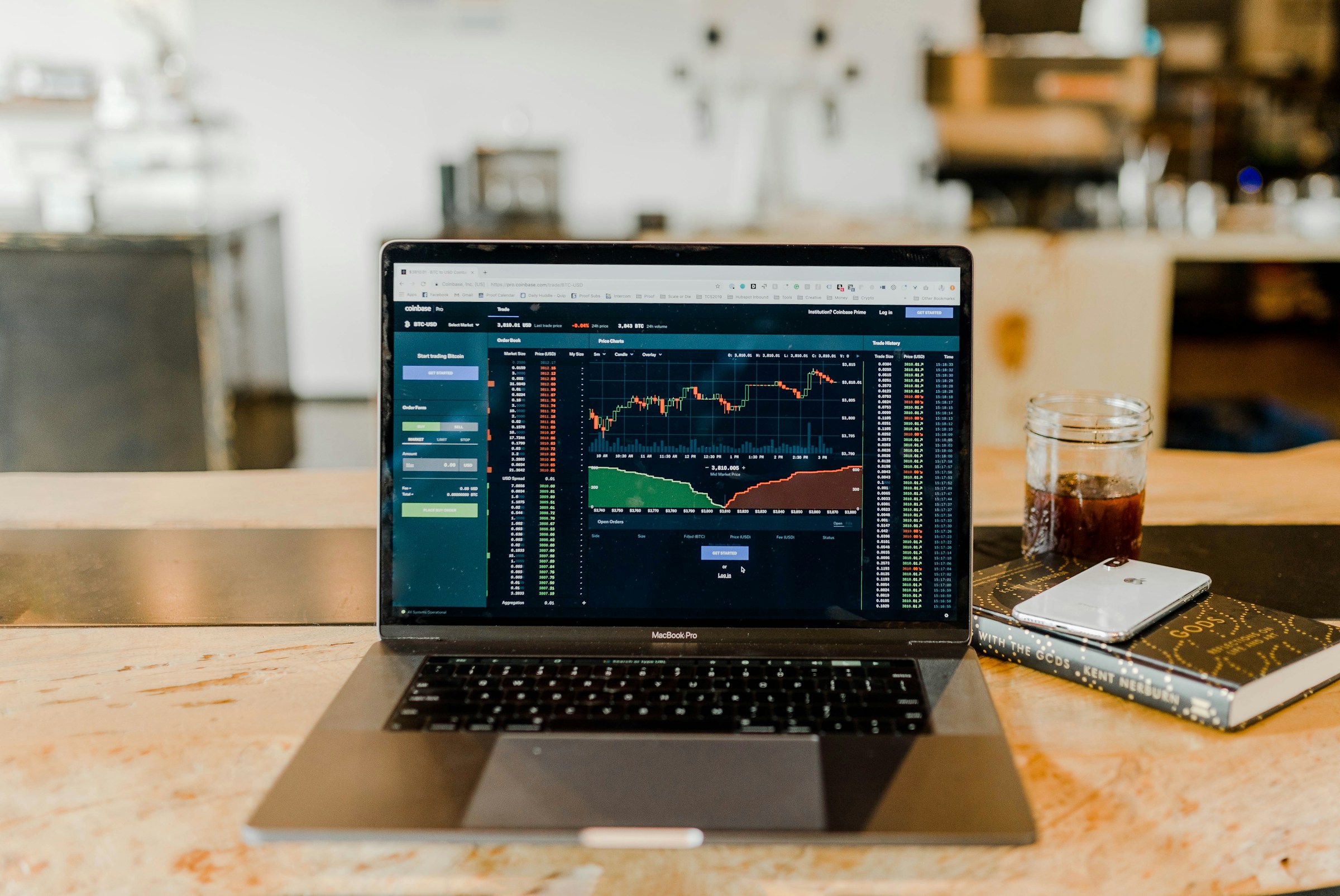
These 25 candlestick patterns are not a magic wand; they are a structured toolkit you can turn into repeatable entries, stops, and exits that fit a funding plan. Learn to prioritize patterns by context and confirmation, then commit to disciplined testing so a good setup becomes a reliable trade, not a lucky one.
1. Marubozu
In Forex markets, a Marubozu candle stands out with its full-bodied structure and tiny or absent wicks, capturing relentless price action from open to close. Bullish versions in pairs like USD/JPY signal buyers overpowering sellers during strong uptrends, often after economic data releases that boost risk appetite.
Traders spot these for continuation trades in trending Forex sessions, entering long above the high on the next candle if it holds gains. Bearish Marubozus in downtrends, such as on AUD/USD amid risk-off flows, warn of seller dominance—short below the low with stops at the body top for momentum plays.
2. Doji
Doji candles in Forex highlight market standoffs, where open and close prices nearly match, forming a cross-like shape amid battling bulls and bears. On major pairs like EUR/GBP, they emerge at key levels like round numbers or Fibonacci retracements, pausing trends driven by central bank hints.
Use them to anticipate shifts in Forex volatility; a Doji capping an uptrend might precede a pullback if the follow-up bar closes lower, prompting shorts. Conversely, at downtrend lows, watch for upside breaks above the high to enter longs, always confirming with volume spikes typical in the London-New York overlap.
3. Dragonfly Doji
The Dragonfly Doji graces Forex charts with a long tail below a tiny body at the high, showing sellers probed lows but buyers slammed the door shut. Ideal in oversold GBP/USD after UK data misses, it hints at absorption of supply near daily lows.
Forex traders leverage this for reversal entries post-downtrends, buying breaks above the high on confirmation candles during Asian session lulls. Pair it with RSI divergence for stronger signals, trailing stops below recent lows to ride rebounds in trending currency pairs.
4. Gravestone Doji
Gravestone Dojis mark Forex peaks with a prominent upper tail and body hugging the session low, as buyers chased highs only to get rejected hard. Common at resistance in USD/CAD during oil-driven rallies, they expose fading momentum atop uptrends.
Enter shorts on breaks below the low in Forex, especially if volume surges on the next red bar, targeting prior supports. This pattern shines in overbought conditions, helping traders fade exhausted rallies before counter-trend moves take hold.
5. Long-Legged Doji
Long-legged Dojis erupt in Forex with sprawling upper and lower tails around a minuscule body, screaming volatility without direction after wild swings. They pop up in news-heavy pairs like NZD/USD post-RBNZ announcements, where uncertainty reigns.
Treat them as Forex pause buttons—wait for decisive breaks above or below to trade the breakout direction, ideal for scalping volatile sessions. Confirmation from the next bar's close clarifies if bulls or bears claim victory, boosting the edge in range-bound pairs.
6. Bullish Spinning Top
Bullish Spinning Tops flicker on Forex charts with a compact green body sandwiched between extended shadows, hinting at buyer resilience after initial selling probes. In pairs like EUR/JPY during yen safe-haven flows, they surface near support, where bears test but fail to break lower decisively.
Forex traders eye these for tentative reversals at downtrend bases, entering longs on breaks above the high if the next bar confirms with strength. This setup captures early momentum shifts, particularly when aligned with pivot points, allowing scalps or swings with tight stops below the low.
7. Bearish Spinning Top
Bearish Spinning Tops emerge in Forex uptrends with a small red body amid balanced long shadows, signaling bulls' struggle to push higher despite early gains. Spot them on USD/CHF at resistance after hawkish Fed rhetoric, exposing hidden selling interest.
Use this pattern to fade Forex rallies, shorting below the low on bearish follow-through during overlap sessions. It warns of cracking upside conviction, ideal for positioning ahead of pullbacks when volume hints at distribution.
8. High-Wave Candlestick
High-Wave candles dominate Forex volatility with oversized upper and lower shadows dwarfing a tiny body, capturing chaotic battles between buyers and sellers. They thrive in event-driven pairs such as AUD/JPY after RBA decisions, marking exhaustion zones.
Traders equip them in Forex for impending breakouts, waiting for closes beyond extremes to join the move—long above high or short below low. This neutral signal turns directional at key levels, fueling trades in choppy Asian or New York sessions.
9. Long Wicks
Long Wick candles spotlight Forex rejections with tails stretching over twice the body length, upper ones flagging buyer failures and lower ones seller defeats. In GBP/USD, near Brexit-inspired support levels reveal where price extremes are smacked back.
Forex strategies revolve around trading against the wick: buy past highs on lower wicks for bounces, or sell under lows on upper wicks post-rallies. Confirmation from aligned trends sharpens entries, targeting swings with stops beyond the rejection point.
10. Pin Bar
Pin Bars command Forex attention with a dominant tail comprising most of the range and a snug body opposite the rejection, embodying sharp turnarounds. Bullish versions on NZD/CAD lows after dairy slumps show buyers swatting away dips.
Deploy them for high-probability Forex reversals at trend ends, entering opposite the tail on breaks with trailing stops at wick tips. Their clean structure suits price action purists, excelling near Fib levels or daily pivots for multi-pip hunts.
11. Hammer
Hammer candles hammer home bullish intent in Forex downtrends, featuring a petite body atop a lengthy lower tail that dwarfs it, as sellers dive deep but buyers yank prices back up. They shine on EUR/USD near monthly lows after ECB dovishness, signaling exhausted downside probes.
Forex traders pounce on Hammers at support zones, going long above the high on green confirmation bars to catch reversals. This pattern thrives in oversold conditions, offering crisp entries with stops under the tail for riding trend shifts in volatile pairs.
12. Hanging Man
Hanging Man patterns dangle ominously at Forex uptrend peaks, mirroring Hammers but with bearish context—a small upper body and probing lower tail exposing seller incursions. Common in USD/JPY after yen carry unwind hints, they hint at budding weakness.
Spot these two short Forex rallies, entering below the low if the next red candle validates, targeting prior lows amid fading bull control. Ideal at resistance, they flag distribution phases ripe for counter-trend scalps or swings.
13. Inverted Hammer
Inverted Hammers poke Forex downtrends with a small lower body and soaring upper tail, where buyers test highs before a seller pullback, yet hinting at gathering steam. They appear on AUD/USD post-commodity dips, probing for bullish liftoff.
Traders use them for Forex bounce setups, buying breaks above the tail high on follow-up strength near key pivots. Despite the shaky close, confirmed upside breaks capture early reversals, with stops below the base for risk-managed plays.
14. Shooting Star
Shooting Stars streak across Forex uptrend summits with a tiny lower body trailing a massive upper wick, as bulls rocket up only to plummet under seller fire. Frequent in GBP/JPY amid BOJ intervention fears, they signal a rejection of fresh highs.
Fade these in Forex by shorting below the low on bearish closes, especially at overbought Fib extensions, aiming for pullbacks. Their vivid failure-to-hold structure suits aggressive entries, trailing profits on lower highs for extended downside.
15. Bullish Engulfing
Bullish Engulfing patterns engulf Forex despair at downtrend bottoms, where a bearish bar yields to a larger bullish one, with the bullish bar swallowing the bearish bar's body entirely. Potent on NZD/USD after the RBNZ cuts, they declare buyer supremacy, overtaking sellers.
Enter Forex longs above the engulfing high post-pattern, riding confirmed upswings from support with stops under the setup low. This two-bar power shift excels in trend reversals, fueling multi-session moves when volume backs the takeover.
16. Bearish Engulfing
Bearish Engulfing setups swallow Forex optimism at uptrend crests, with a bullish bar overtaken by a larger red one that fully envelops its range. They ignite on USD/CAD amid oil reversals, showcasing sellers storming past buyer defenses.
Forex shorts trigger below the engulfing low on confirmation, capitalizing on momentum flips near resistance for downside runs. This aggressive takeover pattern dominates reversals, with stops above the high securing profits on fading rallies.
17. Piercing Line
Piercing Line patterns pierce Forex downtrends via a hefty red bar chased by a green one gapping lower yet clawing back over halfway into the prior body. Vital on EUR/GBP post-Brexit wobbles, they spotlight buyer resurgence mid-selloff.
Traders buy Forex breaks above the green high, signaling a partial recovery and a potential uptrend launch from supports. Strong closes deep in the foe's territory signal control shifts, ideal for swings with stops at pattern lows.
18. Dark Cloud Cover
Dark Cloud Cover looms over Forex uptrends, starting with a robust green candle pierced by a red one, opening higher but crashing past its midpoint. Prevalent in AUD/JPY during risk aversion, it reveals seller ambush after bull advances.
Short Forex below the red low on bearish follow-ups, targeting supports as distribution unfolds at peaks. This ominous intrusion excels at overbought zones, prompting timely exits from longs with trailed stops.
19. Bullish Harami
Bullish Harami patterns cradle Forex bottoms, where a sprawling red bar births a tiny green one nested wholly inside its frame, easing sell pressure. They bloom on GBP/USD near flash crash supports, hinting at seller fatigue.
Enter Forex longs above the inner high post-confirmation, capturing stabilization turns into uptrends. The contained hesitation marks pauses ripe for accumulation, boosting reliability at oversold pivots with volume cues.
20. Bearish Harami
Bearish Harami emerges in Forex upswings as a mighty green bar spawns a petite red one trapped within, curbing buyer zeal. Seen on USD/JPY atop carry trades, it whispers emerging doubt amid rallies.
Forex traders take short breaks below the small red low, fading momentum cracks for pullback profits. This subtle containment flag tops effectively when confirmed, pairing well with divergence for precise reversals.
21. Tweezer Bottom
Tweezer Bottoms anchor Forex downtrends with twin candles sharing pinpoint lows, the first often red and the second green, blocking further seller advances. They materialize on pairs like AUD/USD near commodity supports, where repeated tests fail to breach key floors.
Forex traders grab longs above the second high on bullish confirmation, riding bounces from these double rejections during quiet Asian hours. This setup highlights buyer defenses holding firm, perfect for scalping reversals with stops just under the shared low.
22. Tweezer Top
Tweezer Tops cap Forex uptrends via two candles locking identical highs, starting bullish before a red follow-up exposes ceiling strength. Frequent in EUR/JPY at intervention levels, they underline buyer exhaustion twice over.
Short Forex below the second low post-pattern, targeting pullbacks as resistance bites during high-impact news. These mirrored peaks signal fading rallies, enabling precise fades with stops above the twin highs for controlled risk.
23. Morning Star
Morning Stars dawn on Forex downtrends across three bars: a fat red lead, tiny indecisive middle, and robust green closer piercing the first's body. They glow on GBP/USD after dovish BOE chatter, tracing sellout to buy-in shifts.
Enter Forex longs above the third high, capturing trend births from oversold pits with stops below the base. This starry sequence thrives at supports, forecasting rallies when volume swells on the final push.
24. Evening Star
Evening Stars twilight Forex uptrends with three phases—a strong green opener, hesitant core, and deep red finisher invading the initial body. Potent on USD/CHF near SNB caps, they depict a bull fade into a bear grip.
Forex shorts launch below the third low on confirmation, chasing declines from overbought crests. The pattern's progression warns of distribution, suiting swings trailed on lower highs for sustained drops.
25. Matching Low
Matching Lows steady Forex declines with back-to-back candles closing at the same level, stalling bear momentum in downtrends. They hold on NZD/JPY post-RBNZ, where equal closes defend hidden floors.
Trade Forex upside breaks above the high of a confirming green bar, flipping to longs from these stalemates. This repetition builds reversal cases at supports, with tight stops under the matched close for high-reward setups.
Which patterns should I focus on first, and why do they matter now?
Start with patterns that give clear rejection or takeover signals, the ones that work across multiple timeframes when paired with structure: intense two-bar flips, pin bars, engulfing moves, and clean morning or evening star sequences. These patterns show who is in control for that moment, and when you trade only those that line up with market structure and session liquidity, you shrink false signals dramatically. When traders skip the hard work and chase every textbook pattern, they end up trading noise; stick to patterns that produce a neat entry, a mechanical stop, and a clear profit objective.
How do I convert a pattern into a repeatable trade?
Use a three-step routine: confirm context, define entry precisely, and size risk to a plan. Context refers to trends, support and resistance, and volatility; entry means a break above a pattern high or below a pattern low with a confirming close; sizing uses ATR or percent equity so losses remain bounded while wins compound. Treat each pattern like a contract: you specify entry, stop, target, and an acceptance rule for when to take partial profits or let winners run. When you do this consistently, the patterns become a process you can demonstrate, not an anecdote.
When do these signals break down, and how do I protect myself?
Signals fail in low liquidity windows, during big scheduled releases, and when patterns sit alone without structure confirming them. The more impatient you are, the more you rationalize poor setups; that’s the real danger. Follow a testing discipline: backtest a strategy on at least 200 trades and forward-test on a demo for two months to separate skill from luck, because otherwise you’re optimizing noise and borrowing confidence from randomness.
What does a practical, funding‑friendly checklist look like?
Think of a one‑page decision rule that you can tick in 30 seconds. Itemize market context, required confirmation candle, acceptable ATR multiple for stop placement, minimum risk-reward, maximum position size as a percent of equity, and a trade-level reason for each partial-take or trail. If you use Fibonacci, require pattern confirmation at the retracement zone before entering, so you only trade confluence setups. This keeps your edge repeatable and close to the modest profit goals many funded programs require.
Most teams handle live-testing through ad hoc demo runs because it feels flexible. That works for a while, but as you scale efforts, ad hoc testing fragments records, anecdotal wins hide survivor bias, and qualification metrics for funded programs become unreliable. Platforms like AquaFutures, which provide instant prop-funding and simulated capital with real payouts, centralize testing and execution so traders can iterate faster while keeping their risk profile intact and their performance auditable.
How should I prioritize which pairs and timeframes to trade with these patterns?
Match pattern type to timeframe and tick liquidity. Two-bar reversal patterns and pin bars tend to have higher signal-to-noise on hourly and four-hour charts in major pairs during overlapping sessions. Momentum patterns and engulfing bars perform better on 15- and 30-minute charts when volume or range expansion is confirmed. Narrow your universe to two or three pairs so you can log 200+ quality trades rather than scattering effort across everything; depth beats breadth when you need reproducible results.
Which rules separate a hobbyist pattern user from a candidate who qualifies for funding?
A candidate documents every trade with screenshots, timestamps, rationale, and PnL, and can show a consistent process across a streak of trades. They do not rely on signals from others. They backtest until edge stabilizes, forward-test until execution slippage is understood, and follow a rule set that turns subjective reads into objective checks. That discipline converts pattern mastery into the kind of repeatable performance that funding programs track.
You’ll notice this approach feels clinical at first; that’s intentional. Patterns are like fingerprints, small pieces of evidence about who moved the price and why. If you treat them as evidence and not prophecy, you build a repeatable edge that scales toward modest, demonstrable returns.
That next section reveals the simple question every trader must answer before a pattern becomes a verified tool, and that question changes everything.
Related Reading
- What Is a Funded Trading Account
- What Is SMT in Trading
- Price Action Trading
- Intraday Trading Tips for Today
- Can Day Trading Be Profitable
- Trading Indicators
- Intraday Algorithmic Trading
- Trading Candlestick Patterns
- Volatility Trading
What Are Candlestick Patterns, And Why Are They Important In Forex Trading?

Candlestick patterns are a probabilistic shorthand for short-term order flow, giving you a repeatable way to grade trade setups and set mechanical entries, stops, and exits that fit a funding plan. When you treat patterns as evidence to be tested against volatility, liquidity, and a modest profit objective, they stop being guesswork and become a defensible part of your playbook.
How do you judge a pattern’s conviction?
Look beyond the shape and quantify strength. I grade conviction by three quick checks: the pattern’s range relative to recent ATR, whether the close confirms control beyond nearby structure, and whether the following candle shows clean follow-through. As a rule, a pattern with range near or above the session ATR carries more probability than a pattern trapped inside a tight bar, and a confirming close beyond a swing high or low removes a lot of the ambiguity you otherwise pay for with false starts.
When should you ignore a pattern?
This pattern fails when context contradicts it. If the pattern forms within a larger consolidation, sits against a higher-timeframe trend that clearly rejects it, or appears seconds before a scheduled release, treat it as noise. That failure mode is predictable: the candlestick still exists, but the market’s liquidity and informational backdrop erode the signal's edge. Think of it as a fingerprint found in a room full of people, not a lone identifier.
What testing metrics matter for funding targets?
Stop treating backtests like trophies and measure what matters to a funder: trade-level expectancy, maximum drawdown over a trade streak, realized slippage, and the cadence needed to hit a modest return goal. Instead of only counting wins, log the distribution of consecutive losses and time-to-profit for winners. A funded-accounts evaluator will ask whether your edge survives realistic slippage, so include entry execution delays and worst-case spread widening in your simulations.
Most traders keep fragmented demo logs and ad hoc spreadsheets because they feel familiar and flexible. That works at first, but as volume and rules multiply, records fragment, attribution blurs, and iteration slows. Platforms like AquaFutures provide instant prop-funding and simulated capital with auditable trade logs and fast payouts, so traders can centralize testing, show verifiable performance, and scale rules without losing the evidence trail.
How do you convert a pattern into an execution rule?
Write the trade as an if-then contract: if pattern plus confirmation candle closes beyond structure, then enter on the next-tick break, place stop X ticks beyond the extreme wick or Y times ATR, and size so that that stop equals a fixed percent of equity. Keep exits mechanical too: a fixed RR ladder, a partial take at the first objective, and a trailing rule for the remainder. Those contracts make your journal binary, not poetic, and they make performance auditable when someone asks for the proof.
Why discipline beats pattern variety
Traders crave a single-reference cheat sheet because it reduces decision friction and speeds execution. A compact checklist is helpful—some references catalog foundational sets and the classic list of patterns you should know. But the test is not how many patterns you can name, it is how reliably you can act on a small set under pressure, with a documented edge and consistent sizing.
How do you stay sharp when speed steals clarity?
High-frequency moves can turn textbook patterns into traps when you react emotionally instead of mechanically. Commentary even leans into hyperbole about speed, using phrases like "100,000 MPH" to describe how quickly price can run away from an unconfirmed setup, as noted in Bonuses. Build latency buffers into your rules and accept that some setups must be passed when the market’s reaction time outpaces your process.
You can tune these rules the way a mechanic tunes an engine: minor adjustments to stop placement, ATR multipliers, and confirmation rules transform a noisy pattern into a reliable signal you can document for funding reviewers.
That’s the end of the building phase, and what comes next reveals the single decision that separates consistently funded traders from lucky ones.
Can You Combine Candlesticks with Other Technical Indicators in Forex Trading?

Yes. Combining candlesticks with other technical indicators is not optional if you want a repeatable edge in forex; it is how you turn an isolated price fingerprint into an auditable trade signal you can scale. Done well, the pairing both reduces false starts and gives you clear, testable entry and exit rules.
Candlesticks with Moving Averages
Moving averages (MA, EMA, SMA) smooth out forex price swings and define the dominant trend, while candlestick patterns provide precise entry and exit timing within that trend. The core idea is to trade only candlestick signals that align with the direction indicated by the moving average.
In an uptrend, a Bullish Engulfing, Hammer, or Morning Star forming above the 50‑period EMA on the 4‑hour EUR/USD chart suggests continuation rather than isolated mean‑reversion. A trader might buy on the close of the pattern, place a stop just below the pattern low, and target the next resistance or a prior swing high.
In a downtrend, a Shooting Star or Bearish Engulfing forming below the 200‑period SMA on GBP/USD reinforces a potential continuation of bearish pressure instead of a short‑lived dip. Traders can use the moving average as dynamic resistance, avoiding long trades as long as the price stays below it.
Candlesticks with RSI
The Relative Strength Index (RSI) measures momentum and identifies overbought and oversold zones on forex pairs. When a candlestick pattern appears at an RSI extreme, the pattern gains extra credibility because it is forming where momentum is stretched.
Long setups
A Hammer, Doji, or Bullish Engulfing forming at a key support zone on USD/JPY while RSI is below 30 suggests sellers are exhausted and buyers are stepping in at an oversold level. Traders may buy after the pattern closes, with stops under the low and targets near recent resistance or a mean‑reversion level.
Short setups
A Shooting Star or Bearish Engulfing at a resistance level with the RSI above 70 on EUR/USD indicate potential upside exhaustion. A trader could sell on confirmation (for example, a break below the low of the pattern), using the pattern high as a logical invalidation point.
Candlesticks with MACD
The MACD (Moving Average Convergence Divergence) captures momentum shifts and possible trend reversals by comparing fast and slow moving averages and tracking their histogram. Candlestick patterns that appear near MACD crossovers or divergences can provide early, high‑conviction turning points.
Reversal with crossover
A Morning Star or Bullish Engulfing pattern on AUD/USD forming around the same time as a bullish MACD line crossing above the signal line hints that downside momentum is fading and a trend reversal may be underway. Traders may enter long after both the candlestick and MACD signal align, targeting previous swing highs.
Downside of divergence
A Bearish Engulfing or Dark Cloud Cover on GBP/JPY that forms after price has made a higher high while MACD makes a lower high (bearish divergence) warns that the uptrend is losing strength. A short trade can be structured around the candlestick high as a stop and a move back toward prior support as a target.
Candlesticks with Volume (or Tick/Forex Volume)
True centralized volume does not exist in spot forex, but brokers and platforms provide tick- or broker‑side volume that still reflects relative activity levels. Candlestick patterns that form with a noticeable volume expansion tend to signal moves supported by stronger participation.
Strong confirmation
A Bullish Engulfing or breakaway gap in a currency future (such as Euro FX or GBP futures) or a primary FX pair CFD that appears with a sharp rise in volume suggests institutional interest, making the reversal or breakout more credible. Traders may be more willing to hold such trades and aim for larger targets.
Warning signal
The same bullish candlestick pattern, forming on clearly below‑average volume, indicates limited conviction, increasing the odds of a failed breakout or a shallow bounce. In this case, some traders either reduce position size, tighten targets, or skip the trade entirely.
Candlesticks with Support and Resistance
Horizontal support and resistance levels are natural areas where price often stalls, reverses, or accelerates, making them ideal filters for candlestick setups. A pattern forming near a primary level carries more weight than the same pattern appearing in the middle of a range.
At support
A Hammer, Piercing Line, or Bullish Engulfing at a daily support zone or at a prior swing low on EUR/USD indicates buyers are defending the level. A trader might buy when the pattern's high is broken, with a stop below support and a target at the next resistance level.
At resistance
A Doji, Shooting Star, or Evening Star at a clean resistance zone or prior high on USD/CHF indicates hesitation or rejection. Short entries can be triggered on a break below the pattern low, with stops above the resistance level.
Candlesticks with Bollinger Bands
Bollinger Bands measure volatility and define statistically likely price extremes around a moving average. Candlestick patterns forming near the outer bands often signal exhaustion or the beginning of a breakout.
Mean‑reversion setups
A Bullish Engulfing or Hammer at the lower Bollinger Band in a ranging EUR/USD market suggests the pair may revert to the middle band (the moving average). Traders can go long with a stop below the pattern low, targeting the middle or opposite band.
Breakout or reversal
A Shooting Star or Bearish Engulfing at the upper band, especially after a strong rally, suggests a possible pullback or reversal, as the price is stretched beyond typical volatility bounds. Aggressive traders may short with tight stops above the highs, while conservative traders wait for additional confirmation, such as a close back inside the bands.
Candlesticks with Stochastic Oscillator
The Stochastic oscillator is another momentum indicator that tracks the relationship between the closing price and the recent high‑low range. It is helpful for refining overbought and oversold signals and often reacts faster than the RSI.
Oversold reversals
A Morning Star or Hammer on GBP/USD, with the Stochastic below 20, suggests bearish pressure is stretched; if the oscillator starts crossing upward, the candlestick pattern gains validity. Traders may buy on the pattern confirmation and use the Stochastic exit signal or a prior resistance as a target.
Overbought reversals
An Evening Star, Shooting Star, or Bearish Engulfing on USD/JPY with Stochastic above 80 warns of potential downside, especially if Stochastic crosses down. A short entry can use the candlestick high as a stop and a logical support area as a target.
Candlesticks with Fibonacci Retracement
Fibonacci retracement levels (38.2%, 50%, 61.8%, etc.) mark potential pullback zones within trends, frequently used by forex traders to anticipate where corrections might end. Candlestick patterns appearing at these levels provide a visual confirmation that the market is reacting.
Buying the dip
In an uptrend on EUR/USD, a retracement into the 50%–61.8% zone of the last impulse, followed by a Hammer or Bullish Engulfing, suggests buyers are reclaiming control at a classic pullback area. Traders can go long when the pattern completes, stop below the swing low, and target a retest or extension of the prior high.
Selling rallies
In a downtrend on GBP/USD, a Bearish Harami or Shooting Star around the 50% retracement level indicates that sellers are defending resistance within the broader bearish move. Short positions can be taken with stops above the pattern and targets toward prior lows.
Candlesticks with Ichimoku Cloud
The Ichimoku Cloud (Kumo) consolidates trend direction, momentum, and support/resistance into a single visual framework. Candlesticks forming around key Ichimoku components, such as the cloud boundaries or the Kijun‑sen (baseline), can offer highly informed entries.
Bullish context
A Bullish Engulfing or Morning Star forming just above the cloud, with price also above the Tenkan‑sen and Kijun‑sen, indicates that both the trend and short‑term momentum favor the bulls. Traders may treat the top of the cloud or Kijun‑sen as dynamic support for stops.
Bearish context
A Shooting Star or Bearish Engulfing forming just under the cloud in a pair such as AUD/JPY signals rejection from dynamic resistance, keeping bearish pressure intact. Short positions can be launched with the cloud boundary as invalidation.
Candlesticks with ATR (Average True Range)
Average True Range (ATR) measures volatility rather than direction. When paired with candlesticks, ATR helps determine whether a pattern is associated with expanding volatility (often breakouts or trend continuation) or contracting volatility (often indecision).
Breakout and continuation
A long Marubozu or strong Engulfing candle forming on EUR/USD at the same time ATR is rising suggests a move with expanding volatility and potential follow‑through. Traders can use ATR to size stops—for example, placing a stop 1–1.5 ATR beyond the pattern.
Low‑volatility pauses
A Doji or small‑bodied candle with falling ATR reflects compression and uncertainty rather than a strong directional signal. Many traders stand aside or tighten risk until volatility returns.
Candlesticks with Trendlines and Channels
Manually drawn trendlines and price channels capture dynamic support and resistance in trending forex markets. Candlestick patterns around these lines provide visual confirmation of either continuation or a break.
Continuation at trendline
A series of bullish candles, such as Three White Soldiers or a Bullish Engulfing, bouncing off an ascending trendline on USD/CAD, suggests that buyers are still defending the trend. A trader can buy on the bounce and use the trendline itself as a reference for stop placement.
Rejection at channel boundary
A Shooting Star or Bearish Pin Bar forming at the upper boundary of a descending channel on EUR/GBP signals that the channel remains intact and that selling pressure is likely to resume. Short entries can be anchored to that pattern high.
Candlesticks with Divergence
Divergence occurs when price makes a new high or low while a momentum indicator, such as RSI, MACD, or Stochastic, fails to confirm that move. Candlestick patterns provide the precise timing to act on that early warning.
Bullish divergence
On EUR/USD, price prints a lower low while RSI makes a higher low, indicating selling pressure is weakening. If a Morning Star or Hammer forms at that second low, traders receive a clear reversal trigger, with stops below the pattern and targets near prior swing highs.
Bearish divergence
On USD/JPY, the price makes a marginal new high while the MACD histogram prints a lower high, signaling softening momentum. A Bearish Engulfing or Shooting Star at that point offers a concrete short entry with defined risk.
Which indicators should you actually keep, and how many?
If you want to avoid paralysis, adopt a strict cap: one trend filter and one momentum or volatility filter. Treat the trend filter as context, not a trigger, and the momentum/volatility tool as a validation amplifier. Choose parameter logic, not sacred numbers: set trend periods to reflect the number of candles that represent a single trading session for your timeframe, and set your momentum window to respond faster or slower depending on whether you scalp or swing. This keeps the setup lean and predictable so you trade fewer, higher-quality setups.
How should you sequence confirmations in real time?
Structure your decision as a short checklist that enforces an order. First, confirm a higher timeframe context within a recent window. Second, confirm that your volatility or participation measure does not contradict the pattern, for example, by checking for range expansion relative to recent ATR. Third, require the momentum filter to be aligned with, or at least not strongly opposed to, the pattern.
Finally, treat the candlestick pattern as the trigger, executed only when the above conditions fall into the allowed time band, for example, within the next two to three candles. Sequencing like this prevents you from acting on stale indicator signals, and it creates a deterministic entry rule you can audit.
A practical constraint traders overlook
When you speed up, lagging filters become traps. This problem shows up consistently across intraday and swing trading: lagging indicators confirm only after most of the move has occurred, which leads to late entries and worse slippage. If your edge depends on fast execution, prefer slope or shorter-window derivatives of your trend filter, or use adaptive filters that reduce lag. If your strategy tolerates slower entries, choose smoother, slower indicators and accept less frequent but higher conviction trades. Choose based on the decision speed your execution and risk limits allow.
Most traders validate combos manually because it feels straightforward, but that creates hidden costs: scattered spreadsheets, inconsistent slippage accounting, and fragmented proof that erodes credibility when you try to qualify for funding. Solutions like platforms such as AquaFutures centralize simulated capital and auditable trade logs, let traders iterate under funded-like constraints, and compress verification time so you can prove consistent performance instead of piecing it together from noisy records.
How to validate the combo without fooling yourself
Run a controlled A/B test: backtest pattern-only entries and pattern-plus-indicator entries on the same period, then walk those results forward in a separate out-of-sample window with realistic execution costs and spread widening. Measure changes in expectancy, win distribution, time-to-profit, and tail risk, not just hit rate. Use rolling windows to check stability and simple bootstrap resampling to estimate confidence intervals for your improvement. If adding an indicator raises accuracy but collapses expectancy after slippage, it is not an improvement.
A camera-lens analogy
Think of indicators as filters on a camera lens: the trend filter sets the exposure, the volatility tool adjusts focus, and the candlestick is the decisive shutter click. Too many filters and the image blurs; the right two and you capture a sharp, reproducible frame.
How to Identify Candlestick Patterns

Identifying candlestick patterns reliably means doing three things at once: reading the candle’s anatomy, scoring its life quality, and checking whether the market’s nearby structure supports action. When you turn those checks into a short, repeatable rule, pattern recognition stops being guesswork and starts producing verifiable setups you can scale.
How do you tell signal from noise on a live chart?
Pattern shapes are only the first pass. Look for cues that survive live market distortion: a clear close beyond nearby swing levels, a wick that shows rejection rather than probing, and alignment with the dominant session bias. These visual cues become meaningful because many traders use the same shorthand, which is why over 60% of traders use candlestick patterns for technical analysis. — Jainam Blog, and why you must assume other actors will respond to the same fingerprint. Treat the candle as an event to be verified, not a prophecy.
What quick tests separate a tradeable pattern from a tempting illusion?
Apply three fast checks before you press the button: does volume or order-flow show participation at the pattern moment, does a higher timeframe lean support the direction, and does the following one or two bars confirm follow-through inside your acceptable time window. These filters are not perfect, but evidence suggests patterns backed by measurable confirmation improve outcomes, as shown by [Candlestick patterns can predict market movements with an accuracy of 70%. — Jainam Blog, which is why we treat pattern sightings as probabilistic signals that need corroboration.
Why do capable traders still mislabel or mistime patterns?
This problem appears across intraday and swing trading: the textbook version rarely shows up, and humans tend to lean into reversal narratives under pressure. Hence, reversals blow more accounts than other setups.
The fix is process, not willpower: timestamp every candidate pattern, tag it with the market condition, and revisit the same tag after a fixed period, for example, 7 trading days, to see how many held and why.
That feedback loop forces humility and replaces wishful thinking with measurable learning. Think of it like trying to identify a single bird by a single feather in a storm; without a system, you guess, with a system, you slowly learn which feathers actually belong to the species you trade.
How should you use automation without turning your charts into noise machines?
Automate detection, not decision-making. Build alerts that report pattern quality metrics, such as wick-to-body ratio, proximity to a reference price, and a simple momentum check, then funnel those alerts into a review queue rather than an auto-execute pipeline. Run controlled A/B tests where half the alerts trigger manual review, and the other half are simulated fills under realistic spread assumptions, so you learn execution slippage before money is real. Automation saves attention, but only when it preserves the human verification step that reduces false positives.
Most traders use spreadsheets and ad hoc demo runs because that feels fast and familiar, and that works at first. As trade counts and rules multiply, the familiar approach fragments records, hides execution variance, and makes it hard to prove a repeatable edge. Platforms like AquaFutures provide instant prop funding and simulated capital with auditable trade logs and fast payouts, which reduces the verification time from months to weeks and keeps the evidence trail intact for reviewers and auditors.
Which habit produces the most significant improvement, fast?
Adopt a daily five-item pattern audit: screenshot, market context note, quality score, outcome tag, and corrective action for the next trade. Do this for 50 to 100 pattern candidates before you change thresholds. That disciplined repetition trains your eye, shrinks confirmation bias, and builds the auditable proof funders want.
This approach feels tactical now, but the next chapter uncovers the single trading choice that separates pattern readers from pattern earners.
Related Reading
- Basic Trading Strategy
- Spot Algorithmic Trading
- Forex Trading Profit Per Day
- Crypto Trading Bot Strategies
- Best Forex Trading Bots
- Fair Value Gap Trading Strategy
- Best Leading Indicators for Day Trading
- Best Indicators for Swing Trading
- Best Charting Software for Day Trading
- Best Indicators for Options Trading
How to Trade Forex With Candlestick Patterns

Turn candlestick setups into routine trades by making every choice measurable: set an execution contract, match position size to realistic worst-case slippage, and stress-test the plan against streak risk before you scale. Do that, and patterns stop being hopeful guesses and become verifiable evidence you can present to a funder.
How should I size and scale positions as the edge proves itself?
When we coached a group of traders for six months, the most evident improvement came when they treated sizing as an output of their measured edge, rather than an emotional input. Start with a base size that limits a single loss to a small percent of equity, then scale only when your rolling expectancy, realized slippage, and maximum consecutive loss distribution all remain stable for a defined sample period, for example, 60 to 120 trades or one to three months, depending on cadence.
Use a conservative fraction of Kelly, or reduced Kelly, to grow after each verified positive period, and cap leverage early, because higher leverage accelerates both results and failure, especially with marginal execution. Remember that leverage is a force multiplier, not a substitute for discipline; Morpher noted "10X leverage", which can blow up apparent edge if you do not account for spread widening and stop hunting.
When do you tighten execution to cut slippage and false starts?
If your journal shows frequent small losses clustered around specific times, tighten rules for those windows rather than blaming the pattern. Use limit entries at pattern breakpoints with a short time expiry, or enter with a staggered ladder so the first filled lot proves market intent before committing full size.
For volatile sessions, require either a clean break beyond the pattern high or a reduced-risk multiple, and widen your stop to a volatility-adjusted multiple so that normal noise does not trigger exits. Minor adjustments to order type and time-in-force change realized expectancy dramatically; in practice, we saw traders reduce average slippage by 30 to 50 percent simply by switching to passive entries on mean-reverting pairs.
How do you protect a funded account from sudden volatility shocks?
Treat volatility regimes like seasons; when ATR doubles, your position sizing and trade frequency must change. Build a hard pause rule tied to intraday range expansion and major macro prints, and automate a keyword tag in your journal for trades taken during regime shifts so you can isolate their effect later. Correlation matters too, so avoid stacking positions that move together during exotic liquidity events. Think of risk control like ballast in a ship, shiftable and deliberate, not a single emergency parachute.
Most traders manage testing through scattered spreadsheets and ad hoc demos because it feels familiar and quick. That works for small samples, but as trade counts grow, records fragment, slippage estimates drift, and you lose the auditable trail funders require. The familiar approach, therefore, creates hidden costs, turning functional patterns into unverifiable anecdotes and amplifying the chance of a funding drawdown when you scale. Platforms such as funded accounts for futures trading centralize simulated capital, compress verification time, and keep execution data intact, so traders can iterate faster while preserving the audit trail that underwrites real capital allocation.
What proof do funders and auditors actually want to see?
They want a reproducible process and clean numbers: trade-level screenshots, timestamps, pre-specified entry and stop logic, realistic slippage accounted for, and a distribution of worst-case consecutive losses. Supplement raw PnL with three stability metrics, the kind you can compute quickly: rolling expectancy over the last N trades, the 95th percentile of drawdown across bootstrapped trade sequences, and median time-to-profit for winners. Present those alongside your documented rules and a forward-test period under simulated spreads. If you can show steady expectancy with bounded drawdown under realistic execution costs, you no longer sell intuition; you present audited proof.
What habit speeds up learning and reduces wishful thinking?
Run a concise daily audit for each candidate pattern: screenshot, expected outcome, actual fill type, slippage, and a one-line corrective action for a similar setup. Do this for 50 to 100 candidates before you change thresholds; the discipline freezes bias and reveals which adjustments actually improve expectancy. It is exhausting at first, and that exhaustion is exactly when many give up and chase quick fixes, which is why consistency beats novelty.
AquaFutures gives traders fast, affordable access to funded futures accounts with instant options, simple rules, and real payouts. Whether you're looking to skip evaluations or grow through performance-based scaling, our programs are designed to reward consistency without unnecessary restrictions — explore our funded accounts for futures trading and see how auditable proof turns pattern mastery into real capital.
The part that separates checkbox traders from fundable traders is not a new indicator; it is the single metric you will see next that changes how you scale and get paid.
Unlock up to 50% off Your First Funded Account for Futures Trading.
If you rely on candlestick–indicator confluence, a funded futures account is the practical way to scale that edge without overleveraging your own capital. Consider Aquafutures' funded futures accounts to run your forex trading candlestick patterns, price action triggers, and indicator confluence on firm capital, with auditable trade logs, fast payouts, and scaling that rewards consistent execution.
AquaFutures gives traders fast, affordable access to funded futures accounts with instant options, simple rules, and real payouts. Whether you're looking to skip evaluations or grow through performance-based scaling, our programs are designed to reward consistency without unnecessary restrictions — explore our funded accounts for futures trading and see how auditable proof turns pattern mastery into real capital.
Related Reading
- Fibonacci Trading Strategy
- Best Prop Trading Firms
- ORB Trading Strategy
- Crypto Swing Trading Strategy
- Best Copy Trading Platform
- Best Proprietary Trading Firms for Beginners
- Best Stocks for Options Trading
- Silver Bullet Trading Strategy
- Order Block Trading Strategy
- The Strat Trading Strategy
- Supply and Demand Trading Strategy
- Profitable Gold Trading Strategy
- Higher High Lower Low Trading Strategy
