



The Complete Guide to Price Action Trading
Price Action Trading: Master chart reading, setups, and risk controls. Learn strategies and validate with AquaFutures' funded accounts.
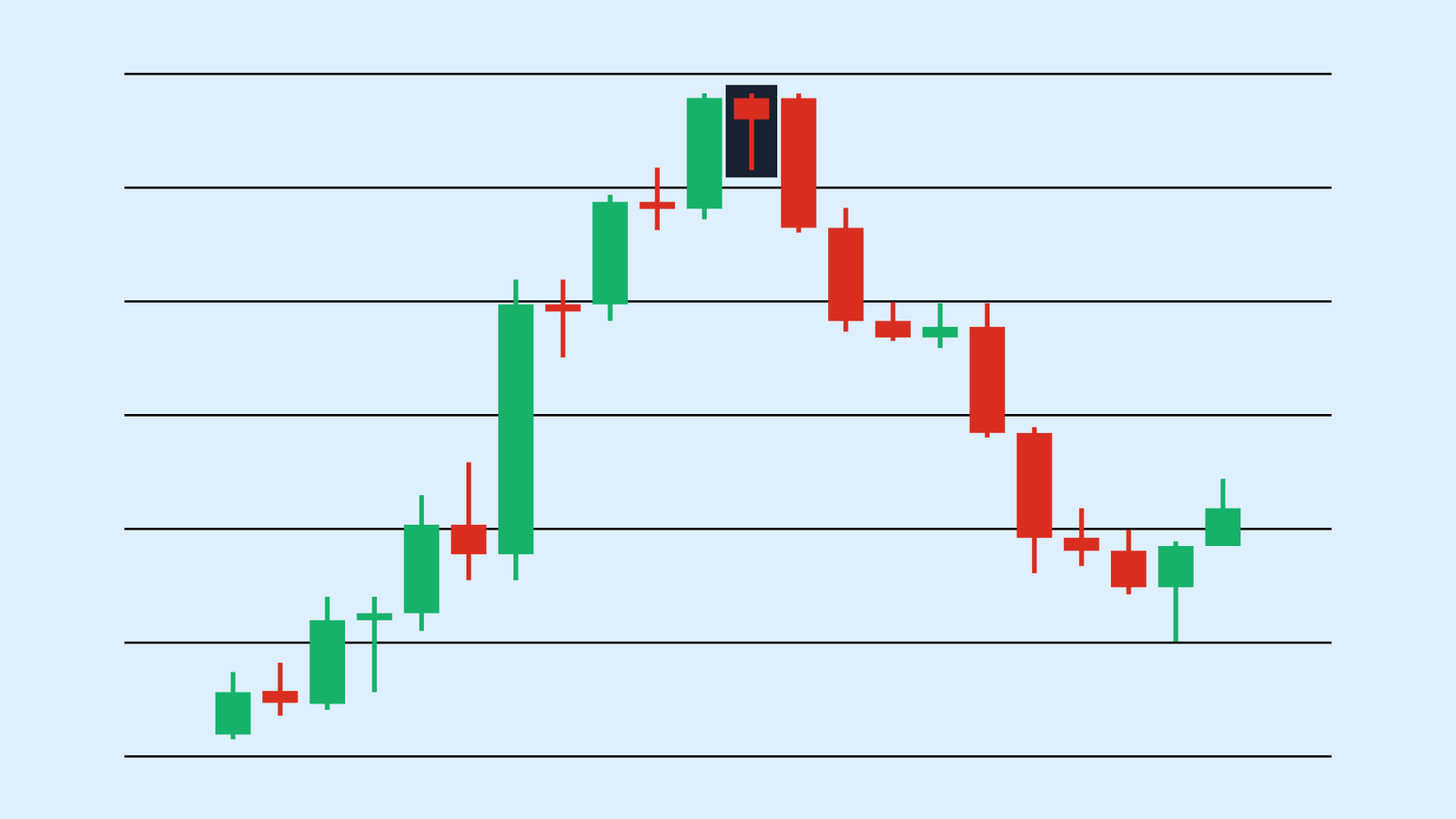
Trading Patterns reveal the market’s underlying structure by showing how buyers and sellers interact. Price action, as observed through candlestick patterns, support and resistance levels, and trendlines, uncovers high-probability setups and clarifies market dynamics. Recognizing these cues enhances the ability to spot breakouts, rejections, and entry points without the distraction of excessive indicators.
Skilled chart reading transforms raw data into actionable insights that refine exit strategies and manage risk more effectively. Focusing on market structure, swing highs, lows, and order flow empowers traders to navigate volatile environments with confidence. AquaFutures supports this approach through its funded accounts for futures trading, providing practical tools that enable traders to apply these insights directly in live markets.
Summary
- Price action is widely used: over 70% of traders rely on price action strategies for decision-making, which helps explain why experienced traders favor context-based reads over indicator overload.
- Treating price action as an empirical tool reduces common mistakes. One analysis found it can reduce trading errors by up to 50%, so checklists and strict execution discipline matter more than hunting for novel patterns.
- Mastery requires deliberate practice, for example, a practical routine of 20 chart reviews per week, two 30-minute post-session journals, and monthly edge audits to build repeatable muscle memory rather than random screen time.
- Thin edges evaporate without conservative testing, and price-action approaches can reduce trading costs by up to 30% due to minimal reliance on indicators, but spreads and slippage remain a concern. Regime shifts require stress testing with realistic transaction-cost models.
- Robust validation requires large, realistic samples, for example, replaying 100 price sequences and sampling hundreds to thousands of trades across session types, and one report links price-action use to a 30% increase in reported profitability when fills and drawdown rules are respected.
- This is where Aquafutures's funded futures-trading accounts fit in: they provide simulated capital and real payout rules, allowing traders to validate execution quality, slippage, and drawdown under the exact constraints that matter for scaling.
Understanding Price Action Trading
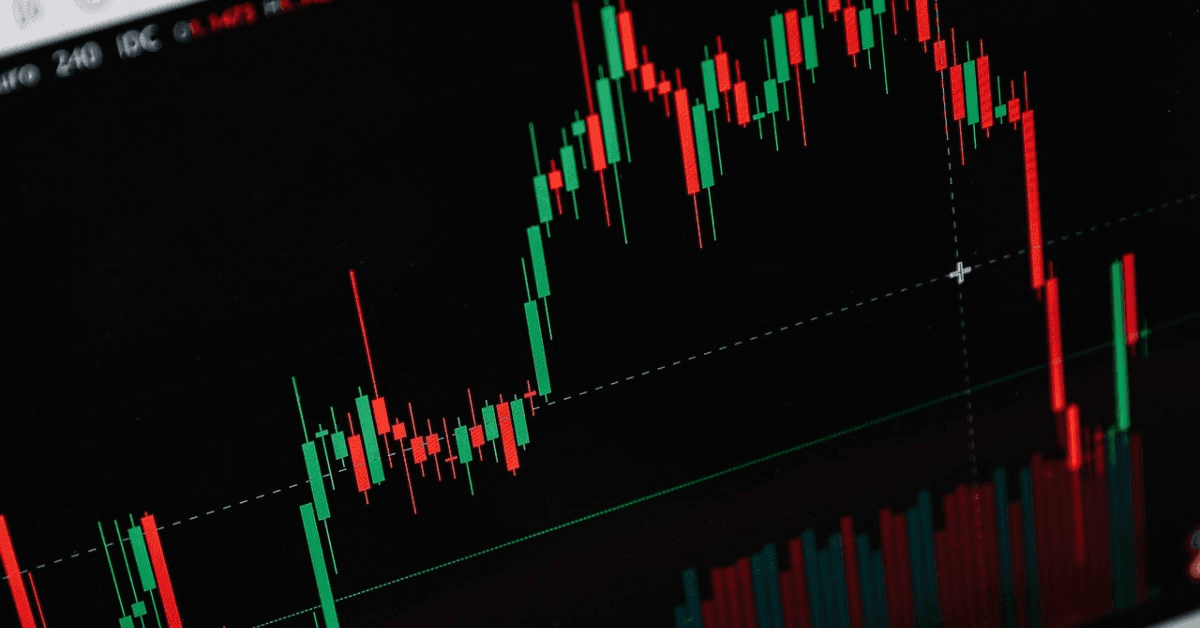
Price action trading is a practical, skill-first method for turning small, repeatable market moves into predictable income, not a toolbox of noisy indicators. When you apply it with strict entry rules, disciplined risk per trade, and a clear checklist, you achieve funded-account goals by focusing on consistency rather than cleverness. Our funded accounts for futures trading align perfectly with this disciplined approach, offering the support you need to thrive.
Key Benefits of Price Action
- It strips away clutter, providing laser focus. There are no conflicting signals from 20+ oscillators, just the direct market pulse.
- Its versatility shines across assets, whether it’s forex pairs like EUR/USD, S&P futures, or Bitcoin. You can scalp 1-minute charts or swing monthly trends.
- The adaptability fits any trading style. Day traders can identify intraday traps while investors confirm macro shifts. Studies, such as a 2022 paper in the Journal of Technical Analysis, show that naked strategies often outperform indicator-heavy ones in trending markets.
- It provides a psychological edge by building intuition for fear-greed cycles, fostering discipline over mechanical rules.
What are the drawbacks and risks of price action?
Subjectivity reigns. Two traders might interpret the same pin bar differently, which can introduce bias. Backtesting is tough without strict rules. It lacks built-in filters, so false breaks occur frequently (for example, 30-40% in ranging markets, according to Brooks' stats). Beginners often chase noise and ignore important context, such as news events. There is a steep learning curve that requires screen time. A 2023 tradeciety survey found that only 25% of novices are profitable after six months of practice.
What Essential Patterns Should You Master?
Here are essential patterns to master:
Trends Without Indicators: Draw lines that connect higher lows for uptrends or lower highs for downtrends. When these lines break, it signals a change; enter during pullbacks to the line. Candlestick Signals: Dojis show uncertainty at peaks, while hammers suggest that prices are bouncing back from lows. Engulfing patterns cover previous bars, indicating possible reversals with 60%+ hit rates in tested forex data. Chart Formations: Flags indicate trends are consolidating, suggesting the trend will continue, while head-and-shoulders patterns signal the end of rallies. Wyckoff Springs create false breakouts below support, trapping shorts and potentially leading to upward moves. Volume confirms: Sudden spikes during breakouts confirm price movements, while weak moves usually fade away.
How do you achieve steady profit targets?
Choose setups that follow specific, strict rules you can apply consistently. For example, look at defined pullback entries into a clear trend, retest breakouts with volume confirmation, and high-quality reversal bars at essential levels. Treat each setup as a procedure: define the exact bar, the confirmation candle, the stop placement, and the 1R-to-2R target. This method makes subjective readings into clear, measurable checks that you can evaluate and improve.
How do you reduce subjective interpretation?
This issue appears across day trading and crypto scalping, but the main problem is trading single-bar signals without context. Use a two-step filter: first, check the higher-timeframe structure and session bias; second, look for a confirming price action element within your trade timeframe, such as a volume spike, a clear rejection wick, or a follow-through candle. When you apply these filters, false breakouts decrease, and your advantages become consistent rather than based on feelings.
What kind of practice is needed for mastery?
Expect focused repetition. A practical routine includes 20 chart reviews per week, two 30-minute post-session journals, and monthly edge audits against your stats. This disciplined loop shortens the learning curve. Without it, screen time becomes random, and progress stalls. This pattern explains why many traders find price action difficult at first: subjectivity creeps in, false breakouts proliferate in choppy markets, and without structured drills, muscle memory never develops.
Why do experienced traders trust price action?
Experienced traders trust price action because it helps them understand what the market wants, rather than following unreliable signals. Traders with lots of experience support this method. For example, Tyler Corvin shares his "12 years of trading experience" (Tyler Corvin, 2023) and clearly prefers simple price setups over too many indicators. This regular exposure helps traders build reliable instincts. This preference is common; it shows why over 70% of traders use price action strategies to make their trading decisions (Colibri Trader, 2023). In short, experienced traders like methods that make decision-making easier and reduce excessive churn.
What typically breaks a price-action plan?
The usual failure mode is context loss: traders might execute a textbook pattern on the wrong tape or ignore session liquidity and relevant news. The solution is constraint-based: focus on only your best setups during the most liquid trading windows, size trades to maintain fixed risk per trade, and enforce a weekly maximum drawdown. These constraints help remove the temptation to overtrade, ensuring a more predictable path to funding.
How do you bootstrap growth effectively?
Most traders try to bootstrap growth on micro live accounts because it feels familiar. This approach works at first, but as rules meet real consequences, informal risk controls and slow capital growth create issues, making consistent scaling difficult. Platforms like Aquafutures provide instant funded accounts with simulated money that still pay real profits and enforce clear drawdown and payout rules. This setup allows traders to speed up their process, evaluate small, repeatable price-action setups against funding criteria, and maintain strict risk controls while aiming for weekly payouts. Think of price action as learning to read the ocean currents, not just the next wave. Mastery involves pattern recognition, contextual understanding, and disciplined timing rather than just guessing. The real reason this keeps traders up at night goes beyond simple trade mechanics.
Related Reading
- What Is a Funded Trading Account
- What Is SMT in Trading
- Intraday Trading Tips for Today
- Can Day Trading Be Profitable
- Trading Indicators
- Forex Trading Candlestick Patterns
- Intraday Algorithmic Trading
- Trading Candlestick Patterns
- Volatility Trading
Does Price Action Trading Work?
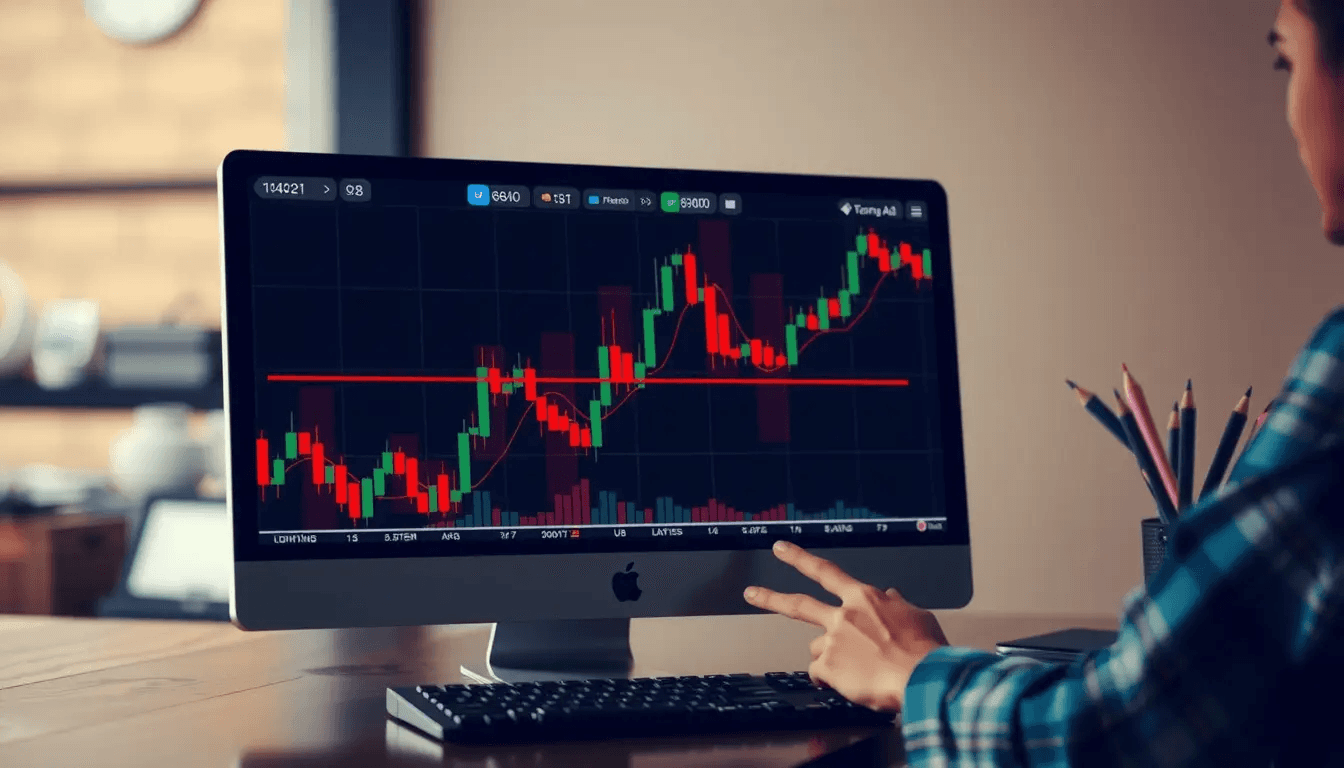
Price action works, but it should be treated as an empirical toolset rather than a set of tarot cards. Predictable, repeatable outcomes occur when setups are tested over time, realistic execution costs are considered, and confirmation bias is removed from the decision-making process.
How reliable is the evidence?
The practitioner literature and backtests show consistent advantages in certain areas, but the central claims warrant careful examination. According to Colibri Trader, 75% of traders who use price action strategies report improved trading performance. A 2023 survey of practitioners shows broad perceived benefits. However, perceived and actual advantages can differ when sample sizes are small or when survivor bias affects the dataset. It is crucial to view those percentages as directional rather than final. Always look for out-of-sample validation before using real money. Additionally, considering funded accounts for futures trading can provide better opportunities for testing strategies in real market conditions.
What Actually Changes Performance in Practice?
Some improvements come from more explicit decision rules. Others occur because fewer common mistakes occur. A 2023 analysis from Colibri Trader notes that price action trading can reduce trading errors by up to 50%. This finding aligns with our experience: using a simple checklist and adhering to strict execution rules often reduces the most common losses. As a result, the most significant gains might not come from finding a magical pattern, but from eliminating minor, repeatable human errors that reduce expectations.
Why Many Reputable Edges Evaporate?
Pattern recognition can be effective, but execution costs, slippage, and changing market conditions often erode small profits. Overfitting is usually the reason, not the market being unfair. When traders fine-tune many filters using only one historical period, the results may look good in the past, but they don't predict future outcomes. Microstructure becomes especially important because spreads widen during periods of low liquidity, stop hunts occur at specific levels, and automated counterflow can threaten expected gains. The way to fix this is to stress-test with careful slippage models and check across different instruments and trading sessions.
How do most traders validate their strategies?
Most traders begin with a familiar approach, which makes sense. They often check their ideas using slow demo accounts and spreadsheets because this method is easy and cheap. While this method helps generate ideas, it has hidden costs, such as slow iteration and misplaced confidence. This occurs when the actual execution under funding rules differs from the assumptions made in backtesting. Platforms like AquaFutures offer instant funded accounts for futures trading with simulated money and real profit payouts. This allows traders to compress iteration cycles and test their strategies under the specific conditions that are important for growing and getting weekly payouts.
How to prove a price-action edge you can trust?
Use time-based out-of-sample splits, then randomize entry timestamps to assess timing bias. Run your plan across at least two different market situations. Track your expectancy and the distribution of winning and losing streaks, and simulate realistic fills and fees. Think of it like stress-testing a bridge: load it from different angles, add wind, and only count the designs that keep their safety margin. If your edge falls apart under reasonable transaction-cost assumptions, it was never powerful.
What is the behavioural trap that erodes progress?
A consistent pattern emerges: traders spend four to eight weeks adjusting filters, only to stop testing when results vary. They return to the lab for further changes. This cycle leads to exhaustion and delays in meeting funding milestones, as work that appears useful often merely replicates prior results. To break this loop, traders should adhere to set validation periods, use a simple set of journal metrics, and create a rule requiring that any adjustment be rechecked under conditions similar to real trading.
What to look for on the chart?
It's important to know exactly what to look for on the chart, especially during critical moments.
How to Read Price Action

Reading price action well means looking beyond mere pattern spotting. You should determine who moved the price, where the money was concentrated, and how strong beliefs changed over short periods of bars. Traders need to learn to read candle relationships as signs of market intent. Then they can turn that information into rules for entering trades, sizing, and managing stops that can be tested repeatedly.
What small clues show that professionals are involved?
Look for quick, large candles that change direction near critical levels, followed by smaller candles that stay close together. This pattern often shows an institutional test followed by absorption. When a breakout breaks through a clear level and then shows tight, low-range bars that can't break free, that's a crucial sign: stops have been triggered, and professional money is working against inexperienced breakout orders. Treat wick length, the number of range changes, and where closures are compared to previous structures as helpful information, not just decoration. Think of it this way: footprints on a muddy road show where the group moved and where they stopped.
How do you read liquidity and stop clusters from price alone?
Price action leaves liquidity clusters at predictable levels, such as round numbers, past swing highs, and recent extremes. A quick wick through these areas that bounce back into range often indicates that the market is seeking predictable stops. Instead of guessing, create a visual checklist: mark clear clustering levels, note where price has historically exceeded those marks, and highlight pullbacks that test those zones with smaller ranges. This method changes a vague feeling of uncertainty into a clear set of rules.
Why do session structure and microstructure matter for entries?
Session overlaps affect available liquidity and slippage. This changes how a setup works. Traders should focus on the highest-probability windows for their instrument. They should maintain a conservative position size outside those windows and expect wider effective spreads during periods of lower volume. This problem is common for both intraday and swing traders. Many traders fail to use strict sampling and later wonder why their fills and results differ in live trading. When traders stick to a fixed validation plan, sampling hundreds to thousands of trades across various session types, execution surprises decline significantly.
What’s a practical way to stop delaying skill development?
The familiar approach is to trade live and adjust filters quickly because it feels immediate and action-oriented. That can work for a while, but the hidden cost is frequent losses and slow progress when you don't have large-sample validation. Platforms like funded futures trading accounts provide simulated capital under real payout rules. This allows traders to accelerate testing, test setups within funding limits, and assess execution quality before risking slow, costly live scaling.
How should you manage a trade once the price shows the structure has shifted?
To manage a trade well as prices change, go beyond set rules. Use a staged response: begin with a tight size that fits your defined risk. Once the price moves steadily, increase your position a bit at the first target. Then apply a trailing rule based on recent swing structure rather than a fixed indicator value. If the price shows a lower high after your entry and volume rises during that pullback, reduce your position size immediately and tighten your stops to protect your capital. This method lets you adapt and turn price-action readings into quick decisions that help protect your expectations.
How do you journal to accelerate reliable pattern recognition?
To enhance reliable pattern recognition, track a small set of high-value metrics after each trade. Focus on essential details, such as the higher timeframe bias; the quality of execution, including slippage compared to what you expected; the type of trigger; the outcome; and the length of runs for wins or losses after the trade. Conduct a monthly audit using a simple pass/fail check to see if the rules were followed. Also, run a separate check to confirm that the fills match the backtest assumptions. Traders who skip careful logging often feel stuck. In contrast, those who keep short, honest records can shorten their learning curve and avoid repeating the same mistakes.
What practical checkpoints should you note for study pacing?
For study pacing, note this practical checkpoint. It's essential to understand how standard this method is. According to a Reddit user comment, "50% of traders rely on price action strategies for decision making. This indicates that many active traders relied on price movements as their primary decision-making tool that year.
What Concrete Practice Drills Can You Use This Week?
Here are some concrete practice drills you can use this week:
- Replay 100 price sequences from your instrument. Mark where wicks pierced logical levels, and whether the price closed back inside within three bars. Then, calculate the success rate if you had followed the setup.
- Randomize entry timestamps from a week of sessions to test timing bias, tracking slippage, and realized R.
- Perform a simple robustness check by requiring two independent confirmations on the same setup across different session types before increasing the size.
What is a practical analogy for reading price action?
A short, practical analogy is that reading price action is like listening to a crowded room rather than focusing on a single voice. The loudest bumps are easy to notice, but the pattern of whispers around them shows who is really shaping the conversation.
How can AquaFutures benefit traders?
AquaFutures provides traders with quick, affordable access to funded futures accounts. This access includes instant options, straightforward rules, and real payouts to accelerate validation under real-world constraints. If you want to avoid slow bootstrapping or grow successful, repeatable setups, AquaFutures' programs reward disciplined performance and enforce precise drawdown controls.
What is one execution detail that can break good plans?
This solution may seem neat until you face the execution detail that often ruins most good plans.
Related Reading
- Basic Trading Strategy
- Spot Algorithmic Trading
- Forex Trading Profit Per Day
- Crypto Trading Bot Strategies
- Best Forex Trading Bots
- Fair Value Gap Trading Strategy
- Best Leading Indicators for Day Trading
- Best Indicators for Swing Trading
- Best Charting Software for Day Trading
- Best Indicators for Options Trading
How to Enter Trades Using Price Action

Entries are a way to follow through with your plan, not just a wish. You lock in risk and test your strategy the moment you place an order. So, be sure to set an apparent trigger, order type, size, and backup plan in advance. Then act only when market conditions align with that plan.
Which order types and placements achieve the best fills?
Limit orders are most effective when liquidity is sufficient, as they reduce slippage and help you control where you take on risk. Use limit or post-only orders at the clear edge of a level when spreads are normal. Save market or aggressively priced limits for fast-moving situations where not getting in costs you more than just a few ticks. Our funded accounts for futures trading help you manage your risk more effectively. Monitor fill quality by session, and choose the entry that frequently fills at or inside your expected slippage range, not the best-looking chart that seldom fills.
How should I size and stagger entries to protect expectancy?
To protect expectancy, sizing and staggering entries are very important. If the goal is steady, funded account growth, risk must be fixed for each trade, and entries should be divided to match market liquidity. One straightforward way to do this is to commit a base position at the level, then add a smaller amount if the price comes back favorably. It's also smart to keep a tiny reserve for scaling on clear follow-through. Using ATR multiples to set stops ensures the first visible trap does not eat into the account. This careful staggering often leads to a higher realized win rate while keeping maximum drawdown within acceptable funding limits.
How do you avoid the classic stop-hunt and bad fills?
To avoid the classic stop-hunt and bad fills, traders must be aware of common problems. This issue affects both intraday and swing traders. Jumping at the first extremity without watching for subsequent range compression can lead to stop hunts. It's essential to wait for a clean retest that stays within the level, or for a follow-through candle that closes beyond the trigger, with volume or order-flow confirmation. If a wick goes through a cluster of stops and then quickly shows low-range bars, treat that as a probe. Avoid entering until the price shows absorption, as outlined in this guide.
What micro cues should change how you enter?
Analyze the size and speed of recent bars, not just their shape. Rapid, large-range candles entering a zone, followed by small, choppy bars, usually indicate that someone has absorbed liquidity. This suggests that traders should consider entering only on a retest, rather than during the chop. It's essential to see whether the next candle closes beyond the initiation bar, and to prefer entries that align with improving volume or a clear order-book skew. Think of it like merging onto a highway: you do not force lane changes into a crowded gap; instead, you time the merge to match where space opens up.
How should you measure and improve entry performance?
To effectively measure and improve entry performance, maintain a compact execution ledger that includes details such as trigger type, order type, expected slippage, realized slippage, session, and outcome. Conduct weekly audits to find consistent mistakes and figure out which entry types do not work well in certain session conditions. A single bad habit, like habitually using market orders during low-volume windows, will quickly show up in these metrics, creating a clear rule to stop.
Why Attention to Entry Details Actually Moves Your P&L?
Why paying attention to entry details really affects your P&L is clear: small changes in how you do things can add up over time. This is not just a guess; it is data you can measure. Precise and well-executed entries can turn slight advantages into trading opportunities. When entries are consistent and repeatable, results improve significantly.
What is the role of entry timing in trading?
Entry timing is about practice, not just inspiration. Traders should practice the same setup until they can execute consistently and meet fill-quality standards. Only then should they consider increasing their size, provided the metrics remain stable. Imagine each entry as threading a needle while traffic is moving: if you hesitate, you’ll miss the seam; if you rush, you might tear the fabric.
What hidden execution variables can affect my trades?
Training may prepare traders well, but unexpected execution variables can arise in real market conditions.
How to Exit Trades Using Price Action

Exit decisions must be turned into rules that everyone can follow clearly. Define the exact order of price-action events that will lead to a partial or complete exit, and treat that order as fixed. By making exits systematic, you reduce uncertainty and begin to protect both capital and composure, for those seeking stability in their trading journey, funded futures accounts can provide a solid foundation.
How should I size and stage my scale-outs?
Think of scale-outs as a choreography, not just something to do later. Choose fixed percentages for each part; for instance, 40/35/25. Connect each part to a concrete price action trigger. This could be a confirmed failure to move forward after a retest, or an apparent change in bar structure on the trade timeframe. Use resting limit orders at those planned levels to ensure execution. If the market fills the first part right away, accept it and move on. Don’t look for a slightly better price, as this can hurt your discipline.
When do I move my stop, and how tight should it be?
Start with a stop that matches your measured risk budget. Move it in stages when the price indicates further action is needed. A practical approach includes an initial stop for full risk, adjusting the first stop to breakeven plus a small buffer after the first leg fills, and trailing the stop to the last clear swing point once the second target is achieved. For aggressive exits, use a price-action trailing rule. For example, move the stop just beyond the most recent opposite-side high or low when you see two consecutive lower-range bars against your position. For passive exits, keep the trail wider and shift it only after a confirmed structural rotation.
How can higher timeframes help you exit with conviction?
Longer timeframes can improve exit strategies by filtering exit signals. When the trade timeframe shows a bearish trend but the higher timeframe still has clean trending candles in your favor, consider the exit as a way to reduce the size of your position instead of a complete exit. On the other hand, if the higher timeframe shows its first reversal structure that matches the trade-timeframe rejection, it is time to go for a complete exit. This is because momentum decay is now confirmed across different timeframes. Following this rule helps reduce whipsaw losses and gives clear reasons for deciding between partial and total exits.
What order types and execution rules prevent avoidable slippage?
Understanding which order types and execution rules can help prevent avoidable slippage is fundamental. Exits made in panic often result in the worst fills. It is essential to plan three exit routes before entering a trade: set a limit exit at your target, use a stop market for immediate risk control, and create a standing OCO for automated execution if your platform allows it. If a structural shift needs a quick exit, accept a market exit. However, if you have time and sufficient liquidity, use limit orders layered at your scale-out points. Additionally, tracking fill quality by session and instrument is crucial. Larger order sizes should be limited to sessions that consistently provide acceptable fills. For those interested in funded accounts for futures trading, our offerings can enhance your trading strategies.
Why do traders keep waiting for certainty, and how do you stop it?
Traders often experience decision paralysis when they first see market volatility. This can cause them to miss chances to scale up and lead to bigger losses. During an eight-week coaching program for applicants for funded accounts, we observed this pattern repeatedly. To help overcome this hesitation, use a two-step rule: set one goal that makes you want to take profits, and look for one sign from a higher time frame that tells you to close your position. This simple two-part method not only reduces emotional stress but also shifts your focus to execution quality rather than hoping for the best.
How do I measure and improve exit performance?
To measure and improve exit performance, keep a short and focused log after every trade. Write down details such as the exit reason code, planned exit price, actual exit price, realized slippage in ticks, the percent of the position you closed, session type, and an emotion rating (like calm, rushed, or uncertain). Then, run a weekly heatmap of exit reasons and slippage by session. If a specific exit type yields the poorest fills, focus on it, replay 100 instances, and refine the rule. This audit turns vague regret into focused practice, improving repeatability in trading.
How should I treat time and volatility when exits conflict?
When considering time and volatility during conflicting exits, constraint-based thinking proves helpful. If you are trading an instrument that widens spreads during specific sessions, use a wider-staged stop and prefer earlier scale-outs during those sessions. On the other hand, when volatility collapses, it is better to shorten your time to exit, because minor reversals can quickly reduce your profits. This strategy keeps your exit speed aligned with market speed rather than relying on a strict, one-size-fits-all rule.
What should the exit checklist include?
The exit checklist should be clear and brief. It needs to include context, especially the long-term trend, planned scale percentages with exact prices, and stop rules based on specific bar-based guidelines. It should also explain the order types to use for different situations and the fields needed for the post-exit audit. It's essential to complete the checklist before hitting the entry button; if the checklist isn't finished, do not trade.
What trade-off do few consider about exit rules?
While it may seem that this solves the problem, the following section reveals a trade-off that few consider. This trade-off can significantly affect your sizing decisions when your exit rules are working perfectly.
Unlock up to 50% off Your First Funded Account for Futures Trading
Most traders test price-action setups on slow demo accounts while they wait for money. This method can quietly lengthen the validation process, obscure real trades, and slow the shift from repeatable entries and exits to dependable weekly profits. To check execution and scale under the exact conditions that are important for funded trading accounts, think about AquaFutures. The platform provides instant or evaluation-funded accounts with simulated capital and real profit payouts, precise drawdown controls, quick support, and capital options that scale up to $450,000. Also, AquaFutures offers promotions like up to 50% off your first funded account, surprise BOGO deals, and weekly bonuses.
Related Reading
- Fibonacci Trading Strategy
- Best Prop Trading Firms
- ORB Trading Strategy
- Crypto Swing Trading Strategy
- Best Copy Trading Platform
- Best Proprietary Trading Firms for Beginners
- Best Stocks for Options Trading
- Silver Bullet Trading Strategy
- Order Block Trading Strategy
- The Strat Trading Strategy
- Supply and Demand Trading Strategy
- Profitable Gold Trading Strategy
- Higher High Lower Low Trading Strategy
