



AquaFutures Instant Funding Rules Explained For Beginners
Instant Funding Rules by AquaFutures offer clear guidelines on risk, profit splits, and position sizing, so you can confidently trade live with real capital.

Experienced traders can access real capital without risking their personal funds through funding programs that back proven strategies. Many wonder, 'What is a funded account?' This model pairs skilled traders with firm capital under clear rules that emphasize performance over lengthy evaluations.
Instant funding frameworks eliminate time-consuming evaluations, enabling traders to concentrate on executing effective strategies in live markets. Detailed guidelines on position limits, drawdowns, and profit targets ensure that accounts remain compliant and robust. AquaFutures supports traders with straightforward criteria and reliable capital by providing funded accounts for futures trading.
Summary
- Instant funding eliminates the evaluation phases that traditional prop firms require, giving traders immediate access to capital after paying an upfront fee. The model trades evaluation pressure for ongoing compliance pressure, where you're bound by strict risk management rules from day one. Most breaches happen during high-impact news releases or through overtrading during drawdown periods, with the same pattern repeating: one legitimate loss followed by reactive trading that compounds the damage and terminates the account.
- Upfront fees for instant funding accounts are typically two to three times higher than traditional evaluation entries: a $50,000 instant account costs $500 to $1,000, compared with $150 to $300 for a challenge of the same size. The premium buys speed and eliminates testing phases, but the cost multiplies quickly if you breach early. A 16-year-old trader on a prop forum described losing three to four instant accounts despite passing traditional challenges easily, with each breach requiring another upfront fee and psychological reset.
- Payout eligibility requires demonstrating balance across multiple dimensions, not just hitting profit targets. Your largest winning day can't exceed 20% of total cycle profits, your biggest losing trade can't surpass your largest winning trade, and you need at least seven profitable days with minimum daily gains ranging from $75 to $200, depending on account size. These consistency filters eliminate luck-based withdrawals and require traders to demonstrate that their edge holds up under varying market conditions.
- The trailing drawdown mechanism follows peak equity but locks permanently at the starting balance plus $100 after your first withdrawal. Before that point, every new high-water mark raises the floor beneath you, which tightens your margin for error as you gain. A $2,000 winner followed by a $1,500 loser leaves you higher in equity but closer to your trailing limit than before the winning trade, requiring continuous tracking of both current balance and drawdown distance.
- Most traders who breach instant funding accounts fail on psychological discipline rather than technical skill. The absence of evaluation phases means you're trading with firm capital immediately, where every decision carries weight from the start. This model assumes competence from day one and offers no safety net or practice rounds, making it unforgiving for traders still refining their approach or learning to manage the mental pressure of live performance.
- AquaFutures-funded futures trading accounts skip the lengthy evaluation process by providing immediate capital access under clear risk parameters, allowing traders who've already proven their edge to start earning from day one without artificial profit targets or timed challenges.
What Is Instant Funding, and How Does It Work?

Instant funding gives you immediate access to trading money without needing to go through evaluation phases. After you pay the upfront fee, you will receive your login information within minutes to hours. This lets you start trading in live markets under the firm's rules right from day one. There is no waiting time or profit goals required to get the funding; it's just you, the money, and a set of risk-management boundaries you need to follow.
If you're interested in enhancing your trading journey, explore funded accounts for futures trading to see how they can benefit you.
The process starts by selecting an account size, typically ranging from $10,000 to $200,000 or more, depending on the firm. After your payment and basic verification are done, you will access a trading platform like MetaTrader 4, MetaTrader 5, or cTrader. The firm provides simulated money that behaves like real money in live market situations. You can trade futures, forex, indices, commodities, or crypto, depending on the firm's policies. Your performance will determine whether you keep the account and receive payouts.
From the moment you log in, you must adhere to specific risk management rules. Important rules include maximum drawdown limits, which cap how much you can lose before the account closes. Some firms use static drawdown (a fixed percentage from your starting balance), while others use trailing drawdown (a limit that changes with your highest balance). There may be additional restrictions, such as limits on trading during important news events, bans on certain strategies (e.g., martingale or hedging across accounts), and rules on minimum or maximum position sizes.
What happens if you break the funding rules?
These rules aren't just suggestions; they are very important. If you break one, your account could be closed, often without warning or a refund.
The strictness of enforcement varies by firm, but the pattern is the same: instant-funding trades are evaluated for pressure, and ongoing compliance pressure follows. Now, you are not just showing that you can meet a profit target; you are showing that you can manage risk consistently while still being profitable enough to justify payouts.
What are the profit split terms?
Profit splits typically favor the trader, with the trader receiving 80%-90% of net gains, while the firm retains the rest. Payouts become available after meeting certain requirements, like a minimum trading period, often between 7 and 14 days for the first withdrawal, or showing consistency across multiple trades. Some firms allow traders to withdraw funds at any time, while others process payouts weekly or biweekly. As accounts perform well, they can grow, enabling larger capital allocations over time.
What distinguishes instant funding from traditional methods?
Speed matters. Traditional prop firms require passing one or two evaluation phases, each with strict profit targets and drawdown limits. If you fail, you must restart or pay again. That process can take weeks or months, depending on how often you trade and how much risk you can handle. Instant funding skips all of that. If you're confident in your strategy and risk management, you can start generating profits immediately.
Experienced traders who have proven themselves in other situations often find evaluations unnecessary. They know their advantage, have tested their system, and do not want to waste time hitting arbitrary targets in a simulated environment. Instant funding allows them to apply their skills directly in live markets without the artificial limits of a challenge phase.
This model also removes the psychological pressure of evaluating targets. You are not rushing to hit an 8% profit in 30 days while keeping drawdown under 5%. Instead, you're just trading within the rules, focusing on consistency rather than short-term performance goals. For some, this change reduces stress and allows for more disciplined execution.
What are the costs associated with instant funding?
Upfront fees for instant funding accounts are usually higher than evaluation entries. For example, a $50,000 instant funding account might cost $500 to $1,000, while a traditional challenge of the same size only costs $150 to $300.
You're paying for speed and no testing phases; however, that extra cost can build up if you break the account early.
What psychological challenges might arise?
Breaching is common in trading environments. The same rules that remove evaluation pressure also create ongoing risk. A 16-year-old trader on a proprietary trading forum reported losing three to four instant-funding accounts, even though he had easily passed traditional challenges. The pattern stayed the same: he had strong technical skills, but the pressure of live trading from day one was too much for his discipline.
Each breach led to another upfront fee, another reset, and more financial strain. Ultimately, the trader returned to evaluation models to rebuild his confidence and work on his mindset, recognizing that overcoming a challenge and maintaining an instant-funding account require different psychological approaches.
How do firms structure their funding rules?
Firms carefully create these rules, leading many traders to believe the restrictions benefit the house more than the traders. Tight drawdown limits, bans on certain strategies, and fast account terminations lead to many traders losing their accounts early. This way of making money for the firm usually happens without much cost. Not all programs are the same, as some have hidden limits on how much you can grow, slow payout processes, even when they promise quick payments, or unclear terms that make it tougher to withdraw profits consistently.
Traders who stay disciplined, have solid strategies, and manage risk well often do better.
If traders consistently pass evaluations with ample room and rarely hit drawdown limits, and truly understand their advantage, instant funding can significantly accelerate their process.
This means they aren’t wasting time on challenges when they could be making money.
Traders who struggle with evaluation pressure but perform well in real trading may also benefit.
Some people perform better without strict profit targets and prefer the open-ended nature of ongoing trading within clear limits.
Not having a ticking clock or a set percentage goal can lower stress and help them make better choices.
What challenges do beginners face with instant funding?
Beginners often struggle with instant funding. This approach does not allow for the gradual skill-building that evaluation phases provide.
Instead, traders are thrown into live performance right away, without a safety net or practice rounds. If their trading strategy is poorly developed or their risk management is weak, they may fail quickly and lose their investment. The model assumes skill from the start, making it unforgiving for those still learning.
How do program differences affect traders?
Not all instant funding programs work the same way. Some firms offer high leverage, up to 1:100. This increases buying power but also raises risk. Others limit leverage to protect both the trader and the firm.
Asset availability also varies: some firms focus solely on forex, while others offer futures, indices, commodities, and cryptocurrencies, providing greater flexibility in strategy and market exposure.
Payout reliability is where firms stand out the most. Some companies process withdrawals within 24 hours, while others might take weeks or have vague conditions that delay access to earnings. According to ForTraders, new customers can access 20% off on instant funding accounts.
This lowers the barrier to entry but doesn't answer the key question of whether the firm will ensure consistent payouts. Reviews and trader testimonials are very important here. Look for firms with transparent payout histories and clear terms, rather than just attractive discounts or marketing promises.
Scaling policies also vary widely across firms. Some automatically increase capital allocation after reaching certain milestones, such as three consecutive profitable months or a specific total profit. Others require manual scaling requests, which can slow growth. The best programs make scaling easy and reward consistent performance without making traders jump through extra hoops.
What should you consider before signing up?
Most prop firms operate in a gray area where trust is earned slowly. The industry has mixed reviews: some traders praise certain firms for reliable payouts and fair rules, while others report issues such as sudden account closures, withheld profits, or changes to terms without notice.
Researching a firm's reputation before committing your money is essential. This diligence helps avoid wasting time and money on a program that won't deliver. Understanding the rules and choosing a firm is only half the equation. What you receive upon sign-up will determine whether instant funding works for you.
Related Reading
- What Is a Funded Account
- Does Ftmo Offer Instant Funding
- How to Get a Funded Trading Account
- No Challenge Prop Firm
- Funding Traders Rules
- What Is a Prop Firm Account
- Synthetic Funded Account
- What is a Funded Firm
- One Step Prop Firm Challenge
- Trading Challenges
- Prop Firm Ip Address Rule
- Halal Prop Firms
- Top 10 Prop Firms 2025
- Australia Prop Firm
- Cheapest Futures Prop Firm
- No Activation Fee Prop Firm
- Prop Firms In Usa
- Prop Firms That Allow Trade Copiers
- Best Prop Trading Firms
- Forex Prop Firms With Instant Funding
- Best Prop Firms For Forex
- Best Prop Firm To Start
- Best Instant Funded Prop Firm
- Best Prop Firms in UAE
What Does the AquaFutures Instant Funding Accounts Offer?
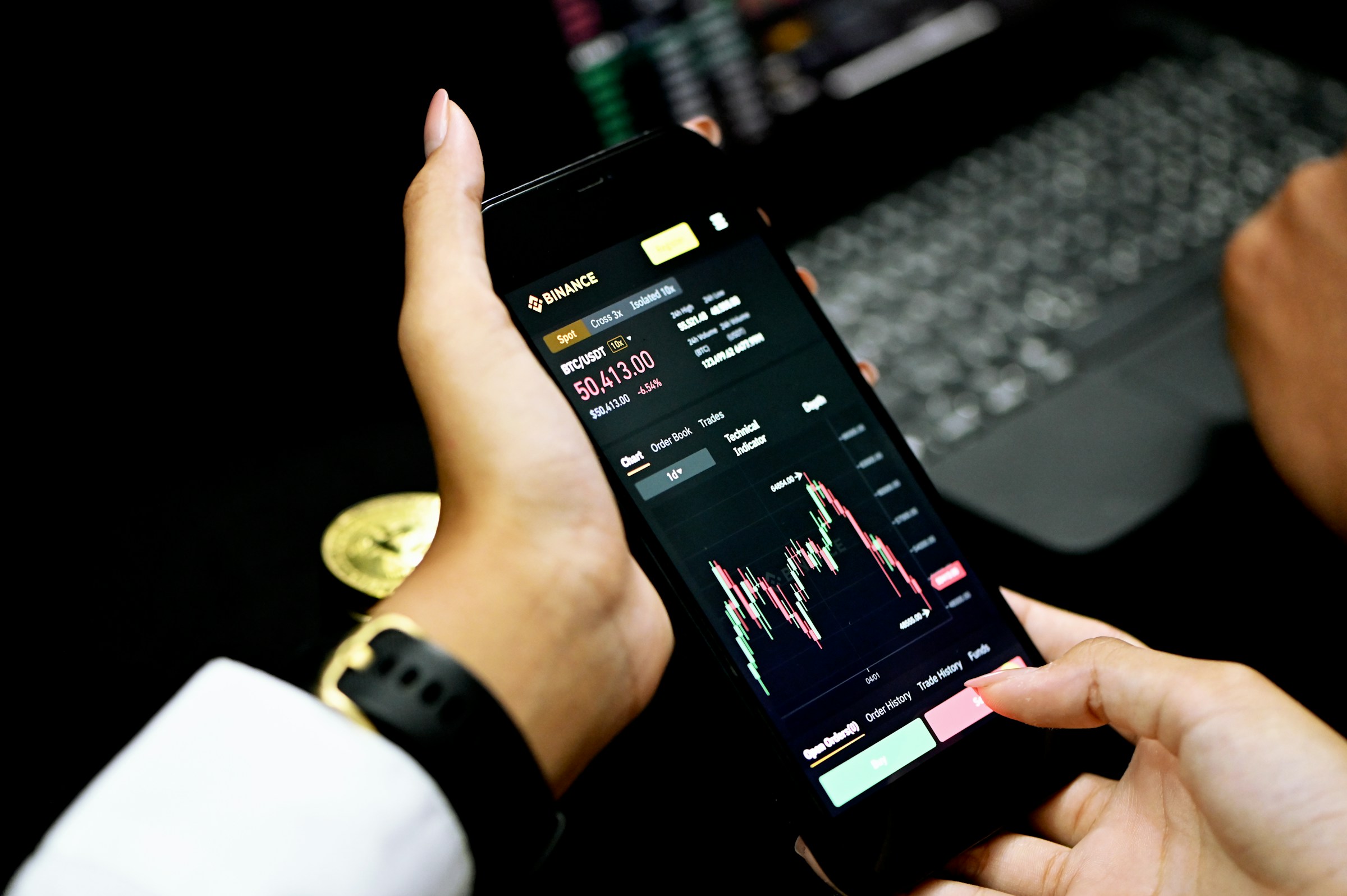
AquaFutures Instant Funding Accounts give you quick access to fake money for futures trading without having to complete any evaluation phase. Traders pick their account size, pay the entry fee, and can begin trading the same day with clear risk rules.
The main focus is disciplined execution rather than proving yourself through timed challenges. For those interested in day trading, our funded accounts for futures trading can provide the flexibility you need.
This model appeals to traders who already know what makes their strategy strong and don’t want to spend weeks chasing illusory profit targets. From your first login, you are trading in live markets. This setup means your strategy needs to work in real conditions; there is no practice round.
What account sizes are available?
Traders can choose between $25,000, $50,000, or $100,000 in starting capital. Each tier includes proportional drawdown limits and position sizing rules. The smaller accounts are designed for traders who are testing the platform or using stricter strategies.
In contrast, the larger accounts unlock scaling features that allow for bigger position sizes as equity grows. This expansion is important for those aiming to compound gains over time.
What are the benefits of the $100,000 account?
The $100,000 account offers the most room to grow. According to AquaFutures, their instant funding program supports over 51,000 traders. This indicates both high demand and the firm's ability to handle substantial trading volume. Such a scale is important when checking if a firm can pay out reliably and keep running without sudden changes in policy.
How does the profit split work?
You keep 100% of the first $15,000 you earn, which is rare in this industry. After you reach that amount, the split changes; however, this initial setup rewards you for early success without the firm taking a cut. This way, you can be sure that your first payment will actually go to your account and won't be reduced by profit-sharing rules.
AquaFutures Instant Funding Accounts give you a 100% profit split on your initial earnings, which changes the math for traders who can make consistent small profits. You’re not building someone else’s money first; you start earning right away. This fast start improves the return on your initial investment if you follow the rules.
What is the trailing drawdown mechanism?
The trailing drawdown mechanism tracks your highest equity and sets a limit at your starting balance plus $100 once you reach that level. After your first payout, this limit stays the same. You won't risk losing the account if a drawdown falls below your original capital, giving you some breathing room for trading.
How does the structure encourage progress?
This structure rewards progress. The main problem often happens in the first few weeks when people are still getting used to the firm's platform and risk rules. Once they demonstrate consistency and start generating profits, the account becomes more forgiving. This change is important psychologically: people are not always worried that a single bad trade will take away their access.
What are the dynamic position sizing features?
Larger accounts unlock dynamic position sizing based on realized profits. When certain equity levels are reached, the maximum contract limits increase the next day. This process is not manual scaling, where you have to request approval and wait; it works automatically. As a result, growth depends entirely on performance, eliminating administrative delays.
The $50,000 and $100,000 accounts benefit the most from this feature. If traders use a strategy that compounds well, the ability to add contracts as the balance increases significantly accelerates profit potential.
This growth does not require opening more accounts or changing terms. The system assumes skill and rewards it.
What criteria are needed for withdrawals?
Withdrawals require meeting specific criteria. These include minimum winning days, daily profit limits, and consistency rules to prevent a single large trade from unduly affecting results.
Traders need at least seven winning days, with minimum profits ranging from $75 to $200, depending on account size. Also, your largest profitable day cannot be more than 20% of your total profits, and no single losing trade can be larger than your biggest winning trade.
How do these rules enforce disciplined execution?
These rules enforce disciplined execution in trading. Individuals can't just gamble their way to a payout with one big win. The firm wants to evaluate repeatable skill, meaning a trader's edge must demonstrate consistent performance across multiple sessions rather than in a single session. This requirement sets a higher standard than traditional challenges, in which reaching a profit target usually qualifies a trader for funding.
What assumptions underlie the instant funding model?
The structure assumes that traders are already skilled. There is no slow introduction or practice phase where mistakes do not matter. Instead, traders start trading with real money immediately, so every decision matters from the start. If risk management is not strict or if strategies are not tested carefully, traders will fail quickly.
Who benefits most from this trading model?
Most traders who've passed traditional evaluations multiple times find this model faster and less frustrating. You're not proving yourself repeatedly. You're just trading within limits that protect both you and the firm. However, traders still refining their approach often struggle. The lack of a safety net means mistakes cost real money, not just time. For those looking to enhance their trading experience, funded accounts for futures trading can offer a supportive financial environment.
What is the difference between traditional evaluation models?
Most prop firms use evaluation models that require traders to complete certain steps before they can access capital. Traders need to pay for a challenge, meet profit targets, avoid drawdown limits, and wait for approval.
This process can take weeks or even months, depending on how often they trade and their risk tolerance. Some traders pass easily, while others might have to reset multiple times, paying entry fees each time.
Instant funding removes this hassle. Solutions such as AquaFutures-funded futures trading accounts let traders skip evaluations entirely and start trading immediately under clear risk rules. Although the upfront cost is higher, the timeline shrinks from weeks to just a few hours. For those who are confident in their strategy and can manage drawdowns well, this option accelerates access to capital without the stress of timed challenges.
What ongoing responsibilities come with instant funding?
The tradeoff is ongoing compliance. You're no longer racing to hit a target; instead, you're managing risk every single day. One breach can lead to account closure, and that pressure is constant. This model is best for traders who have already learned disciplined execution.
Understanding what you receive is just the beginning. The rules for maintaining access will determine whether this opportunity becomes sustained income or just another expensive lesson.
Related Reading
- Best Funded Prop Firms
- Prop Firms That Use TradingView
- 1 Phase Prop Firm
- No Consistency Rule Prop Firm
- Prop Firms That Use Tradelocker
- Prop Firm Comparison
- How Do Prop Firms Work
- Regulated Prop Firms
- Prop Challenge
- The Cheapest Prop Firm
- Trading With Borrowed Capital
- Top Tradig Prop Firms
- Top Prop Company
- US-based Prop Firms
- Top 10 Prop Firms In The World
- Forex Prop Firms In The Us
- Best Prop Firm Forex
Key Rules and Risk Limits of AquaFutures Instant Funding Models
The boundaries aren't random. Every rule in the instant funding structure has two main jobs: protecting the firm's capital and ensuring you maintain the discipline required for long-term success. Maximum drawdown thresholds, daily loss caps, position sizing limits, and consistency requirements form a framework that can either highlight your strengths or reveal weaknesses you may not have known about.
These rules greatly influence how you handle each trade. You're not just looking at the profit and loss anymore; you're also tracking compliance. This means your strategy must operate within tighter margins than most retail traders typically face.
Maximum Drawdown Mechanics
The trailing drawdown starts with your initial balance and goes up with your equity as you earn. For example, if you reach $26,000 with a $25,000 account, the threshold moves to $26,100. This tracking keeps going until you reach your starting balance plus $100.
At that point, it locks permanently. Once you take out profits for the first time, that locked level becomes your floor for the life of the account.
This structure rewards momentum. The first few winning trades give you more room to operate, allowing some breathing space for expected pullbacks.
On the other hand, early losses shrink your margin for error right away. If you drop $1,000 on day one, you're already trading with a tighter leash than someone who starts off making a profit.
The permanent lock after the first payout changes the psychological game. Traders no longer worry about a single bad week taking away their access.
This change is important when holding through temporary drawdowns or managing positions over multiple sessions. The account becomes more forgiving once you demonstrate you can handle it, much like professional capital allocation works.
Daily Loss Ceilings
Each trading day, there is a hard stop at 2.5% of your account balance. For a $50,000 account, this means $1,250. If this limit is exceeded, the account will be closed without the opportunity to appeal. This rule restarts at the beginning of each session, using the previous day's closing balance. This means that your allowable loss changes with your equity.
The constraint requires intraday discipline. Traders cannot aggressively average down a losing position while hoping for a reversal. Additionally, they cannot hold positions through volatile news events with wide stops. Each trade must fit within a risk budget that accounts for the possibility of multiple losses in a single session.
Traders who rely on high-frequency scalping or wide stop strategies often face challenges; this is not due to a flawed approach, but rather the daily cap's inability to accommodate their natural risk profile.
Position Sizing Boundaries
Contract limits scale with account size while remaining conservative compared to retail margin requirements. For example, a $25,000 account is limited to one mini contract or ten micro contracts. A $100,000 account starts with two mini contracts and can grow to six as equity increases. These limits are designed to prevent outsized bets that could violate drawdown rules in a single trade.
The restrictions feel tight if you are used to retail leverage. You cannot take on a big position based on strong beliefs as you could with your own money.
Each position must fit within your total allowable risk, so you need to prioritize. You are no longer trading every signal; instead, you are selecting setups with the highest probability of success within your size limits.
Scaling Triggers and Equity Thresholds
Larger accounts unlock automatic position size increases tied to profit milestones. On a $100,000 account, if you reach $4,000 in total gains, your maximum number of contracts will increase the next trading day. This process continues at specific intervals, rewarding steady growth with increased trading capacity.
Consistency Filters on Payouts
Withdrawals require demonstrating balance across multiple dimensions. Your largest winning day can't exceed 20% of your total cycle profits. Your biggest losing trade can't surpass your largest winning trade. You need at least seven profitable days with minimum daily gains ranging from $75 to $200, depending on account size.
These filters eliminate luck-based payouts. You can't hit one massive winner, meet the profit threshold, and withdraw. The firm wants proof that your edge works repeatedly, not once. That standard is higher than most evaluation models, where hitting a target in any manner qualifies you for funding.
The largest-loss-versus-largest-win rule is particularly revealing. It forces you to manage losing trades as tightly as you capture winning trades. Traders who let losers run while cutting winners short breach this condition even if they're net profitable. The rule exposes poor risk-management habits that may work occasionally but fail under scrutiny.
Minimum profitable days with daily thresholds require consistent activity. You can't trade twice, get lucky, and withdraw. You need to show up, execute your strategy across varying conditions, and generate positive outcomes more often than not. That requirement mirrors what institutional allocators look for when evaluating external managers.
Trading Activity Requirements
One trade every seven days keeps the account active. Miss that window, and you breach. The rule prevents dormancy, ensuring traders remain engaged rather than parking capital indefinitely. Support can approve brief pauses for documented reasons, but the default expectation is regular participation.
This mandate suits active traders naturally. If you're trading multiple times per week, compliance is automatic. But it creates pressure for swing traders who might hold positions for weeks or wait extended periods for specific setups. The model assumes frequent engagement, which shapes the types of traders who thrive here versus those who struggle with the cadence.
The requirement also protects the firm. Inactive accounts tie up capital allocations without generating performance data or payout opportunities. By enforcing regular trading, the firm ensures its capital is actively deployed, which aligns with the instant funding model's premise of immediate market participation.
Most prop firms use evaluation models that require traders to prove themselves through timed challenges before accessing capital. You pay for a test, hit profit targets, manage drawdown limits, and wait for approval. That process stretches across weeks or months, depending on how often you trade and how quickly you meet benchmarks. Some traders pass easily. Others reset multiple times, paying entry fees with each attempt. Solutions like AquaFutures funded accounts for futures trading compress that timeline by granting immediate capital access under clear risk parameters, allowing you to start earning from day one if your strategy holds up under live conditions.
Prohibited Strategies and Platform Restrictions
Certain tactics breach terms immediately. Hedging across multiple accounts, using martingale or grid strategies, and exploiting platform latency all trigger termination. The firm monitors for these patterns algorithmically, flagging accounts that show correlated positions or exponential sizing increases characteristic of prohibited methods.
These restrictions exist because the strategies either manipulate risk reporting or create unsustainable exposure. Hedging across accounts can make your net risk appear lower than it is, undermining the firm's risk models. Martingale strategies work until they don't, and when they fail, they catastrophically breach drawdown limits. Latency arbitrage profits from execution delays rather than market insight, which doesn't demonstrate trading skill.
Understanding what's prohibited matters as much as knowing what's allowed. Some traders inadvertently breach rules by applying strategies that worked in retail environments but violate prop firm terms. Reading the full terms before trading isn't optional. It's the only way to avoid losing your account over a technicality you didn't know existed.
Profit Split Evolution and Withdrawal Caps
You keep everything on the first $15,000 earned. After that, the split shifts to 90/10 in your favor for ongoing gains. This tiered structure accelerates early returns without dilution, then maintains a high retention rate as you scale. According to the AquaFutures Reward Policy, the 80% profit split applies to certain account types, but instant funding accounts are subject to more favorable terms for initial earnings.
Withdrawal caps apply per cycle. On a $50,000 account, you can withdraw up to $1,500 after meeting consistency requirements. Larger accounts have higher caps, but the principle remains: payouts are capped to prevent rapid capital depletion while still rewarding performance. This protects the firm's ability to sustain your account over the long term while providing you with regular access to earnings.
Processing speed matters as much as split percentages. Firms that promise high splits but delay payouts for weeks create cash flow problems for traders relying on that income. Fast processing, often within 24 hours, turns paper profits into usable capital quickly, which matters when you're reinvesting in your trading operation or covering living expenses.
Account Limits and Portfolio Concentration
You can hold up to three instant funding accounts simultaneously. This cap prevents overextension, ensuring you can manage each account attentively rather than spreading focus too thin. It also limits the firm's exposure to any single trader, distributing risk across its broader user base.
Three accounts allow diversification across strategies or time frames without excessive complexity. You might run one account for intraday scalping, another for swing positions, and a third for testing new approaches. But you can't open ten accounts and expect one to hit. The model prioritizes quality over quantity, rewarding traders who manage multiple accounts profitably rather than those who gamble on volume.
This restriction also forces prioritization. You need to choose your best strategies and commit capital to them, rather than diluting effort across marginal setups. That focus improves outcomes because you're consistently trading your highest-conviction ideas rather than experimenting with too many variables.
But knowing the rules is just the foundation, because turning that knowledge into sustained profit requires more than compliance.
How to Get Started with AquaFutures Instant Funding and Tips for Success?

Choose your account size based on your risk tolerance and strategy needs. Complete your purchase on the platform to receive your login details within a few minutes. You can trade live markets immediately within set risk limits, with no waiting period to access funds. While the setup is simple, your success depends entirely on how well you perform once you're in.
Start with the capital allocation that matches your usual position size. If your strategy risks $200 per trade and has a maximum of three open positions at once, a $25,000 account gives you enough room within the 2.5% daily loss limit. Bigger accounts are good for traders who increase their positions or use several different strategies at the same time, but only if your past performance shows you can handle that level of risk.
What mistake do traders make when choosing account sizes?
The mistake occurs when traders choose accounts based on what they want rather than what they can afford. They might consider the $100,000 option and evaluate the possibilities. However, if they have only managed to handle $10,000 profitably before, the pressure of larger amounts can mess with their decision-making. Position sizes feel a lot different when the numbers go up, even in a practice setting.
It's important to select a level where your current habits can work without requiring any behavioral adjustments; refer to our guide for behavioral adjustments.
What should traders confirm after receiving platform credentials?
Payment processing occurs via standard channels, with immediate confirmation once the transaction is complete. You will receive platform credentials via email, usually within an hour, along with access to support resources and rule documentation. Log in immediately and review all settings before you make your first trade. Make sure that contract limits, margin requirements, and drawdown thresholds show up correctly on your dashboard.
This verification step helps avoid confusion later. Traders who skip it may discover during trading that their platform settings do not match their expectations, which can lead to sizing errors or misinterpretation of risk exposure. Take 10 minutes to ensure everything matches the account details you obtained. That clarity eliminates one variable in an already complex environment.
How does the daily loss cap reset for traders?
The 2.5% daily loss cap resets every session based on the previous close. This means the maximum loss varies with equity. For instance, with a $50,000 account, the cap is $1,250 today. If the account balance reaches $51,000, tomorrow's cap increases to $1,275.
Because of this, it's important to recalculate the maximum risk each trading day rather than only at account opening.
What important mechanics should traders understand?
Trailing drawdown mechanics matter more than most traders first realize. Your threshold follows peak equity until it locks at the starting balance plus $100 after your first withdrawal. Before that point, every new high-water mark raises the floor beneath you.
This may sound protective, but it actually tightens your margin for error as you gain. For example, a $2,000 winner followed by a $1,500 loser leaves you with more equity, but you are now closer to your trailing limit than before the winning trade. It's important to continuously track both your current balance and your drawdown distance, not just P&L.
Focus on smaller position sizes at the start, even if your account allows larger contracts. The first five to seven trading days should be used to assess execution quality, evaluate how the platform performs during volatile periods, and understand your psychological response to trading firm capital versus your own. This adjustment period indicates whether your strategy is effective or needs adjustments under the specific rules of instant funding.
What does the seven winning days per cycle rule require?
According to AquaFutures, their platform supports up to $450K in scaling potential; however, reaching that level requires demonstrating consistency first. Your opening week sets the stage for everything that comes next.
Traders who rush into the maximum size right away often run into issues before they fully understand how the rules align with their natural trading style.
The seven winning days per cycle, along with the minimum daily profit requirement, encourage regular participation. You cannot trade twice, get lucky, and expect to withdraw money.
The system requires you to work through different market conditions, producing positive results over time. This process shows whether your trading advantage works consistently or only in certain situations.
How does the 20% consistency rule impact trading?
The 20% consistency rule prevents single-trade dependency. It ensures that a trader's best day does not exceed total gains. Instead, multiple solid sessions are needed rather than relying on a single good day.
This rule eliminates results that depend on luck, ensuring payments reflect skill rather than chance. It is important to plan how often to trade to steadily build up winning days, rather than cramming activity into short periods.
What does symmetrical risk management mean?
Symmetrical risk management means that your biggest loss should not exceed your biggest win. This rule highlights issues with how trades are managed. For example, traders who take profits at $300 but let losses reach $500 violate this important rule, even if they still make money overall.
This kind of approach reveals bad trading habits that might work sometimes, but will fail when checked closely. It's important to set your stop-loss orders relative to your profit targets from the start, rather than adjusting them after encountering difficulties.
How are automatic contract increases earned?
Larger accounts unlock automatic contract increases tied to profit milestones, which are checked at the end of each trading day. For example, with a $100,000 account, when you reach $4,000 in total gains, your maximum position size will increase in the next trading session.
This process continues at set intervals, rewarding steady growth without needing manual requests or causing delays.
While automation makes things easier, it still requires awareness. Your higher limits will take effect the next day, not right when you hit the target. Plan your position sizes around these changes. Understanding this will help you use additional contracts strategically rather than reactively.
Traders who overlook these scaling signals may miss opportunities to compound gains during favorable market conditions. For those interested, exploring funded accounts for futures trading with AquaFutures can enhance your trading experience.
What causes common account terminations?
Most account terminations happen during big news releases, when price changes are much higher than usual. Often, a stop order is filled at a price three ticks worse than expected, and slippage can accumulate across several contracts. This can cause you to hit the daily loss limit before you even notice how much damage has been done.
The rule doesn’t consider how well orders are executed or market conditions; it only looks at the results. Therefore, risk management must plan for worst-case scenarios rather than relying on average outcomes.
What mistakes lead to rapid breaches during drawdowns?
Overtrading during drawdown periods speeds up losses. For example, you might lose $800 on a trade and then feel the pressure to regain that money quickly. This pressure can lead you to execute three trades that aren’t up to your standards. If two of those trades also result in losses, you could go over your daily loss limit, which might cause your account to close.
This is a common pattern among traders: a real loss is often followed by emotional trading that exacerbates the situation. To stop this behavior, set a rule to end your trading session after two losing trades in a row, no matter how your profits and losses look. This strategy can help you avoid emotional decisions that could jeopardize your trading access.
How can traders avoid position sizing errors?
Position sizing errors can quietly harm accounts. For example, a trader may plan to trade one mini contract but accidentally enter two, doubling their risk without knowing it until the trade goes against them. Understanding the trading platform and using a pre-trade checklist can help prevent these mistakes.
This checklist should make sure the contract amount is correct before starting the trade. That quick, two-second check has saved more accounts than any fancy strategy.
What are the minimum and maximum payout amounts?
Minimum and maximum payout amounts per cycle set limits for profit extraction. For a $50,000 account, eligible withdrawals range between $500 and $1,500.
Larger accounts have higher limits, but the same principle applies: payouts are intended for regular, moderate withdrawals rather than rare, large ones. This structure encourages seeing the account as ongoing capital rather than a one-time chance.
How should traders plan for profit splits?
According to AquaFutures Instant Account, the 80% profit split applies to earnings after the initial earnings. This affects how you calculate net income from each cycle.
Traders should set targets based on post-split amounts, not gross profits. This approach helps avoid disappointment when withdrawal amounts differ from expectations.
Understanding the math before trading can prevent frustration later.
What should traders maintain above their drawdown threshold?
Traders should leave an adequate buffer above their locked drawdown threshold after withdrawals. For example, if the account balance is $52,000 with a $50,100 lock, and a trader withdraws $1,500, only $400 remains as a cushion. A single bad day could breach the account.
It is advisable to maintain at least $1,000 to $2,000 above the threshold after payouts to preserve operational flexibility. This buffer is crucial and matters more than maximizing withdrawal amounts in any single cycle.
What are the implications of the seven-day activity requirement?
The seven-day activity requirement encourages regular engagement but does not define trade quality or outcomes. Keeping one position open each week keeps the account active, which works well for most traders. However, it places pressure on those who wait long periods between setups. If a trader's strategy needs specific conditions that don’t happen often, this model may not align with their approach.
How can traders avoid forced trades?
Traders should avoid trading solely to comply with activity rules. A forced trade that does not align with strategy criteria can result in costs exceeding the account value, especially if it triggers a loss that prompts more reactive decisions. When approaching the seven-day limit without a solid setup, it is better to take the smallest position allowed on the idea with the highest probability. This way, you can still access the market without sacrificing your discipline.
How do trading strategies fit into instant funding environments?
Some trading methods do not perform well in quick-funding situations. For instance, wide-stop swing trades that hold overnight gaps risk exceeding daily loss limits due to unexpected changes.
Also, high-frequency scalping that relies on tight spreads may struggle to meet consistency standards if market conditions change. It is important to check whether your main strategy complies with the rules before you invest, rather than finding out it doesn't work later.
Making changes is helpful when they maintain your advantage. For example, tightening stops slightly to stay within daily limits is smart if your win rate stays the same. Plus, reducing position size to handle volatility makes sense if your risk-reward ratio still supports the trade. However, changing your method too much to fit the rules usually ends in failure.
At that point, you would be using a different system, one that you haven't tested or proven. It is better to notice if something doesn't fit early than to try to force a square strategy into a round system. If you're considering funded accounts for futures trading, ensure your strategy is compatible with the requirements.
What is the ultimate determinant of success after funding?
Understanding mechanics and avoiding mistakes will get you to the starting line. However, what happens after you're funded ultimately determines whether this access translates into income or becomes just another expensive lesson in discipline.
Unlock up to 50% off Your First Funded Account for Futures Trading
The rules matter less than how they are applied. You can memorize every drawdown threshold, payout condition, and consistency filter; however, execution determines whether instant funding becomes sustained income or results in another reset fee.
AquaFutures simplifies access with instant funding options, transparent rules aligned with the information provided, and no drawn-out evaluations. Thousands of traders already utilize the platform because the terms remain clear, support responds quickly, and payouts are processed within 24 hours once conditions are met.
Are you ready to move past confusion and start trading with real capital today? Check out instant account options now. You'll unlock up to 50% off your first account, along with weekly surprise BOGO deals and bonuses that reduce your entry cost while providing the same capital access and scaling potential.
The path from here is straightforward: pick your size, trade within the boundaries, prove consistency, and withdraw profits. Everything else is just noise. funded accounts for futures trading
Related Reading
- Prop Firm Swing Trading
- Best Prop Firms for Stocks
- Prop Firms That Use MT5
- No Minimum Trading Days Prop Firm
- Prop Firms With Instant Funding
- One Phase Prop Firm
- Proprietary Trading Firms
- Best Funded Accounts UK
- Best Prop Firm in the World
- Cheapest Forex Funded Account
- Best Prop Firms That Allow EA
- Best UK Prop Firm
- Forex Prop Firms Accepting US Clients
- Best Forex Funded Prop Firms
- Best Funded Account Forex in UAE
