



What is a Synthetic Funded Account, and How Does It Work?
Discover what a Synthetic Funded Account is, how it works, and if it fits your trading goals—clear, fast, and beginner-friendly.

What Is a Funded Account, and why does it matter to traders who want to grow their skills without risking their own savings? Traditional prop trading firms require you to pass challenging evaluations that can take months and drain your wallet through reset fees. This guide shows you how synthetic funded accounts eliminate those barriers, giving you immediate access to trading capital so you can focus on what matters: developing your strategy and building consistent results.
AquaFutures offers funded accounts for futures trading that skip the evaluation phase entirely. You get instant access to simulated capital, trade in real market conditions, and keep a share of your profits without the stress of passing tests or meeting strict drawdown limits. Their approach lets you start trading today, learn at your own pace, and prove your abilities through actual performance rather than artificial challenges.
Summary
Key Takeaways
- Synthetic funded accounts eliminate the capital barrier that keeps skilled traders sidelined by providing simulated balances that mirror real market conditions without requiring personal savings. You trade futures, forex, or other instruments as if the capital were real, and when you generate profits, the firm pays you actual money based on your performance. This performance-based model shifts the focus from initial investment to merit demonstrated by results, fundamentally changing who gains access to professional-level trading opportunities.
- Most prop firm failures stem from drawdown breaches rather than from an inability to generate profits; 60% of evaluation failures occur when traders exceed daily loss limits or maximum drawdown thresholds. The challenge isn't reaching profit targets. It's maintaining discipline across multiple sessions without letting a single emotional trade after a bad morning push you past your boundaries and reset your progress to zero. Risk management becomes the primary skill being tested, not market prediction.
- Synthetic accounts operate around the clock with algorithm-generated volatility patterns, while regular funded accounts expose you to headline-driven chaos during specific market hours. That distinction shapes everything from how you prepare to when you trade and what risks you face. Synthetic environments remove timing pressure and news-driven shocks, making them ideal entry points for refining strategies before stepping into genuine market dynamics where central bank statements or earnings misses can invalidate setups in seconds.
- Cryptocurrency transfers via stablecoins dominate synthetic account withdrawals because they settle within hours, incur under $2 in network fees, and bypass traditional banking intermediaries that extend processing to five business days. Bank wires remain standard for traders preferring fiat deposits, but international transfers add currency conversion costs and correspondent bank charges that can reduce payouts by 2-3%. The payout method you choose shapes your withdrawal cadence and determines how much of your profit actually reaches your account.
- Position sizing calculations become non-negotiable when a single miscalculation can push you past daily loss limits and end your session prematurely. Risking 1% per trade on a $100,000 account means calculating exactly how many contracts fit within a $1,000 maximum loss based on your stop-loss distance. Traders who skip this math after losing days often breach their limits by the third trade because they're still sizing for yesterday's balance rather than recalculating for reduced equity.
- AquaFutures offers funded accounts for futures trading that provide instant access to simulated capital with 24-hour payouts and a 100% profit split on the first $15,000 in earnings, addressing the common frustrations of lengthy evaluation periods and delayed withdrawals that plague traditional prop firms.
What is a Synthetic Funded Account, and How Does It Work?
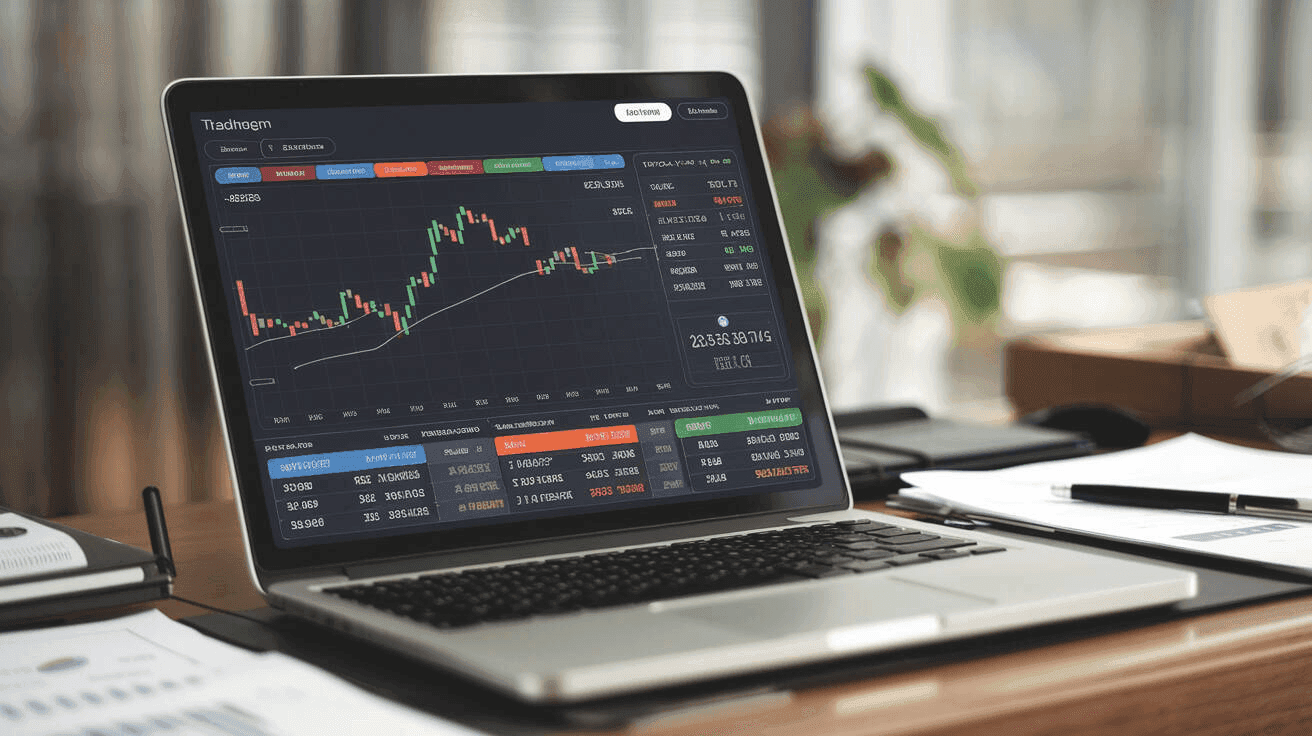
A synthetic funded account gives you access to simulated capital for trading in real market conditions without putting actual firm money at risk. The balance isn't composed of real dollars sitting in a brokerage account. Instead, it exists as a virtual allocation within a controlled environment that mirrors live market pricing, execution speed, and volatility. You trade as if the capital were real, managing positions in futures contracts, forex pairs, or other instruments. When you generate profits, the firm pays you real money based on your performance. When you lose, those losses stay confined to the simulation, never touching genuine capital.
This setup removes the traditional barrier that keeps skilled traders on the sidelines: lack of personal capital. You don't need $50,000 or $100,000 in your bank account to prove what you can do. The firm provides the virtual balance; you demonstrate your ability through consistent results, and both sides benefit when you succeed. It's a performance-based partnership where your skills matter more than your savings. The word "synthetic" signals that the capital is artificial, but the rest of the trading experience is designed to feel authentic. Market data feeds reflect real-time price movements. Order fills simulate realistic slippage and spreads. Position sizing, stop-loss execution, and profit-taking mechanics function as they would in a live account. The firm faces no monetary risk from your trades because the balance is virtual, but you still earn real payouts when you perform well. That's the core exchange: your skill, their risk (or lack thereof, since it's simulated).
How the Account Functions in Practice
You log into a trading platform connected to the synthetic environment and place orders just as you would with your own capital. The system processes your trades using algorithms that replicate market behavior, so a long position in crude oil futures reacts to price swings the same way it would in a live account. You can scalp, swing trade, or hold positions overnight depending on the firm's rules. The platform tracks your equity, drawdown, and profit in real time, giving you the same feedback loop you'd experience with actual money on the line.
The difference is psychological and financial. You're not risking your rent payment or retirement savings. The downside is capped at the virtual balance, which means you can test aggressive strategies, refine your timing, and learn from mistakes without catastrophic personal consequences. Many traders find this liberating. It removes the emotional weight of trading with money you can't afford to lose, letting you focus on execution rather than survival.
At the same time, the firm enforces strict risk parameters. Daily loss limits, maximum drawdown thresholds (often trailing or end-of-day), and position size restrictions are baked into the account. Breach these rules, and the account will be reset or closed. These safeguards ensure you treat the virtual capital with the seriousness it deserves, reinforcing discipline even when the money isn't technically real.
The Entry Process
Most firms start you in an evaluation phase where you trade with a smaller synthetic balance and must hit specific benchmarks. These might include a profit target (when applicable), adherence to drawdown limits, and compliance with trading rules over a set period. Some programs offer flexible timelines without forced deadlines, emphasizing sustainable habits over rushed results. The goal is to prove you can operate responsibly in a simulated high-capital scenario before the firm grants continued access and begins paying you real money for your profits.
This phase filters out reckless behavior. If you ignore risk controls or chase losses, the account fails, and you start over. If you follow the rules and generate consistent gains, you move into a funded phase where your virtual profits translate into real payouts. The firm isn't gambling on your potential. They're watching how you handle pressure, manage risk, and execute a strategy when the stakes feel real (even if the capital isn't).
Why Firms Use Synthetic Capital
Proprietary trading firms deploy synthetic accounts because they can evaluate thousands of traders simultaneously without exposing actual capital to loss. Operational costs are lower, risk is zero, and they can scale their talent pool efficiently. When a trader performs well, the firm pays out a share of the simulated profits, creating a performance-based incentive system that aligns the parties' interests. The trader earns real money, and the firm identifies disciplined operators who contribute to the ecosystem through consistent activity and adherence to rules.
This model expands access to professional-level trading opportunities for people who lack substantial personal capital. It shifts the focus from initial investment to merit through results. You don't need a trust fund or a decade of savings to prove your ability. You need a strategy, discipline, and the willingness to operate within defined risk parameters. That's a fundamentally different entry point than traditional trading, where capital requirements often shut out talented individuals before they even start.
Risk Controls and Compliance
Every synthetic account includes enforced limits designed to prevent reckless behavior. Daily loss caps limit how much you can lose in a single session, typically expressed as a percentage of your starting balance. Maximum drawdown rules (trailing or end-of-day) set a hard limit on total losses relative to your peak equity. Position size limits prevent over-leveraging on a single trade. These parameters aren't suggestions. They're automated safeguards that lock you out if you breach them.
This structure forces you to think like a risk manager, not a gambler. You monitor your metrics actively, adjust your position sizes based on current drawdown, and avoid trades that could push you past the threshold. It's a constant exercise in discipline, and that's the point. The firm wants traders who can protect capital (even virtual capital) because those habits translate into long-term profitability. If you can't follow rules in a simulated environment, you won't survive in a live one. Some traders resent the restrictions, feeling they limit upside potential. Most professional traders operate under similar constraints. Hedge funds, prop desks, and institutional traders all use risk limits to prevent catastrophic losses. The synthetic account is training you to think like a professional, where protecting capital matters as much as generating returns.
Scaling Opportunities
Strong performance over time can lead to increases in your virtual balance without additional fees. The firm raises your allocation based on clear milestones: sustained profitability, equity growth targets, or consistent adherence to risk rules. Larger balances let you take bigger positions while maintaining the same risk-per-trade percentage, amplifying your earning potential proportionally. This progression rewards persistence and adaptation, turning proven ability into expanded (though still synthetic) trading power. Scaling isn't automatic. You must demonstrate that you can handle the increased responsibility without violating the rules. Some traders hit a ceiling because they can't maintain discipline as position sizes grow. Others thrive, treating each scale-up as validation of their process. The firms that offer scaling opportunities are betting on long-term partnerships with traders who can grow into larger allocations over months or years.
AquaFutures takes a different approach by offering instant funding options that skip the evaluation phase entirely, giving you immediate access to simulated capital so you can start trading today. You get real market conditions, keep a share of your profits, and avoid the stress of passing tests or meeting strict drawdown limits during an assessment period. Their model prioritizes speed and transparency, with 24-hour payouts and a 100% profit split on your first $15,000 in earnings, so you're rewarded quickly for consistent performance rather than waiting weeks to prove yourself. But here's the part most traders overlook: not all synthetic accounts are built the same, and the differences matter more than you'd think.
Synthetic Funded Account vs. Regular Funded Account

The instruments you trade define the fundamental split. Synthetic-fund accounts are limited to algorithm-generated indices that mimic market volatility without reflecting real-world events, companies, or economic data. Regularly funded accounts open access to forex pairs, stock indices, commodities, and futures contracts that respond directly to earnings reports, interest rate decisions, geopolitical shifts, and supply-demand imbalances. One environment runs on predictable code. The other reacts to human behavior at scale. That distinction shapes everything else: how you prepare, when you trade, what risks you face, and how quickly you can adapt when conditions shift.
The Market Environment You're Trading
Synthetic indices operate around the clock, 365 days a year. No market closures for holidays, weekends, or breaking news. The volatility patterns remain consistent because they're programmed that way, designed to replicate specific behaviors such as steady oscillations or sharp spikes without external triggers. You can test a strategy at 3 a.m. on a Sunday with the same reliability as midday Tuesday. That continuity removes timing pressure and allows you to focus solely on technical execution within a controlled framework.
Regular markets impose natural constraints. Forex sessions rotate through Asian, European, and U.S. hours. Futures contracts have defined trading windows. Equity indices close overnight and gap on major announcements. You're navigating liquidity shifts, session overlaps, and event-driven volatility that can spike without warning. A central bank statement or earnings miss can invalidate your setup in seconds. The unpredictability forces you to stay alert to factors beyond price action alone. The controlled nature of synthetics appeals to traders who want to refine strategies without headline risk. The dynamic chaos of regular markets attracts those who thrive on reading sentiment and adapting to real-time information flows.
Evaluation Structures and Time Pressure
Synthetic evaluations typically allow unlimited time to hit profit targets, with minimal or no required trading days. You can take weeks or months to reach the goal, prioritizing consistency over speed. The absence of deadlines reduces emotional pressure, letting you wait for high-probability setups rather than forcing trades to meet a calendar. Daily and maximum drawdown limits still apply, but the flexibility around timing supports a patient, methodical approach.
Regular evaluations often introduce tighter constraints. Some firms impose 30-day or 60-day windows to complete phases, creating urgency that mirrors professional trading environments. Others offer accelerated challenges with compressed timelines and higher profit targets for traders who want faster access to funded status. The time-limits test your ability to perform under pressure, balancing opportunity recognition with risk control while the clock is running. The difference matters psychologically. Unlimited time can reduce stress but also encourage complacency. Deadlines force discipline but can trigger overtrading if you're chasing targets near expiration. Neither structure is inherently better. They suit different temperaments and skill levels.
Risk Parameters and Drawdown Mechanics
Synthetic accounts usually enforce static drawdown rules. Your maximum loss is calculated from your starting balance or end-of-day equity, creating a fixed threshold that doesn't move. Daily loss limits work the same way, capping how much you can lose in a single session based on a percentage of your initial allocation. The simplicity makes planning straightforward. You know exactly where the line is, and the controlled volatility of synthetic indices makes it easier to avoid sudden breaches.
Regular accounts sometimes use trailing drawdowns that adjust upward as your equity grows, locking in protection for your gains but adding complexity during volatile periods. A sharp real-market move can push you toward the threshold faster than you expect, especially if you're holding positions through news events or session transitions. Some firms combine static and trailing rules, creating layered risk management that requires constant monitoring. The static model in synthetics pairs well with predictable volatility. Trailing drawdowns make sense in regular markets where protecting profits matters as much as avoiding initial losses. Both approaches demand discipline, but the execution feels different when you're managing algorithm-driven swings versus headline-driven chaos.
Leverage and Position Flexibility
Synthetic platforms typically cap leverage at moderate levels, aligning with the 24/7 availability and steady volatility patterns. You can hold positions indefinitely without swap fees or overnight charges, making multi-day strategies viable. Consistent market behavior supports longer holding periods without the risk of weekend gaps or session-opening spikes that plague other markets.
Regular accounts often provide higher leverage on select instruments, amplifying both opportunity and exposure. A 1:100 leverage ratio on forex or 50:1 on futures lets you control large positions with smaller margin requirements, but that magnification works both ways. Real-market volatility can turn a small move into a significant gain or a breach of the rules faster than in synthetics. You also face swap fees for positions held overnight, adding a cost layer that doesn't exist in the synthetic environment. The always-on nature of synthetics removes timing constraints around entries and exits. Regular markets require you to consider session closures, rollover costs, and liquidity windows. That added complexity can be a barrier or an advantage, depending on how you trade.
Most traders start with synthetic evaluations because the continuous availability aligns with irregular schedules and the protected environment reduces news-driven volatility. Over time, success in synthetics often sparks interest in the regular markets, where authentic price discovery and a wider range of instruments expand opportunities. The transition requires adapting proven discipline to genuine market dynamics, starting with a new evaluation challenge at a firm supporting traditional assets. Few firms allow direct internal switches, so you typically enroll separately for a standard program.
Review your synthetic performance history before moving. Consistent profitability, adherence to drawdown rules, and steady payouts demonstrate the discipline that regular firms value. Use that track record to select a challenge with comparable targets, noting differences in daily and maximum loss limits that apply to live instruments. Practice extensively on demo accounts that simulate real assets before committing any fees. Synthetic volatility patterns differ from news-driven moves, so spend weeks refining approaches around session hours, economic calendars, and event risks. Treat the regular evaluation seriously, maintaining the same risk management principles that worked in synthetics while incorporating awareness of market hours and fundamental influences. Passing grants access to a regularly funded account, often with profit splits starting at 80% or higher, and opens scaling opportunities that amplify with real market potential.
Where Synthetics Fall Short
The simulated foundation doesn't replicate the psychological weight of trading through a Federal Reserve announcement or an earnings surprise. You miss the multi-asset correlations that ripple through real markets when crude oil spikes or the dollar weakens. That disconnect can limit skill transfer when you eventually face genuine volatility. Moderate leverage caps limit upside from small moves, and the artificial setup may feel hollow to traders seeking authentic engagement with global forces. Standard evaluation costs and strategy restrictions still apply. You're not exempt from fees or drawdown rules just because the capital is virtual. The discipline required is real, even if the money isn't.
Where Regular Markets Challenge You
Limited trading hours and periodic closures constrain opportunities, especially if your schedule doesn't align with peak liquidity windows. Sensitivity to news creates higher unpredictability, requiring ongoing monitoring of economic calendars and geopolitical developments. Adjusting drawdowns heightens breach risk during volatile spikes, and the evaluation phase still requires a personal financial commitment without the full isolation that synthetics provide. The learning curve is steeper. You're managing session transitions, swap fees, and headline-driven gaps in addition to technical execution. That added layer can overwhelm less experienced participants, making synthetics a safer entry point before stepping into the full complexity of real markets. But once you understand the mechanics, the question shifts from which type of account to choose to something more immediate: how do you actually turn those virtual profits into cash you can spend?
Related Reading
- What Is a Funded Account
- Does Ftmo Offer Instant Funding
- How to Get a Funded Trading Account
- No Challenge Prop Firm
- Funding Traders Rules
- What Is a Prop Firm Account
- What is a Funded Firm
- One Step Prop Firm Challenge
- Trading Challenges
- Instant Funding Rules
- Prop Firm Ip Address Rule
- Halal Prop Firms
- Top 10 Prop Firms 2025
- Australia Prop Firm
- Cheapest Futures Prop Firm
- No Activation Fee Prop Firm
- Prop Firms In Usa
- Prop Firms That Allow Trade Copiers
- Best Prop Trading Firms
- Forex Prop Firms With Instant Funding
- Best Prop Firms For Forex
- Best Prop Firm To Start
- Best Instant Funded Prop Firm
- Best Prop Firms in UAE
How Do You Withdraw Profits From A Synthetic Funded Account?
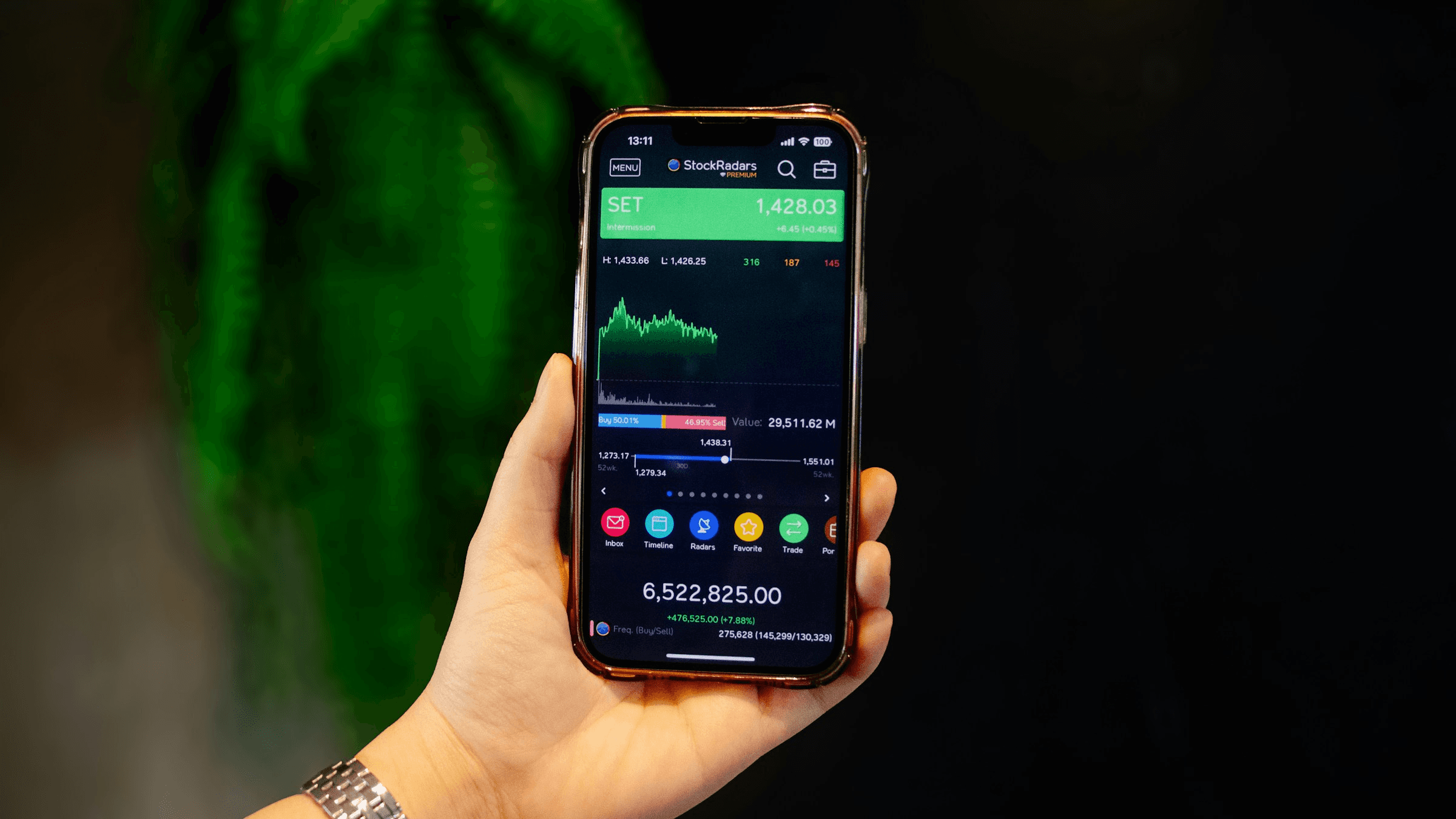
You submit a request through the firm's dashboard once you've met the profit threshold and complied with all risk rules. The firm verifies your trading activity, confirms you stayed within drawdown limits, and processes payment through your chosen method, typically crypto, bank wire, or e-wallet. The entire cycle can take anywhere from 24 hours to several days, depending on the firm's schedule and your selected payout channel. The simplicity of that process masks the discipline required to reach it. Most traders fail before their first withdrawal, not because the mechanics are complicated, but because they breach rules during the buildup. Hitting a 5% profit target means nothing if you violated a daily loss limit on day three or exceeded maximum drawdown halfway through. The withdrawal becomes real only after sustained compliance, and that's where the real test lies.
Hitting the Minimum Threshold Without Breaking Rules
Every firm sets a profit floor before you can request a payout, usually expressed as a percentage of your starting balance or a flat dollar amount. A $100,000 synthetic account might require $5,000 in net gains before you qualify, calculated after all losses and adjustments. That number isn't arbitrary. It filters out lucky streaks and forces you to demonstrate repeatable performance across multiple trades and sessions.
The challenge isn't reaching the target. It's doing so without crossing the boundaries that disqualify you. A 4% daily loss limit on a $100,000 account means you can't lose more than $4,000 in any single session. A 10% maximum drawdown caps total losses at $10,000 from your peak equity. One emotional trade after a bad morning can push you past either line, resetting your progress to zero. Firms that process thousands of evaluations monthly report that 60% of failures stem from drawdown breaches, not from an inability to generate profits. Discipline breaks before skill does. Tracking your metrics in real time prevents surprises. Most platforms display current drawdown, daily loss, and equity in a dashboard widget. Check it before every trade, not after. Adjust position sizes as you approach thresholds, scaling down risk when you're within 1% of a limit. That conservative buffer keeps you alive during unexpected volatility spikes or execution slippage that can eat into your margin faster than you anticipate.
Calculating What You Actually Keep
The profit split determines your take-home amount, and it varies widely across firms. An 80/20 split on $5,000 in gains leaves you with $4,000. Some firms offer 90/10 or even 100% on initial payouts, rewarding early success before reverting to standard ratios. Read the terms carefully, as the split may vary based on account size, performance tier, or payout frequency. Deductions matter too. If the firm charges withdrawal, platform, or administrative processing fees, they are deducted from your share. A $50 wire fee on a $500 payout cuts your net by 10%. Crypto transfers via stablecoins often carry minimal fees, sometimes under $5, making them the preferred route for smaller withdrawals. The math shifts your strategy. Frequent small payouts can erode value through recurring fees, while larger, less frequent requests preserve more of your earnings.
Static drawdown rules complicate the calculation. If your account started at $100,000 and you're now at $105,000 with a $3,000 unrealized loss on an open position, your withdrawable profit isn't $5,000. It's closer to $2,000 after accounting for the floating drawdown. Close positions before calculating to get an accurate figure, or risk submitting a request that gets rejected because the firm's backend sees a different equity snapshot than you do.
Submitting the Request Without Errors
Log in to the trader portal and navigate to the withdrawal or billing section. Enter the amount you want to withdraw, confirm it falls within your eligible profit range, and select your payout method. Some platforms require you to upload identification documents for the first withdrawal, especially if you're requesting more than $1,000 or using a bank transfer. KYC compliance isn't optional. Firms operate under financial regulations that mandate identity verification, even for synthetic accounts that don't hold real capital.
Double-check every field before hitting submit. A typo in your wallet address or bank account number can delay payment by days or send funds to an unrecoverable destination. Crypto transactions are irreversible. If you paste the wrong USDT address, the funds are lost, and the firm won't reimburse you. The same diligence you apply to trade execution applies here. Slow down, verify twice, then proceed. The firm reviews your trading history during processing. They're scanning for prohibited strategies, such as tick scalping, latency arbitrage, or coordinated account activity, that violate the terms. If your trades look suspicious, expect questions or a delay while compliance investigates. Clean, straightforward strategies that align with the firm's rules sail through. Edge cases trigger scrutiny, which can extend a 24-hour payout into a week-long back-and-forth.
Choosing the Fastest, Cheapest Payout Method
Cryptocurrency transfers, particularly stablecoins such as USDT on the TRC20 network, account for most synthetic account withdrawals. They settle in hours, cost under $2 in network fees, and bypass traditional banking intermediaries. You receive funds directly to your wallet, convert to fiat if needed, and avoid the multi-day clearing windows that plague wire transfers. For traders outside the U.S. or in regions with restrictive banking systems, crypto offers access that wire transfers can't match. Bank wires remain the standard for traders who prefer fiat deposits and don't want to manage digital wallets. Processing takes two to five business days, and fees range from $25 to $50, depending on the firm and your bank's policies. International wire transfers incur currency conversion costs and correspondent bank charges, which can reduce your payout by an additional 2-3%. If you're withdrawing $10,000, the fees are lower. On a $500 request, they're prohibitive.
E-wallets like Skrill or Neteller sit in the middle, offering faster processing than wires with lower fees than some crypto routes. They work well for traders who already use these platforms for other transactions, but adoption varies by firm. Not every prop shop supports e-wallet payouts, so confirm availability before assuming it's an option. The method you choose shapes your withdrawal cadence. If you're pulling profits weekly, crypto makes sense. Monthly wire transfers may be more practical if you're consolidating larger amounts and avoiding recurring transaction fees. Match the tool to your rhythm, not the other way around.
Most firms operate on fixed payout schedules, either bi-weekly or on-demand within a processing window. Bi-weekly cycles mean you submit requests during a specific period, and payments batch out on set dates. On-demand systems let you request at any time, with processing starting within 24 to 48 hours. The first withdrawal almost always takes longer because of KYC verification and manual compliance checks. Subsequent requests move faster once you're in the system. Crypto payouts clear fastest, often within 12 to 24 hours after approval. Wires take three to five business days, longer if weekends or bank holidays intervene. Some firms guarantee 24-hour processing for crypto and 48 hours for all methods, but those promises hinge on you meeting every requirement upfront. Missing a document or submitting outside a business window moves you to the next cycle.
Plan around these timelines if you need funds by a specific date. Requesting a payout on Friday afternoon via wire transfer means you're waiting at a minimum until the following week. Crypto on a Sunday? You might see it on Monday morning. The flexibility of synthetic markets doesn't extend to traditional financial infrastructure, so the payout method determines your wait, not the firm's willingness to pay. Traditional prop firms often bury payout terms in dense agreements, creating friction that discourages frequent withdrawals. High minimum thresholds, long processing windows, and vague fee structures turn what should be straightforward into a guessing game. You hit your target, submit the request, and then wait, unsure when or how much will actually land in your account. That opacity breeds frustration, especially for traders who've proven their discipline and deserve faster access to their earnings.
AquaFutures flips that model by prioritizing speed and clarity. Their 24-hour payout guarantee means you're not stuck in a multi-week queue after demonstrating consistent performance. The 100% profit split on your first $15,000 removes the typical firm cut entirely, letting you keep every dollar you earn early on. No activation fees, no hidden charges, just transparent terms that reward skill without penalizing success. When you're ready to withdraw, the process moves at the pace your trading deserves, not at the convenience of a bureaucratic approval chain.
Maintaining Compliance to Avoid Payout Rejections
Risk no more than 1-2% of your account balance on any single trade. That conservative sizing keeps you far from daily and maximum drawdown limits, even during losing streaks. Use stop-loss orders on every position, placing them at levels that protect your capital without getting triggered by normal market noise. These habits aren't just best practices. They're survival tools that keep your account active and your withdrawal requests clean.
Document your trades in a spreadsheet or journal, noting entry logic, exit reasons, and emotional state. This record helps you identify patterns that lead to rule breaches, such as overtrading after losses or ignoring stops during volatile sessions. If the firm questions your activity, you have a detailed log to support your case. More importantly, tracking forces fosters self-awareness that prevents mistakes before they happen. Review the firm's terms monthly. Rules change. Profit splits adjust. New restrictions appear. Staying current prevents accidental violations that disqualify payouts you've already earned. If you're unsure about a strategy, consult the firm's support team before executing it. A five-minute clarification can save you weeks of lost progress.
Starting Small to Build Trust
Request your first withdrawal at the minimum threshold, even if you've earned more. Smaller amounts process faster and face less scrutiny, establishing a clean track record with the firm. Once that first payout clears, you've proven the system works, and subsequent requests carry less psychological weight. You know the money is real, the firm pays, and the process functions as advertised.
Frequent small withdrawals also protect against account resets. If you breach a rule after building a large unrealized profit, you lose everything. Pulling profits regularly locks in gains, so a future mistake only costs your remaining balance, not months of accumulated earnings. Think of it as taking chips off the table. You're still in the game, but you've secured some winnings regardless of what happens next. This approach shifts your mindset from chasing one big payout to building a sustainable income stream. You're not gambling on a single outcome. You're consistently extracting value, reinforcing the discipline that enables long-term success. But knowing how to withdraw profits only matters if you can actually get funded in the first place, and that step trips up more traders than anything else.
How to Create a Synthetic Funded Account
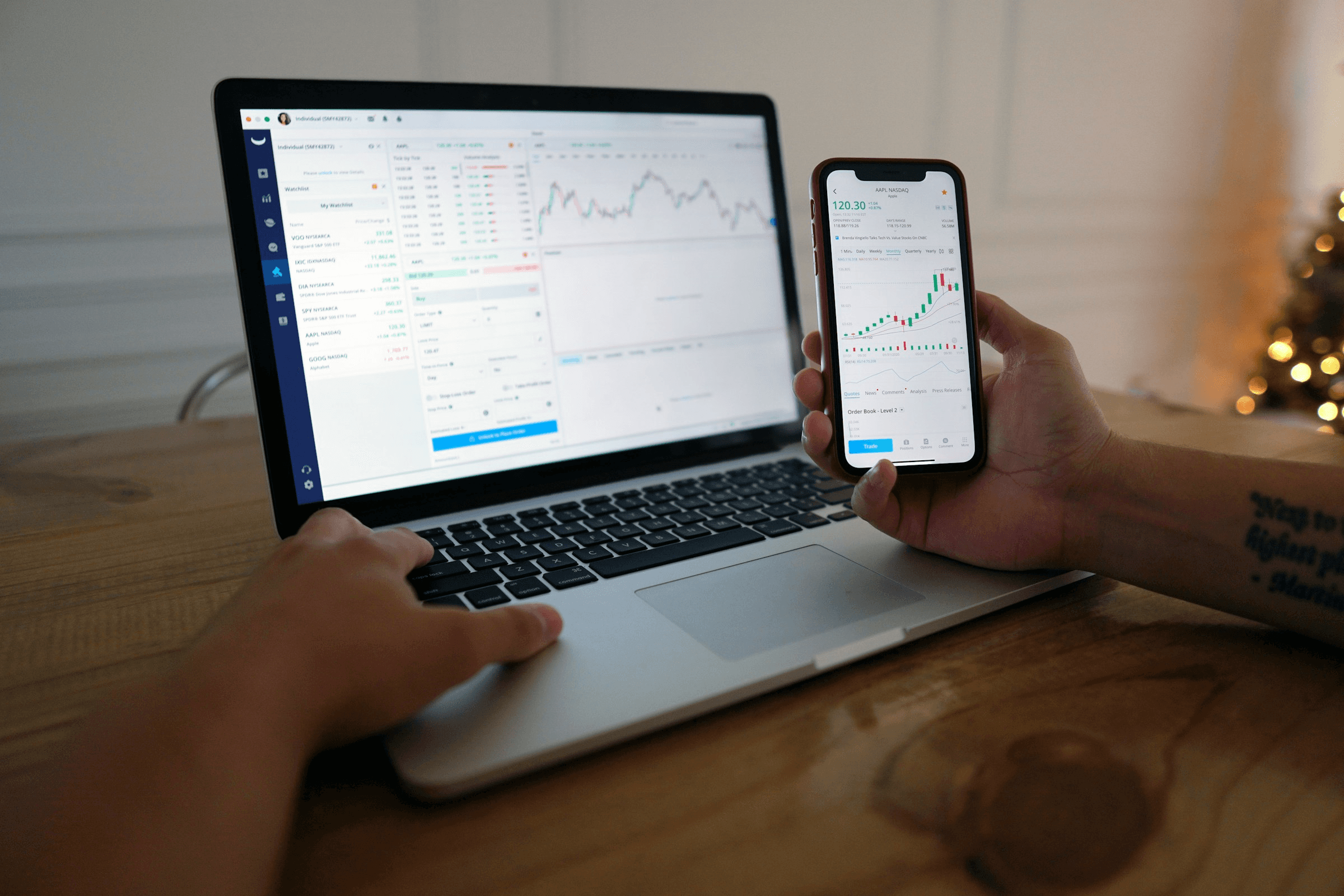
You register with a prop firm, choose an evaluation program or instant funding option, complete any required verification, and start trading within their simulated environment under defined risk parameters. The entire process, from account setup to first trade execution, can happen in under an hour if you select instant access. Traditional evaluation routes take longer, requiring you to prove consistency before the firm allocates simulated capital, but both paths lead to the same outcome: access to virtual balances that generate real payouts when you perform. The barrier isn't technical complexity. It's choosing a firm whose structure matches your trading style and risk tolerance, then following their rules precisely enough to avoid disqualification before you've earned anything.
Identifying Firms That Match Your Trading Approach
Not every prop firm operates the same way. Some specialize in forex and indices, others focus on futures and commodities. A few restrict trading to specific hours or prohibit holding positions overnight. If you're a swing trader who holds for days, a firm that requires intraday-only strategies will reject your approach before you finish the first evaluation session. If you scalp during Asian market hours, a platform that limits activity to U.S. sessions won't work.
Start by listing your non-negotiables: instruments you trade, session times you're active, average holding period, and preferred risk-per-trade percentage. Then filter firms based on those criteria. Check whether they allow news trading if you trade around economic releases. Verify position size limits align with your strategy. Confirm their drawdown calculation method (static, trailing, or end-of-day) matches how you monitor risk.
Reputation matters more than marketing promises. Search for payout proof from actual traders, not testimonials on the firm's homepage. Look for withdrawal timelines, response times when issues arise, and whether the firm has a history of denying payouts on technicalities. A firm that's paid out millions to thousands of traders over the years has proven the model works. A new platform with aggressive advertising but no verifiable track record is a gamble you don't need to take.
Selecting Between Evaluation and Instant Funding
Evaluation programs test your discipline over time, requiring you to hit profit targets while staying within drawdown limits across multiple trading sessions. They're structured to filter out reckless behavior and reward patience and consistency. The upside is a lower initial cost compared to instant funding. The downside is the time investment. You might spend weeks proving yourself, only to breach a rule near the end and start over.
Instant funding skips the test phase entirely, granting immediate access to simulated capital in exchange for a higher upfront fee. You trade from day one, keeping a percentage of profits without first proving anything. This route suits experienced traders who don't want to waste time on evaluations they know they'll pass. It also appeals to those who have repeatedly failed traditional challenges and prefer to learn by doing rather than performing under evaluation pressure. The choice hinges on confidence and capital. If you're certain your strategy works and you have the funds to pay the higher entry cost, instant funding accelerates everything. If you're still refining your approach or working with a tighter budget, evaluation programs offer a lower-risk entry point that builds discipline through structured progression.
Completing Registration and Verification
Create an account on the firm's platform by entering basic details: name, email, and country of residence. Most firms require identity verification before you can withdraw profits, but some delay this step until your first payout request. Upload a government-issued ID and proof of address (utility bill or bank statement) if prompted. The verification process typically clears within 24 hours, though it may take longer during high-volume periods or if your documents require manual review.
Payment for your chosen program will be processed next. Firms accept credit cards, crypto, or e-wallets, depending on their infrastructure. Crypto payments (usually USDT or Bitcoin) often process fastest, settling within minutes and avoiding currency conversion fees that eat into your budget. Card payments are suitable for those who prefer traditional methods, though some banks flag property firm transactions as high risk, which can cause delays or declines.
Once payment clears, you receive login credentials for the trading platform, whether it's MetaTrader, cTrader, ProjectX, or a proprietary system. Download the software, log in with your credentials, and verify that the account balance matches your purchase. Check the dashboard for your specific risk parameters: daily loss limit, maximum drawdown, position size restrictions, and any prohibited trading strategies. Screenshot these rules. You'll reference them constantly as you trade.
Configuring Your Trading Environment
Set up your charts, indicators, and order templates before placing your first trade. Rushing into positions without preparation increases the risk of rule-breaking mistakes. Configure alerts for when you approach drawdown thresholds, so you're never surprised by how close you are to a limit. Most platforms allow you to set audio or visual notifications for specific equity levels. Use them.
Position-sizing calculators are non-negotiable here. Risking 1% per trade on a $100,000 account means a $1,000 maximum loss per position. If your stop-loss is 50 ticks away on a futures contract, you need to calculate exactly how many contracts fit within that $1,000 cap. Miscalculate, and a single loss can push you past the daily limit, ending your session prematurely and burning through valuable trading days. Some traders maintain a separate spreadsheet tracking every trade: entry price, exit price, position size, profit or loss, and current drawdown. This redundancy catches platform glitches or misunderstandings about how the firm calculates metrics. If the firm says you breached a rule, but your records show otherwise, that documentation is your only defense.
Executing Your First Trades Under Observation
The firm monitors every position you open, not to micromanage your strategy, but to ensure compliance with their terms. Prohibited tactics like hedging across multiple accounts, exploiting platform latency, or using high-frequency bots trigger automatic flags. If your trading pattern appears suspicious, expect a delay on your first withdrawal while compliance reviews your activity. Stick to straightforward strategies during the initial phase. If you scalp, keep your holding periods and profit targets consistent. If you swing trade, maintain similar risk-per-trade ratios across positions. Erratic behavior (jumping from 0.5% risk to 5% risk between trades, or switching from 10-minute scalps to multi-day holds) raises questions about whether you're following a plan or gambling.
The first week reveals whether your strategy fits the firm's environment. Synthetic indices behave differently from live forex pairs. Execution speed, spread consistency, and slippage patterns might not match what you experienced in demo accounts elsewhere. If your approach depends on tight spreads or instant fills and the platform doesn't deliver, you'll quickly know. Better to discover that incompatibility early than after you've invested weeks into an evaluation.
Navigating Drawdown Limits During Volatile Sessions
A 2.5% daily loss limit on a $100,000 account means you can lose $2,500 before the platform locks you out for the day. That sounds generous until you hit a volatile session in which two losing trades occur back-to-back. Suddenly, you're at $2,000 in losses with hours left in the trading day and no room for another mistake. The temptation to revenge trade or force a recovery position is massive. Resist it.
Trailing drawdowns add another layer. If your account grows to $105,000, the maximum drawdown threshold rises with it, protecting your gains but also creating a moving target. A sharp market move can push you toward the limit faster than you expect, especially if you're holding multiple positions simultaneously. Close trades proactively when volatility spikes, even if it means accepting smaller-than-planned profits. Staying alive in the account matters more than maximizing every setup.
The reality is that most traders breach drawdown rules during their best trading days, not their worst. You're up $3,000, feeling confident, and you take one more trade with slightly larger size because the setup looks perfect. That trade goes against you, and suddenly you're down $1,500 from peak equity, dangerously close to the threshold. Confidence becomes overconfidence faster than you realize. Set a daily profit target, and stop trading when you hit it, regardless of how many setups appear afterward.
Scaling From Evaluation to Funded Status
Pass the evaluation by meeting the firm's criteria (profit targets if applicable, adherence to drawdown limits, minimum trading days if required), and you transition to a funded account where profits translate into real payouts. The rules don't relax. If anything, funded accounts demand stricter discipline because the temptation to overtrade increases once you know the money is real. Some firms reset your balance to the starting amount after you pass, while others let you keep the gains you earned during evaluation. Clarify this before you begin. If the firm resets, you're starting fresh with the same risk parameters. If they carry over your profits, your drawdown calculations adjust immediately, and you need to recalibrate position sizes to account for the higher equity.
Funded status doesn't mean unlimited freedom. You're still operating within the same daily and maximum drawdown limits, are prohibited from using banned strategies, and remain subject to compliance reviews. The difference is that your profits now convert into withdrawable cash on the firm's payout schedule. That shift changes the psychological dynamic. You're no longer just proving yourself. You're earning income, and that brings its own pressures.
Most firms require traders to navigate evaluation challenges that feel designed to trip you up. Tight deadlines, aggressive profit targets, and inconsistent rule enforcement create an environment in which even skilled traders repeatedly fail. The evaluation becomes a revenue stream for the firm rather than a genuine filter for talent. You pay the entry fee, breach a rule you didn't fully understand, and start over. The cycle repeats until you either give up or get lucky enough to pass during a favorable market stretch.
AquaFutures removes that friction by offering instant funding options that skip evaluation, giving you immediate access to simulated capital so you can start trading today. You're not stuck in a multi-week proving ground hoping market conditions align with arbitrary targets. Their model emphasizes transparency, with clear rules around drawdown limits (2.5% daily for standard accounts), no activation fees, and a 100% profit split on your first $15,000 in earnings. The focus shifts from surviving a gauntlet to demonstrating consistent skill in a fair environment, backed by 24-hour payouts and support that responds when you need it.
Maintaining Compliance as You Scale
Larger balances amplify both opportunity and risk. A $200,000 account lets you take larger positions, but drawdown limits scale proportionally, so a 2% drawdown costs $4,000 rather than $2,000. Your margin for error doesn't expand just because your balance does. If anything, it tightens because the psychological weight of larger losses can prompt emotional decisions more quickly than smaller ones. Track your performance metrics daily. Calculate your win rate, average win-to-loss ratio, and maximum consecutive losses over rolling 30-day periods. If your win rate drops below 50% or your average loss starts exceeding your average win, your strategy is degrading. Stop trading, review your recent positions, and identify what changed. Market conditions shift. Volatility patterns evolve. What worked last month might not work this month, and clinging to a failing approach burns through accounts faster than anything else.
The firms that succeed in the long term are those that treat traders as partners, not revenue sources. They want you to pass evaluations, earn payouts, and scale your account because your success proves their model works. But that partnership only functions if you hold up your end: following rules, managing risk, and trading with the discipline the synthetic environment demands. But knowing how to create the account is just the starting point, and what you do after funding determines whether it lasts a week or becomes a sustainable income stream.
Related Reading
- Best Funded Prop Firms
- Prop Firms That Use TradingView
- 1 Phase Prop Firm
- No Consistency Rule Prop Firm
- Prop Firms That Use Tradelocker
- Prop Firm Comparison
- How Do Prop Firms Work
- Regulated Prop Firms
- Prop Challenge
- The Cheapest Prop Firm
- Trading With Borrowed Capital
- Top Tradig Prop Firms
- Top Prop Company
- US-based Prop Firms
- Top 10 Prop Firms In The World
Best Practices For Managing A Synthetic Funded Account
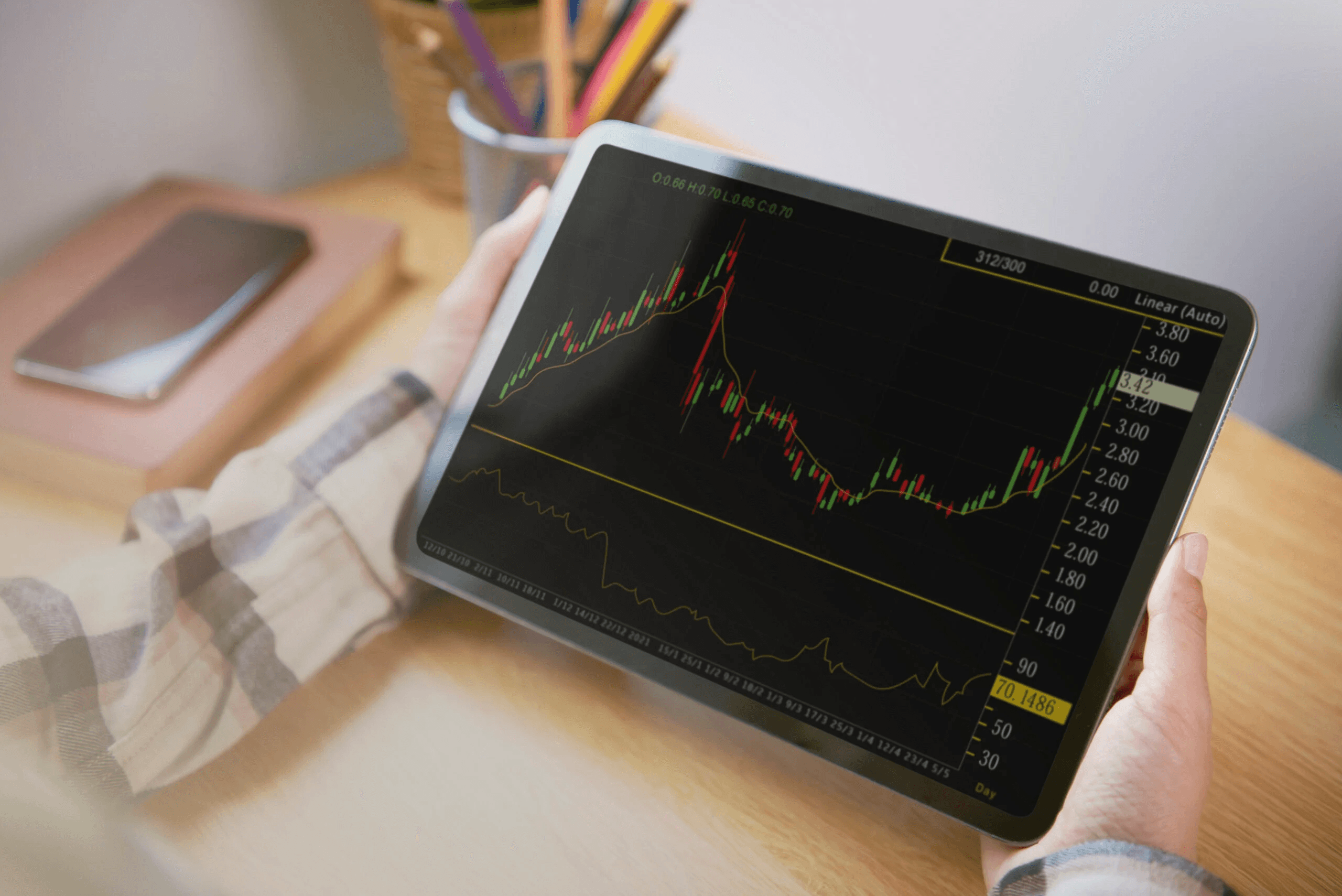
Managing a synthetic funded account means treating every trade as if your career depends on it, because in this environment, three consecutive mistakes can erase weeks of progress. The firms providing simulated capital aren't testing your ability to generate massive returns. They're measuring whether you can protect capital under pressure, follow predetermined rules when emotions surge, and maintain consistency across dozens of trading sessions. Your edge isn't finding the perfect entry. It's staying disciplined when the market moves against you and resisting the urge to force recovery trades that violate drawdown limits.
The traders who last beyond their first payout share a common trait: they build systems that prevent emotional interference before it happens. Risk parameters become non-negotiable boundaries, not suggestions to bend when a setup looks promising. Position sizing follows formulas, not gut feelings. Stop losses execute automatically, removing the temptation to give a losing trade "just one more tick" to turn around. These aren't restrictions. They're the framework that keeps you trading next month instead of restarting an evaluation from zero.
Calculate Risk Before Every Position
Determine your maximum loss in dollars before you enter, not after the trade moves against you. A $100,000 account with a 1% risk cap allows $1,000 per trade. If your stop sits 40 ticks away on a futures contract, divide $1,000 by the tick value to find your exact position size. That calculation occurs before you click Buy or Sell, eliminating guesswork that can lead to oversized positions during volatile sessions. The math forces clarity. You can't rationalize taking three contracts instead of two when the formula shows three exceeds your risk limit. When your equity drops to $98,000 after a losing day, recalculate immediately. Your 1% risk now equals $980, not $1,000. Adjust position sizes downward to match the new reality. Traders who skip this step after losses often breach daily limits by the third trade because they're still sizing for yesterday's balance.
Set Hard Stops on Equity, Not Just Positions
Beyond individual trade stops, establish session-level cutoffs that lock you out when you hit a predetermined loss threshold. If your daily limit is $2,500, stop trading after $2,000 in losses, regardless of time remaining or setups appearing. That $500 buffer protects against the revenge trade that pushes you over the edge. The temptation to recover losses in the same session destroys more accounts than bad strategy ever will. Track your equity in a separate window and update it manually after each closed position. The platform displays sometimes lag or calculates differently than the firm's backend, creating dangerous discrepancies. Your personal tracker becomes the authoritative source, preventing surprises when the firm's system shows you breached a rule you thought you were safely under. Write down your starting balance, current equity, and remaining allowable loss at the beginning of every session. That physical act of recording numbers reinforces awareness in ways staring at a screen never does.
Reduce Size as Drawdown Increases
When your account drops 5% from peak equity, cut your position sizes in half. At 7%, reduce to one-third. This inverse scaling protects your remaining capital during losing streaks while keeping you active enough to participate when conditions improve. Most traders do the opposite, increasing size to recover faster, which accelerates the path to maximum drawdown and account termination. The pattern repeats across thousands of failed evaluations. A trader loses $3,000 over two days and then risks $1,500 on the next trade, aiming to get back to breakeven quickly. That position hits the stop, and suddenly they're $1,000 away from the maximum threshold with no room for error. Scaling down feels counterintuitive when you're behind, but it's the only approach that keeps you in the game long enough for your edge to reassert itself across a larger sample of trades.
Avoid Trading During the First Hour After Major News
Economic releases create volatility spikes that trigger stops prematurely and widen spreads beyond your strategy's assumptions. The 30 minutes following non-farm payrolls or central bank decisions can produce price swings that breach daily loss limits across three positions. If your approach depends on technical levels, those levels become irrelevant when fundamental data overwhelms price action. Wait for the initial chaos to settle. Let the market digest the information, establish a new range, and return to behavior that your strategy can interpret. You're not missing an opportunity. You're avoiding the randomness that punishes even correct directional calls through execution slippage and erratic fills. The traders who survive long enough to scale their accounts are the ones who recognize when market conditions fall outside their edge and step aside without regret.
Document Every Rule Breach Immediately
When you violate a parameter, even slightly, write down what happened and why. Did you miscalculate position size? Ignore a stop because you thought the market would reverse? Enter a trade without checking your current drawdown? The specific failure matters because it reveals which part of your process broke under pressure. Most traders repeatedly breach the same rule because they never identify the trigger for the lapse. Review these logs weekly to identify patterns across different market conditions. If you consistently overtrade after winning streaks, that's a psychological vulnerability that needs a systemic fix, perhaps a mandatory break after three consecutive profitable sessions. If you ignore stops during periods of high volatility, the solution might be tighter initial stops that are less painful to honor. The journal transforms vague feelings of "I need more discipline" into concrete problems with actionable solutions.
Separate Trading Sessions with Mandatory Breaks
After three consecutive losing trades, close the platform for at least one hour. Once you reach 50% of your daily loss limit, stop for the day, regardless of how much time remains. These circuit breakers interrupt the emotional spiral that turns manageable setbacks into account-ending disasters. The break doesn't fix your strategy, but it prevents you from executing the next trade in frustration or desperation. Physical separation helps. Leave your desk, go outside, do something unrelated to markets. The goal is to reset your nervous system, not to analyze what went wrong. That analysis happens later, during your review session. In the moment, you need distance from the screen and the temptation to force a recovery. The traders who implement these breaks report fewer drawdown breaches, not because their strategy improved, but because they stopped making decisions while emotionally compromised.
Test New Strategies in Demo Before Funded Accounts
When you want to try a different approach, validate it across at least 50 trades in a demo environment that mirrors your funded account's conditions. Track the same metrics: win rate, average risk-reward ratio, maximum consecutive losses, and largest drawdown. If the strategy can't deliver consistent results in a demo, it will fail faster in a live account, where rule breaches carry real consequences. The demo phase reveals whether your new approach fits within the firm's constraints. A strategy that requires 3% risk per trade won't work in an account with a 2.5% daily loss limit. One that depends on holding through overnight gaps might violate rules prohibiting weekend positions. Better to discover these incompatibilities in simulation than after you've paid for a funded account and burned through your first allocation.
Traditional firms often frame risk management as a burden, a set of restrictions that limit their upside potential. The reality is that these parameters exist to protect you from yourself during sessions when your judgment may fail. Firms that genuinely care about trader success design rules that prevent catastrophic mistakes while still allowing room for profitable trading. They want you to hit payout thresholds repeatedly because your success validates their model and builds a community of skilled traders who refer others.
AquaFutures structures its accounts around this principle, with clear daily loss limits (2.5% for standard accounts) and maximum drawdowns that give you room to recover from normal losing streaks without constant fear of termination. Their 24-hour payout guarantee and 100% profit split on the first $15,000 reinforce that the firm profits when you profit, not from trapping you in evaluation loops or delaying withdrawals. The support team responds within minutes when you need clarification on rules, preventing the costly misunderstandings that end accounts at less transparent firms.
Maintain a Consistent Trading Schedule
Trade the same hours each day, aligning your sessions with the market conditions your strategy targets. If you scalp during the London open, don't randomly switch to the New York close because you have free time. Consistency helps you distinguish normal price behavior from anomalies, improving your ability to filter setups and avoid marginal trades that increase risk without proportional reward. Irregular schedules create performance variance that's difficult to diagnose. A strategy that works during Asian-session liquidity might fail during U.S. hours, when volatility triples. If you're jumping between sessions, you can't isolate whether losses stem from flawed execution or incompatible market conditions. Pick your window, commit to it for at least 30 trading days, and gather enough data to evaluate performance fairly.
Withdraw Profits Regularly to Lock in Gains
Request payouts every time you hit the minimum threshold, even if you plan to keep trading. This practice protects against the psychological trap of viewing unrealized profits as permanent. A $5,000 gain can evaporate in two bad sessions if you leave it in the account. Withdrawing $3,000 and keeping $2,000 as a buffer means your worst case is losing the buffer, not the entire gain.
Frequent withdrawals also build trust in the firm's payout process. You confirm that the funds are genuine, the transfer methods are in place, and the timeline aligns with their commitments. That confidence reduces anxiety during trading sessions because you know your efforts convert into accessible funds, not just numbers on a screen. The traders who scale successfully treat their funded accounts as income streams, extracting value consistently rather than gambling on a single massive payout. But even perfect risk management won't help if you're starting with the wrong account structure or paying fees that eat into your edge before you place a single trade.
Unlock up to 50% off Your First Funded Account for Futures Trading
You've built the discipline, proven you can manage risk within strict parameters, and demonstrated the consistency that turns simulated capital into real income. The next step is choosing a firm that treats that achievement as the beginning of a partnership, not the end of an obstacle course. AquaFutures offers instant funding options that skip traditional evaluation phases, giving you immediate access to up to $450,000 in simulated capital so you can start trading futures, forex, and crypto today. With a 100% profit split on your first $15,000 in earnings, 24-hour payout processing, and no activation fees, the structure rewards skill without burying you in restrictions designed to delay success.
Right now, you can unlock up to 50% off your first funded account, plus access to surprise BOGO deals and weekly bonuses that reduce your entry cost while giving you more room to prove what you can do. The discount isn't a gimmick. It's a recognition that lowering barriers for skilled traders builds a stronger community and creates long-term relationships based on performance, not one-time fees. Visit AquaFutures to explore account options, compare instant funding versus evaluation paths, and get started with capital that scales as you demonstrate consistent results. Your trading ability deserves a firm that pays quickly, supports you around the clock, and treats your success as its own.
Related Reading
- Prop Firm Swing Trading
- Best Prop Firms for Stocks
- Prop Firms That Use MT5
- No Minimum Trading Days Prop Firm
- Prop Firms With Instant Funding
- One Phase Prop Firm
- Proprietary Trading Firms
- Best Funded Accounts UK
- Best Prop Firm in the World
- Cheapest Forex Funded Account
- Best Prop Firms That Allow EA
- Best UK Prop Firm
- Forex Prop Firms Accepting US Clients
- Best Forex Funded Prop Firms
- Best Funded Account Forex in UAE
