



What is a Funded Account, and How Does It Work?
Discover what a funded account is, how it works, and why traders use them. Learn the basics of what is a funded account today.

Consider having access to substantial trading capital without risking a single dollar of your own money. That's the promise behind understanding what a funded account is, a game-changing opportunity for traders who have the skills but lack the capital to scale their profits. This guide breaks down everything you need to know about funded trading accounts, from how they work to the exact steps you can take to confidently apply for and secure a funded trading account, trading with zero personal risk and scaling profits fast.
AquaFutures offers funded futures trading accounts that put real capital in your hands once you demonstrate consistent trading performance. Their program removes the biggest barrier most traders face: limited capital. Instead of grinding through years of slow growth with small accounts, you can trade with significant buying power, keep a generous portion of the profits, and focus purely on executing your strategy without the fear of losing your personal savings.
Summary
- Funded trading accounts eliminate the capital barrier that forces most traders to grow slowly over the years with personal savings. Instead of risking your own money, you demonstrate skill through an evaluation process and then trade with firm capital while keeping 70-80% of profits. The firm absorbs losses while you execute a strategy, fundamentally changing the relationship between trading ability and earning potential. A consistent 3% monthly return on $5,000 of personal capital yields only $150, but the same performance on $250,000 of funded capital yields $7,500 in monthly income after profit splits.
- Personal financial exposure in funded trading typically stops at evaluation fees around $150, compared to self-funded trading, where every loss depletes savings you earned elsewhere. This structure removes the psychological burden that distorts decision-making when personal funds or emergency funds are held in trading accounts. The emotional distance created by trading someone else's capital paradoxically improves execution quality, since stop losses get followed cleanly without the gut-wrenching feeling of watching personal savings decline. Only 3% of funded traders receive consistent payouts, according to BlueGuardian's analysis, primarily because most prioritize daily profit targets over process adherence and focus on setup quality and repeatable execution.
- Evaluation structures vary dramatically between single-phase challenges that provide fast capital access and multi-phase programs requiring sequential proof of consistency across different conditions. Daily loss limits and maximum drawdown thresholds that seem generous often become restrictive once you account for typical position sizing and concurrent trades. A trader risking $2,000 per position while running three setups simultaneously needs at least a $6,000 daily threshold to operate without constant constraints, yet many programs offer only $5,000 limits on $100,000 accounts, forcing strategy modifications.
- Platform execution quality, measured in milliseconds, separates profitable entries from missed opportunities; some systems exhibit 2,000-millisecond delays during volatility, making scalping impossible. Clunky order entry, unreliable stop-loss execution, and platforms freezing during fast markets create friction that compounds across hundreds of trades. Independent payout verification through trader forums and social media reveals patterns that marketing materials obscure, as firms never voluntarily publish negative feedback despite claims to have funded thousands of traders.
- Capital-scaling pathways that increase allocations by 25-50% quarterly, after sustained profitability, transform funded trading from temporary capital access into genuine business models. Programs that require three consecutive profitable months before advancing test consistency more rigorously than those that raise capital after a single strong period, protecting traders from overleveraging before processes prove durable across different market conditions. Some firms cap allocations at $200,000, while others scale allocations indefinitely based on results, allowing exceptional traders to eventually manage seven-figure accounts if performance justifies the exposure.
- Funded accounts for futures trading address evaluation delays and payout friction through instant funding that eliminates multi-phase challenges, 100% profit retention on initial earnings up to $15,000, and 24-hour withdrawal processing that converts performance into accessible income immediately.
What is a Funded Account, and How Does It Work?
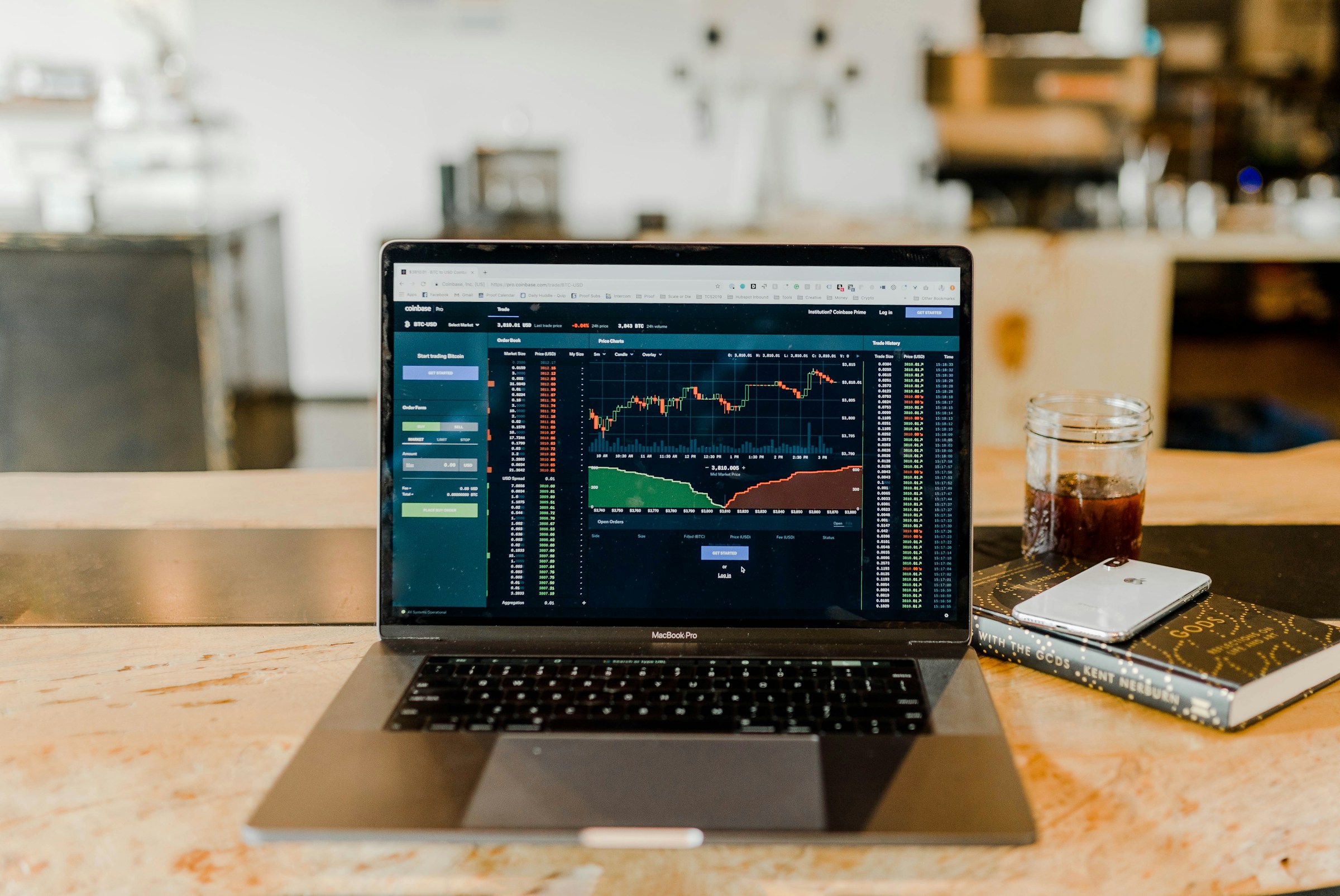
A funded trading account gives you access to substantial trading capital without risking your own money. Instead of spending years building up personal savings to trade at a meaningful scale, you demonstrate your skills through an evaluation process, and once approved, you trade with the firm's capital while keeping a significant portion of the profits. The firm absorbs the losses, you execute the strategy, and both parties benefit when you succeed.
This arrangement fundamentally changes the relationship between skill and opportunity. Traditional trading demands you risk personal funds, which means even talented traders with limited savings face years of grinding through small positions and slow growth. Funded accounts remove that barrier entirely. Your edge in the market is what matters, not the size of your bank account.
The Core Mechanics
Once you gain access to a funded account, you operate much like you would with any brokerage platform. You analyze markets, place trades, manage risk parameters, and aim to generate consistent returns. The critical difference lies in whose money sits in the account. The capital belongs to the funding firm, which means your personal savings remain untouched regardless of market outcomes.
Profit splits typically favor the trader heavily. According to Seacrest Markets, many firms offer an 80% profit split, with some structures providing even more generous terms on initial earnings. You execute trades, hit your targets, and withdraw earnings on a regular schedule, often weekly or bi-weekly, depending on the firm's payout structure.
The mechanics stay straightforward: you receive login credentials to a trading platform, typically MetaTrader 4, MetaTrader 5, or similar industry-standard software. You monitor positions, apply stop-loss orders, manage leverage, and adhere to the firm's risk guidelines. The platform functions identically to a standard retail account, except that the capital backing your trades comes from the firm's pool rather than your personal deposit.
How This Differs From Traditional Broker Accounts
Standard brokerage accounts require you to deposit your own funds, accept full responsibility for losses, and operate under regulatory frameworks designed for retail investors. You keep 100% of profits because you're risking 100% of the capital. The emotional weight of watching your savings fluctuate with every market tick creates pressure that often distorts decision-making.
Funded accounts flip this dynamic. The evaluation process replaces the capital deposit requirement. Instead of proving you have money, you prove you have skill. Firms want evidence of disciplined execution, consistent risk management, and the ability to generate returns without catastrophic drawdowns. Pass the evaluation, and you gain access to capital that would take years to accumulate on your own.
The regulatory environment differs, too. Traditional brokers are regulated by financial authorities that oversee retail client protection. Funded account firms operate as proprietary trading entities, meaning they set their own rules for profit targets, loss limits, and trading restrictions. You're not a client depositing funds for safekeeping; you're demonstrating competence to access a firm's trading capital.
The Qualification Journey
Most firms require you to complete a challenge phase before granting access to live funded accounts. This evaluation typically involves hitting specific profit targets, often 8-10% of the account size, while staying within daily and total loss limits. You might face a maximum daily loss of 5% and an overall drawdown limit of 10%, forcing you to balance aggression with preservation.
The testing environment uses simulated markets that mirror real conditions. Price feeds, execution speeds, and market depth replicate what you'll encounter when trading live capital. The firm wants to see how you handle winning streaks, losing periods, and the psychological pressure of approaching loss limits. Emotional discipline matters as much as technical skill.
Success rates tell a sobering story about the difficulty level. The evaluation process isn't designed to be easy; it's designed to identify traders who perform under pressure. Many participants underestimate how different trading feels when rules constrain your decisions, and targets create urgency. The traders who advance typically share one trait: they treat the evaluation exactly like they would a live account, never deviating from their proven process regardless of temporary setbacks.
For traders who've spent years building strategies with small personal accounts, the shift to meaningful capital access feels transformative. You're no longer wondering if your edge would work at scale. You're finding out, with someone else's money on the line and a clear path to keeping most of what you earn. The traditional model of slow capital accumulation gives way to performance-based access, where your results speak louder than your savings balance.
But not all funded accounts operate the same way, and the structure you choose shapes everything from how quickly you can start trading to how much of your profits you actually keep.
Related Reading
- Does Ftmo Offer Instant Funding
- How to Get a Funded Trading Account
- No Challenge Prop Firm
- Funding Traders Rules
- What Is a Prop Firm Account
- Synthetic Funded Account
- What is a Funded Firm
- One Step Prop Firm Challenge
- Trading Challenges
- Instant Funding Rules
- Prop Firm Ip Address Rule
- Halal Prop Firms
- Top 10 Prop Firms 2025
- Australia Prop Firm
- Cheapest Futures Prop Firm
- No Activation Fee Prop Firm
- Prop Firms In Usa
- Prop Firms That Allow Trade Copiers
- Best Prop Trading Firms
- Forex Prop Firms With Instant Funding
- Best Prop Firms For Forex
- Best Prop Firm To Start
- Best Instant Funded Prop Firm
- Best Prop Firms in UAE
What are the Types of Funded Trading Accounts?

Funded accounts are split into several distinct categories, each designed around different evaluation structures, capital access models, and risk frameworks. The type you choose determines how quickly you start trading, what restrictions you face, and how much control you retain over your approach.
Simulated Capital Versus Live Market Access
Simulated capital models let you trade in environments that mirror real market conditions without exposing the firm to immediate financial risk. You execute positions using virtual funds, but the profits you generate translate into actual payouts. This structure gives firms a buffer to assess their consistency before committing live capital, while they build confidence without the psychological weight of risking someone else's money from day one.
Live market access models skip the simulation layer entirely. You trade actual capital in real markets immediately after qualification, which means your decisions impact the firm's balance sheet directly. This setup typically comes with tighter oversight, stricter risk parameters, and faster consequences for rule violations. The upside? Your profits materialize in real time, and you're working with the same execution quality and market depth as institutional traders.
The distinction matters more than most traders initially realize. Simulated environments can feel forgiving because capital isn't technically at risk, which can lead to less disciplined decision-making during evaluations. Live capital forces a sharper focus, but it also amplifies pressure. According to LiquidityFinder's analysis of 30 genuine funded trader accounts, firms increasingly blend these models, offering simulated evaluations that transition into live accounts once traders demonstrate consistent performance over extended periods.
Single-Phase Versus Multi-Phase Evaluations
Multi-phase structures require you to pass sequential challenges before accessing funded capital. You might complete an initial phase targeting 8% returns within specified loss limits, then proceed to a verification phase targeting 5% returns with tighter constraints. Each stage tests different aspects of your trading psychology: the first measures your ability to generate returns, the second confirms you can replicate that performance without getting reckless after a win.
The extended timeline frustrates traders who already know their edge works. You're proving the same skill set twice, sometimes three times, which delays your path to actual payouts. The firms justify this by pointing to consistent data. A trader who hits targets once might have gotten lucky. A trader who replicates results across multiple phases probably has a repeatable process.
Single-phase evaluations consolidate everything into a single, focused challenge. You face a clear profit target, defined loss limits, and a single opportunity to demonstrate competence. Pass it, and you can trade funded capital within days. This structure appeals to experienced traders who don't need extended hand-holding and want immediate access to scale. The tradeoff? Less margin for error. One bad trading session that violates loss limits ends your attempt, whereas multi-phase models sometimes offer second chances or reset options.
Remote Platforms Versus Physical Trading Floors
Physical trading floors represent the traditional prop firm model. You show up to an office, trade alongside other firm members, and receive direct mentorship from senior traders. The environment fosters skill development through observation and real-time feedback, but it locks you into a specific geographic location. If the firm operates in Chicago or London, you either relocate or you don't participate.
Remote platforms eliminate geographic barriers. You can trade from anywhere with a stable internet connection, access the same capital and profit splits, and operate on your own schedule. This flexibility matters enormously for traders balancing other commitments or living in regions without local prop firm presence. The downside? You lose the ambient learning that comes from having experienced traders sit three feet away, and you're entirely responsible for maintaining discipline without external accountability.
Most firms offering remote access provide support through online channels, but it's not the same as having someone available mid-session to explain how they'd handle a specific market condition. You gain independence at the cost of community. For traders who thrive in solitude and already have developed strategies, remote models work perfectly. For those still refining their approach, the isolation can amplify mistakes that would have been caught early in a physical environment.
Instant Funding Versus Challenge-Based Access
Challenge-based models dominate the funded account space because they allow firms to screen for competence before committing capital. You pay an evaluation fee, complete the challenge, and if you pass, you gain access to a funded account. The firm recoups evaluation costs from fees charged to unsuccessful candidates, thereby subsidizing the capital it allocates to successful traders.
Instant funding flips this entirely. You bypass evaluations, pay a higher upfront cost, and start trading funded capital immediately. This structure suits traders with verifiable track records who don't want to spend weeks proving skills they've already demonstrated elsewhere. The higher entry cost reflects the firm's increased risk and also eliminates the psychological pressure of trading under evaluation constraints.
The choice between these models depends on where you sit in your trading journey. If you're still validating your edge or working with limited capital, challenge-based access makes sense. You pay a smaller fee, prove your skills, and transition to funded capital once you've demonstrated consistency. If you've already spent years trading successfully and want to scale immediately, instant funding removes the bottleneck entirely.
Some firms blend these approaches, offering both paths depending on trader preference and qualification level. A trader might complete a single-phase challenge to access $25,000, then later opt for instant funding to jump directly to a $100,000 account once they've proven consistent profitability. This flexibility lets you match the access model to your current skill level and risk tolerance without getting locked into one rigid structure.
But knowing the structural differences between account types only matters if the economics actually work in your favor when you start generating profits.
Is a Funded Account Worth It?

Yes, for disciplined traders who can execute consistently within defined rules, funded accounts deliver access to capital that would otherwise require years to accumulate, while capping personal financial risk at a modest evaluation fee. Many aspiring traders assume that meaningful success in the markets demands years of grinding with tiny personal accounts or risking life savings on high-stakes trades, often leading to repeated wipeouts and stalled progress.
This traditional view creates unnecessary barriers, sidelining capable individuals who lack substantial starting capital. Funded accounts flip this narrative by providing access to professional-grade capital after demonstrating skill through structured evaluations, allowing traders to focus on performance rather than preserving limited funds.
Recent industry data underscores the growing viability of this approach: the global proprietary trading firm market reached approximately $20 billion in 2021 and continues expanding at a compound annual growth rate of about 7% through 2028, reflecting strong demand and sustained payouts to qualified traders. With average funded capital of around $250,000 and profit shares typically ranging from 60-80%, funded trading offers a credible way to scale earnings while minimizing personal exposure, making it an attractive option for disciplined participants eager to accelerate their journey.
Capital Access That Changes the Math
Trading with $5,000 of personal savings limits position sizes to the point where even a 3% monthly return generates only $150. That same 3% applied to $250,000 of funded capital produces $7,500, and you keep 60-80% depending on your profit split. The absolute dollar difference transforms what's possible. A consistent edge that felt painfully slow with personal funds suddenly generates meaningful income.
Most traders underestimate how long it takes to compound a small account into a meaningful size. Starting with $5,000 and targeting 5% monthly returns, you'd need roughly three years of flawless execution to reach $25,000, assuming zero withdrawals and perfect consistency. Funded accounts collapse that timeline entirely. Pass an evaluation in 30 days, and you're trading capital that would have taken years to build independently.
The leverage effect extends beyond raw dollars. Larger accounts allow you to diversify across multiple positions, spread risk more effectively, and capture opportunities across different market conditions. With a $5,000 account, you're often forced into single-position concentration. With $250,000, you can run a portfolio approach that smooths volatility and reduces the psychological pressure of any single trade determining your week.
The Real Cost of Entry
Personal financial exposure in funded trading typically stops at the evaluation fee, which FunderPro's 2025 analysis indicates hovers around $150 for most standard challenges. That's your total downside. You don't risk ongoing capital in markets, you don't face margin calls that drain savings, and you don't experience the gut-wrenching reality of watching years of accumulated funds evaporate in a single volatile session.
Compare that to self-funded trading, where every loss comes directly from money you earned elsewhere. A $2,000 drawdown in your personal account isn't just a number on a screen. It's rent, groceries, or the emergency fund you spent months building. That emotional weight distorts decision-making in ways most traders don't recognize until they've blown through multiple accounts. You hold losing positions too long, hoping for reversals, you cut winners early to lock in any profit, and you trade scared because the stakes feel existential.
Funded accounts remove that psychological burden. The capital belongs to someone else, which paradoxically makes it easier to follow your rules. When a trade moves against you and hits your stop loss, you exit cleanly because you're not watching your personal savings decline. The emotional distance creates space for rational execution, which is exactly what consistent profitability requires.
Profit Splits That Reward Performance
Keeping 70-80% of what you generate means your earnings scale directly with your skill, not your savings balance. A trader producing $10,000 per month with funded capital takes home $7,000- $8,000, depending on their agreement. That same trader, working with a $10,000 personal account, might generate $300- $500 per month at comparable percentage returns and keep all of it, but the absolute difference speaks for itself.
The split structure aligns incentives cleanly. Firms profit only when you profit, which means they want you to succeed within their risk parameters. There's no conflict of interest where the firm benefits from your losses. If you consistently hit targets, they scale your capital. If you struggle, they limit exposure. The relationship remains transactional and performance-based, reducing much of the ambiguity that clouds traditional broker-client dynamics.
Payout frequency matters as much as split percentage. Many programs process withdrawals weekly, turning trading performance into regular income rather than abstract account balance fluctuations. That rhythm creates accountability and makes the activity feel like real work with tangible compensation, not a gamble with delayed gratification.
The Psychological Shift
Trading funded capital forces you to operate within boundaries that many traders initially resist but ultimately need. Daily loss limits, maximum drawdown thresholds, and prohibited strategies create a framework that prevents the catastrophic mistakes that end most trading careers. You can't revenge trade your way out of a bad morning because the rules won't allow it. You can't double position sizes after a win because leverage limits your ability to do so.
These constraints feel restrictive until you realize they're protecting you from yourself. The freedom of an unregulated personal account sounds appealing, but it's the same freedom that lets you destroy months of progress in a single emotional session. Funded account rules externalize discipline, which matters enormously when your own willpower falters under pressure.
The structure also eliminates the slow bleed that kills most personal accounts. Without clear rules, traders often lose money gradually due to poor position sizing, a lack of stop losses, or holding trades too long. Funded programs force precision from day one. You know exactly how much you can risk, what constitutes a rule violation, and when you need to step away. That clarity accelerates learning because feedback comes fast and unambiguous.
When the Model Breaks Down
Funded accounts don't fix fundamental skill gaps. If you can't generate consistent returns with a demo account, adding evaluation pressure and rule constraints won't suddenly make you profitable. According to City Traders Imperium, 90% of traders lose money regardless of structure, meaning most participants fail evaluations not because the system is rigged, but because they haven't yet developed an actual edge.
The evaluation environment amplifies every weakness in your process. Inconsistent risk management that might survive for months in a personal account gets exposed within days when daily loss limits create hard boundaries. Strategies that rely on high-risk setups or long holding periods often violate rules designed for capital preservation. If your approach depends on flexibility that funded programs don't allow, you're fighting the structure instead of working within it.
Some traders also underestimate the psychological pressure of trading under observation. Knowing that every trade gets monitored, that rule violations end your attempt, and that profit targets create urgency changes how decisions feel. For traders who perform better with complete autonomy, funded accounts can actually hurt performance despite the capital advantage.
Many programs now offer pathways that reduce friction for traders who've already proven themselves elsewhere. Platforms like funded accounts for futures trading offer instant funding options that skip lengthy evaluations, allowing experienced traders to access capital immediately while keeping 100% of their first $15,000 in profits. This structure works when you're confident in your edge and want to scale without repeating the same skills across multi-phase challenges.
The Scaling Opportunity
Consistent performance in funded trading opens doors that self-funded approaches rarely provide. Many programs increase allocations after you demonstrate sustained profitability, letting you manage $500,000 or more without injecting additional personal capital. That progression creates a career path in which your earnings compound not just through returns but also through access to progressively larger pools of capital.
The scaling happens systematically. Hit your targets for three consecutive months, and you might receive a 25% capital increase. Maintain performance for six months, and you could double your allocation. This structure rewards patience and consistency in ways that personal account trading never can. Your skill becomes the limiting factor, not your savings rate.
Some traders eventually manage multiple funded accounts simultaneously, diversifying across firms and strategies to create portfolio-level income streams. This approach requires careful coordination to avoid overtrading or violating rules across platforms, but it demonstrates how funded trading can evolve from a single capital source into a comprehensive business model.
Real Outcomes From Real Traders
Traders who pass evaluations and maintain funded accounts often report income that exceeds what they earned in previous careers, particularly once they scale beyond initial allocations. A trader managing $200,000 and generating 4% monthly returns keeps $6,400- $7,200 after profit splits, which annualizes to $76,800- $86,400 if sustained. That's a middle-class income from a skill that requires no formal credentials, no commute, and complete schedule flexibility.
The path isn't easy, and the statistics on pass rates reflect that reality. But for the subset of traders who develop genuine edges and can execute under structured rules, funded accounts compress the timeline from beginner to professional by removing the capital-accumulation bottleneck entirely. You're judged on results, not resources, which makes the model unusually meritocratic compared to most financial careers.
The difference between funded trading and traditional approaches comes down to whether you're optimizing for control or for scale. Personal accounts give you complete autonomy but slow growth. Funded accounts trade some freedom for immediate access to capital that changes what's financially possible. For traders who value acceleration over independence, the tradeoff makes sense.
But choosing the right funded account requires understanding what actually matters when you're comparing programs, because not all structures serve the same trading styles or goals equally well.
How to Choose a Funded Account for Your Trading Goals

Choosing the right funded account starts with matching the program's structure to your actual trading behavior, not the idealized version you wish you had. Look at how you've traded for the past six months. Do you hold positions overnight regularly? Do you trade news events? Do you need flexibility to adjust stop losses mid-trade? The answers determine which programs will support your approach and which will consistently oppose it.
The firms with the most restrictive rules aren't necessarily worse. They're protecting capital in ways that reflect their risk tolerance, and if your style aligns with those boundaries, you'll never feel constrained. The mismatch happens when traders select programs based on marketing appeal rather than operational compatibility, then spend months frustrated by limitations they should have anticipated from day one.
Evaluation Structure That Fits Your Timeline
Single-phase challenges suit traders who've already refined their edge and want fast capital access. You face a single, concentrated test, and if your process holds up under pressure, you're funded within weeks. This path makes sense when you've traded profitably for extended periods and confidence in your consistency runs high.
Multi-phase evaluations serve traders still building reliability. The extended timeline creates space to demonstrate that your results aren't flukes. You prove performance once, then replicate it under slightly different conditions, which filters out variance and confirms genuine skill. The slower progression frustrates experienced traders but protects newer ones from advancing before they're ready.
According to World Business Outlook, many leading programs now offer an 80% profit split, but the percentage matters less than payout speed and reliability. A 70% split with weekly withdrawals often delivers more usable income than an 80% split with monthly processing delays.
Risk Parameters That Match Your Position Sizing
Daily loss limits define how much capital you can risk in a single session before rules force you to stop. A 5% daily limit on a $100,000 account gives you $5,000 of room, which sounds generous until you run multiple positions simultaneously or trade volatile instruments, where stops must be wider by necessity.
Calculate your typical risk per trade, multiply by the maximum concurrent positions you usually hold, and compare that total to the daily limit. If your standard approach risks $2,000 per position and you often run three trades at once, you need at least a $6,000 daily threshold to operate comfortably. Anything tighter forces you to reduce position sizes or trade fewer setups, which changes your edge in ways that might eliminate it entirely.
Maximum drawdown limits operate similarly but measure cumulative losses from your peak account balance. A 10% total drawdown cap means once you're down $10,000 from your highest point, the account closes regardless of daily performance. This boundary matters enormously during losing streaks, which every trader experiences regardless of skill level.
Trading Restrictions That Align With Your Strategy
Some programs prohibit holding positions through major economic releases because volatility spikes create risk the firm doesn't want to absorb. If your strategy depends on capturing moves during Federal Reserve announcements or non-farm payroll reports, those restrictions eliminate your primary edge entirely.
Weekend holding rules affect swing traders who build positions expecting multi-day moves. Firms that require flat books by Friday afternoon force you to close trades that haven't yet reached their targets, disrupting natural position management and often leading to premature exits that artificially cap profits.
Instrument limitations matter for traders who diversify across asset classes. A program restricting you to major currency pairs won't work if your edge comes from trading agricultural futures or cryptocurrency contracts. Capital access is meaningless if you can't apply it to markets where your analysis actually generates results.
Platform Quality and Execution Speed
Execution delays measured in milliseconds separate profitable entries from missed opportunities, especially for strategies relying on precise timing. City Traders Imperium notes that some platforms exhibit a 2,000-millisecond latency during peak volatility, making scalping or momentum trading nearly impossible.
The trading interface itself shapes daily experience more than traders initially expect. Clunky order entry, unreliable charting tools, or platforms that freeze during fast markets create friction that compounds over hundreds of trades. Test the demo environment extensively before committing, paying attention to how quickly orders fill, whether stop losses execute reliably, and if the platform handles multiple positions cleanly.
Support Infrastructure and Educational Resources
Responsive support matters most when you're navigating rule clarifications or technical issues that block trading. Firms offering live chat or phone access during market hours resolve problems fast, while those limited to email tickets leave you waiting days for answers to time-sensitive questions.
Performance analytics provided by better programs help identify patterns in your trading that aren't obvious from platform data alone. Detailed breakdowns showing win rates by time of day, average hold times, or profit factors across different setups accelerate improvement by surfacing exactly where your edge strengthens or weakens.
Most traders handle program selection by comparing profit splits and account sizes because those numbers feel tangible and easy to rank. As capital allocations grow and trading frequency increases, the hidden costs emerge. Platforms with poor execution quality leak profits through slippage that compounds across hundreds of trades. Restrictive rules force strategy adjustments that gradually dilute your edge. Support delays during critical moments cost opportunities that never return.
Programs like AquaFutures address these friction points directly through instant funding that eliminates evaluation delays, 100% profit retention on initial earnings that maximizes early returns, and 24-hour payout guarantees that turn performance into accessible income immediately. The structure removes barriers that slow progress elsewhere, letting you focus entirely on execution rather than navigating program limitations.
Reputation Verification Through Independent Sources
Trader testimonials on company websites are not useful because no company voluntarily publishes negative feedback. Independent review platforms, trading forums, and social media discussions reveal patterns that marketing materials hide. Look for consistent themes across multiple sources rather than isolated complaints, since every firm faces occasional disputes regardless of quality.
Payout proof matters more than promotional claims. Screenshots of actual withdrawal confirmations, bank deposits, and payment processor records demonstrate that the firm honors agreements when traders execute trades. The absence of verifiable payout evidence, despite claims of thousands of funded traders, raises concerns.
Regulatory status varies by jurisdiction and doesn't always indicate quality, but it does show whether the firm operates transparently under external oversight. Programs registered with financial authorities face greater accountability than purely offshore entities, which matters when disputes arise or questions about fund security arise.
Scaling Pathways That Reward Consistency
Capital increases after sustained profitability turn good months into career-changing opportunities. Firms offering 25-50% allocation bumps every quarter create a clear progression in which your earning potential compounds through both returns and access to larger positions. This scaling transforms funded trading from temporary capital access into a genuine business model.
The criteria for advancement matter as much as the increases themselves. Programs requiring three consecutive profitable months before scaling test consistency more rigorously than those bumping capital after a single strong period. Stricter advancement rules protect you from overleveraging before your process proves durable across different market conditions.
Some firms cap maximum allocations at $200,000 or $300,000, which eventually limits growth regardless of performance. Others scale indefinitely based on results, letting exceptional traders manage seven-figure accounts if consistency justifies the risk. Your long-term ambitions should inform which ceiling feels acceptable, since switching firms later means restarting evaluation processes and rebuilding track records from zero.
But securing funding is just the beginning, and most traders underestimate how different it feels when real capital and binding rules replace the flexibility of personal accounts.
Related Reading
- Best Funded Prop Firms
- Prop Firms That Use TradingView
- 1 Phase Prop Firm
- No Consistency Rule Prop Firm
- Prop Firms That Use Tradelocker
- Prop Firm Comparison
- How Do Prop Firms Work
- Regulated Prop Firms
- Prop Challenge
- The Cheapest Prop Firm
- Trading With Borrowed Capital
- Top Tradig Prop Firms
- Top Prop Company
- US-based Prop Firms
- Top 10 Prop Firms In The World
How to Manage a Funded Account Successfully

Preserving capital through disciplined risk controls matters more than chasing aggressive returns. Position sizing that limits exposure to 0.5% to 1% per trade, combined with automatic stop-loss orders, keeps accounts active through inevitable losing streaks while protecting the profit-sharing opportunity that makes funded trading worthwhile. The firms funding your trades care less about spectacular wins and more about whether you'll still be trading profitably six months from now.
Conservative Position Sizing Protects Longevity
Calculate your risk per trade before entering any position, treating the firm's drawdown limits as non-negotiable boundaries rather than targets to approach. A $100,000 account with a 10% maximum drawdown gives you $10,000 of total loss capacity, but risking even half that amount in your first week signals poor judgment that most programs won't tolerate. Spread that risk across dozens of trades instead, giving your edge time to materialize through statistical repetition rather than relying on individual positions to deliver outsized gains.
Traders often feel constrained by these limits and want to capitalize on their advantages when conviction is high. That impulse destroys more funded accounts than bad analysis ever does. The math stays unforgiving: lose 10%, and you need an 11% gain to recover; lose 20%, and you need 25% just to break even. Conservative sizing keeps you well away from those recovery scenarios, allowing compounding to work in your favor rather than against it.
Document Every Trade With Precision
Recording entry rationale, market conditions, position size, and emotional state during execution creates a feedback loop that accelerates improvement faster than any external coaching. Review these logs weekly to identify patterns that distinguish profitable from losing trades. You'll notice you win more often during specific market hours, or that trades taken after two consecutive losses carry different risk profiles than fresh entries after rest periods.
The documentation process itself improves discipline. Knowing you'll need to justify each trade in writing makes impulsive decisions harder to execute. That friction between impulse and action creates space for rational assessment, often preventing trades that would have violated your rules or stretched beyond your tested edge.
Treat Firm Rules as System Requirements
Every proprietary program specifies maximum daily losses, total drawdown thresholds, prohibited trading practices, and minimum activity levels. Violating any parameter, even accidentally, typically results in immediate account termination, regardless of your overall profitability. Familiarize yourself with these boundaries before placing your first trade, then build them into your routine as automatic constraints that shape every decision.
Many traders lose access not through catastrophic losses but through technical rule breaks they didn't anticipate. Trading during restricted news events, holding positions past allowed timeframes, or exceeding leverage limits by small margins all result in deactivation. The firms enforce these boundaries strictly because their risk models depend on every funded trader operating within identical parameters.
Extract Value From Available Resources
Performance dashboards provided by better programs surface metrics you wouldn't calculatemanually, revealing win rates by instrument, time of day, profitability patterns, and average hold times that either align with or contradict your strategy assumptions. Use these analytics monthly to identify where your execution matches your plan and where drift occurs gradually without conscious awareness.
Educational content and mentoring options offered by some firms accelerate skill development if approached systematically rather than consumed passively. Schedule specific times to engage with these materials, treating them as professional development rather than optional supplements. The traders who advance fastest typically combine independent practice with structured learning from those who've already navigated the path successfully.
Build Repeatable Processes Over Spectacular Results
Consistency compounds through the steady execution of high-probability setups rather than forcing trades during unfavorable conditions to meet arbitrary targets. According to BlueGuardian, only 3% of funded traders consistently receive payouts, largely because most prioritize daily profit targets over process adherence. Traders who earn regular withdrawals focus on setup quality rather than frequency, accepting smaller, reliably accumulating gains rather than chasing moves that rarely materialize as expected.
This patience sets enduring, funded traders apart from those who cycle through multiple evaluations without understanding why results don't carry over from demo accounts to live capital. The psychological difference between trading your own money and managing a firm's capital creates pressure that exposes every weakness in your decision framework. Traders who survive this transition share one trait: they execute identically regardless of whether the account shows gains or losses on any given day.
Many programs complicate this process with lengthy evaluations and delayed payouts, making consistent execution feel disconnected from tangible rewards. Platforms like funded accounts for futures trading address this friction directly, offering instant funding that eliminates evaluation delays and 24-hour payout guarantees that turn performance into accessible income immediately. When you keep 100% of your first $15,000 in profits and receive weekly withdrawals reliably, the focus shifts naturally from gaming evaluation metrics to building sustainable trading habits that generate real income.
Monitor Emotional Patterns That Predict Mistakes
Track your mental state before, during, and after each trading session, noting when anxiety, overconfidence, or frustration influenced decisions. These emotional markers often precede rule violations or impulsive trades that deviate from your tested approach. Recognition alone doesn't prevent these patterns, but it creates awareness that enables you to implement circuit breakers, such as mandatory breaks after two consecutive losses or position-size reductions when stress runs high.
The traders who maintain funded accounts the longest develop systems that protect them from their own psychology. They know which market conditions trigger overtrading, which losing streaks tempt revenge trading, and which winning streaks breed complacency that leads to sloppy execution. This self-knowledge, documented through months of journaling, is as valuable as any technical analysis skill because it prevents behavioral errors that can end careers despite solid market understanding.
But even perfect execution within firm rules won't matter if you're paying more than necessary to access that capital in the first place.
Related Reading
- Prop Firm Swing Trading
- Best Prop Firms for Stocks
- Prop Firms That Use MT5
- No Minimum Trading Days Prop Firm
- Prop Firms With Instant Funding
- One Phase Prop Firm
- Proprietary Trading Firms
- Best Funded Accounts UK
- Best Prop Firm in the World
- Cheapest Forex Funded Account
- Best Prop Firms That Allow EA
- Best UK Prop Firm
- Forex Prop Firms Accepting US Clients
- Best Forex Funded Prop Firms
- Best Funded Account Forex in UAE
Unlock up to 50% off Your First Funded Account for Futures Trading
You've learned how funded accounts work, how to choose one that fits your trading style, and how to manage capital once you're approved. The remaining question is simpler than most traders expect: how do you start without wasting time on endless evaluations or paying unnecessary fees?
AquaFutures makes access straightforward. Instant funding options let you skip evaluation delays entirely. You keep 100% of your first $15,000 in profits, receive payouts within 24 hours, and trade with up to $450,000 in capital based on performance. The structure rewards your edge immediately rather than requiring you to repeatedly demonstrate the same skills through multi-phase challenges.
Thousands of traders already use the platform because the rules stay transparent, support responds fast, and payouts arrive reliably every week. Get funded today with up to 50% off your first account, and check the current BOGO deals and bonuses that let you scale faster without doubling your entry costs.
