



What is a Funded Trading Firm and How Does It Work?
This guide breaks down exactly how funded trading programs work, what evaluation processes you'll face, and how you can access substantial trading capital

Consider this: you've spent months studying trading strategies, watching market movements, and practicing your skills on a demo account. But when it comes to risking your own money, the fear of losing your hard-earned savings stops you cold. What is a funded account, and how can understanding funded firms transform your trading career without putting your personal capital on the line? This guide breaks down exactly how funded trading programs work, what evaluation processes you'll face, and how you can access substantial trading capital—sometimes $200,000 or more—to scale your trades while the firm absorbs the financial risk.
AquaFutures offers funded accounts for futures trading that eliminate the capital barrier standing between you and professional-level trading. Instead of gambling with your savings, you can prove your trading abilities through their evaluation process and gain access to firm capital that lets you trade at a scale most retail traders never reach. Their program is designed to identify skilled traders and provide them with the resources to succeed, creating a partnership where your talent meets their funding.
Summary
- Trading requires substantial capital to generate meaningful income, but funded firms bridge this gap by providing access to professional-scale buying power after you pass their evaluation process. A trader with $10,000 in personal capital might risk $200 per trade under prudent 2% risk rules, generating approximately $4,000 per month on a perfect run. Fund that same trader with $100,000, and identical execution suddenly produces $40,000 in gross profits, with 80% to 90% profit splits, leaving you $32,000 to $36,000. Your strategy didn't change; only the capital backing your decisions scaled, multiplying results by an order of magnitude without requiring years to accumulate six-figure trading accounts through personal savings.
- Most traders fail their first evaluation; industry data show only 5% pass prop firm challenges, and 80% of all traders fail within their first year. This harsh reality reflects the inherent difficulty of trading, where emotional discipline, risk management, and consistent execution set the small percentage who succeed apart from the majority who struggle. The evaluation process isn't designed as an automatic approval but as a genuine filter for capability, testing whether you can generate 8% to 10% returns while maintaining strict drawdown limits of 4% to 6%. These boundaries force the development of proper position sizing and stop-loss placement that protects both you and the firm's capital throughout your career.
- Legitimacy in funded trading comes down to payout performance, not marketing promises. Firms that process withdrawals within 24 to 48 hours, maintain transparent terms, and allow frequent withdrawal requests demonstrate operational integrity that separates credible operators from entities primarily extracting evaluation fees. The business model works when both revenue streams contribute, assessment fees covering infrastructure costs, and profit sharing rewarding successful traders, not when firms design nearly impossible evaluations and rely almost entirely on repeated challenge purchases from traders who never get funded.
- Rule structures reveal whether firms genuinely assess skill or engineer failure. Legitimate operations establish achievable parameters, with profit targets of 8%-10%, maximum drawdowns of 4%-6%, and transparent policies on holding times and position sizing. Questionable operators introduce arbitrary restrictions, such as unrealistically tight daily loss limits relative to normal market volatility, minimum trading-day requirements that force activity during unfavorable conditions, or vague language about violations that seems designed to trigger disqualifications rather than filter for competence.
- Behavioral patterns shift dramatically once traders receive funding, with most increasing risk and violating the same rules they followed during evaluation. Psychology changes when protecting your fee investment becomes impatience for payouts or a desire to maximize profit splits by taking larger positions and looser stop-losses. This pattern explains why firms that emphasize fast payout processing and transparent profit structures reduce the friction that breeds overtrading, because rewards arriving within 24 hours rather than accumulating behind arbitrary monthly schedules diminish the temptation to chase faster results through excessive risk.
- AquaFutures offers funded accounts for futures trading that address the capital barrier and payout friction through instant funding options, 24-hour withdrawal processing, and 100% profit splits on initial earnings, creating alignment where your demonstrated skill receives immediate reward rather than delayed gratification that encourages behavioral shifts away from the discipline that earned funding in the first place.
What is a Funded Trading Firm and How Does It Work?

A funded trading firm provides access to capital, allowing you to trade without risking your own money. You prove your skill through an evaluation process, and if you pass, the firm backs you with substantial buying power while you keep the majority of profits. This model shifts risk from your personal savings to the firm's resources, allowing you to focus on executing strategies rather than on depleting your account. The structure benefits both sides. You gain leverage and scale you couldn't afford on your own. The firm identifies capable traders who can generate returns using their capital. Success depends on your ability to follow rules, manage risk, and produce consistent results within defined parameters.
The Core Mechanics of Funded Firms
Funded firms operate on a simple premise: talent matters more than wealth. Traditional trading requires substantial personal capital to generate meaningful income. A $5,000 account might yield $500 on a strong month, barely covering expenses. Scale that to $100,000 in funded capital, and the same performance produces $10,000, with you keeping $8,000 to $9,000 after the profit split. The firm absorbs downside risk. If you lose money during evaluation or violate risk rules, you restart the process but never owe the firm anything beyond the initial assessment fee. This asymmetric risk profile attracts disciplined traders who have developed reliable methods but lack the capital to execute them at scale. Some firms offer up to a 90% profit split, meaning traders retain the vast majority of their earnings. The firm's revenue comes from evaluation fees and a retained percentage of profits, creating an alignment in which both parties benefit from your success.
The Evaluation Gateway
Before accessing capital, you complete an assessment that simulates real trading conditions. You receive specific profit targets, typically 8-10% of the account size, while maintaining strict drawdown limits, usually 4-6%. These boundaries test your ability to generate returns without excessive risk. The assessment isn't about luck or aggressive gambling. It filters for traders who can compound gains steadily while protecting capital during inevitable losing streaks. Rules are transparent: hit your profit goal without breaching maximum loss thresholds, avoid holding positions through restricted times, and demonstrate consistency across multiple trading days.
Traders are often unsure about the proper classification of this income for tax purposes, particularly when working with international firms. The evaluation process creates a financial barrier: you may lose your entry fee if the guidelines are violated, and you may be required to repeat the evaluation if you fail. This upfront investment, typically ranging from a few hundred to several thousand dollars depending on account size, covers the simulation platform and administrative overhead.
From Simulation to Real Capital
Passing the evaluation moves you into a funded environment, though many firms start you in an extended simulation phase where profits become real even if the underlying capital remains virtual. This hybrid model protects the firm while proving you can maintain performance over time. You continue to follow the same risk rules, but now your earnings translate into actual payouts. Processing typically takes 24 to 48 hours after a withdrawal request. Frequency depends on the firm's policies: some allow weekly payouts once minimum thresholds are met, while others require biweekly or monthly cycles. Multiple accounts can run simultaneously if you pass several evaluations, multiplying your earning potential. A trader managing three $100,000 accounts effectively controls $300,000 in buying power, with profit splits stacking across all positions. This scalability is the primary advantage over personal account trading, where capital constraints limit growth regardless of skill level.
Progression and Elite Status
Top performers eventually graduate to trading live capital in real market conditions. At this level, allocations can reach $450,000 or more, with no caps on absolute earnings. The firm monitors performance closely, but successful traders gain increasing autonomy and larger capital commitments. This elite tier represents the pinnacle where proven experts operate with substantial backing. The firm provides infrastructure, technology, and risk-management oversight to support your execution of strategies. Profit splits may improve at higher levels, with some firms offering bonuses or increased percentages for exceptional consistency. Continuous improvement matters throughout this journey. Firms often provide educational resources, performance analytics, and community support to help traders refine their approaches. The goal isn't just to pass the evaluation; it's to build sustainable, long-term profitability that justifies expanding your capital allocation.
Markets and Instruments Available
Most funded firms focus on futures contracts, covering indices such as the S&P 500, Nasdaq, and Dow, as well as commodities such as crude oil, gold, and natural gas. Futures offer deep liquidity, extended trading hours, and standardized contracts that simplify risk management. The leverage inherent in futures aligns well with funded firm models, where position sizing relative to account balance matters more than absolute capital. Forex is another common offering, providing access to major currency pairs and, in some cases, exotic crosses. The 24-hour forex market serves traders across time zones, and tight spreads on popular pairs such as EUR/USD and GBP/USD enable scalping and day-trading strategies. Some firms expand into cryptocurrencies, individual equities, or options, though availability varies significantly. Regulatory considerations and the complexity of risk management influence which instruments each firm supports. Before committing to an evaluation, verify that the specific markets offered match your trading expertise and strategy requirements.
Who Thrives in Funded Firm Trading
This path rewards discipline above all else. Traders who follow structured processes, maintain detailed journals, and adapt based on data rather than emotion tend to succeed. The evaluation phase quickly eliminates impulsive gamblers, as consistent rule violations result in account termination regardless of temporary profits. You need proven strategies tested across various market conditions. The assessment timeline doesn't allow for extended learning curves or experimental approaches. Traders who arrive with backtested methods and clear execution plans pass at higher rates than those treating evaluation as a learning opportunity.
Risk management skills separate successful candidates from the majority who fail. Understanding position sizing, stop-loss placement, and correlation across trades becomes critical when strict drawdown limits govern every decision. A single large loss can end an evaluation, so calculating risk per trade relative to account size must be automated. Platforms like AquaFutures prioritize trader success by offering transparent terms, achievable profit targets, and responsive support, reducing friction in the funding process. Their approach emphasizes speed, with instant funding and 24-hour payouts, alongside generous profit structures, including 100% splits on initial earnings. This trader-first philosophy contrasts with firms that create unnecessary barriers or delay payments, recognizing that your skill deserves immediate reward for your performance.
The Reality Behind the Opportunity
Funded firm trading isn't passive income or a shortcut to wealth. It's a performance-based career requiring the same dedication as any professional endeavor. Most traders fail their first evaluation, underestimating the psychological pressure of trading with defined risk parameters or overestimating their current skill level. Success rates improve dramatically for those who treat evaluation as a job interview, not a lottery ticket. Practicing in demo accounts with identical rules before paying for assessment, reviewing every trade for lessons rather than just outcomes, and accepting that consistency matters more than home runs all contribute to better results.
The profit-sharing structure means your income scales with performance, but it also means zero earnings during losing periods. Unlike salaried positions, there is no safety net beyond the firm's capital protection. This variable income requires financial planning and realistic expectations about how long it will take to build consistent profitability. But once you understand what funded firms actually provide beyond capital access, the real value becomes clear.
How Do Funded Firms Help Traders?

Funded firms remove the single biggest obstacle between skill and income: capital. You can refine strategies for years, develop disciplined risk management, and prove consistent returns in demo accounts, but without substantial buying power, your earnings remain capped by your savings. These firms bridge that gap by providing access to professional-scale capital, advanced infrastructure, and support systems that accelerate your path from capable trader to profitable professional. The help extends far beyond simply providing your account balance. Firms create structured environments where your edge can compound without the psychological weight of personal financial ruin. They supply technology that would cost thousands to replicate independently, negotiate trading conditions that improve your economics on every position, and offer communities where you learn from peers navigating identical challenges. This ecosystem transforms trading from isolated speculation into a supported career in performance.
Capital Access That Matches Your Skill
The core value proposition starts with scale. A trader with $10,000 in personal capital might risk $200 per trade following prudent 2% risk rules. Even a perfect month with ten winning trades at 2:1 reward-to-risk only generates $4,000 in gross profit. Subtract living expenses, and growth stalls before it begins. Fund that same trader with $100,000, and identical risk management suddenly allows $2,000 per position. The same ten-trade winning streak produces $40,000, with profit splits leaving you $32,000 to $36,000. Your strategy didn't change. Your execution remained identical. Only the capital backing your decisions is scaled, multiplying results by an order of magnitude. This leverage matters most for traders who've moved beyond learning fundamentals but lack the years required to accumulate six-figure trading accounts through personal savings. You prove competency through evaluation, then immediately operate at a professional scale rather than spending a decade slowly building capital from small wins.
Professional Infrastructure Without the Cost
Trading platforms, data feeds, and execution quality create material differences in profitability. Retail accounts often suffer from wider spreads, slower fills, and limited charting capabilities. Professional-grade setups with direct market access, institutional pricing, and advanced analytics can cost $500 to $2,000 monthly before placing a single trade. Funded firms absorb these infrastructure costs while providing you access to the same tools institutional traders use. You receive platforms such as MetaTrader 5, cTrader, or specialized futures software preconfigured with optimal settings. Real-time data streams across multiple markets come standard, not as expensive add-ons. Execution speed improves with co-located servers and direct exchange connections, which reduce latency. The economic advantage compounds over time. A retail trader paying $1,200 annually for data feeds plus $800 for platform subscriptions needs to generate $2,000 just to break even before earning a dollar. Funded traders access superior infrastructure at zero ongoing cost, keeping every dollar of profit share rather than subsidizing technology expenses.
Trading Conditions That Improve Your Edge
Beyond platforms, firms negotiate market access terms that enhance profitability on every trade. Spreads tighten when firms aggregate volume across hundreds of traders, giving you pricing closer to institutional levels than retail accounts typically achieve. A two-pip improvement on EUR/USD might seem trivial, but across hundreds of trades annually, those savings translate to thousands in retained profit.
Commission structures favor active traders through volume-based pricing unavailable to individuals. Futures contracts that cost $4.50 round-turn at retail brokers might drop to $1.50 through funded firm arrangements. Multiply that $3 savings across twenty daily trades, and you're keeping an extra $1,200 monthly that would otherwise disappear into transaction costs. Some firms eliminate overnight holding restrictions or news trading limitations common in retail prop models. This flexibility allows you to trade your actual strategy rather than conforming to arbitrary rules designed to limit the firm's risk. When your edge involves holding positions through economic releases or capturing overnight gaps, these permissions become essential rather than optional features.
Support Systems That Address Real Challenges
Trading in isolation creates blind spots. You might repeat the same execution mistakes for months without recognizing the pattern. Emotional discipline erodes during losing streaks when nobody validates that drawdowns are normal, not evidence of system failure. Many teams struggle with maintaining consistency across flat trading days while waiting for proper setups, a challenge that compounds when you're alone with your thoughts and a blinking screen. Funded firms provide coaching, performance analytics, and psychological resources that address these human elements. Detailed trade journals with automated analysis reveal patterns you'd miss reviewing charts manually. Weekly reviews with experienced traders can help determine whether your recent losses reflect poor execution or simply unfavorable market conditions that require patience.
The psychological dimension matters more than most traders acknowledge until they experience extended drawdowns. Access to sports psychology techniques, mindfulness training, and structured routines helps maintain emotional equilibrium when markets test your discipline. These resources prevent behavioral shifts that destroy accounts, such as abandoning proven strategies after three losing days or increasing position sizes to recover losses quickly.
Community Connection and Shared Learning
Trading attracts independent personalities, but complete isolation creates disadvantages. You miss emerging market dynamics that peers notice first. Strategy refinements that could save months of trial and error remain undiscovered. The emotional weight of losses feels heavier without others who understand the specific pressure of risking capital daily. Funded firm communities connect you with traders at similar skill levels facing identical challenges. Discord channels, private forums, and regular meetups create spaces where sharing a frustrating loss doesn't require explaining what "stop-hunting" means or why you feel angry about being shaken out before a move. Everyone speaks the same language and understands the unique psychology of performance-based income. These networks also surface tactical improvements faster than solo research. When someone discovers a platform setting that improves order execution or identifies a market inefficiency worth exploring, that knowledge propagates through the community within hours. You benefit from collective intelligence while contributing your own observations, accelerating everyone's development.
Profit Structures That Reward Performance
The financial arrangement aligns incentives in ways traditional employment never could. Your income directly reflects your results, with profit splits typically ranging from 75% to 90% in your favor. Exceptional months where you generate $50,000 in trading profits can put $40,000 to $45,000 in your pocket, far exceeding what salaried positions offer even senior traders.
This performance-based model means your ceiling depends entirely on skill and consistency, not arbitrary salary bands or annual raise percentages. Scale multiple funded accounts simultaneously, and your earning potential multiplies accordingly. A trader managing three $100,000 accounts who averages 8% monthly returns across all positions generates $24,000 in gross profits, keeping roughly $20,000 after splits. 80% of traders fail in their first year, underscoring why profit-sharing structures favor those who develop genuine skill over time. The model filters aggressively for competence, but rewards survivors generously. Your income isn't capped by someone else's budget constraints or by your company's revenue. It scales with your ability to read markets and execute with discipline.
Scaling Paths and Elite Opportunities
Success with initial capital allocations opens doors to substantially larger backing. Traders who demonstrate six months of consistent profitability often receive account increases from $100,000 to $200,000 or beyond. Some firms offer unlimited scaling for proven performers, where your allocation grows in proportion to your track record. This progression creates career trajectories impossible in personal account trading. A trader starting with $5,000 in personal capital might need a decade to grow it to $100,000 through compounding returns. Funded firms compress that timeline dramatically, potentially moving you from $100,000 to $500,000 in managed capital within two years if your performance justifies the increase.
Elite traders eventually gain access to seven-figure allocations, with enhanced profit splits and reduced oversight. At this level, you're operating as a professional money manager with institutional backing, but without the regulatory complexity and overhead of launching your own fund. The firm handles compliance, technology, and capital while you focus exclusively on trading execution.
Flexible Account Options and Customization
Different trading styles require different structures. Scalpers need tight spreads and fast execution but can tolerate smaller drawdowns. Swing traders require overnight holding permissions and larger stop-loss allowances but trade less frequently. Funded firms accommodate these variations through multiple account types and rule sets. You select evaluation parameters that match your approach: one-step or two-step challenges, daily or overall drawdown limits, minimum trading-day requirements, and profit targets aligned with your typical monthly returns. This customization prevents forcing your strategy into incompatible constraints, a common frustration where talented traders fail evaluations simply because rules conflict with their proven methods.
Add-ons such as extended trading hours, increased position limits, or reset options provide additional flexibility as your needs evolve. Some traders prefer aggressive targets with higher risk allowances, accepting tougher evaluations for potentially faster scaling. Others choose conservative parameters that better align with their risk-averse approach, prioritizing consistency over rapid growth. Most traders change their behavior negatively once funded, increasing risk and violating rules after maintaining discipline during evaluations. Firms recognize this pattern and structure programs to discourage it. The best ones, like AquaFutures, emphasize maintaining the same disciplined approach that worked during evaluation when trading funded accounts. Their instant funding options and 24-hour payouts reduce the friction that can drive traders to overtrade out of impatience, while 100% profit splits on initial earnings reward consistency rather than encouraging reckless position sizing to hit payout thresholds faster.
Risk Management Training and Accountability
Beyond capital and tools, firms enforce risk discipline that protects both parties. Maximum daily loss limits and overall drawdown thresholds prevent catastrophic mistakes that would end personal accounts. These boundaries feel restrictive at first, but they drive the development of proper position sizing and stop-loss placement that serve you throughout your career. Real-time monitoring systems flag rule violations immediately, providing instant feedback that accelerates learning. If you breach a risk parameter, you know within minutes rather than discovering the mistake days later when reviewing statements. This immediate accountability builds habits faster than solo trading, where consequences only materialize after damage compounds.
The structure also removes the temptation to "trade your way out" of losses, a psychological trap that destroys accounts. When rules prevent increasing position sizes after losses, you can't fall into revenge trading patterns. The forced discipline feels constraining until you recognize it's protecting you from your own worst impulses during emotional moments. But even with these advantages clearly defined, a critical question remains.
Related Reading
- What Is a Funded Account
- Does Ftmo Offer Instant Funding
- How to Get a Funded Trading Account
- No Challenge Prop Firm
- Funding Traders Rules
- What Is a Prop Firm Account
- Synthetic Funded Account
- One Step Prop Firm Challenge
- Trading Challenges
- Instant Funding Rules
- Prop Firm Ip Address Rule
- Halal Prop Firms
- Top 10 Prop Firms 2025
- Australia Prop Firm
- Cheapest Futures Prop Firm
- No Activation Fee Prop Firm
- Prop Firms In Usa
- Prop Firms That Allow Trade Copiers
- Best Prop Trading Firms
- Forex Prop Firms With Instant Funding
- Best Prop Firms For Forex
- Best Prop Firm To Start
- Best Instant Funded Prop Firm
- Best Prop Firms in UAE
Are Funded Firms Legit?
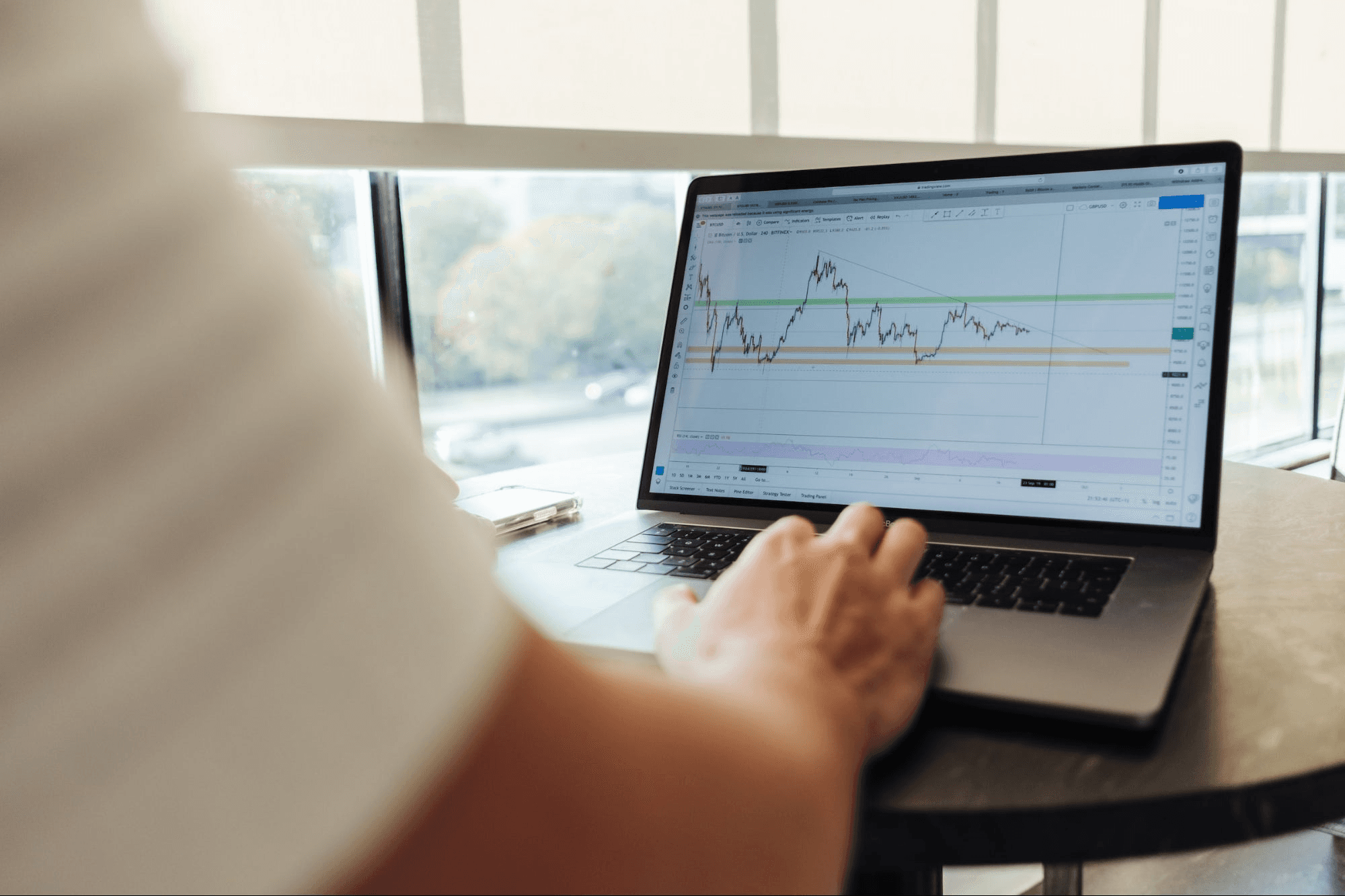
The legitimacy of proprietary trading firms (commonly called prop firms) is often questioned, with many traders wondering if these setups are genuine opportunities or cleverly disguised ways to extract fees from hopeful participants. In reality, prop firms are a legitimate business model in the trading world, but success depends heavily on the trader's skill and the firm's practices—challenges abound, and the path to consistent profits remains tough for most. Prop firms provide traders with access to capital in exchange for a share of profits. Traders typically go through an evaluation or challenge phase, often paying a fee to participate, before receiving funded accounts if they meet performance criteria such as profit targets and risk limits. This model allows skilled individuals to trade larger amounts than they could afford on their own, without risking their own substantial funds beyond the initial fee.
The Economic Logic Behind Prop Firms
Funded firms generate revenue through two streams: evaluation fees and profit sharing. When you pay $300 for a $100,000 account challenge, that fee covers platform access, risk monitoring systems, and administrative overhead. The firm keeps this regardless of your outcome, creating immediate revenue even if you fail.
The second stream emerges when traders pass and generate profits. A firm retaining 10% to 20% of your gains generates sustainable income from successful traders and incentivizes them to fund more accounts. This dual-revenue structure explains why legitimate firms want you to succeed after evaluation. Your profitability becomes their profitability, aligning interests beyond the initial fee collection. Problematic firms skew this balance by making evaluations nearly impossible to pass, relying almost entirely on repeated assessment purchases. They profit from failure rather than success, designing rules with hidden tripwires or processing delays that discourage funded traders from continuing. The economic model works when both revenue streams contribute, not when one dominates entirely.
Verification Through Payout Performance
The ultimate test of legitimacy is whether traders can receive their earnings without unnecessary obstacles. Firms that process withdrawals within 24 to 48 hours, maintain public payout records, and allow frequent withdrawal requests demonstrate operational integrity. Delays exceeding a week, excessive documentation requirements, or sudden rule changes that block payouts signal potential problems.
Traders consistently report that payouts occur when the truth emerges. You can pass evaluations, generate profits in funded accounts, and follow every guideline perfectly, but if the firm creates barriers when you request earnings, the entire structure collapses into a fee-extraction scheme. It's frustrating to figure out which firms actually deliver and which use engineering excuses to withhold payments. Only 5% of traders pass prop firm challenges, a statistic that reflects both the difficulty of consistent profitable trading and the filtering mechanisms firms employ. This low pass rate doesn't inherently indicate illegitimacy; it demonstrates that most participants lack the discipline or skill required. The critical question becomes whether that 5% who succeed actually receive their capital and profits as promised.
Rule Structures That Reveal Intent
Legitimate firms establish clear, achievable parameters: profit targets of 8%-10%, maximum drawdowns of 4%-6%, and transparent policies on holding times, news trading, and position sizing. These boundaries test competence without creating impossible conditions. Rules make practical sense when you understand they protect capital while enabling skilled execution. Questionable operators introduce arbitrary restrictions that seem designed to trigger violations rather than assess ability. Daily loss limits set unrealistically tight relative to normal market volatility, minimum trading-day requirements that force activity during unfavorable conditions, or vague language about what constitutes a rule violation all indicate problems. When guidelines seem to set you up to fail rather than filter for skill, the firm's intentions warrant scrutiny.
The difference shows in how firms handle edge cases. Does a trader who hits their profit target but briefly exceeded drawdown by 0.2% during volatile overnight hours get funded or disqualified? Legitimate operations apply rules with reasonable interpretation. Those focused on fee collection enforce with rigid technicality, finding reasons to fail traders on minor infractions that didn't materially impact risk management.
The Challenge Difficulty Balance
Passing rates provide insight into whether evaluations serve their stated purpose. If a firm claims thousands of funded traders but industry observers never encounter anyone who has actually received payouts, the numbers don't add up. Conversely, firms with verifiable communities of funded traders posting withdrawal confirmations demonstrate that success remains possible for competent participants.
90% of traders fail prop firm challenges, reinforcing that these assessments genuinely filter for capability rather than serving as automatic approvals. The high failure rate reflects the inherent difficulty of trading, where emotional discipline, risk management, and consistent execution set the small percentage who succeed apart from the majority who struggle. This statistical reality protects both parties when properly structured. Firms avoid funding traders likely to lose capital quickly. Traders who pass demonstrate they possess the skills to justify larger allocations. The problem arises when firms manipulate difficulty beyond what skilled traders can reasonably achieve, or when they fund traders but create payout barriers that undermine the entire value proposition.
Regulatory Landscape and Oversight
Most prop firms operate outside traditional financial regulation because they trade proprietary capital rather than managing client funds. This regulatory gap means fewer consumer protections exist compared to registered investment advisors or broker-dealers. You're relying on the firm's business ethics and reputation rather than government oversight to ensure fair treatment. Some jurisdictions require basic business registrations or impose trading-activity reporting requirements, but comprehensive regulation remains limited. This places a responsibility on traders to conduct thorough due diligence before committing funds. Checking business registration status, researching founder backgrounds, and verifying that the firm maintains actual trading operations rather than merely evaluation platforms are all necessary steps.
The absence of regulation doesn't automatically indicate illegitimacy; many credible firms operate transparently despite minimal oversight. It does mean you can't assume protection if disputes arise. Contracts typically favor the firm, and recourse options remain limited if it decides to withhold payouts or unilaterally change terms. Understanding this reality shapes how you evaluate risk before paying evaluation fees.
Community Verification and Shared Intelligence
Trader communities surface patterns that individual experiences might miss. When multiple people report identical payout delays, sudden changes in rule interpretation, or customer service that becomes unresponsive after funding, those signals warrant attention. Conversely, consistent positive reports about smooth withdrawals, fair rule application, and responsive support build confidence in a firm's legitimacy.
Platforms like Discord, specialized forums, and review aggregators let you access collective wisdom from hundreds of traders. Look for specific details in feedback rather than vague praise or complaints. A trader describing their exact withdrawal timeline, the documentation required, and how support handled questions provides more value than generic "great firm" or "total scam" declarations without supporting evidence. Be skeptical of overwhelmingly positive reviews on firm-controlled channels or affiliate sites with financial incentives. Seek out neutral spaces where traders candidly discuss their experiences, including successes and frustrations. The most reliable intelligence comes from traders who have received multiple payouts over extended periods, demonstrating that the firm maintains integrity beyond initial funding.
Firms that prioritize trader success by offering transparent terms and responsive support reduce friction that fuels legitimate concerns about industry practices. When a prop firm offers instant funding, processes payouts within 24 hours, and structures profit splits with 100% of initial earnings, it signals a commitment to trader outcomes rather than relying primarily on evaluation-fee revenue. This approach, exemplified by operations like AquaFutures, contrasts with firms that delay payments, impose excessive withdrawal requirements, or create barriers between funded traders and their earnings. The difference is evident in operational choices that either facilitate or hinder the path from skill to income.
Warning Signs That Demand Caution
Certain red flags should trigger immediate skepticism. Firms promising guaranteed profits, suggesting trading requires no skill, or marketing primarily through high-pressure sales tactics rather than performance track records, likely prioritize recruitment over trader success. Unrealistic profit splits exceeding 90%, evaluation fees dramatically below market rates, or the absence of clear risk parameters all indicate potential problems. The lack of verifiable business information is another concern. Legitimate firms maintain professional websites with detailed terms, identifiable leadership teams, and contact information beyond generic email addresses. Operations hiding behind privacy services, providing no physical business address, or refusing to clarify ownership structure, deserve extreme caution before you commit funds.
Customer support responsiveness before you pay versus after reveals priorities. Firms that answer pre-sale questions within minutes but take days to respond once you've purchased an evaluation show where their attention focuses. Test support with specific rule-clarification questions before buying, and note both response speed and answer quality as indicators of ongoing service levels. But understanding legitimacy only opens the door to a more practical question: whether this path suits your specific situation.
Key Requirements to Join a Funded Firm

Joining a funded trading firm offers ambitious traders the chance to access substantial trading capital, often ranging from tens to hundreds of thousands of dollars, without putting their own money at risk. These programs allow individuals to trade futures, forex, indices, or other markets while splitting generated profits with the firm, typically after demonstrating skill through an evaluation challenge or by opting for instant funding access. The industry has grown rapidly, with firms placing strong emphasis on disciplined risk management, consistent performance, and adherence to clearly defined rules rather than high-risk gambling or luck-based wins. Successful participants benefit from professional-grade platforms, educational resources, rapid payouts, and the potential to scale account sizes over time, creating a merit-based pathway to professional trading.
Meeting Age and Legal Standards
To join a funded trading organization, individuals typically need to meet basic age and regulatory requirements. This ensures that participants are legally capable of engaging in financial activities and comply with regional laws governing trading. Most firms require traders to be at least 18 years old, as this aligns with the age of majority in many jurisdictions and allows them to enter into contracts independently. Additionally, adherence to local financial regulations is crucial to avoid legal complications, including restrictions on trading instruments and tax implications.
AquaFutures, a prominent futures trading funding provider, follows similar guidelines by requiring traders to confirm their legal eligibility during the signup process, though it does not explicitly state a minimum age on its site. By accessing the platform, users implicitly agree to comply with applicable laws, ensuring a smooth onboarding. This approach helps maintain a secure environment by emphasizing ethical trading practices, supporting global participants, and contributing to charitable causes, such as ocean cleanup efforts.
Demonstrating Trading Proficiency
Joining a funded trading entity often requires demonstrating the ability to manage markets effectively, which may include a background in finance or practical experience. While some organizations prefer candidates with degrees in economics or related fields, many prioritize real-world skills over formal education. Traders may need to showcase analytical thinking, such as identifying market patterns and making informed decisions, to qualify for funding opportunities. At AquaFutures, proficiency is assessed through optional challenges or instant access options, allowing skilled individuals to bypass evaluations if they opt for direct funding. As detailed in the help center, the firm values disciplined strategies and prohibits high-frequency automated tactics to ensure genuine expertise. This aligns with the model of providing up to $450,000 in simulated capital, rewarding traders who demonstrate consistent market navigation without personal liability for losses.
Completing an Evaluation Process
A core step in securing a spot with a funded trading group is completing an assessment phase, during which candidates must meet specific performance goals under simulated conditions. This usually involves hitting profit thresholds while staying within loss boundaries, testing a trader's strategy and resilience. The process helps firms identify reliable performers who can manage capital responsibly, often spanning one or two stages and, in many cases, with no strict time limits.
AquaFutures offers flexible evaluation paths, including a one-step challenge for beginner and standard accounts, requiring profit targets like 6% or 8%, depending on the plan. According to the defined parameters, passing results in funded status, subject to rules such as maintaining activity through weekly trades. This system, accessible via the platform, enables traders to access capital immediately upon success, aligning with their commitment to fast rewards and a 100% initial profit share.
Paying the Required Fees
Financial commitment is a standard prerequisite for entering funded trading programs, typically in the form of upfront charges for evaluations or subscriptions. These costs cover access to simulated accounts and platforms, which vary based on the desired capital size, and are often refundable or adjustable upon successful completion. This barrier ensures that participants are serious about their involvement and filters out casual applicants.
For AquaFutures, fees start at $26 per month for a $25,000 beginner account, with one-time options for instant funding. As outlined on the official page, there are no activation fees, and discounts, including 60% off, are available periodically. This structure supports the trader-friendly ethos, allowing up to three funded accounts, while ensuring affordability aligns with the broader goal of enabling global access to futures markets.
Adhering to Risk Management Rules
Effective control of potential losses is essential for qualifying with a funded trading company, as it demonstrates the ability to protect capital. Firms impose limits on daily and overall drawdowns to mitigate excessive risk, requiring traders to operate within predefined parameters such as position sizing and loss caps. This focus on prudence helps sustain long-term viability and aligns with industry standards for responsible trading. AquaFutures integrates robust risk protocols, including daily loss limits of 2.5% and trailing max drawdowns of 3%-4%, as specified in the instant funded details. By enforcing these on platforms like ProjectX, the firm ensures traders maintain discipline, with breaches leading to account reviews. This reinforces a no-liability model for losses, promoting safe practices while offering scaling opportunities based on performance.
Maintaining Consistency in Performance
Consistent results are a key factor in gaining acceptance into funded trading setups, emphasizing steady gains over erratic highs. This often includes rules against outsized daily profits relative to totals, encouraging balanced approaches. Firms monitor this to ensure traders can replicate success without relying on luck, fostering habits that support ongoing funding. In AquaFutures' framework, consistency is mandated at 40% for beginner accounts, where no single day's gains can exceed this portion of cycle profits.. This rule, combined with minimum-profitable-days requirements, helps traders build reliable strategies on funded accounts. It complements the reward system, guaranteeing payouts within 24 hours or bonuses, and supports the mission to fund over 118,000 traders worldwide.
Understanding Account Parameters and Limits
Grasping the specifics of account setups, including sizes, instruments, and trading windows, is vital for joining a funded firm. This knowledge ensures compliance with leverage, position, and prohibited activity limits, tailoring one's style to the program's framework. Awareness of these elements prevents violations and maximizes the potential of the available capital. AquaFutures clearly defines parameters such as maximum positions (e.g., 6 minis for $100,000 accounts) and unlimited trading periods. Support for futures, forex, and crypto on dedicated platforms underscores the need for technical proficiency. This transparency supports the instant funding model, in which traders can engage immediately without evaluation, backed by 24/7 support. But meeting requirements only qualifies you to compete; it doesn't determine which specific program aligns with your trading style, goals, and risk tolerance.
Related Reading
- Best Funded Prop Firms
- Prop Firms That Use TradingView
- 1 Phase Prop Firm
- No Consistency Rule Prop Firm
- Prop Firms That Use Tradelocker
- Prop Firm Comparison
- How Do Prop Firms Work
- Regulated Prop Firms
- Prop Challenge
- The Cheapest Prop Firm
- Trading With Borrowed Capital
- Top Tradig Prop Firms
- Top Prop Company
- US-based Prop Firms
- Top 10 Prop Firms In The World
How to Choose the Right Funded Firm for Your Trading Goals
Choosing the ideal proprietary trading account requires careful evaluation to ensure it aligns with your trading objectives, risk tolerance, and overall strategy. These firms vary widely in what they offer, so finding one that supports your approach can improve your results and help you avoid unnecessary hurdles.
Emphasize Clarity in Regulations and Standards
Trustworthy prop trading companies provide complete, upfront information about their operating rules, including loss limits, required performance levels, cash-out procedures, and any associated costs. This kind of openness builds trust and helps prevent unexpected issues that could slow your development. When rules are straightforward and easy to access, traders can focus on improving their techniques rather than navigating unclear limitations. This approach reduces the risk of accidental violations, promoting consistent growth and a strong, ongoing relationship with the firm.
Evaluate the Capital Access and Qualification Process
Prop firms offer different methods for securing funding, from streamlined one-stage assessments that speed up entry for capable traders to layered multi-stage reviews that emphasize step-by-step skill verification. Some also offer direct funding pathways for seasoned professionals, allowing them to bypass initial exams. A one-stage choice frequently works well for those with demonstrated reliability who want quick resource allocation, while multi-stage setups help traders aiming to develop control gradually. Selecting a process that aligns with your skill set and timeline increases your chances of success and positions you for lasting results in funded operations.
Look for Versatile Operating Conditions
Top-tier programs provide ample leeway to accommodate diverse approaches, such as placing orders during major market announcements, holding trades past daily closes or through weekends, and accessing numerous assets without strict limits. Too many strict rules can hinder smooth transaction handling. Versatile conditions enable traders to apply their proven tactics without adjustments. This is especially useful for methods that leverage sudden market swings or longer horizons, helping you maintain your market edge and deliver authentic outcomes.
Focus on Strong Assistance and Educational Resources
Outstanding firms commit to extensive support, including sophisticated tracking of results, in-depth reporting interfaces, learning materials, and quick-response help desks accessible via multiple channels. These elements support ability growth and immediate oversight of advancements. Superior help and instructional content foster continuous progress and smart decisions. Companies that prioritize trader advancement demonstrate a commitment to shared success, positioning them as reliable partners for ongoing success in prop trading.
Examine Company Standing and User Feedback
Prior to signing on, check neutral platforms for opinions on payment reliability, service excellence, and general dependability. Firms with solid, proven backgrounds and confirmed user stories indicate reliability. A robust standing, backed by genuine endorsements and proof of prompt compensation, reduces risks from unreliable operators. An in-depth investigation steers you toward trustworthy choices that reliably deliver on their promises.
Analyze Earnings Allocation and Cash-Out Procedures
Review the earnings division rates, possibilities for expanding accounts, and the smoothness of compensation systems, covering how often and how quickly they process. Appealing setups with strong portions and fast earnings access optimize your actual gains. Advantageous structures, especially those with higher starting rates or achievement bonuses, promote alignment between trader input and expansion opportunities. Dependable, rapid cash-outs improve financial agility and sustain motivation for sustained efforts. Most traders overlook that passing the evaluation represents the easy part. Maintaining discipline with larger capital, managing the psychology of real withdrawals, and sustaining performance across different market conditions separate those who build careers from those who flame out after initial success.
Firms that emphasize speed, such as AquaFutures, reduce friction that can drive behavioral shifts by processing payouts within 24 hours and offering 100% profit splits on initial earnings. When rewards arrive immediately rather than accumulating behind arbitrary schedules, the temptation to overtrade or increase risk to hit payout thresholds diminishes substantially. But even with perfect firm selection, one question lingers beneath every evaluation attempt.
Related Reading
- Prop Firm Swing Trading
- Best Prop Firms for Stocks
- Prop Firms That Use MT5
- No Minimum Trading Days Prop Firm
- Prop Firms With Instant Funding
- One Phase Prop Firm
- Proprietary Trading Firms
- Best Funded Accounts UK
- Best Prop Firm in the World
- Cheapest Forex Funded Account
- Best Prop Firms That Allow EA
- Best UK Prop Firm
- Forex Prop Firms Accepting US Clients
- Best Forex Funded Prop Firms
- Best Funded Account Forex in UAE
Unlock up to 50% off Your First Funded Account for Futures Trading
Evaluations test your discipline, but they shouldn't trap you in endless cycles of fees and restrictions. When firms prioritize their revenue model over your progression, the path from skill to income stretches unnecessarily. That friction shows up in multi-phase challenges that feel designed to extract repeated payments, payout schedules that delay access to your earnings, or rules so complex they trip up even experienced traders.
AquaFutures removes those barriers by offering fast, affordable access to funded futures accounts with straightforward terms and real capital. Skip the drawn-out evaluations that drag on for months. Get funded quicker through instant options that recognize proven ability without unnecessary testing phases. The programs reward consistency through performance-based scaling, so your account grows as you demonstrate results, all without the overly restrictive rules that punish normal trading behavior. Join thousands of traders who trust transparent terms, responsive support available around the clock, and actual capital to trade futures markets. Ready to move past the limitations holding back your trading career? Explore account options designed for traders who value speed and clarity. Unlock up to 50% off your first funded account, plus surprise BOGO deals and bonuses updated weekly at AquaFutures.
