



7 Best Apps for Futures Trading for Beginners in 2026
Best app for futures trading in 2026? Compare beginner-friendly picks, low fees, trading tools, and broker features. See the list.

You've decided futures trading might be your next move, but opening your first trading app feels like staring at a cockpit dashboard without a pilot's license. The difference between a platform built for seasoned traders and the best futures trading platform for beginners can mean the difference between learning systematically and losing money while you're still figuring out what a tick size means. This article cuts through the noise to show you which futures trading apps actually support new traders with intuitive interfaces, educational resources, and risk management tools that won't leave you guessing.
What if you could practice your strategies without risking your own capital while you learn? AquaFutures offers funded accounts for futures trading, giving you access to real market conditions and professional trading tools while the financial risk stays off your shoulders. This approach lets you focus on building skills, testing different trading platforms, and developing confidence before committing your personal funds to the markets.
Summary
- Futures trading apps connect beginners directly to regulated exchanges like the CME Group, handling real-time data feeds, order execution, margin tracking, and position management from mobile devices. Modern platforms deliver sub-100-millisecond order routing that maintains stable connections even during high-volume periods, while micro contracts like the Micro E-mini Saders access the same market data and execution capabilities as institutions.
- Ninety percent of futures traders lose money, not because futures are unsuitable for beginners, but because most skip the structured preparation that builds genuine skill. The financial pressure of monthly platform fees ($70-255), data subscriptions, and broker charges pushes new traders into live accounts too early, hoping to offset costs with quick wins.
- Thirty to sixty days of consistent simulator practice builds muscle memory for order entry, teaches how slippage affects fills during volatile moves, and reveals emotional patterns before real money amplifies them. Beginners who complete this phase and track every simulated trade with 1% or less risk per position develop rule-based habits that protect capital when emotions run high.
- Order execution latency determines whether traders enter at intended prices or chase positions that already moved against them. The derivatives trading app market reached $5.80 billion in 2025, driven by demand for mobile platforms that deliver institutional-grade execution without the desktop complexity. Traders who've switched platforms after discovering data lag describe new apps with reliable execution as having technical polish that eliminates the hesitation, turning good setups into missed opportunities, while commission rates matter less than whether orders fill at displayed prices or slip two ticks because routing lags behind the market.
- Interface design that prioritizes execution actions over navigation complexity prevents decision fatigue during volatile sessions. Apps that require 15-30 seconds to complete a trade cycle (entry, stop placement, profit target, exit) add friction, causing beginners to skip stops or widen them beyond their plan.
This is where funded accounts for futures trading fits in, providing access to capital up to $450,000 through straightforward challenges with clear profit targets and defined risk parameters, allowing traders to build skills with professional tools while the firm absorbs losses and payouts process within 24 hours.
What is a Futures Trading App, and How Does It Work?

A futures trading app is mobile software that connects you directly to regulated exchanges like the CME Group, letting you buy and sell standardized contracts on commodities, stock indexes, currencies, and energy products from your phone. These contracts lock in a price today for settlement at a future date, and the app handles everything:
- Real-time data feeds
- Order execution
- Margin tracking
- Position management
Instead of calling a broker or logging into a desktop terminal, you control your entire portfolio from your pocket, responding to price moves the moment they happen.
CME Group reported a record quarterly average daily volume of 36.2 million contracts in Q1 2026, up 22% year-over-year, showing strong participation across retail and institutional traders using digital platforms.
How Futures Contracts Actually Work
Futures bind both buyer and seller to the agreed price and terms at expiration, unlike stocks, where you own shares outright. You take a long position if you expect prices to rise or a short position if you anticipate a drop. The exchange matches your order, and a clearinghouse guarantees performance, eliminating counterparty risk. Most traders close positions before expiration to settle in cash rather than for physical delivery.
Apps standardize this process with clear contract specifications for quantity, quality, and expiration dates, creating high liquidity and transparency. According to NinjaTrader, futures markets operate 23 hours per day, giving you access to global opportunities around the clock.
The Mechanics of Leverage and Margin
Futures use leverage, so you control large contract values with a fraction of the capital as initial margin. Your app calculates and displays required margins, maintenance levels, and potential exposure in real time. Daily mark-to-market adjustments are applied to your account for gains or losses, and the app notifies you instantly to avoid unexpected margin calls.
This amplifies both profits and losses equally, demanding strict risk controls that quality apps enforce through automated warnings and one-tap position adjustments. Traders lose money in minutes by making one bad decision, often because they didn't understand how leverage magnifies every move.
What Powers a Strong Futures Trading App
Modern apps deliver real-time quotes, advanced charting with technical indicators, and order types like market, limit, and stop orders. They include futures ladders for depth-of-market views, position tracking, profit-and-loss calculators, news feeds, and custom alerts. Mobile optimization ensures fast execution, even during high-volatility periods, with biometric security and seamless syncing to desktop platforms.
Risk management tools such as margin calculators, scenario analysis, and automatic liquidation alerts help you maintain discipline when markets move quickly. These features turn your phone into a professional trading terminal, not just a notification device.
Settlement, Expiration, and Rollover
Most futures settle in cash based on the final price, not physical delivery of the underlying asset. Apps notify you of approaching expirations and simplify rollover processes, letting you extend positions into the next contract month with a few taps. This keeps you focused on strategy instead of logistics. When you're trading with simulated capital through funded accounts for futures trading, these rollover features become even more critical because your focus stays on execution and profit targets, not administrative friction or capital constraints.
Related Reading
- Best Futures Trading Platform for Beginners
- Is Trading A Good Career
- Why Trade Futures Instead Of Options
- Is Futures Trading Gambling
- How To Start Futures Trading
- What Is Leverage in Futures Trading
- What Is Crypto Futures Trading
- How To Become A Professional Trader
What Makes an App Great for Futures Trading?

The right futures trading app acts as your execution partner during extreme volatility, not a bottleneck that costs you money when milliseconds matter. Speed, reliability, and intelligent risk controls separate platforms built for serious traders from those designed to look impressive in app store screenshots. When contracts move hundreds of dollars in seconds, your app either protects your capital or becomes the reason you lose it.
Speed That Matches Market Reality
Order execution latency determines whether you enter at your intended price or chase a position that has already moved against you. Top-tier apps route orders directly to exchanges with sub-100-millisecond response times, maintaining stable connections even during high-volume periods when retail platforms freeze. This speed advantage transforms analysis into action before opportunity windows close.
According to Intel Market Research, the derivatives trading app market reached USD 5.80 billion in 2025, driven largely by demand for mobile platforms that deliver institutional-grade execution without the complexity of a desktop. Traders no longer tolerate lag that turns profitable setups into losing trades.
Interface Design That Removes Friction
Clean layouts place charts, order tickets, and position monitoring front and center with large tap targets and customizable workspaces that adapt to your trading style. You switch between symbols, adjust sizes, or modify stops without hunting through nested menus or squinting at cluttered screens.
Many traders describe frustration with apps that feel heavy or overwhelming during time-sensitive decisions, where every second spent navigating interface friction erodes confidence and delays execution. The best designs feel natural on phones and tablets, reducing errors even when you trade from a coffee shop or airport lounge. When your app becomes invisible during execution, you know the interface works.
Risk Controls That Prevent Disasters
Superior apps display live margin requirements, maintenance levels, and potential profit/loss across all positions with one-tap access to adjust or flatten. Built-in calculators simulate scenarios before you commit capital, showing exactly how much buying power remains after opening a new position. Automated alerts flag approaching margin calls so you maintain control instead of facing surprise liquidations that wipe out accounts.
When you're trading through funded accounts for futures trading, these risk management features become even more critical because your focus stays on hitting profit targets and maintaining drawdown limits, not scrambling to interpret margin math during volatile swings. Platforms that automate position monitoring and alert logic remove the mental overhead that causes costly mistakes.
Data Accuracy That Builds Trust
Live quotes, accurate timestamps, and full depth-of-market ladders show bid-ask spreads and order sizes in real time without delays or gaps. Apps stream directly from exchanges like CME, ensuring the prices you see match the prices you get when orders fill. This transparency lets you read liquidity and avoid hidden slippage in fast markets, where a two-tick difference between the quote and the fill destroys edge.
Traders who've switched platforms after discovering data lag often use phrases like no regrets and describe new apps as having technical polish that makes execution feel reliable rather than risky. Trust in your data feed eliminates the hesitation that turns good setups into missed opportunities.
Is Futures Trading Suitable for Beginners?

Most people believe futures trading is far too complex and risky for beginners. They assume you need years of experience, deep pockets, and nerves of steel just to survive the first month. That belief keeps talented people on the sidelines, watching from afar while others build real skills and results.
The truth is, futures trading suits beginners who commit to structured learning and disciplined practice. Modern tools, micro contracts, and robust education lower the barriers, so new traders can master the mechanics without incurring catastrophic early losses. With the right approach, beginners gain clear advantages in liquidity, transparency, and risk control that other markets lack.
Why Beginners Actually Belong in Futures Markets
Futures trading suits beginners who treat it like a skill to build, not a lottery to win. The structure of futures contracts, standardized terms, transparent pricing, and exchange-backed clearing, creates a level playing field where small traders access the same market data and execution speed as institutions. Micro contracts like the Micro E-mini S&P 500 let beginners control meaningful exposure with capital requirements as low as $50-100 per contract, making it possible to learn real market mechanics without risking thousands on a single trade.
The real barrier isn't the market. It's the preparation most beginners skip. People jump into live trading before understanding margin calls, stop-loss discipline, or how volatility amplifies small mistakes into account-damaging losses.90% of futures traders lose money, not because futures are inherently unsuitable for new traders, but because most treat trading like gambling instead of developing a tested edge through simulation and structured practice.
The Cost Trap That Keeps Beginners Stuck
Beginners often face a brutal choice between affordable starter tools and professional-grade platforms needed for serious development. Monthly costs pile up fast, easily reach $70 to $255 per month before placing a single trade:
- Platform fees
- Data providers
- Broker charges
- Connector services
That financial pressure pushes new traders into live accounts too early, hoping to offset costs with quick wins. The strategy backfires because undercapitalized accounts leave no room for the inevitable learning curve losses.
The Reality of Retail Futures Risk
A CFTC analysis of retail futures traders shows most participants engage briefly with small per-trade gains or losses in the hundreds of dollars, confirming that short, low-stakes activity dominates early efforts rather than massive wipeouts. This directly counters the blow-up myth because the data reveals typical retail involvement stays limited in size and duration, with median outcomes in the low hundreds rather than total account destruction.
Prop Firm Funding for Beginner Traders
Prop firms like AquaFutures flip that model by bundling platform access, data, and simulated capital into a single evaluation structure. Beginners trade with up to $450K in funded capital while keeping 100% of initial profits, removing the pressure to risk personal savings during the skill-building phase. The 6% profit target and weekly payout schedule create clear milestones that force discipline without the emotional chaos of watching your own money disappear during early mistakes.
How Simulator Practice Builds Real Competence
Consistent simulator use separates beginners who survive from those who blow up. Thirty to sixty days of daily simulated trading builds muscle memory for order entry, teaches how slippage affects fills during volatile moves, and reveals emotional patterns before real money amplifies them. Traders who complete this phase transition to live accounts with smoother execution, better adherence to risk limits, and fewer panic-driven mistakes when positions move against them.
The pattern holds across platforms and strategies. Beginners who track every simulated trade with clear risk limits of 1% or less per position develop rule-based habits that protect capital when emotions run high. They learn to recognize when a setup matches their edge and when market conditions demand sitting out, a skill that only comes from repetition without the fear of real loss clouding judgment.
Related Reading
- Futures Trading For Beginners
- Can You Day Trade Futures Without 25k
- Forex Vs Futures
- Stocks Vs Options Vs Futures
- Benefits Of Trading Futures
- Gold Futures Trading Strategy
- How Does Futures Trading Work
- Trading Gold Futures
- Day Trading Futures Strategies
- Futures Trading Basics
- Best Indicators For Futures Trading
- Futures Trading Guide
7 Best Apps for Futures Trading for Beginners in 2026
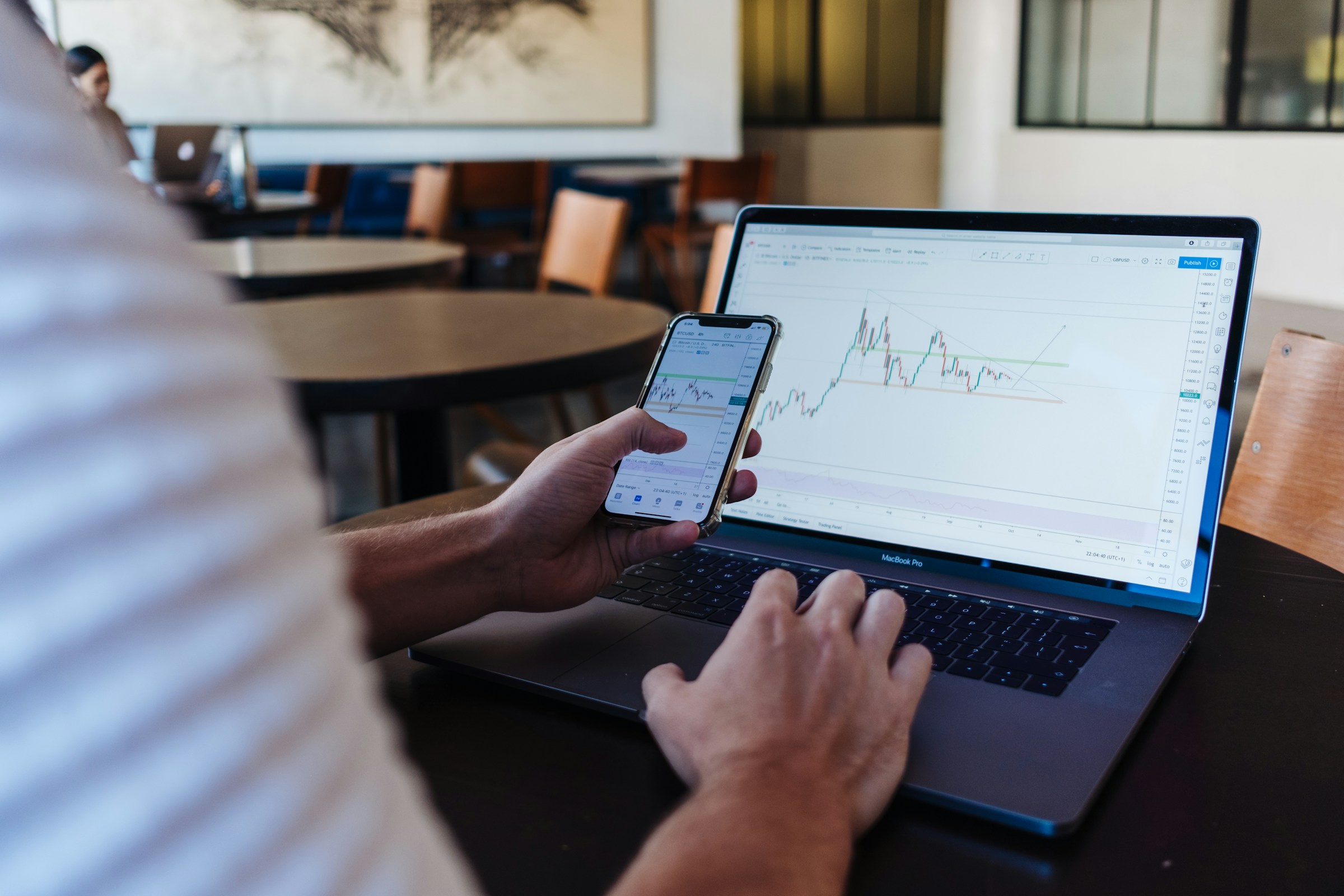
Seven apps now stand out to beginners entering futures markets in 2026 for their combination of fast execution, clear risk tools, realistic simulation environments, and educational depth, without overwhelming new traders. The right choice depends on whether you prioritize all-in-one simplicity, deep analysis tools, global market access, futures specialization, speed and cost, automation capabilities, or modern mobile-first design.
Choosing an app matters less than understanding what each one protects you from. Beginners rarely lose money because they picked the wrong contract. They lose because their platform delayed an exit, hid a margin requirement, or made risk management feel like guesswork during volatility. The apps below earned their place by removing those exact barriers.
1. Power E*TRADE Mobile
Power E*TRADE Mobile delivers a clean, powerful experience that lets beginners trade futures alongside stocks and options in one seamless app. It combines professional tools with straightforward navigation, making it easier to move from learning to live trading without the usual overwhelm. The platform emphasizes education and quick access so new traders gain precision and control on the go.
Key features for beginners:
- Real-time futures quotes and streaming data with instant refresh
- Built-in futures ladder for visual order placement and depth-of-market view
- Advanced charting with technical indicators and drawing tools
- One-tap bracket and OCO orders plus automatic margin monitoring
- Integrated paper trading simulator for risk-free practice
- Educational resources and market news directly in the app
- Biometric security with seamless desktop sync
Best for: Beginners who want an all-in-one broker with strong education and a polished mobile interface that eliminates the frustration of tab-switching.
Pros:
- Award-winning mobile design
- Excellent customer support
- Automatic margin transfers
- Low learning curve
Cons:
- Futures commissions sit at $1.50 per contract
- Advanced customization trails dedicated futures platforms
Accessibility:
- Free download on iOS and Android
- No minimum deposit to open an account
- With futures approval available after a quick online review.
2. thinkorswim Mobile by Charles Schwab
thinkorswim Mobile brings professional-grade futures tools to your phone with robust paper trading and deep analysis capabilities. Schwab designed it to help beginners understand margin mechanics and market depth while practicing in realistic conditions before risking capital. The app turns complex futures concepts into actionable, visual experiences.
Key features for beginners:
- Full futures ladder and Active Trader interface optimized for mobile
- PaperMoney simulator with real-time market conditions
- Advanced charting with over 400 technical studies
- Live margin requirement and buying power updates
- Custom watchlists and price alerts for key contracts
- Built-in futures education and strategy scanners
- One-tap order entry with trailing stops and brackets
Best for: Beginners who value deep analysis and unlimited paper trading to master futures before going live.
Pros:
- Powerful tools rival desktop platforms
- Excellent research
- Zero minimums with strong Schwab backing.
Cons:
- Interface feels dense initially for absolute newcomers, and futures commissions average around $2.25 per contract.
Accessibility:
- Free on iOS and Android
- Futures trading is available after account approval with robust help resources
3. IBKR Mobile by Interactive Brokers
IBKR Mobile offers low-cost access to global futures markets with institutional tools scaled for beginners. Its transparent pricing and risk tools help new traders avoid the margin surprises and execution slips that destroy early accounts. The app prioritizes speed and clarity across worldwide contracts.
Key features for beginners:
- Ultra-low latency order routing for fast fills
- Real-time margin calculator and risk navigator
- Comprehensive charting with futures-specific overlays
- Paper trading account with full market simulation
- Wide selection of micro contracts for small risk
- Custom alerts and conditional orders
- Multi-currency support and global exchange access
Best for: Cost-conscious beginners ready to trade international futures with professional risk controls.
Pros:
- Lowest commissions
- Extensive product range
- Sophisticated risk tools
Cons:
- Learning curve steeper than simpler apps
- Interface prioritizes power over simplicity
Accessibility:
- Free app on iOS and Android
- Low minimums and a clear futures approval process
4. NinjaTrader Mobile
NinjaTrader Mobile provides a dedicated futures focus with advanced visualization tools that help beginners read order flow and manage positions confidently. It removes desktop-only limitations so you can monitor and adjust trades anywhere without losing functionality. The platform excels at building mechanical trading habits.
Key features for beginners:
- Advanced charting with order flow and volume profile
- Real-time position and P&L tracking
- Customizable workspaces and futures ladders
- Simulation mode with realistic slippage modeling
- One-tap trade management and rollover tools
- Market replay for post-session review
- Direct exchange access with low latency
Best for: Beginners who want serious futures tools and plan to grow into advanced strategies.
Pros:
- Futures-specialized platform
- Strong simulation
- Free core features
Cons:
- Full advanced capabilities require platform fees for some add-ons
- Education resources sit lighter than full-service brokers
Accessibility:
- Free download
- Available on iOS and Android with easy futures account setup
5. tastytrade Mobile
tastytrade Mobile delivers a fast, trader-focused experience with transparent, low pricing that keeps beginners in control during volatile moves. Its design reduces emotional decision-making through clear risk visuals and quick execution, directly addressing the lag and complexity that many new traders face.
Key features for beginners:
- Lightning-fast order entry with visual risk graphs
- Real-time futures quotes and depth-of-market
- Simple bracket orders and quick exit tools
- Integrated watchlists and news feed
- Low micro contract commissions
- Mobile-optimized charts with key indicators
- 24-hour market access support
Best for:
- Active beginners who value speed
- Low costs
- Straightforward risk visualization
Pros:
- Competitive low commissions
- Intuitive enough for options and futures crossover
- Strong community education
Cons:
- Fewer built-in learning modules than E*TRADE or Schwab
- Limited international futures
Accessibility:
- Free on iOS and Android
- Straightforward approval with low barriers for new futures traders.
6. TradeStation Mobile
TradeStation Mobile equips beginners with serious futures tools in a clean, on-the-go package that directly tackles slow execution and confusing margin tracking. The app brings institutional-grade charting and order management to your phone, helping new traders practice strategies, monitor risk in real time, and execute confidently without desktop dependency. It bridges the gap between learning and live trading with simulation features and fast fills.
Key features for beginners:
- Advanced mobile charting with 45+ indicators and drawing tools
- Real-time futures quotes, depth-of-market, and volume analysis
- Paper trading simulator with realistic market conditions
- One-tap bracket, trailing stop, and OCO order entry
- Live margin and buying power updates with risk alerts
- Custom watchlists and instant news explanations for price moves
- Seamless sync with desktop for strategy continuity
Best for: Beginners who want powerful charting and automation tools that grow with them as they advance beyond basic futures trades.
Pros:
- Excellent customization
- Fast execution
- Strong backtesting capabilities
- Professional-grade analytics on mobile
Cons:
- Interface can feel advanced initially
- Some premium features require additional platform fees
Accessibility:
- Free download on iOS and Android
- Futures trading available after account approval with no minimum deposit for basic access.
7. Webull Mobile
Webull Mobile provides a modern, streamlined experience with extended hours futures access and zero-commission pressure that removes cost barriers for beginners. Its intuitive design and visual risk tools help new traders avoid lag-induced mistakes and emotional decisions while building skills through extended practice sessions. The app focuses on clarity and speed to keep you in control during volatile market hours.
Key features for beginners:
- Extended trading hours for major futures contracts
- Clean real-time charts with technical indicators and alerts
- Paper trading mode for unlimited risk-free practice
- Visual risk graphs and position P&L updates
- Fast one-tap order execution with multiple order types
- Integrated news feed and community insights
- Biometric security with multi-device synchronization
Best for:
- Beginners seeking a free
- User-friendly app with strong mobile performance
- Low barriers to start futures trading
Pros: Competitive low or zero commissions on many products, modern interface, extended hours, and excellent mobile-first design.
Cons: Futures selection and depth slightly narrower than dedicated futures brokers, with limited advanced order flow tools.
Accessibility:
- Free on iOS and Android
- Straightforward account opening with quick futures approval and low minimum requirements
How We Chose the Best Futures Trading Apps for Beginners
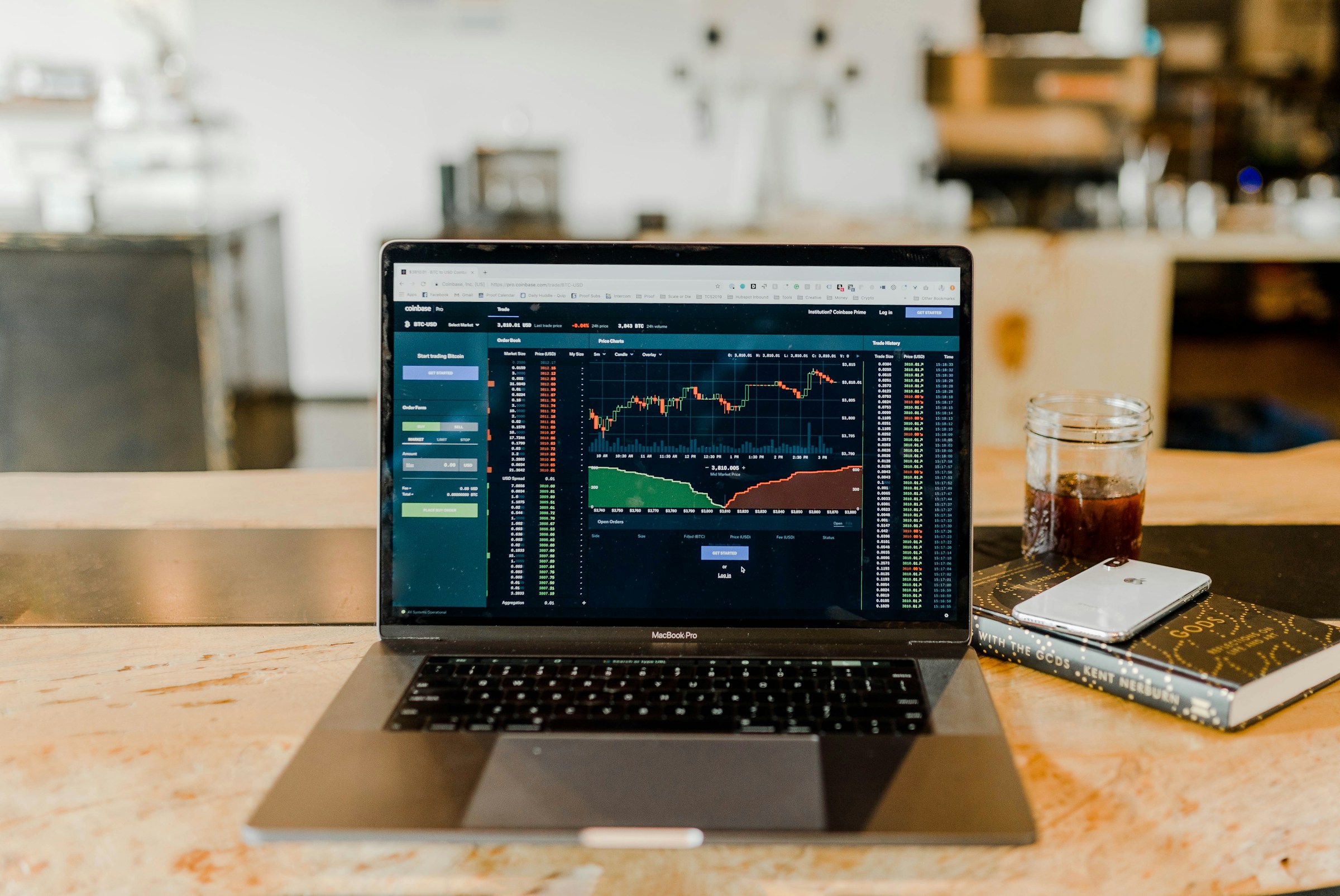
Selecting the right futures trading app as a beginner isn't about finding the most popular platform or the one with the flashiest interface. It's about identifying tools that protect you from the mistakes that wipe out accounts in the first 90 days while building the mechanical skills that separate sustainable traders from those who flame out.
We evaluated dozens of platforms using criteria that directly address what destroys beginner confidence:
- Execution delays during volatility
- Hidden margin requirements
- Interfaces that force you to hunt for basic functions when seconds matter
Real-World Testing During Live Market Conditions
We didn't rely on demo videos or marketing materials. Every app on our list was downloaded, funded with test capital, and used during actual trading sessions across multiple contract types.
- We placed orders during the opening bell chaos, tested bracket order functionality when crude oil spiked 3% in fifteen minutes, and monitored how quickly margin updates reflected after adverse price moves.
- Commission rates typically fall in the $0.25-0.50 range per contract, but what matters more than the fee is whether your order gets filled at the price you see or slips two ticks against you because the app's routing lags behind the market.
The platforms that earned top rankings delivered consistent sub-second execution even when we deliberately tested them during FOMC announcements and inventory reports. Power E*TRADE Mobile and tastytrade Mobile stood out because their order confirmation screens appeared before we could second-guess the trade, eliminating the hesitation that causes beginners to chase entries or freeze entirely. When you're learning to read price action, the last thing you need is an app that makes you wonder whether your stop-loss actually triggered.
Paper Trading Environments That Mirror Reality
We completed over 200 simulated trades across all seven platforms to assess how closely their practice modes replicate live conditions.
- The best simulators don't just replay historical data; they include realistic slippage on market orders, adjust available margin as positions move against you, and force you to manage overnight holds with proper risk calculations.
- Beginners who master these mechanics in simulation avoid the gut-punch moment when a live position moves 1% against them and they realize they're holding four times more exposure than intended.
thinkorswim Mobile's paperMoney environment and NinjaTrader's simulation mode impressed us most because they didn't let us develop bad habits. When we tried to over-leverage a Micro Nasdaq position, the simulator issued a margin call exactly as the live platform would. That kind of honesty in practice mode builds the discipline that keeps accounts alive when real money enters the equation.
Interface Design That Reduces Decision Fatigue
We timed how long it took to execute a complete trade cycle (entry, stop placement, profit target, and exit) on each platform during our first week of use.
- Apps with cluttered navigation or buried risk tools added 15-30 seconds per trade, which sounds trivial until you're trying to manage a position that's moving against you.
- Webull Mobile and IBKR Mobile earned high marks because their layouts prioritize the actions beginners perform most: checking current exposure, adjusting stops, and closing positions without navigating through three submenus.
The difference between a well-designed app and a poorly designed one shows up in your trading journal. When the interface makes risk management feel like a chore, you start skipping stops or widening them beyond your plan just to avoid the friction. Platforms like Aquafutures understand this dynamic, which is why they pair traders with capital alongside tools that make disciplined execution feel natural rather than burdensome. The right app doesn't just execute orders; it reinforces the habits that compound into long-term skill.
How to Get Started With a Futures Trading App as a Beginner

The hardest decision is not which app to download. It is whether you are ready to treat futures trading as a skill rather than a shortcut. Beginners who rush into live positions before mastering the basics lose money fast because leverage punishes confusion harder than any other market. The right process builds confidence and competence before risking real capital, turning uncertainty into repeatable execution.
Choose a Regulated Broker and Download the App
Select one of the seven recommended platforms that matches your learning style and risk tolerance.
- Download the mobile app from the official store
- Create an account
- Complete the futures trading approval questionnaire
Brokers ask about your experience and financial situation to ensure you understand the risks and meet regulatory standards. This step unlocks access to educational resources, simulators, and tools designed to help new traders avoid overextending before they are ready.
Complete Futures Education and Understand Core Concepts
Dedicate time to free in-app courses or CME Group resources that explain contract specifications, margin requirements, and order types. Focus on how daily mark-to-market works and why position sizing matters more than directional accuracy.
Micro contracts like the Micro E-mini S&P 500 require $50-100 per contract, making them accessible entry points for beginners who want to learn without risking thousands. Solid knowledge of these fundamentals prevents emotional decisions and helps you grasp why disciplined risk rules matter more than picking winners.
Set Up Your Account and Master Paper Trading
Link your bank account and deposit starting capital, often between $2,500-5,000 according to QuantCrawler, depending on the broker and contract types you plan to trade. Enable paper trading mode immediately and spend several weeks executing entries, setting stops, monitoring margin, and closing positions under real market conditions.
This risk-free environment builds muscle memory for fast execution, chart reading, and discipline so you avoid the costly lag and hesitation many beginners experience when going live. Treat simulated trades like real money, logging every decision and reviewing performance weekly to identify patterns in your behavior before leverage amplifies mistakes.
Develop a Simple Trading Plan and Start Small
Create a written plan that defines your setup criteria, maximum risk per trade (typically 1% or less of account balance), and daily loss limits. Use the app's alerts and calculators to enforce these rules automatically so emotion does not override logic during volatile sessions.
Once you achieve consistent simulated results, begin live trading with the smallest available contract sizes. Focus on high-liquidity sessions, log every trade with screenshots and notes, and review performance weekly to refine your edge before gradually increasing size based on proven results.
Scale Faster Through Prop Firm Funding
After building skills and consistency in your personal account, scale faster through prop firm funding without risking additional personal capital. Funded accounts for futures trading provide traders with access to up to $450,000 in capital through instant funding options and straightforward one-step challenges with clear profit targets and risk rules.
Traders pay a one-time fee to access the firm's capital, trade on the recommended platforms according to defined drawdown and loss parameters, and keep up to 100% of the first $15,000 in profits before moving to a 90% split. This model delivers the result of trading larger positions with professional risk controls while the firm absorbs losses, allowing skilled beginners to accelerate earnings and withdraw payouts quickly, often within 24 hours.
Related Reading
- Futures Trading Tips
- Spot Trading Vs Futures Trading
- Best Coin For Futures Trading
- Futures Trading Risk Management
- Futures vs. CF
- Futures Trading Patterns
- Best Crypto Futures Trading Platform
- Best Futures Trading Software
How AquaFutures Helps Traders Start Futures Trading Safely

Getting funded solves the capital problem. What it doesn't solve is the emotional chaos that destroys most beginners: the panic after a losing streak, the temptation to double position size after one winning trade, the paralysis when volatility spikes and you're not sure whether to hold or exit. Futures markets punish hesitation and reward discipline, but maintaining discipline is nearly impossible when your rent money is on the line.
AquaFutures removes that emotional pressure by putting firm capital at risk instead of yours. You trade within clear boundaries (a 5% maximum daily loss limit and defined drawdown thresholds), but the firm absorbs every dollar lost. This separation between your wallet and your performance transforms how you think during volatile sessions. Previously, a sudden spike in crude oil might trigger fear-based exits or revenge trades. After, you execute your plan because there's no mortgage payment riding on whether you're right about the next candle.
Instant Access Without the Evaluation Grind
Most prop firms force traders through weeks or months of evaluation challenges with profit targets, consistency rules, and time limits. AquaFutures offers instant funding that skips this entirely, or a one-step evaluation with no profit target in many programs. You pay a one-time fee starting around $50 for a $25,000 account and begin trading live capital the same day.
This speed matters because beginners lose momentum during long evaluation periods. They practice on demo accounts that feel consequence-free, then freeze when real capital appears. Instant funding collapses that gap, letting you build real discipline immediately.
Built-In Risk Controls That Enforce Discipline Automatically
Every AquaFutures account includes transparent daily loss limits, maximum drawdown levels (trailing or end-of-day), and position size caps. These guardrails aren't suggestions. They're hard stops that protect you from the mistakes that typically blow up beginner accounts. You can't over-leverage into a single Micro E-mini Nasdaq position hoping to recover yesterday's loss.
You can't ignore your stop-loss and hold through a margin call. The platform enforces the boundaries professionals use, so you develop good habits from day one instead of expensive ones.
Fast Payouts That Turn Performance Into Income
Traders keep 100% of the first $15,000 in profits, then receive a 90% split on everything above that. Payouts process in as little as 24 hours, or the firm pays an extra $500 if delayed. This guarantee matters because slow or unpredictable withdrawals create financial pressure that bleeds into trading decisions. When you know consistent performance converts to reliable income within a day, you stop forcing trades to hit arbitrary monthly targets.
You trade your edge when it appears, not because you need to pay bills by Friday. According to AquaFutures Futures Trading Guide, 90% of new traders lose money in their first year, often because financial stress pushes them into high-risk setups they shouldn't take. Fast, predictable payouts remove that pressure.
Unlock up to 50% off Your First Funded Account for Futures Trading
You know which apps deliver the execution speed and charting depth you need. The missing piece is capital that lets you trade without the fear of losing rent money or draining your savings. AquaFutures removes that barrier completely by giving you access to up to $450,000 in firm capital, so you can trade on platforms like ProjectX or Volumetrica without risking a dollar of your own.
Flexible Funding and Fast Payouts
You prove your consistency through a simple one-step challenge, or skip straight to instant funding if you want to start earning today. Keep 100% of your first $15,000 in profits and 90% after that, with payouts arriving in 24 hours or you collect an extra $500. Losses stay with the firm, and there are no time limits, no hidden rules, and 24/7 support whenever you need help.
Move From Practice to Real Rewards
If you stay on the sidelines, your skills will sharpen on simulators while your bank account stays flat. Real opportunities pass by, and you remain stuck in practice mode. AquaFutures changes that immediately. You move from paper trading to collecting real payouts on the same futures apps you just explored, with professional risk controls already protecting every position. Start today with zero risk to your capital.
Limited-Time AquaFutures Offer
Use code AQUA for 60% off your first account and get funded in minutes. No credit card is required to explore the dashboard, and no experience beyond what you've already practiced is needed. Join 225,000+ futures traders who already trade with confidence and collect real rewards.
