



Futures Trading Basics: A Beginner's Step-by-Step Guide
Learn futures trading basics with this beginner's guide. Understand contracts, leverage, and risk management. Start here today.

You're staring at charts with unfamiliar symbols, wondering how traders profit from contracts on commodities, indices, and currencies they never actually own. The world of futures contracts can feel overwhelming when you're trying to understand margin requirements, contract specifications, leverage, and position sizing all at once. This article breaks down the core concepts of futures markets into clear, actionable steps that help you grasp futures trading fundamentals and confidently open your first simulated trade with a clear risk plan, while exploring what makes the best futures trading platform for beginners truly effective.
Once you understand the mechanics of buying and selling futures contracts, the next challenge becomes finding a way to practice without risking your own capital. AquaFutures offers funded accounts for futures trading that let you trade with real market conditions while someone else assumes the financial risk, giving you the perfect environment to apply what you've learned about stop losses, profit targets, and trade management.
Table of Contents
- What is Futures Trading, and How Does It Work?
- What Assets Can Be Traded Using Futures?
- What is the Relationship Between Leverage and Margin in Futures Trading?
- Is Futures Trading Suitable for Beginners?
- How to Start Futures Trading
- How to Get the Most Out of Futures Trading as a Beginner
- Unlock up to 50% off Your First Funded Account for Futures Trading
Summary
- Futures contracts standardize every detail except price, specifying exact quantities, quality standards, and delivery terms that turn physical commodities into liquid instruments trading as easily as stocks. According to Charles Schwab, a single corn futures contract represents precisely 5,000 bushels with defined moisture content and grade requirements, eliminating ambiguity in negotiations.
- Margin requirements typically range from 3% to 12% of contract value, creating leverage ratios between 8:1 and 30:1 that amplify every price tick across your full position rather than just your cash deposit. This amplification works identically in both directions without delay, meaning a 2% adverse move can erase 40% of your margin before you react.
- Winvesta Blog reports over $400 trillion in notional value traded annually across agricultural commodities, energy products, metals, equity indices, currencies, and interest rates, reflecting how deeply futures have woven into global finance. Each market attracts distinct participants, from farmers locking harvest prices months ahead to portfolio managers hedging broad equity exposure with single contracts.
- 90% of futures traders lose money, often because they underestimate how quickly adverse moves trigger margin calls when positions exceed true risk tolerance. Micro contracts requiring one-tenth the exposure of standard versions let beginners experience real market dynamics with $5,000 notional positions instead of $50,000 ones, while paper trading platforms replicate live conditions without financial consequences.
- Charles Schwab requires just a $500 minimum account balance to start futures trading, while Optimus Futures notes micro contracts demand as little as $50 per contract in margin. Depositing two to three times the minimum margin provides breathing room during normal market swings without immediate pressure to add funds, and linking bank accounts for quick transfers, plus enabling automated stop-loss orders during setup, protects against emotional override during fast-moving sessions.
AquaFutures offers instant funding of up to $450,000 in simulated capital, with real profit payouts for futures trading, allowing traders to keep 100% of the first $15,000 earned and 90% thereafter, while starting with beginner-friendly profit targets around 6% and no daily loss limits in Pro mode.
What is Futures Trading, and How Does It Work?

Futures trading connects participants through standardized agreements to buy or sell assets at predetermined prices on specific future dates. These contracts cover everything from agricultural commodities and energy products to stock indexes and currencies, all traded on regulated exchanges that guarantee each transaction. The structure removes the uncertainty of negotiating individual terms while creating liquid markets where prices reflect real-time supply and demand across global economies.
What Makes Futures Contracts Different
Every futures contract specifies exact quantities, quality standards, and delivery terms, leaving only price open to competitive bidding. According to Charles Schwab, a single corn futures contract represents 5,000 bushels, with precise moisture content and grade requirements, eliminating ambiguity about what is changing hands.
This standardization turns physical goods into tradable instruments that move as easily as stocks, yet the leverage involved means a small percentage of the contract's value controls the full position. Clearinghouses stand between every buyer and seller, absorbing counterparty risk so traders never have to worry whether the other side will honor the deal.
How Positions Open and Close
Taking a long position commits you to purchase the asset later at today's agreed price, while going short obligates you to deliver it. Most traders never intend to handle barrels of oil or bushels of wheat. Instead, they close positions before expiration by executing an offsetting trade, locking in gains or losses based on price movements since entry.
Electronic platforms match orders continuously across time zones, with some markets operating nearly 24 hours a day. This constant price discovery responds instantly to crop reports, geopolitical shifts, or economic data, creating opportunities for those who read signals correctly and risks for those who misjudge momentum.
Margin as Performance Bond
Margin functions as a good-faith deposit rather than full payment, typically requiring just 3 to 12 percent of a contract's notional value to open a position. Brokers enforce initial margin to establish the trade and maintenance margin to keep it open. If your account equity drops below the maintenance threshold due to adverse price swings, a margin call demands additional funds immediately or forces liquidation at potentially unfavorable prices.
Daily mark-to-market settlement transfers gains and losses between accounts each evening, preventing unpaid obligations from accumulating and ensuring transparency. This daily reset amplifies both the speed of profit realization and the urgency of managing risk, since leverage magnifies every price tick.
Who Trades and Why
Producers and consumers use futures to lock in prices, stabilizing their business operations and shielding farmers from harvest-time price collapses and manufacturers from sudden spikes in raw-material costs. Speculators provide the liquidity these hedgers need, entering purely to profit from anticipated price changes without any interest in the underlying asset.
Their participation deepens markets, tightening bid-ask spreads and enabling large institutional orders to execute without moving prices dramatically. The interplay between hedgers seeking certainty and speculators chasing opportunity creates efficient price signals that ripple through supply chains, influencing everything from grocery store costs to airline fuel budgets.
Foundational Mechanics and Asset-Specific Risk Profiles
Understanding these mechanics matters because knowing how contracts settle, how margin amplifies exposure, and why different participants trade gives you the foundation to evaluate whether futures fit your strategy. But knowing the rules is only the beginning when dozens of different assets trade on futures exchanges, each with unique behaviors and risk profiles that demand specific approaches.
Related Reading
- Best Futures Trading Platform for Beginners
- Is Trading A Good Career
- Why Trade Futures Instead Of Options
- Is Futures Trading Gambling
- How To Start Futures Trading
- What Is Leverage in Futures Trading
- What Is Crypto Futures Trading
- How To Become A Professional Trader
What Assets Can Be Traded Using Futures?
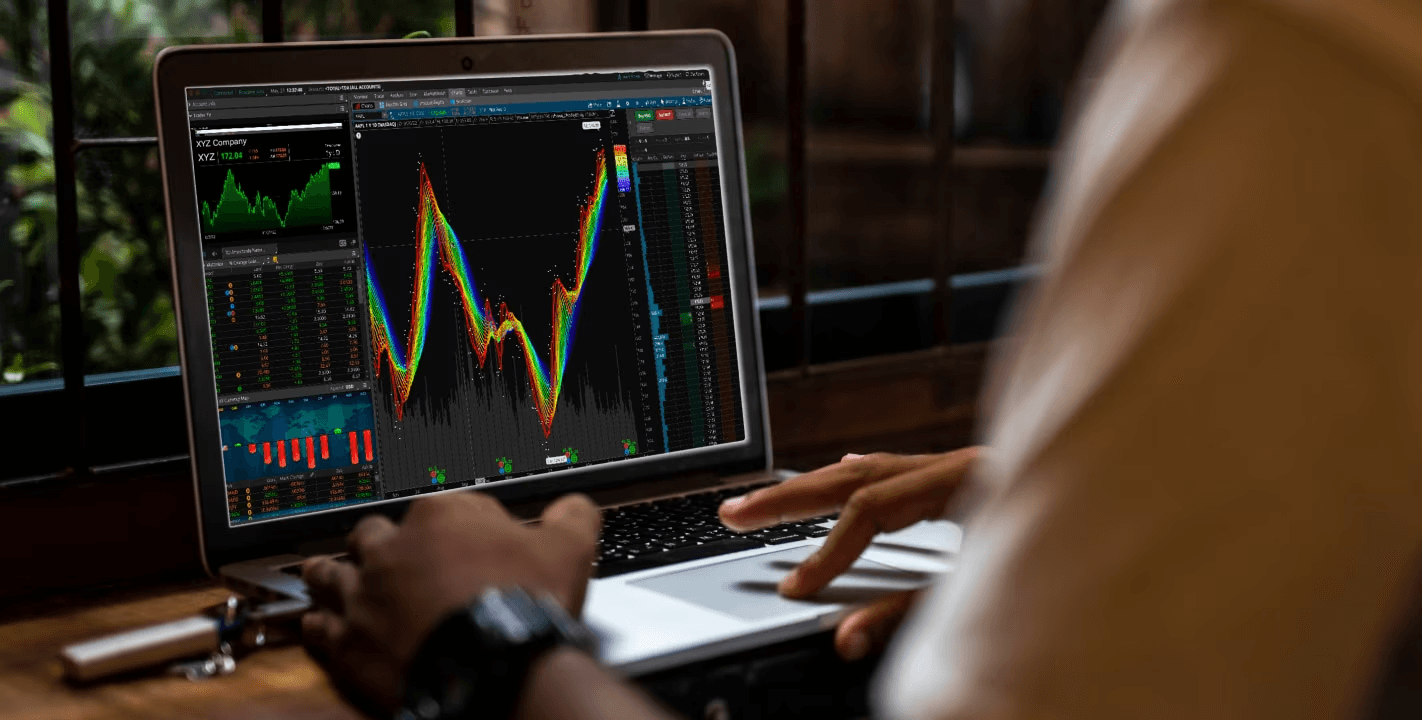
Standardized contracts now cover dozens of asset classes beyond the traditional corn and crude oil most people imagine. You can trade futures on:
- Agricultural products
- Energy benchmarks
- Precious and industrial metals
- Equity indexes
- Currencies
- Interest rates
- Even cryptocurrencies
Each market attracts different participants with distinct motivations, from farmers locking in harvest prices to portfolio managers hedging broad equity exposure with a single contract.
Agricultural Commodities
- Corn
- Soybeans
- Wheat
- Live cattle
- Dairy
Futures let producers and food manufacturers remove price uncertainty from their operations. A farmer sells corn futures months before harvest to guarantee revenue if prices collapse, while a cereal company buys them to cap ingredient costs against sudden supply shocks. Standardized contracts eliminate negotiation over quality or delivery terms, turning physical goods into liquid instruments that trade continuously on platforms like CME Globex. Speculators study crop reports and weather patterns to profit from volatility, providing the liquidity hedgers need to execute large orders without dramatically moving prices.
Energy Products
- WTI crude
- Brent crude
- Natural gas
- Gasoline
- Heating oil
Futures anchor global energy markets. Refineries buy crude contracts to fix input costs, airlines hedge jet fuel exposure, and utilities lock in natural gas prices ahead of winter demand spikes. High volatility and a constant flow of geopolitical news attract speculators who enter leveraged positions with relatively small margin deposits. The depth of liquidity means billions in notional value change hands daily, creating tight spreads and real-time price discovery that physical spot markets cannot match.
Metals
- Gold
- Silver
- Copper
- Platinum
Futures serve both safe-haven demand and industrial hedging. Miners sell contracts to guarantee revenue on future production, jewelers buy gold futures to secure raw materials without tying up cash in physical bars, and manufacturers lock in copper prices to stabilize costs for electronics or construction projects. Traders watch these markets for macroeconomic signals, since gold often rises during uncertainty while copper tracks economic growth. Cash settlement options add flexibility for those who want exposure without handling physical delivery.
Equity Indices
- S&P 500
- Nasdaq-100
- Russell 2000
- International benchmark
Futures let portfolio managers hedge broad market exposure without selling individual stocks. A single contract delivers pure equity beta, and micro versions make these accessible even to smaller accounts that once lacked the capital for full-sized positions. Nearly 24-hour trading and cash settlement mean you can adjust views instantly as earnings reports or Fed decisions unfold. The massive daily volume reflects widespread use by institutions and retail participants alike, offering cost-efficient leverage and the ability to express directional views across entire markets with a single trade.
Currencies and Interest Rates
Currency futures cover major pairs like:
- Euro
- Pound
- Yen against the dollar
- Plus select emerging-market currencies
Importers and exporters hedge exchange-rate risk to protect profit margins on international deals, while speculators bet on interest-rate differentials or policy shifts. Interest-rate futures focus on Treasuries, Eurodollars, and federal funds, allowing banks and bond funds to lock in borrowing costs or protect fixed-income portfolios when yields move.
Leveraging Centralized Infrastructure for Cross-Asset Risk Management
The regulated, centralized structure ensures transparent pricing and eliminates counterparty default worries through clearing, making these markets essential for managing financial risk across borders and maturities. Most traders still treat these markets as separate silos, but the real edge comes from understanding how leverage and margin requirements interact across every asset class you just explored.
What is the Relationship Between Leverage and Margin in Futures Trading?

Many new traders believe leverage is a “bonus feature” that increases profit potential while incurring little downside. In reality, leverage and margin are tightly connected, and misunderstanding that link is one of the fastest ways to lose money in futures markets. Research and market data consistently show that high leverage significantly increases liquidation risk, especially when traders underestimate how quickly losses eat into margin balances. A detailed CFTC study of real retail futures accounts found that the median trader ends each trading event with small net losses of roughly $100 to $200. This pattern shows that traders who master the leverage-margin relationship can avoid the typical pitfalls and gain a real edge, rather than join the crowd that struggles.
Margin as the Foundation, Not a Loan
Margin functions as a performance bond that guarantees you can meet daily settlement obligations, not borrowed money you repay with interest. You post it with your broker to prove you can absorb adverse price swings without defaulting on the contract. Exchanges calculate these requirements based on historical volatility and current market conditions, adjusting them when risk spikes. This deposit stays locked in your account until you close the position, and any losses are deducted from it each evening during mark-to-market settlement, while gains add to your available balance immediately.
How Leverage Multiplies Your Exposure
Leverage gives you control over a contract's full notional value using only the margin you deposited. A $100,000 crude oil contract with a $5,000 margin requirement delivers 20:1 leverage, meaning every one-dollar move in oil prices shifts your account by twenty dollars. This amplification works in both directions without warning or delay.
Traders who chase high leverage ratios often discover that a 2% adverse move can wipe out 40% of their margin, triggering a maintenance call before they have time to react. The speed at which losses compound during volatile sessions catches even experienced participants off guard when positions exceed their true risk tolerance.
The Cascade That Wipes Out Overleveraged Positions
When prices move against you and your account equity drops below the maintenance margin threshold, brokers issue a margin call demanding immediate funds to restore the initial level. If you cannot meet that call within hours, the broker liquidates your position at the current market price, often at the worst possible moment, when volatility has spiked and spreads have widened.
Forced selling accelerates the fall in a classic cascade, as multiple overleveraged traders hit their thresholds simultaneously and automated systems dump contracts into a falling market. This self-reinforcing cycle turns a manageable pullback into a brutal crash, leaving traders who maxed out their leverage holding losses they never anticipated when they opened the trade.
Why Initial and Maintenance Margins Create Two Risk Thresholds
Initial margin opens the position, but maintenance margin determines whether you keep it. Exchanges set maintenance levels below initial requirements, typically at 70% to 80% of the opening amount, giving you a buffer before liquidation. This two-tier structure means you can withstand some adverse movement without adding capital, but once you breach that lower threshold, the clock starts ticking.
Real-time monitoring becomes essential because intraday swings can push you below maintenance even if the market recovers by close. Traders who understand this dynamic size positions to keep equity well above maintenance levels, preserving breathing room during volatile sessions rather than operating at the edge, where a single spike forces an exit. Most traders treat margin as a simple entry cost and leverage as a bonus feature, but the real question is whether beginners should engage with these amplified risks at all.
Is Futures Trading Suitable for Beginners?
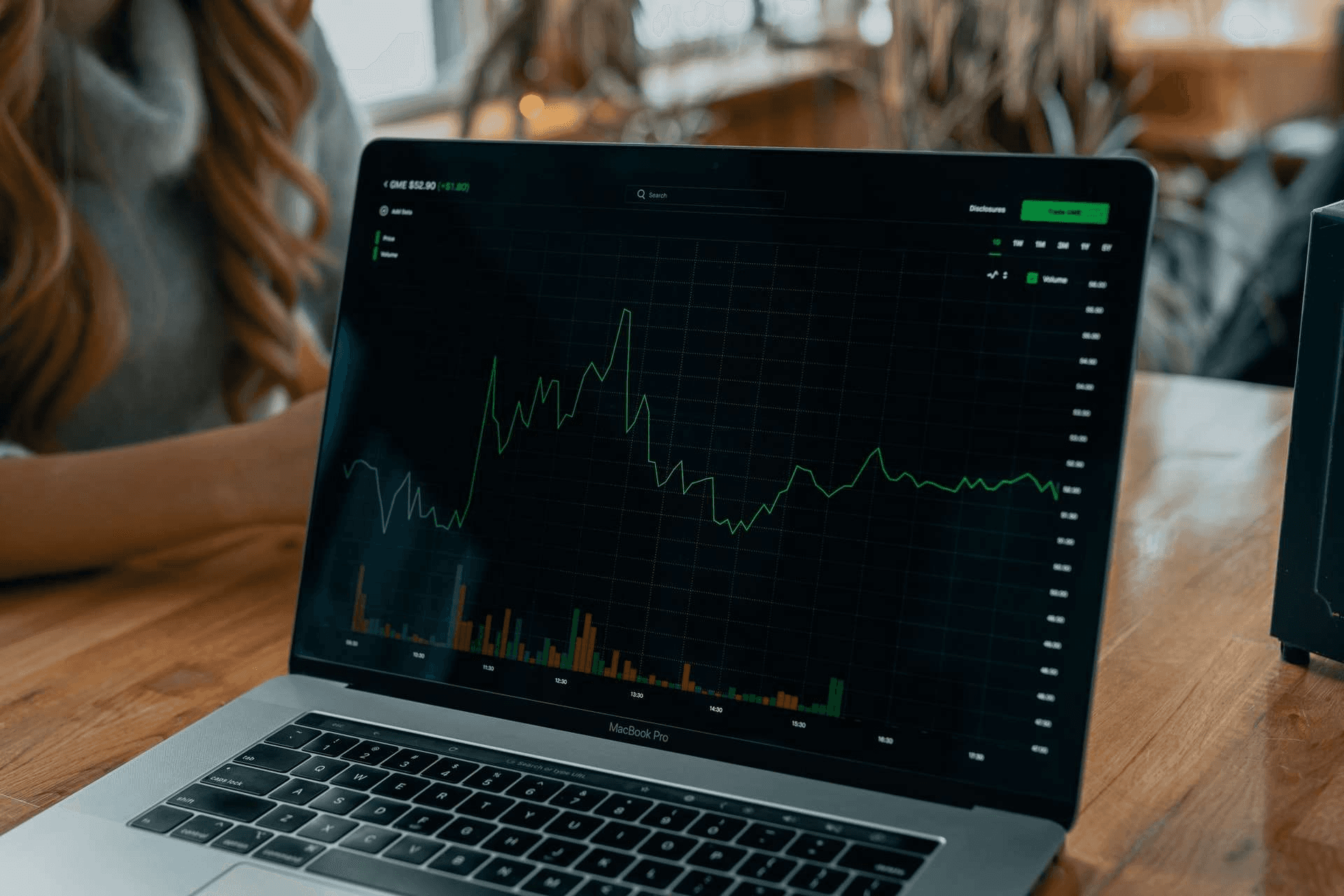
Futures trading can work for beginners who approach it as a skill to develop rather than a shortcut to profits, provided they commit to education before risking real capital. The barriers have lowered significantly with micro contracts requiring far less margin than standard ones, yet the amplified risks from leverage remain unchanged. Success depends less on market complexity and more on whether you're willing to build knowledge systematically, practice with simulations, and honor strict risk limits even when emotions push you to override them.
Starting With Education Before Execution
Beginners who study contract specifications, tick values, and margin mechanics before placing trades give themselves a foundation that turns abstract numbers into actionable decisions. Understanding that a single tick move in crude oil equals $10 per contract, or that E-mini S&P 500 futures trade in 0.25-point increments worth $12.50 each, transforms price charts from confusing lines into precise risk calculations.
This preparation lets you size positions based on how much you can afford to lose per tick rather than guessing at exposure levels. Regulated exchange resources from CME Group and educational content from the CFTC provide reliable information that helps you avoid the myths and oversimplifications that circulate in unverified forums.
Respecting Leverage Without Fear
Leverage amplifies every decision, which means beginners must grasp both initial and maintenance margin requirements before opening any position. 90% of futures traders lose money, often because they underestimate how quickly adverse moves can trigger margin calls when positions exceed their true risk tolerance.
The solution isn't to avoid leverage entirely, but to size trades so that even in a worst-case scenario, your account remains intact and your emotions stay stable. Traders who set stop-loss orders at levels they calculate in advance, rather than deciding mid-panic, protect themselves from the cascading liquidations that wipe out overleveraged accounts during volatile sessions.
Practicing With Micro Contracts and Simulations
Micro futures let you control one-tenth the exposure of standard contracts, turning a $50,000 notional position into a $5,000 one while still experiencing real market dynamics. Paper trading platforms replicate live conditions without financial consequences, allowing you to test order types, observe how spreads widen during news events, and learn whether your strategy holds up under pressure.
This combination builds muscle memory for execution and reveals whether you can follow your plan when prices move against you. The emotional discipline you develop through consistent small-scale practice transfers directly to live trading, where the stakes feel higher, but the mechanics remain identical.
Committing to Daily Limits and Session Reviews
Futures markets operate nearly 24 hours across multiple sessions, offering flexibility that rewards discipline and punishes impulsive behavior. Setting a daily loss limit before you start, whether $100 or $500, forces you to walk away when that threshold hits rather than chasing losses into deeper trouble.
Reviewing each session afterward, noting what worked and what triggered mistakes, turns random outcomes into data that refines your approach over weeks and months. Beginners who treat this process like skill development rather than gambling gradually build the judgment that separates sustainable traders from those who blow up accounts and quit.
Viewing Futures as One Portfolio Component
Adding futures exposure to a diversified portfolio can smooth volatility when chosen thoughtfully, since commodities and equity indexes often move independently of individual stocks or bonds. The key lies in understanding that futures aren't a replacement for traditional investments but a tool for targeted exposure or hedging specific risks.
Beginners who start small, perhaps allocating 5% of capital to futures positions while maintaining core holdings elsewhere, gain experience without betting everything on a single market. This measured approach respects the learning curve while letting you participate in the transparency and equal access that regulated futures markets provide to every participant, regardless of account size.
Related Reading
- Futures Trading For Beginners
- Can You Day Trade Futures Without 25k
- Forex Vs Futures
- Stocks Vs Options Vs Futures
- Benefits Of Trading Futures
- Gold Futures Trading Strategy
- How Does Futures Trading Work
- Trading Gold Futures
- Day Trading Futures Strategies
- Best Indicators For Futures Trading
- Futures Trading Guide
How to Start Futures Trading
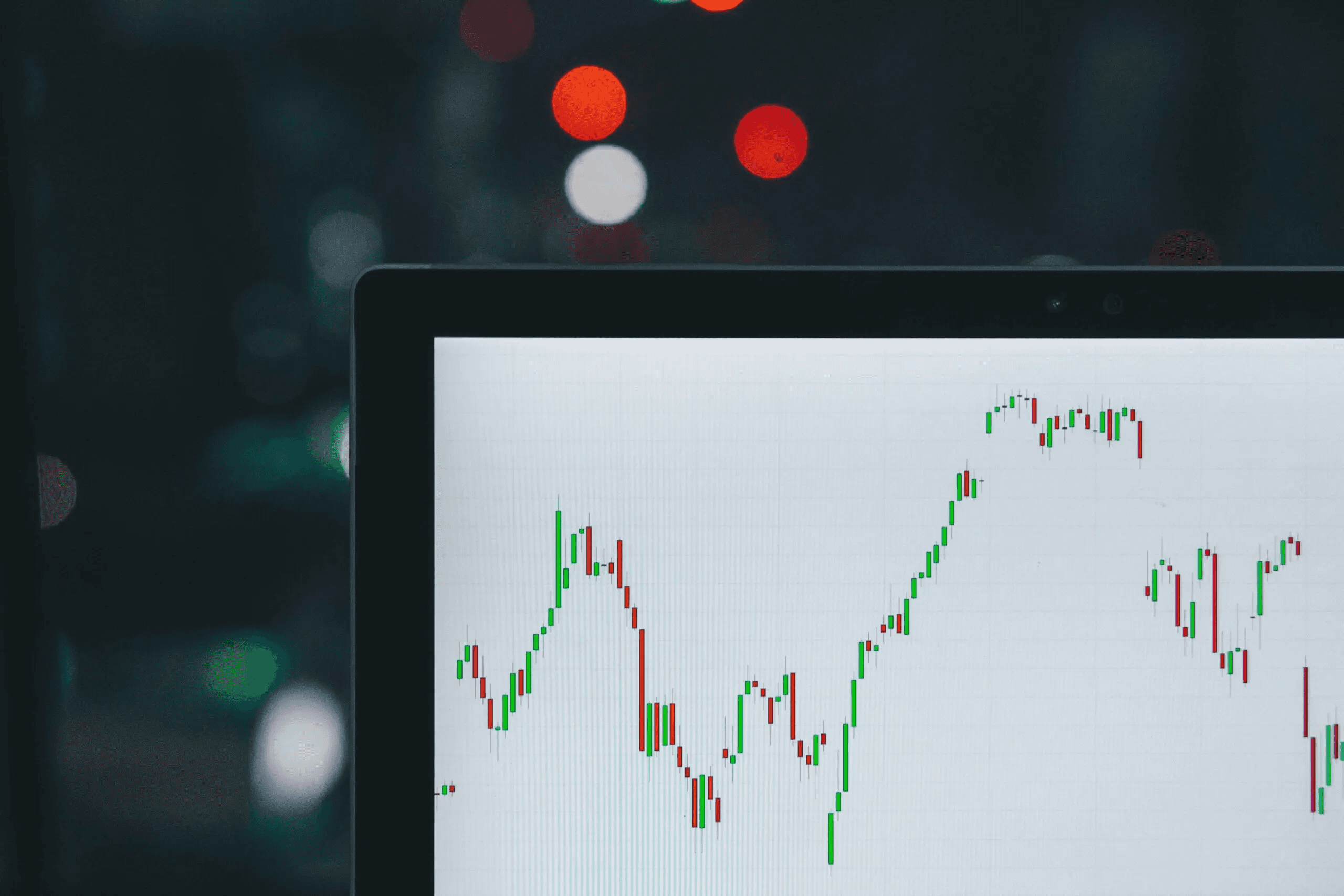
Moving from knowledge to execution requires opening a brokerage account that supports futures trading, funding it appropriately, and placing your first trade with clear rules for when you'll exit. The process mirrors setting up any investment account, but futures brokers ask additional questions about your experience level and risk tolerance because leverage amplifies consequences faster than stock purchases ever could. You'll select contracts, calculate position sizes based on margin requirements, and monitor markets that move continuously across global sessions rather than pausing at a closing bell.
Choose a Broker That Matches Your Learning Curve
Compare platforms based on margin rates, commission structures, educational resources, and the quality of customer support during volatile sessions. Charles Schwab requires a $500 minimum account balance, making it accessible for beginners who want to start small while accessing professional-grade charting tools and research. Look for CFTC-regulated firms that offer paper trading accounts alongside live ones, allowing you to test strategies without financial risk before committing capital. The application process verifies your financial situation and trading experience by asking about income, net worth, and familiarity with derivatives, since brokers have regulatory obligations to ensure clients understand what they're entering.
Fund Your Account With a Realistic Amount
Deposit enough to cover initial margin plus a buffer for adverse price movements, because positions that drop below maintenance thresholds trigger forced liquidation at the worst possible moments. Micro contracts require as little as $50 per contract, while standard contracts demand $1,000 to $1,500, depending on volatility and exchange rules.
Starting with two to three times the minimum margin gives you breathing room during normal market swings without facing immediate pressure to add funds. Link a bank account for quick transfers and enable features like stop-loss orders during setup, since automated risk controls protect you when emotions override judgment during fast-moving sessions.
Select Contracts That Fit Your Capital and Focus
Micro E-mini S&P 500 futures offer broad equity exposure with one-tenth the risk of standard contracts, making them ideal for learning how index movements affect your account balance. Energy traders might start with micro crude oil contracts to understand how geopolitical news and inventory reports drive volatility without risking thousands per tick.
- Study contract specifications before trading
- Noting tick size
- Dollar value per tick
- Expiration dates
- Settlement methods so you can calculate potential gains and losses precisely
Liquidity matters because tight bid-ask spreads reduce the cost of entering and exiting positions, while thinly traded contracts can trap you in losing trades when no buyers appear at reasonable prices.
Bridging the Gap Between Simulation and Live Execution
Most traders rush to place their first trade without testing whether their plan survives contact with real market pressure. Platforms that replicate live conditions using simulated funds let you practice order execution, experience the emotional weight of watching positions move against you, and refine your strategy until consistent results emerge across weeks of paper trading. This step separates those who treat futures as skill development from those who gamble and blame the market when losses pile up. But even the best preparation leaves one critical question unanswered: how do you extract consistent value from these markets once you've started?
How to Get the Most Out of Futures Trading as a Beginner
Getting the most from futures means treating every trade as a data point rather than a win or loss, building systems that protect capital while you learn, and refusing to scale position sizes until your edge proves itself across months of consistent execution. Beginners who approach this market with discipline extract compounding lessons from each session, while those chasing quick profits typically exit broke within their first year. The difference lies not in talent but in how you structure your learning process and manage the emotional turbulence that accompanies leveraged positions.
Track Every Trade
Keep a detailed journal recording:
- Entry price
- Exit price
- Reasoning behind the setup
- Emotional state during execution
- What you'd change next time
This habit transforms random outcomes into patterns you can analyse weekly, revealing whether losses stem from poor timing, oversized positions, or breaking your own rules during volatile moments. After 50 trades, you'll see which setups actually work in your hands versus which ones looked good in theory but consistently fail when real money moves. The traders who skip this step repeat the same mistakes indefinitely because they never isolate what's breaking down in their process.
Size Positions to Survive Losing Streaks
Risk no more than 1% of your account on any single trade, calculating position size backward from your stop-loss distance rather than guessing at how many contracts feel right. Futures contracts typically require 3-10% of the contract value as initial margin, but that low barrier tempts beginners to overleverage until one bad session wipes out weeks of gains. If you're trading a $10,000 account, a $100 risk per trade means you can withstand ten consecutive losses without facing psychological pressure to abandon your strategy. This cushion lets you focus on execution quality instead of obsessing over account balance fluctuations that naturally occur during the learning curve.
Specialize in One Market Before Adding Others
Master the behavior of crude oil, E-mini S&P 500, or corn futures by watching how news events, inventory reports, and session transitions affect price action across weeks of observation. Spreading attention across multiple asset classes dilutes your ability to recognize the subtle patterns that separate high-probability setups from noise.
Once you can predict how your chosen market typically reacts to specific catalysts, you've built an edge that compounds as you refine entry timing and risk management within that familiar context. Beginners who jump between markets chasing volatility never develop the depth needed to trade with confidence when conditions shift.
Use Simulator Profits as Your Promotion Criteria
Paper trading should feel boring after consistent profitability emerges, signaling you've internalized the mechanics and emotional discipline needed for live execution. If simulator results swing wildly or you find yourself breaking rules because "it's not real money," you're not ready to risk capital regardless of how much you've studied.
The transition to live trading should happen only after you've logged at least 100 simulated trades with positive expectancy and can articulate exactly why each winner worked and each loser failed. This standard filters out gamblers who mistake luck for skill and ensures your first live trades build on proven processes rather than hope.
Democratizing Institutional Capital via Skill-Validation Frameworks
Most beginners treat funded trading programs as advanced tools reserved for professionals, but platforms designed around skill validation rather than capital requirements flip that assumption completely. AquaFutures provides instant funding up to $450,000 in simulated capital with real profit payouts, letting traders keep 100% of the first $15,000 earned and 90% thereafter.
Accounts start at $25,000 with beginner-friendly profit targets around 6%, no daily loss limits in Pro mode, and trailing drawdown protection that adjusts as you gain. This structure removes the traditional barrier of needing tens of thousands in personal capital while maintaining the risk discipline that separates sustainable traders from those who blow up accounts, offering 24/7 support and payouts within 24 hours once targets are hit.
Related Reading
- Futures Trading Tips
- Spot Trading Vs Futures Trading
- Best Coin For Futures Trading
- Futures Trading Risk Management
- Futures vs. CFD
- Futures Trading Patterns
- Best App For Futures Trading
- Best Crypto Futures Trading Platform
- Best Futures Trading Software
Unlock up to 50% off Your First Funded Account for Futures Trading
The skills you've built studying contract mechanics, margin calculations, and risk management only translate into meaningful profits when you trade with enough capital to make each tick count. Most beginners face a frustrating gap between understanding the theory and accessing the account size needed to turn a solid edge into real income, since saving $25,000 to $50,000 for proper position sizing can take years while your knowledge sits unused.
AquaFutures removes that capital barrier by providing instant funding up to $450,000 in simulated capital with real profit payouts, letting you apply everything covered in this guide without risking personal savings. You keep 100% of the first $15,000 you earn and 90% thereafter, with beginner-friendly profit targets around 6% and no daily loss limits in Pro accounts that support the disciplined approach you've been developing.
Incentivizing Consistency Through Guaranteed Payouts and High-Capital Access
The structure rewards consistency rather than gambling, offering 24/7 support and guaranteed payouts within 24 hours once you hit targets, backed by a $500 guarantee in case of processing delays. With flexible one-step evaluations, affordable entry fees starting low (often discounted up to 50%), and transparent rules that align with the risk management principles outlined earlier, the platform turns your futures trading education into a practical next step rather than a distant goal requiring years of capital accumulation. Ready to trade with professional-sized capital while your own money stays safe? Explore AquaFutures account options today and get funded to put your new skills into action, with surprise bonuses and weekly rewards designed to help beginners start strong.
