



How to Become a Professional Trader: 10 Tips for Success
How to become a professional trader with 10 clear tips on market basics, trading plans, and risk management. Start learning today.

The gap between dreaming about trading success and actually making consistent profits comes down to one thing: the right foundation. Many aspiring traders jump into the markets without proper preparation, choosing platforms that overwhelm them with complexity or fail to provide the learning environment needed to develop real skills. Finding the best futures trading platform for beginners becomes a turning point in your journey, because the tools you start with shape your trading habits, risk management approach, and ultimately your ability to confidently launch a professional trading career, securing consistent profits and financial freedom through proven strategies.
That foundation matters even more when you have access to capital that lets you focus purely on developing your edge. AquaFutures offers funded accounts for futures trading, allowing you to practice and refine your strategies in real market conditions without risking your own savings. This approach removes the pressure of financial loss during your learning phase, allowing you to concentrate on building the discipline, technical analysis skills, and emotional control that separate professional traders from gamblers.
Summary
- Most aspiring traders fail within their first year because they treat markets like a lottery rather than a skill-building process, chasing quick wins instead of mastering risk management and emotional control first. Research shows that 90% of traders lose money in their first year, often because they underestimate the learning curve and overtrade before developing a repeatable edge.
- Position sizing separates professionals from gamblers more than any analytical skill, with experts limiting exposure to one or two percent of total capital per position. This mathematical discipline ensures that even a streak of ten consecutive losses leaves accounts viable for recovery.
- Specialization beats diversification when building trading expertise, as a narrow focus accelerates pattern recognition by repeatedly observing the same instruments under varying conditions. Traders who concentrate on one or two markets that align with their schedule and risk tolerance develop an intimate understanding of asset behavior that broad diversification never teaches.
- Emotional control determines whether traders execute their plans or abandon them mid-trade when fear or greed surfaces, with professionals cultivating the ability to take losses without anger and wins without overconfidence. Detailed trade journals that capture not just outcomes but also mindset and market conditions accelerate learning by revealing repeatable patterns that memory alone never captures.
- Leverage in futures contracts lets traders control significant exposure with smaller accounts, but that capital efficiency cuts both ways during adverse moves. Major futures contracts and forex pairs offer execution quality that exotic instruments cannot match, especially during volatile periods when liquidity evaporates elsewhere.
AquaFutures addresses the capital barrier by providing simulated accounts up to $450K for futures trading, letting traders demonstrate consistent execution without risking personal funds through 6% profit targets and guaranteed 24-hour payouts that reward disciplined risk management.
What Does It Mean to Be a Professional Trader?

Becoming a professional trader means treating the markets like a business, not a game. You build systems, manage risk with precision, and execute decisions based on probabilities rather than hunches.
It requires the same commitment you'd bring to running a company:
- Consistent processes
- Emotional discipline
- A focus on long-term survival over short-term wins
Discipline Separates Professionals From Gamblers
Discipline isn't about motivation or willpower. It's about following predefined rules even when your gut screams otherwise. Professionals develop routines that prioritize preparation, execution, and post-trade review, refusing to let impulse override strategy during volatile periods. This level of self-control separates those who endure losing streaks from those who quit early, turning trading into a repeatable process rather than a gamble.
Over time, this discipline builds confidence because you learn to trust your system regardless of short-term outcomes. You review performance regularly to refine approaches without abandoning core principles, creating a sustainable edge in competitive markets. Without it, even the most sophisticated analysis fails to deliver consistent results.
Risk Management Comes Before Profit Targets
Risk management stands as a non-negotiable priority for professionals who prioritize preserving capital over maximizing every potential gain. They calculate position sizes carefully, often limiting exposure to a small percentage of total funds per trade, and employ tools such as stop-loss orders to automatically cap downside. This approach allows them to stay in the game through inevitable drawdowns while positioning for recovery.
Capital Allocation And Risk Discipline
Effective capital allocation also involves understanding leverage and reward-to-risk ratios, ensuring that potential profits justify the exposure taken. Professionals treat every trade as part of a larger portfolio, avoiding overconcentration that could wipe out accounts.
Only about 10% of traders pass prop firm evaluations, often because they fail to maintain consistent risk discipline under pressure. By emphasizing loss minimization alongside selective profit-taking, they achieve longevity that casual participants rarely match.
Trading Without Personal Capital Pressure
Most traders start by risking their own savings, which creates emotional pressure that clouds judgment. Platforms like AquaFutures remove this barrier by providing simulated capital of up to $450K, allowing you to demonstrate your skills without risking personal funds.
This "your skill, our risk" approach shifts the focus from fear of loss to demonstrating consistent execution, with clear profit targets like 6% goals and guaranteed fast payouts that reward discipline rather than luck.
Emotional Control Defines Long-Term Survival
Emotional control enables professionals to maintain objectivity amid market swings that might derail others. They cultivate traits like optimism and self-awareness, viewing setbacks as temporary lessons rather than personal failures, and address personal stressors outside of trading hours to prevent spillover. This resilience helps them avoid revenge trading or overconfidence after wins.
A balanced personal life further supports psychological strength, as healthy habits and clear boundaries enhance focus during market hours. Professionals build thick skin through daily reflection, learning from outcomes without emotional attachment. This mindset fosters the internal power needed to take calculated risks while staying detached from any single result.
What Skills Do Professional Traders Need to Succeed?

Professional trading demands more than chart-reading ability or quick reflexes. Success requires analytical precision to interpret complex data streams, emotional discipline to execute plans under pressure, and systematic risk management that protects capital through inevitable losing streaks. These skills work together as a framework, where weaknesses in one area undermine strengths in others, making isolated expertise insufficient for long-term profitability.
Analytical Thinking
Sharp analytical skills let you spot high-probability setups by synthesizing price patterns, volume shifts, and economic signals into actionable decisions. This goes beyond recognizing familiar chart formations. You're weighing multiple variables simultaneously, filtering out noise that misleads less-experienced participants, and building conviction based on objective evidence rather than gut feelings. Without this precision, even disciplined traders enter positions based on incomplete interpretations, which erode their edge over time.
The skill sharpens through deliberate practice, combining technical tools like moving averages with broader market context to identify setups that align with your strategy's statistical advantage. 90% of traders lose money, often because they lack the analytical rigor to separate signal from distraction. Professionals develop this capacity by reviewing thousands of setups until pattern recognition becomes intuitive, allowing faster, more accurate decisions during live sessions.
Risk Management
Effective risk management means calculating exact position sizes, setting strict stop-loss levels before entry, and never exposing more than a predefined percentage of capital on any single trade. This discipline protects your account from catastrophic losses that wipe out weeks of gains in minutes, regardless of how confident you feel about a setup.
It creates staying power by ensuring no single mistake ends your trading career, allowing you to survive long enough for your edge to compound.
Risk-Reward Ratios And Position Sizing
Professionals build every trade around clear risk-reward ratios that favor positive expected value, often documenting these parameters before execution to prevent emotional adjustments mid-trade.
One oversized loss destroys months of careful work, which is why systematic position sizing becomes non-negotiable. This framework transforms trading from gambling into a sustainable business model where probabilities work in your favor across hundreds of decisions.
Trading Without Personal Capital Risk
Most traders risk personal savings, creating emotional pressure that clouds judgment during drawdowns. Platforms like AquaFutures remove this barrier by providing simulated capital of up to $450K, allowing you to demonstrate consistent risk management without endangering your own funds. Their 6% profit targets and guaranteed 24-hour payouts reward disciplined execution rather than reckless swings, aligning incentives around the skills that actually produce long-term results.
Emotional Discipline and Adaptability
Controlling fear and greed separates professionals from those who burn out chasing losses or abandoning winning strategies too early. You train yourself to remain calm when positions move against you, executing stops without hesitation, and to exit winners according to plan rather than hoping for unrealistic extensions. This mental control prevents revenge trading after losses and overconfidence after wins, keeping decisions rooted in logic rather than fleeting emotions that destroy accounts.
Markets evolve constantly as economic conditions shift and participant behavior changes, so rigid adherence to outdated methods guarantees declining performance. Adaptable traders regularly reassess their approaches, recognizing when familiar patterns lose effectiveness and pivoting to updated strategies without becoming emotionally attached to past successes. This flexibility maintains an edge across different market regimes, ensuring sustained profitability when others struggle to adjust.
Record-Keeping and Continuous Learning
Meticulous journaling captures every trade detail, including rationale, outcome, and lessons learned, creating an objective database for performance review. Continuous learning builds on this by incorporating new tools, market insights, and strategy refinements drawn from both personal data and external education. Together, they drive measurable improvement rather than repeated mistakes.
Traders who excel here review journals regularly to identify recurring strengths and weaknesses, then actively seek fresh knowledge through courses, simulations, or market study. This ongoing process turns experience into a compounding advantage, refining decision-making and elevating overall results far beyond what initial market knowledge alone can achieve.
Related Reading
- Best Futures Trading Platform for Beginners
- Is Trading A Good Career
- Why Trade Futures Instead Of Options
- Is Futures Trading Gambling
- How To Start Futures Trading
- What Is Leverage in Futures Trading
- What Is Crypto Futures Trading
- How To Make Money Trading Stocks
- Is Trading Futures Profitable
How Long Does It Take to Become a Professional Trader?

Many newcomers imagine mastering the markets after a handful of online courses and scoring quick wins to replace their income. In truth, becoming a professional trader follows a far longer road shaped by consistent practice and hard-earned experience. Studies and broker disclosures repeatedly show that 70 to 90 percent of retail traders lose money over time, with only a small fraction ever reaching steady profitability.
Yet this challenge holds real hope: by following a deliberate path rather than chasing shortcuts, you position yourself among those who build lasting skills and confidence. The timeline may test your patience, but the rewards of disciplined progress can turn trading into a sustainable career you genuinely enjoy.
The Reality Behind the Numbers
Bookmap's 2024 research shows that 90% of traders fail within their first year, often because they underestimate the learning curve and overtrade before developing a repeatable edge. This statistic isn't meant to discourage you. It highlights how most beginners approach trading like a lottery rather than a skill-building process, chasing quick wins instead of mastering risk management and emotional control first.
The traders who survive past that first year treat every trade as data, not validation, and they accept that early losses teach more than beginner's luck ever could.
Market Adaptability and Long-Term Proficiency
Success timelines also vary because markets constantly shift, and proficiency comes only after you've navigated multiple cycles of volatility, consolidation, and trending conditions. A trader who learns during a bull market might feel confident until the first sustained drawdown exposes gaps in their risk framework.
Professionals prove themselves across different regimes, demonstrating that their edge persists regardless of external conditions. This takes exposure you can't simulate in a few months of study.
Why Most Traders Extend Their Own Learning Curve
Overtrading and poor position sizing destroy more accounts than a lack of market knowledge. Many traders ignore stop-loss rules or risk too much per trade, turning manageable losses into account-threatening drawdowns that force them to restart with depleted capital and shaken confidence.
Without a strict plan that limits risk to one percent or less per trade, even skilled analysis cannot deliver professional results. The math works against you when position sizes swing wildly based on emotion rather than predefined rules.
Controlling Emotional Trading Habits
Emotional reactions also lengthen the path by prompting revenge trades after losses or strategy changes at the worst moments. Traders who move stops mid-trade, take profits too early, or let losers run are judging themselves by single outcomes rather than statistical consistency.
Regular journaling and weekly performance reviews help spot these habits early, turning chaos into structure before bad patterns become ingrained. Addressing these behaviors directly keeps you on track and prevents the cycle that causes most traders to quit before they reach consistency.
Proving Your Edge Without Personal Risk
Most traders risk personal savings, which creates emotional pressure that clouds judgment during inevitable drawdowns. AquaFutures removes this barrier by providing simulated capital of up to $450K, allowing you to demonstrate consistent execution without endangering your own funds.
Their 6% profit targets and guaranteed 24-hour payouts reward disciplined risk management rather than reckless swings, aligning incentives around the skills that actually produce long-term results. This "your skill, our risk" approach shifts focus from fear of loss to proving your edge in a supportive environment.
Building Skills That Compound Over Time
Focus intensely on mastering one or two strategies through simulation and historical replay before risking real capital. Detailed trade journals that capture not just outcomes but also your mindset and market conditions accelerate learning by revealing repeatable patterns you can refine. Weekly reviews then turn data into clear adjustments without constant strategy hopping, which only resets progress and prevents you from building genuine expertise in any single approach.
Seeking structured guidance from experienced mentors or reputable communities offers shortcuts that self-taught traders rarely discover on their own. Combine this with continuous education on market mechanics and psychology, and you create steady forward momentum.
Mindset Mastery and Professional Sustainability
These habits shorten the journey without promising overnight success, turning the long road into a rewarding process you control. Professional trading ultimately means generating consistent returns with controlled risk, treating it as a serious business rather than a hobby, and that mindset shift alone separates those who endure from those who burn out while chasing unrealistic timelines.
But knowing how long it takes matters less than knowing which specific actions actually move you forward.
Related Reading
- Futures Trading For Beginners
- Can You Day Trade Futures Without 25k
- Forex Vs Futures
- Stocks Vs Options Vs Futures
- Benefits Of Trading Futures
- Gold Futures Trading Strategy
- How Does Futures Trading Work
- Trading Gold Futures
- Day Trading Futures Strategies
- Futures Trading Basics
- Best Indicators For Futures Trading
- Futures Trading Guide
10 Tips to Become a Professional Trader

1. Master the Fundamentals of Trading
Start by building a strong base in how trading actually works at its core. This includes:
- Grasping the processes behind executing trades
- The minimum capital required to get started effectively
- The key differences among major markets such as
- Equities
- Options
- Futures
- Currency pairs
Understanding these elements prevents costly beginner mistakes and sets a realistic foundation for all future decisions.
Operational Fundamentals and Risk Literacy
Equally important is learning practical tools such as:
- Various order types
- Market operating hours
- The gaps between buying and selling prices
- The core principles for safeguarding your capital from the outset
Reputable educational resources from established platforms can guide this phase, which often requires several months to a year of consistent study before confidence grows enough to move forward.
2. Pick a Market and Instruments to Trade
With basics in place, narrow your focus to one or two markets and specific assets that match your style, available time, and comfort with risk levels. Each area, whether stock shares, currency trading, or futures contracts, operates differently in terms of liquidity, hours, volatility, and unique rules, so alignment here avoids frustration and improves results over time.
Specializing early prevents spreading attention too thin and allows deeper expertise in how that market behaves under various conditions. Many experienced traders recommend starting narrow, testing what fits through research and small experiments, because approaches successful in one sector rarely transfer directly to another without adjustment.
3. Develop and Test Trading Strategies
Create a clear set of rules for entering and exiting positions based on proven analysis methods, and then rigorously validate them before using real funds. This step turns knowledge into actionable plans by incorporating technical patterns, economic factors, or a mix, while always defining risk limits upfront for every trade.
Backtesting with past market data and forward-testing in controlled environments reveals strengths and weaknesses, allowing refinements as conditions shift. Professional traders treat strategy building as an ongoing process, using charts, indicators, and simulation tools to ensure the approach remains profitable and adaptable, rather than relying on untested ideas.
4. Gain Practical Trading Experience
Move from theory to real-world application by first practicing in simulated environments that mirror live markets without financial exposure. This builds familiarity with price movements, timing pressures, and emotional responses, helping develop the intuition needed for high-stakes decisions.
Once comfortable, transition gradually to small real-money positions while keeping a full-time job if possible. The goal is steady consistency over flashy wins, as true professional-level skill and mental resilience usually emerge only after years of disciplined repetition and learning from both successes and setbacks.
5. Choose a Reliable Broker
Select a brokerage firm that supports your chosen markets with a:
- Dependable platform
- Competitive costs
- Fast execution
- Strong regulatory oversight to protect your funds
Factors like customer service quality, available tools, and overall reputation matter far more than flashy promotions when evaluating options.
Test potential brokers thoroughly through their demo accounts to confirm platform stability and fee structures fit your strategy. A trustworthy partner ensures seamless operations, minimizes downtime risks, and provides the infrastructure professionals need for efficient, secure trading over the long term.
6. Master Risk Management
Risk management forms the foundation that separates surviving traders from those who quickly lose their capital. Professionals never risk more than a small fixed percentage of their total account, typically 1-2% on any single trade. This approach ensures that a string of losses does not wipe out the account, preserving capital for future opportunities even during challenging periods.
Effective risk control goes beyond basic stop-loss orders.
- It includes calculating proper position sizes based on volatility
- Setting realistic reward-to-risk ratios (often at least 1:2)
- Avoiding over-leveraging
Traders who master this treat every position with discipline, cutting losses quickly while letting winners run according to predefined rules, which protects long-term profitability far more than chasing big gains.
7. Cultivate Essential Trader Qualities
Professional traders develop a:
- Specific mindset that emphasizes emotional control, patience, and independent thinking.
- Confidence in a well-tested plan allows them to execute without second-guessing, while calmness during volatile swings prevents panic-driven decisions.
- Independence helps avoid following the crowd, enabling objective analysis instead of reacting to market noise or hype.
Additional key traits include simplicity in approach for clearer execution, ongoing curiosity to keep learning, and optimism that views setbacks as temporary lessons rather than defeats. These qualities build gradually through consistent practice and self-reflection, ultimately creating the mental edge needed for sustained success in unpredictable markets.
8. Keep a Trading Journal
A detailed trading journal serves as a personal performance database, capturing every trade’s setup, entry, and exit reasons, position size, market context, and emotional state at the time. Regular reviews of this record reveal recurring patterns in both winning and losing trades, enabling objective identification of strengths to build on and weaknesses to correct.
Beyond data tracking, journaling fosters accountability and emotional discipline by forcing traders to confront decisions honestly rather than relying on memory. Over months and years, it evolves into a customized guide that refines strategies, reinforces good habits, and accelerates improvement far more effectively than trading without documentation.
9. Maintain Discipline and Focus
Discipline means strictly following your predefined trading plan and risk rules regardless of:
- Emotions
- Market excitement
- Recent outcomes
Building this requires creating daily routines, minimizing distractions with a dedicated workspace, and using techniques like pre-trade checklists or short breaks to maintain mental clarity during sessions.
Strong focus prevents impulsive actions such as revenge trading after losses or overtrading during quiet periods. Professionals develop this mental toughness over time through repetition, treating trading like any high-performance skill where consistency in small decisions compounds into reliable long-term results.
10. Continue Education and Adaptability
Financial markets constantly evolve with new regulations, technologies, economic shifts, and participant behaviors, so successful traders commit to lifelong learning through books, reputable courses, webinars, and analysis of current events. Staying informed helps integrate useful tools and refine approaches without chasing unproven fads.
Adaptability involves regularly reviewing performance data and being willing to adjust strategies when market conditions change, rather than rigidly sticking to outdated methods. This ongoing process of learning from both profits and losses ensures traders remain competitive and resilient, recognizing that professional trading is a continuous journey rather than a destination.
How to Choose a Market or Asset Class to Focus On

Choosing your market isn't about picking what's trending on financial news or what your favorite influencer trades. It's about matching your personality, schedule, and capital to an environment where you can build a repeatable edge.
Futures, forex, equities, commodities, and crypto each behave differently under stress, reward different skill sets, and demand varying levels of attention. Your job is to find the one where your natural strengths align with market mechanics, not force yourself into a space that fights your wiring.
Match Your Schedule to Market Hours
Futures markets operate nearly around the clock, letting you trade crude oil at 2 a.m. or gold during lunch breaks without waiting for an opening bell. Forex follows the sun across global financial centers, offering liquidity whenever you're awake. Equities, by contrast, concentrate action into U.S. market hours, which suits full-time traders but locks out anyone working a 9-to-5.
If you're building a trading career around another job, choose markets that don't punish your availability. 2025 rewarded traders who could react across multiple time zones, not just those glued to screens during standard sessions. Part-time professionals often gravitate toward futures or forex precisely because these markets accommodate irregular schedules without forcing you to miss setups.
Assess Capital Requirements and Leverage Realities
Futures contracts demand margin rather than full position value, letting you control significant exposure with smaller accounts, but that leverage cuts both ways during adverse moves. Forex offers similar capital efficiency through fractional lot sizing, while equities typically require more upfront cash unless you qualify for pattern day trader margin. Your starting capital shapes which markets remain accessible.
A $5,000 account can trade micro E-mini contracts or forex pairs comfortably, whereas building a diversified stock portfolio at that size creates concentration risk you can't manage properly. Understand the minimum effective size for your chosen market, then ensure your reserves exceed that threshold by enough to survive multiple losing trades without margin calls forcing exits at the worst moments.
Capital Protection and Funded Trading
Most traders fund their learning phase with personal savings, which creates emotional pressure that clouds judgment during inevitable drawdowns. AquaFutures removes this barrier by providing simulated capital of up to $450K, allowing you to demonstrate consistent execution in futures markets without risking your own funds.
Their 6% profit targets and guaranteed 24-hour payouts reward disciplined position sizing rather than overleveraged swings, aligning incentives around the capital management skills that actually produce long-term results. This approach lets you focus on building edge instead of recovering from self-inflicted account damage.
Prioritize Liquidity Over Exotic Opportunities
Tight spreads and deep order books matter more than flashy price swings when you're entering and exiting positions multiple times per week. Major forex pairs like EUR/USD or futures contracts like the E-mini S&P 500 offer execution quality that exotic instruments can't match, especially during volatile periods when liquidity evaporates elsewhere. Illiquid markets trap capital when you need to exit, turning small losses into catastrophic ones because no buyers exist at reasonable prices.
Professionals stick to venues where million-dollar orders move prices minimally, knowing that consistent execution beats chasing theoretical gains in thinly traded assets. Calculate total transaction costs, including commissions, slippage, and overnight financing, across your expected trade frequency. Low-cost, liquid environments free up capital for position sizing and allow frequent trading without eroding edge before you've even proven your strategy works.
Test Volatility Against Your Risk Tolerance
Some traders thrive in the sharp moves of crude oil or Bitcoin, while others need the steadier rhythm of treasury futures or blue-chip stocks to maintain composure. Volatility determines how wide your stops must be to avoid getting shaken out by normal noise, which directly affects position sizing and profit potential.
Market Compatibility and Volatility Analysis
A market that routinely gaps 2% overnight requires different capital reserves than one that trends smoothly within defined ranges. Analyze historical price behavior to confirm the asset exhibits patterns your tested methodology can exploit. Choppy, range-bound environments frustrate breakout strategies, while strongly trending markets punish mean-reversion approaches.
Your edge exists only where market behavior matches your system's assumptions, so choose venues where volatility expands and contracts in ways you've already learned to quantify and profit from.
How to Get Started in a Trading Career
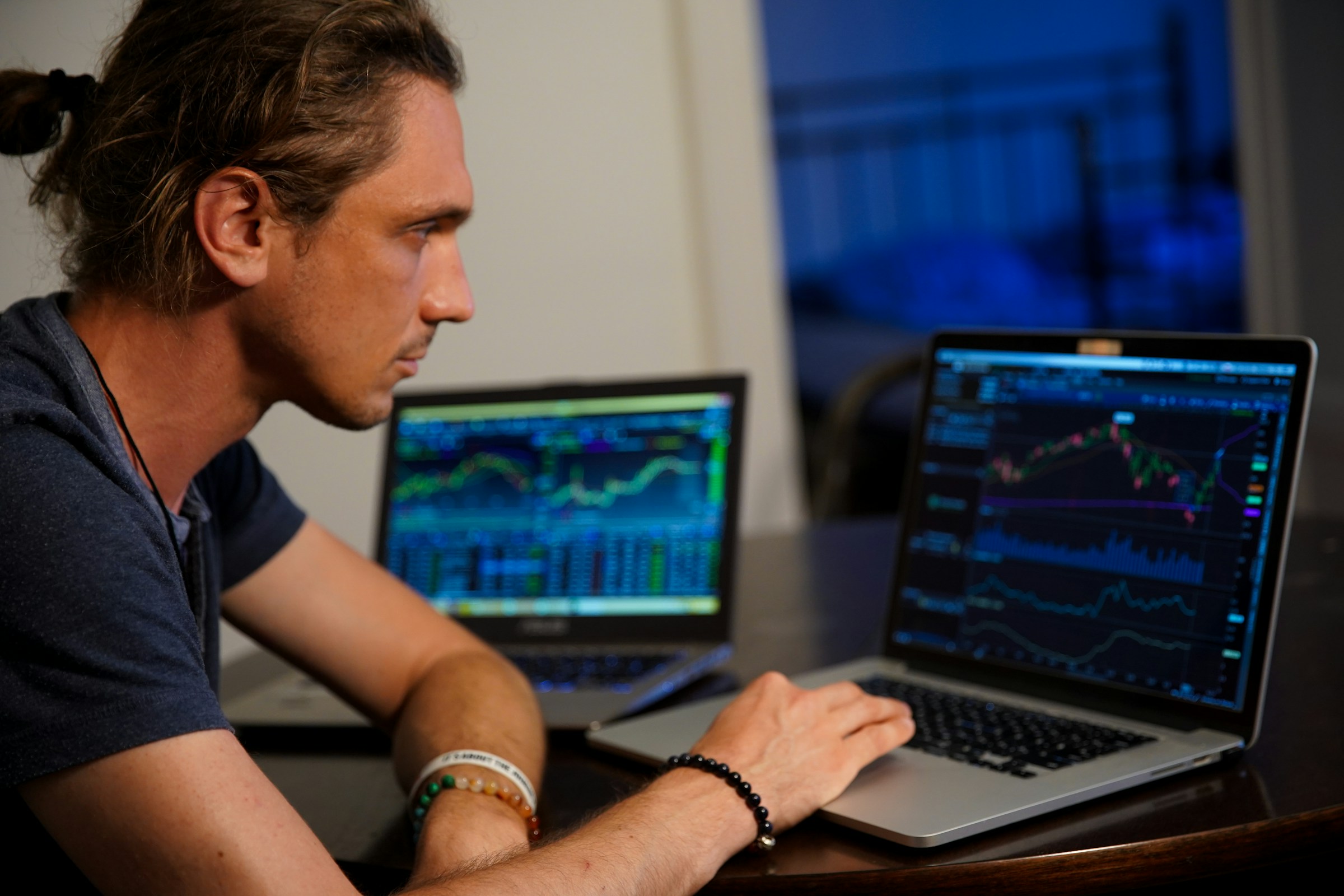
Getting started means treating this like any serious profession, not a side hobby you can master on weekends. You need self-assessment to confirm trading fits your temperament, structured education to build market literacy, deliberate strategy development with rigorous testing, and months of simulated practice before risking capital.
Most people skip straight to live trading because it feels exciting, then burn through savings, learning lessons they could have absorbed risk-free. The sequence matters more than speed.
Evaluate Your Personal Fit for Trading
Before committing time or resources, honestly assess whether trading aligns with your personality and lifestyle. Day trading or active market participation requires strong analytical abilities, quick decision-making under pressure, and emotional resilience to handle frequent losses without panic or overconfidence. Consider your tolerance for irregular income, long hours monitoring screens, and the isolation that often comes with independent trading. Many aspiring traders discover, after self-reflection, that a more structured role, such as working for a firm, suits them better.
Financial stability matters too. Trading should supplement, not immediately replace, steady employment until you prove consistent results over time. Review your current situation to ensure you can absorb learning periods without financial strain, as this foundational self-check prevents common early burnout and sets realistic expectations for the career path ahead.
Acquire Comprehensive Market Knowledge
Start by building a solid understanding of how financial markets function, including trading hours, economic indicators, news impacts, and basic mechanics of order types and margin. Dive into core concepts like price action, volume analysis, and the differences between asset classes to avoid costly beginner mistakes driven by incomplete information. Reliable resources, such as free educational materials from reputable brokers or structured online courses, help build this base without overwhelming you.
This stage goes beyond memorizing terms. Apply concepts by observing live markets to see real-time cause-and-effect. Consistent study over several months builds the flexibility needed to adapt strategies across varying conditions, turning theoretical knowledge into a practical edge for long-term career viability.
Identify Suitable Markets and Trading Approaches
Narrow your focus to one or two markets and styles that match your schedule, risk appetite, and interests, whether stocks, futures, forex, or indices. Each has unique characteristics, liquidity levels, and volatility patterns, so experimenting early helps you specialize rather than spreading efforts too thin. For instance, futures might appeal for their leverage and round-the-clock access, while stocks suit those preferring established exchanges.
Once selected, align your approach (such as momentum, breakout, or range-based methods) with the behavior of your chosen market. This targeted selection prevents skill dilution and enables deeper mastery, which is essential as the learning phase scales into professional-level execution.
Craft a Detailed Trading Strategy and Plan
Develop a written plan that outlines specific entry and exit rules, position sizing, and criteria for different market environments. Test multiple complementary strategies on historical data to confirm they perform across bull, bear, and sideways conditions before applying them live. Include clear guidelines on trade frequency and asset selection to maintain consistency.
Documenting everything in your plan creates accountability and serves as a reference during live sessions. Regularly review and refine it based on performance data, ensuring the strategy evolves with your growing experience and market changes for sustainable career progress.
Prioritize Robust Risk Management Practices
Implement strict rules, such as limiting risk to no more than 1% of total capital per trade and capping daily losses, to protect your account from devastating drawdowns. Calculate position sizes based on stop-loss levels rather than arbitrary amounts, and maintain reserve capital for inevitable losing streaks. These safeguards separate professional traders from those who quickly exhaust funds.
Effective risk management also includes the "6 percent rule" for daily exposure, prompting a trading pause after significant losses to avoid emotional decisions. By treating capital preservation as the top priority, you build career longevity and create a buffer that supports compounding gains over time.
Engage in Extensive Simulated Trading Practice
Use demo or paper-trading accounts offered by brokers to apply your plan in real market conditions without financial risk. Log every simulated trade, including rationale and outcomes, then analyze results weekly to identify patterns and weaknesses. Aim for several months of profitable consistency before transitioning to small live positions.
This practice phase bridges theory and reality, revealing how your strategy performs amid slippage, news events, and emotional pressures. Thorough journaling accelerates improvement and builds confidence, shortening the overall timeline to reliable profitability in your trading career.
Cultivate Essential Psychological Discipline
Trading success hinges on controlling emotions like fear and greed through routines such as pre-market preparation and post-session reviews. Maintain a trading journal focused on mindset alongside technical performance, and consider simple mindfulness practices to stay objective during volatile periods. Discipline turns knowledge into repeatable results.
Develop daily habits that reinforce patience, take only high-probability setups, and walk away when conditions do not align. Over time, this mental resilience becomes your strongest asset, enabling you to weather the ups and downs that define a professional trading career.
Capital Accessibility and Performance Incentives
Most traders fund their learning with personal savings, creating emotional pressure that clouds judgment during inevitable drawdowns. AquaFutures removes this barrier by providing simulated capital of up to $450K, allowing you to demonstrate consistent execution without risking your own funds.
Their 6% profit targets and guaranteed 24-hour payouts reward disciplined risk management rather than reckless swings, with 100% profit splits on the first $15,000 earned and 90% thereafter. This "your skill, our risk" approach shifts focus from fear of loss to proving your edge in a supportive environment with 24/7 customer service and no hidden fees.
Transition to Live Trading Strategically
Once simulation results show consistent profitability over at least three months, begin live trading with the smallest position sizes your broker allows. This gradual transition helps you adapt to the psychological shift that occurs when real money is at stake, even if amounts seem trivial. Track performance meticulously, comparing live results to simulated outcomes to identify any behavioral changes that emerge under actual financial pressure.
Increase position sizes incrementally as you maintain consistency, never jumping to full-scale trading after a few winning weeks. 90% of traders lose money in their first year, often because they scale too quickly before proving their edge across different market conditions. Patience during this phase prevents the account-destroying mistakes that force most beginners to restart from scratch.
Commit to Continuous Learning and Adaptation
Markets evolve as participants adopt new technologies, regulations shift, and economic cycles change the effectiveness of previously effective strategies. Commit to ongoing learning through books, courses, and analysis of your performance data to identify when adjustments become necessary. This doesn't mean constantly changing systems but rather refining approaches as conditions warrant.
Review performance quarterly to assess whether recent results align with historical expectations, and investigate discrepancies objectively. Professionals accept that what worked last year might need tweaking this year, treating trading as a continuous improvement process rather than a solved problem.
Related Reading
- Futures Trading Tips
- Spot Trading Vs Futures Trading
- Best Coin For Futures Trading
- Futures Trading Risk Management
- Futures vs. CFD
- Futures Trading Patterns
- Best App For Futures Trading
- Best Crypto Futures Trading Platform
- Best Futures Trading Software
Unlock up to 50% off Your First Funded Account for Futures Trading
The skills you've built through these ten practices only reach their full potential when backed by serious capital. Most traders spend years proving their edge on small accounts, watching consistent strategies deliver returns too modest to replace a salary, not because their methods fail but because position sizes remain constrained by limited funds. That gap between competence and career income stops more professionals than any lack of market knowledge.
AquaFutures removes that barrier by providing simulated capital of up to $450K, allowing you to demonstrate your execution without risking personal savings. Their instant funding options eliminate lengthy evaluations, while 6% profit targets and guaranteed 24-hour payouts reward the discipline you've developed.
Profit Monetization and Capital Scalability
With 100% profit splits on your first $15,000 earned and 90% thereafter, your skill translates directly into income without the emotional pressure of recovering personal losses. Over 190,000 traders have already moved from practicing on restricted accounts to trading with real backing, supported by a 24/7 service that treats your success as their priority.
Ready to apply everything you've learned with proper funding behind you? Explore AquaFutures account options today and unlock up to 50% off your first funded account, plus weekly BOGO deals and bonuses. Your professional trading journey deserves capital that matches your commitment.
