



10 Futures Trading Tips to Trade the Market Safely in 2026
Futures trading tips to help you manage risk, plan trades, use stops, and protect capital in 2026. Start trading safer.

Picture this: you've opened your first futures trading account, but every position you enter feels like a gamble rather than a strategy. For those searching for the best futures trading platform for beginners, the real challenge isn't just finding the right tools—it's learning to use them with discipline, proper risk management, and a clear trading plan. This article delivers practical futures trading tips that help you trade futures safely in 2026, protect your capital from unnecessary losses, and grow consistently through confident, rules-based decisions that remove emotion from your trading.
Building those skills becomes easier when you're not risking your own money during the learning curve. AquaFutures offers funded accounts for futures trading, giving you access to capital while you develop your edge in the markets. This approach lets you focus on mastering position sizing, stop-loss placement, and trade execution without fear of depleting your personal savings, creating the perfect environment to implement the strategies and risk controls that separate successful traders from those who burn out in their first few months.
Table of Contents
- What Is Futures Trading, and How Does It Work?
- Can Anyone Trade Futures?
- How Much Money Do You Need to Start Futures Trading?
- How to Get Started With Futures Trading
- 10 Futures Trading Tips to Trade the Market Safely in 2026
- How AquaFutures Makes Futures Trading Safer for Traders
- Unlock up to 50% off Your First Funded Account for Futures Trading
Summary
- Futures contracts settle daily through mark-to-market adjustments that credit or debit your account overnight based on each session's price movement. This constant feedback loop, combined with approaching expiration dates, creates time pressure that spot markets never impose, forcing traders to decide whether to roll contracts, close positions, or prepare for settlement rather than hold indefinitely.
- Margin in futures functions as a performance bond rather than borrowed capital, requiring initial deposits to open positions and maintenance levels to keep them active. When accounts drop below maintenance thresholds due to adverse price moves, automatic liquidation occurs if traders can't meet margin calls immediately, turning small swings into account-ending events when position sizing goes wrong.
- Position sizing determines survival more than win rate because it controls how much damage losing streaks inflict on account balances. A trader with 60% accuracy, risking 5% per trade, gets wiped out faster than someone with 40% accuracy, risking 1%, because compounding losses destroys accounts exponentially as position sizes grow too large relative to available capital.
- Micro futures reduced market exposure by 90% compared to standard contracts, transforming $ 50-per-point moves into $5 increments while preserving identical price action and liquidity. This shift opened futures to traders who previously couldn't afford the risk of full-sized contracts, with intraday margins dropping as low as $50 per contract, making meaningful market exposure possible with just a few hundred dollars in capital.
- Most futures traders fail not from poor market analysis but from emotional decisions made during losing streaks, with 90% of participants losing money, according to industry data. The gap between simulation and live trading reveals itself through fear and greed that paper trading environments never replicate, exposing why random experimentation in demo accounts creates false confidence that evaporates once real money enters the equation.
- Liquidity in major contracts like Micro E-mini S&P 500 or Micro Crude Oil determines whether stop-loss orders execute at the intended price or slip by multiple ticks during volatile periods. In thinly traded instruments, wide spreads and absent buyers at critical levels turn planned $50 losses into $150 hits before the price even moves in the trader's favor, making contract selection as important as entry timing.
AquaFutures addresses the capital barrier by providing simulated funding from $25,000 to $450,000 to traders who demonstrate consistent risk management, allowing them to trade with firm capital while keeping 100% of the first $15,000 in profits and receiving payouts within 24 hours.
What Is Futures Trading, and How Does It Work?
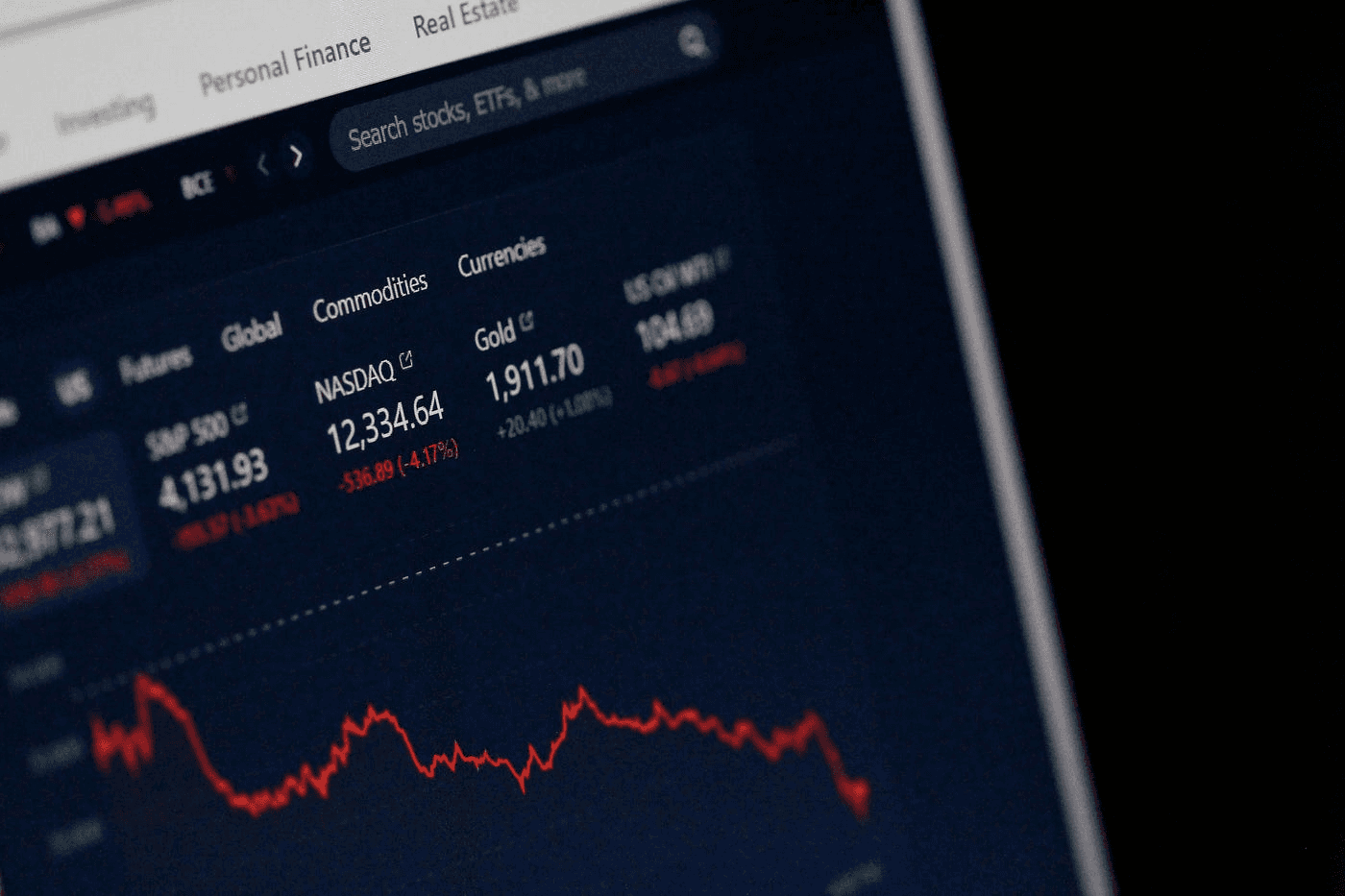
Futures trading locks in a price today for an asset you'll exchange later. You agree to buy or sell something like crude oil, gold, or the S&P 500 at a set price on a specific date, regardless of where the market moves. That contract trades on a regulated exchange, and you can exit before expiration by taking the opposite position. Most traders never touch the physical asset because they close out early, capturing profit or loss from price movement alone.
Standardized Contracts Drive Liquidity
Every futures contract specifies the exact quantity, quality, and delivery terms. Charles Schwab notes that a single corn futures contract represents 5,000 bushels of corn, making each agreement uniform and instantly tradable. This standardization creates deep liquidity in major markets because buyers and sellers know exactly what they're exchanging. The exchange matches orders electronically, and settlement happens through a clearinghouse that guarantees both sides of every trade.
Margin as Performance Bond
Margin in futures works differently from stock trading. You're not borrowing money to buy an asset. Instead, you post a good-faith deposit called initial margin to open a position, and the exchange requires maintenance margin to keep it active. If your account falls below maintenance due to adverse price movements, you will receive a margin call demanding immediate funds. Breaches trigger automatic liquidation if you can't meet the requirement, turning small swings into account-ending events when position sizing goes wrong.
Leverage Amplifies Both Directions
A 10:1 leverage ratio lets you control $100,000 of market exposure with $10,000 in margin. That amplification works symmetrically. A 2% favorable move doubles your margin, while a 2% loss wipes it out entirely. Topstep reports that 90% of traders lose money, often because they underestimate how quickly leverage compounds mistakes. One sharp swing in oil, gold, or currency pairs can erase weeks of progress when traders size positions for maximum exposure rather than survival.
Funded accounts through platforms like AquaFutures let you trade with simulated capital while learning to manage leverage without risking personal savings. You build position-sizing discipline and stop-loss habits using real market conditions, earning profit splits on performance while the platform absorbs the downside during your learning curve. This setup removes the capital barrier that forces new traders to take on overleveraged positions with their own money.
Daily Settlement and Time Pressure
Futures contracts settle daily through mark-to-market adjustments. Gains or losses from each session are credited or debited to your account overnight, creating a constant feedback loop. As expiration approaches, you must roll to the next contract month, close the position, or prepare for settlement. That time constraint forces decisions.
Holding through expiration without action leads to physical delivery obligations or cash settlement at terms you didn't choose, adding urgency that spot markets never impose. According to the Futures Industry Association, global futures and options trading volume reached 137.3 billion contracts in 2023, marking one of the highest trading activity levels ever recorded.
Related Reading
- Best Futures Trading Platform for Beginners
- Is Trading A Good Career
- Why Trade Futures Instead Of Options
- Is Futures Trading Gambling
- How To Start Futures Trading
- What Is Leverage in Futures Trading
- What Is Crypto Futures Trading
- How To Become A Professional Trader
Can Anyone Trade Futures?
Any adult over 18 with capital to meet margin requirements can open a futures account.
- No finance degree
- No institutional backing
- No Wall Street connections required
The barrier isn't regulatory exclusivity. It's psychological. Traders convince themselves the game belongs to someone else while the market moves without them. The application process through a futures commission merchant takes minutes. You verify identity, confirm you understand leverage dynamics, and fund the account. Brokers assess suitability to ensure you grasp margin mechanics, but they're not gatekeeping talent. You can start with as little as $500–$1,000, and day trade margins drop to $50 per Micro contract. The exchanges built products specifically for retail participation because they wanted your volume.
Why Retail Participation Exploded
CME Group reported record average daily volume of 28.1 million contracts in 2025. That number reflects a structural shift. Retail traders now access the same order flow, execution speed, and contract specifications that institutional desks use. Online platforms erased the infrastructure gap that once separated professionals from the rest of the population.
Micro contracts changed the capital equation entirely. A trader with $1,000 can control meaningful exposure in equity indexes, energy, or metals without risking account wipeout on a single adverse tick. That accessibility didn't exist a decade ago. Exchanges recognized that liquidity improves when diverse participants trade, so they engineered products to pull retail money into the system.
What Successful Traders Actually Master
Contract specifications matter more than market predictions. You need to know tick values, margin requirements, trading hours, and settlement procedures before placing a single order. Education resources from brokers and exchanges provide this foundation, but discipline determines whether you apply it consistently.
Position sizing separates profitable participants from those who blow up accounts. Structured risk management with defined loss thresholds per trade outperforms gut-feel approaches every time. CFTC data tracking over 36,000 distinct retail accounts shows that consistency, not aggression, drives long-term results. The traders who survive treat futures as a skill requiring deliberate practice, not a lottery ticket.
Meritocratic Capital and Risk Delegation
Most platforms that offer funded accounts for futures trading recognize this reality. They provide simulated capital to skilled traders who lack personal funds, rewarding disciplined execution rather than requiring massive upfront deposits. That model demonstrates that the market values competence over wealth, shifting risk to the platform while allowing traders to demonstrate proficiency with real contract mechanics. But knowing you're eligible and understanding the mechanics still leaves one question unanswered: how much capital does it actually take to start trading live contracts?
How Much Money Do You Need to Start Futures Trading?

You can start trading futures with as little as $500 to $1,000, and some brokers allow micro contract trading with day margins as low as $50. The capital you need depends entirely on which contracts you choose, whether you hold positions overnight, and how much room you leave for drawdowns. According to NinjaTrader, $500 represents the minimum capital threshold for most retail futures accounts, but that figure assumes disciplined risk management and contract selection that matches your account size.
Micro Contracts Changed the Access Equation
Standard E-mini contracts demand thousands in margin and expose traders to $50 per point moves on the S&P 500. Micro futures cut that exposure by 90%, turning $50 point moves into $5 increments while preserving the same price action and liquidity. This shift opened futures trading to traders who previously couldn't afford the risk of full-sized contracts, letting them build skills with real capital at stake rather than endless demo trading that never replicates the emotional pressure.
Ironbeam reports intraday margins on micro futures as low as $50 per contract, making it possible to control meaningful market exposure with a few hundred dollars in your account. Day trading margins stay far below overnight requirements because brokers know most retail traders close positions before the session ends, reducing their risk exposure. This structure rewards active traders who manage positions closely rather than letting them sit through high-volatility periods outside market hours.
Why Most Traders Need More Than the Minimum
Starting with exactly $500 leaves zero buffer for normal market movement. A single losing trade risks 10% to 20% of your account if you're trading one micro contract with proper stop placement, and two consecutive losses can trigger margin calls or force you out of the market entirely. Accounts funded between $1,000 and $5,000 give you room to follow the 1% to 2% risk rule per trade, absorb a string of losses without catastrophic damage, and stay in the game long enough to learn what works.
The difference between surviving and thriving comes down to breathing room. Traders who start undercapitalized make desperate decisions when drawdowns hit, abandoning their strategy mid-stream or risking too much on a single setup to recover losses quickly. That pattern destroys more accounts than bad entries ever will.
Capital Access and Skill-Based Funding
Most traders assume capital barriers keep them sidelined when the real obstacle is proving they can execute a plan without blowing up a small account. Platforms like AquaFutures remove the capital constraint entirely by providing simulated funding up to $450,000 for traders who demonstrate consistent risk management and profitability, letting skill replace wealth as the entry requirement. Instead of scraping together thousands to trade your own money, you trade theirs while keeping 100% of the first $15,000 in profits and earning payouts within 24 hours.
But having capital or access to funding only matters if you know which contracts to trade, how to size positions correctly, and where to execute without getting crushed by fees or slippage. That's where the mechanics of actually opening and operating a futures account become the next hurdle.
Related Reading
- Futures Trading For Beginners
- Can You Day Trade Futures Without 25k
- Forex Vs Futures
- Stocks Vs Options Vs Futures
- Benefits Of Trading Futures
- Gold Futures Trading Strategy
- How Does Futures Trading Work
- Trading Gold Futures
- Day Trading Futures Strategies
- Futures Trading Basics
- Best Indicators For Futures Trading
- Futures Trading Guide
How to Get Started With Futures Trading

Getting started in futures trading requires understanding contract mechanics, choosing regulated brokers, and practicing execution before risking capital. The process becomes manageable when you treat it like learning any technical skill:
- Break down the components
- Practice deliberately
- Build discipline through repetition
Most beginners fail because they skip preparation and jump straight into live markets without understanding position sizing, margin requirements, or risk controls.
What Futures Contracts Actually Represent
Futures contracts standardize exposure to underlying assets through exchange-traded agreements. Each contract specifies exactly what you're trading (crude oil barrels, gold ounces, S&P 500 index points), the contract size, expiration date, and tick value. The standardization creates liquidity because every trader operates under identical terms, making entry and exit straightforward during active trading hours.
Understanding contract specifications changes how you approach position sizing. A single E-mini S&P 500 contract controls $50 per index point, while Micro E-mini contracts reduce that exposure to $5 per point. That difference determines whether a 20-point market move costs you $1,000 or $100. Traders who ignore these specifications usually discover their mistake through painful account drawdowns.
How Margin Functions as Performance Collateral
Margin in futures trading works differently from margin in stock trading. You're not borrowing money to buy securities. You're posting a good-faith deposit that ensures you can cover potential losses on your position. Initial margin represents the minimum deposit required to open a position, while maintenance margin defines the threshold where your broker liquidates your position if losses accumulate.
Successful traders implement proven strategies that account for margin requirements and position exposure before entering trades. Leverage amplifies results in both directions, which means proper margin management separates traders who survive volatility from those who get stopped out during normal market fluctuations.
Selecting Brokers Based on Execution Quality
Broker selection determines your access to markets, execution speed, platform reliability, and cost structure. Transparent fee schedules matter because hidden costs destroy profitability over time. Commissions, exchange fees, data fees, and platform charges add up quickly when you trade actively.
Strong brokers provide direct market access, reliable order routing, and responsive customer support when technical issues arise. Paper trading environments help you test platform functionality before committing capital. The best platforms feel intuitive under pressure because a clean interface design reduces decision-making friction when markets move fast.
Starting With Simulation Accounts
Demo trading exposes whether your strategy actually works without financial consequences. Treat simulation seriously by using realistic position sizes, following your trading plan exactly, and recording every decision. Random experimentation creates false confidence that evaporates once real money enters the equation.
The gap between simulation and live trading manifests as emotional pressure. Paper trading removes fear and greed from the equation, which means your real performance will likely differ from simulated results. Use demo accounts to master platform mechanics, test order types, and develop muscle memory for execution, not to prove your strategy generates easy profits.
Building Capital Access Through Funded Programs
Traditional futures trading required substantial personal capital to control meaningful positions. Funded trading programs changed that model by providing access to larger accounts after traders demonstrate consistency through evaluation processes. Instead of risking $25,000 of personal savings, traders prove their discipline with smaller evaluation fees and gain access to significantly larger buying power.
Platforms like AquaFutures offer instant funding options and evaluation programs that give traders access to accounts up to $450,000 while keeping 100% of their first $15,000 in profits. This structure removes the capital barrier that previously kept skilled traders stuck in undercapitalized accounts, where position-sizing constraints made consistent profitability nearly impossible. But knowing how to access capital and execute trades only matters if you understand which specific strategies actually work when volatility spikes and market conditions shift against you.
10 Futures Trading Tips to Trade the Market Safely in 2026

Survival in futures markets depends less on finding perfect entries and more on building systems that protect you when conditions turn hostile. The traders who last beyond their first drawdown follow structured rules that remove emotion from execution, preserve capital, and turn consistent discipline into a measurable edge. These ten principles create the foundation for safe, sustainable performance in 2026's volatile environment.
1. Build a Detailed Trading Plan Before Every Session
- Write down your entry criteria
- Exit rules
- Position sizing limits
- Daily loss thresholds before you open a chart
This blueprint transforms abstract intentions into enforceable decisions that keep you focused on high-probability setups rather than chasing random price spikes driven by algorithmic order flow. Review your plan each morning based on overnight news, economic calendar events, and shifts in volatility so your structure adapts to current conditions rather than yesterday's market behavior.
Plans fail when traders treat them as suggestions rather than as contracts with themselves. If your written rule says stop trading after two consecutive losses, you stop, even when the next setup looks perfect. That discipline prevents emotional revenge trading from turning manageable losses into account-threatening disasters.
2. Master Position Sizing with the 1-2% Rule
Calculate your exact contract size by risking no more than 1-2% of total account balance on any single trade. If you hold a $10,000 account and risk 1%, you can afford to lose $100 before your stop triggers. Divide that dollar risk by your stop-loss distance in points, then multiply by the contract tick value to determine how many contracts you trade. This mathematical approach removes guesswork and ensures one bad trade never threatens your ability to continue trading through inevitable drawdowns.
Position sizing matters more than win rate because it controls how much damage losing streaks inflict. A trader with 60% accuracy who risks 5% per trade gets wiped out faster than someone with 40% accuracy risking 1%, because the math of compounding losses destroys accounts exponentially when position sizes grow too large relative to capital.
3. Always Use Hard Stop-Loss Orders
Place protective stops immediately upon entry at logical technical levels beyond normal price noise, whether that's below a swing low, above a resistance zone, or at a volatility-based ATR multiple. Stops enforce discipline by automatically exiting positions when your thesis proves wrong, preventing small losses from metastasizing into account-threatening disasters during sudden news events or overnight gaps common in futures markets.
Never move stops farther from entry in the hope that price reverses, because hope is not a strategy, and moving stops turns calculated risk into unlimited exposure. The traders who blow up accounts don't lack intelligence. They lack the willingness to accept being wrong quickly. Hard stops force acceptance before emotion overrides logic.
4. Focus on High-Liquidity Contracts
Trade major micro contracts like MES (Micro E-mini S&P 500), MNQ (Micro E-mini Nasdaq-100), MCL (Micro Crude Oil), or MGC (Micro Gold), where tight bid-ask spreads and strong volume dominate. These instruments reduce slippage on entries and exits while providing reliable price action for precise technical analysis. Beginners gain clearer signals without the chaos of illiquid or exotic markets, where wide spreads turn profitable setups into losers before the price even moves in your favor.
Liquidity determines whether your stop-loss order gets filled at your intended price or slips past it by multiple ticks during volatile moves. In thinly traded contracts, a $50 planned loss becomes $150 because no buyers exist at your stop level. Major futures markets eliminate that uncertainty.
5. Maintain a Trading Journal and Review Weekly
Record every trade with entry price, exit price, contract size, reasoning behind the setup, emotions felt during execution, and outcome details, including profit/loss and adherence to rules. Weekly analysis reveals patterns in your strengths and weaknesses, so you refine your edge over time rather than repeating the same mistakes under different setups.
Consistent journaling turns subjective experience into objective data that shows whether your losses come from poor entries, premature exits, oversized positions, or rule violations. Most traders skip journaling because it forces uncomfortable honesty about performance. The discomfort is the point. You can't fix patterns you refuse to acknowledge.
6. Enforce Strict Risk-Reward Ratios on Every Trade
Demand at least a 1:2 risk-reward ratio before entering any position, meaning your profit target sits twice as far from entry as your stop-loss. This structure ensures winning trades outweigh losses over time, even with a 50% win rate, because the math of expectancy favors you when winners consistently earn double what losers cost.
Calculate targets based on clear support and resistance levels, Fibonacci extensions, or measured moves so every setup carries positive expectancy rather than arbitrary hope. A trader who wins 40% of the time but maintains 1:3 risk-reward ratios earns consistent profits. A trader who wins 60% of the time but takes 1:1 setups struggles to stay profitable after commissions, and slippage erodes the edge. The ratio matters more than accuracy.
7. Master Your Trading Psychology
Treat every trade as a business decision governed by probability and process rather than fear or greed. Emotional control prevents revenge trading after losses, stops you from abandoning proven rules during winning streaks, and keeps position sizing consistent regardless of recent performance. Daily routines like meditation, journaling, or physical exercise build the mental resilience required for consistent futures performance, because trading is a psychological endurance test disguised as a financial activity.
The critical difference between professionals and amateurs shows up after losses. Professionals review what went wrong, check if they followed their plan, then move to the next setup. Amateurs immediately hunt for a trade to "win it back," doubling position size and abandoning stops in pursuit of emotional relief rather than a statistical edge.
8. Stay Updated on Market Fundamentals
Monitor economic calendars for Federal Reserve announcements, employment reports, GDP releases, and geopolitical events that drive directional bias in your chosen contracts. Fundamental awareness helps you avoid trading against major forces such as central bank policy shifts or supply disruptions, while identifying high-probability directional setups when technical levels align with macro catalysts.
Combine this knowledge with technical analysis for stronger conviction in entries and exits, because price action tells you where to trade while fundamentals tell you why the move matters. Ignoring fundamentals means you might take a perfect technical long in crude oil the morning OPEC announces surprise production increases. Your chart looks bullish, but the fundamental catalyst overwhelms your setup and stops you out before the technical pattern completes.
9. Commit to Continuous Education and Backtesting
Dedicate time each week to study new setups, review past trades, and test strategies on historical data to measure their actual performance across different market conditions. Markets evolve rapidly in 2026 as algorithmic participation grows and volatility regimes shift, so ongoing learning keeps your edge sharp rather than letting it decay into outdated assumptions. Backtesting builds confidence in your rules before risking real capital, because you can see how your strategy performed through past drawdowns, trending markets, and choppy consolidations.
According to Kraken Learn, futures markets operate continuously with 24/7 access across global exchanges, meaning edge comes from adapting to different session characteristics rather than relying on a single approach that works only during New York hours. Testing your strategy across Asian, European, and American sessions reveals whether your edge holds universally or is tied to specific liquidity patterns.
10. Leverage Prop Firm Funding
Smart traders scale safely by accessing professional capital through reputable proprietary trading firms, rather than risking only personal funds on undercapitalized accounts, where position-sizing constraints make consistent profitability nearly impossible. This approach lets you trade larger positions with strict risk parameters while keeping the majority of profits and eliminating personal liability for losses beyond evaluation fees. Prop firms provide the perfect bridge for skilled traders ready to grow beyond small personal accounts without the years required to accumulate substantial trading capital through slow compounding.
Funding Versatility and Rapid Payouts
AquaFutures stands out as a leading futures-focused prop firm that delivers instant funding or simple one-step challenges, with traders choosing account sizes ranging from $25,000 to $450,000 in simulated trading capital. You prove consistency through clear objectives or opt for immediate funding, then trade on platforms like ProjectX or Volumetrica with the firm's capital while keeping 100% of your first $15,000 in profits and receiving payouts within 24 hours. But knowing these ten principles only matters if you understand how the right funding structure removes the capital barriers that keep disciplined traders stuck in accounts too small to generate meaningful income.
How AquaFutures Makes Futures Trading Safer for Traders

AquaFutures eliminates the single biggest threat to futures traders: personal financial ruin. You trade with the firm's capital, not your own savings. That separation means you can execute disciplined strategies on volatile instruments like crude oil or E-mini S&P 500 contracts without the emotional weight of risking money from rent, college funds, or retirement accounts. The pressure that forces revenge trading and position averaging after losses disappears when your family's financial security sits completely outside the trading equation.
Zero Personal Capital Exposure
Traditional futures trading demands you fund margin accounts with personal savings, then watch leverage amplify every mistake. A 4% adverse move on a standard contract can wipe out weeks of profits in minutes. AquaFutures funds every position with firm capital, so you face no liability for losses, no margin calls draining your bank account, and no sleepless nights wondering if tomorrow's session will destroy your financial cushion. You focus on execution while the firm absorbs all downside risk.
Structured Risk Parameters That Prevent Blowups
Most traders destroy accounts not through bad analysis but through emotional decisions after a losing streak. According to AquaFutures, their Standard accounts enforce a 2.5% daily loss cap and 4% maximum drawdown with position limits ranging from 1 to 10 contracts based on balance. These hard stops automatically prevent overtrading and position-sizing errors that turn manageable losses into catastrophic ones. The rules feel restrictive until you realize they're the same constraints professional institutional traders operate within, the framework that separates sustainable income from gambling.
Macro Shocks Trigger Emotional Trading
Many traders underestimate how macroeconomic shocks amplify emotional mistakes. Currency volatility, unexpected geopolitical events, or sudden liquidity crunches create the exact conditions where disciplined traders with personal capital at risk make desperate decisions. When your own money funds the account, a 3% drawdown feels like failure. When you're trading firm capital within clear boundaries, that same drawdown becomes data, feedback you analyze without panic.
Instant Funding Without Evaluation Delays
Platforms like AquaFutures offer instant funding options where you pay a one-time fee and receive login credentials for $25,000 to $450,000 accounts within minutes. Skip evaluation periods entirely if you want immediate access, or prove consistency through a simple one-step process. Either path leads to professional platforms like ProjectX or Volumetrica, the same execution infrastructure institutional desks use, with 100% of your first $15,000 in profits and 90% beyond that hitting your account within 24 hours of withdrawal requests.
Unlimited Time and Professional Support Infrastructure
Most prop firms impose minimum trading day requirements that force activity even when markets lack clear setups. AquaFutures removes all time constraints; you hold positions as long as your strategy demands and trade only when conditions align with your edge. Dedicated support through live chat, Discord, and email operates around the clock, resolving platform issues or rule clarifications within minutes instead of leaving you stranded during critical market hours across global sessions. The real safety comes from knowing that one bad trade, one emotional mistake, one unexpected gap move won't destroy everything you've built financially outside of trading.
Unlock up to 50% off Your First Funded Account for Futures Trading
You've built the discipline, the position sizing math, and the mental framework to trade futures safely. The final barrier isn't skill. It's the capital. Trading with limited personal funds in 2026 means every loss threatens your ability to stay in the game, and one bad sequence can erase months of careful progress while the best setups pass you by.
AquaFutures removes that constraint entirely. You trade with up to $450,000 in simulated capital, applying every rule from this article on professional platforms like ProjectX or Volumetrica, while the firm carries all financial risk. No margin calls hit your personal account. No single mistake destroys your savings. You keep 100% of the first $15,000 in profits and 90% beyond that, with payouts guaranteed within 24 hours, or you receive an extra $500. No minimum trading days, no forced schedules, just clear parameters like 2.5% daily loss caps on Standard accounts that reinforce the discipline you already practice.
If you stay where you are, you'll keep risking small accounts, watching bigger opportunities slip past, and restarting every time volatility spikes. Traders who join scale faster, protect their finances, and convert consistent execution into reliable income. Visit AquaFutures, choose your account size from $25,000 to $450,000, and start trading with professional capital today.
