



10 Benefits of Trading Futures Every Trader Should Know
Learn the benefits of trading futures, including leverage, flexible long or short trades, extended hours, and tools for risk management.
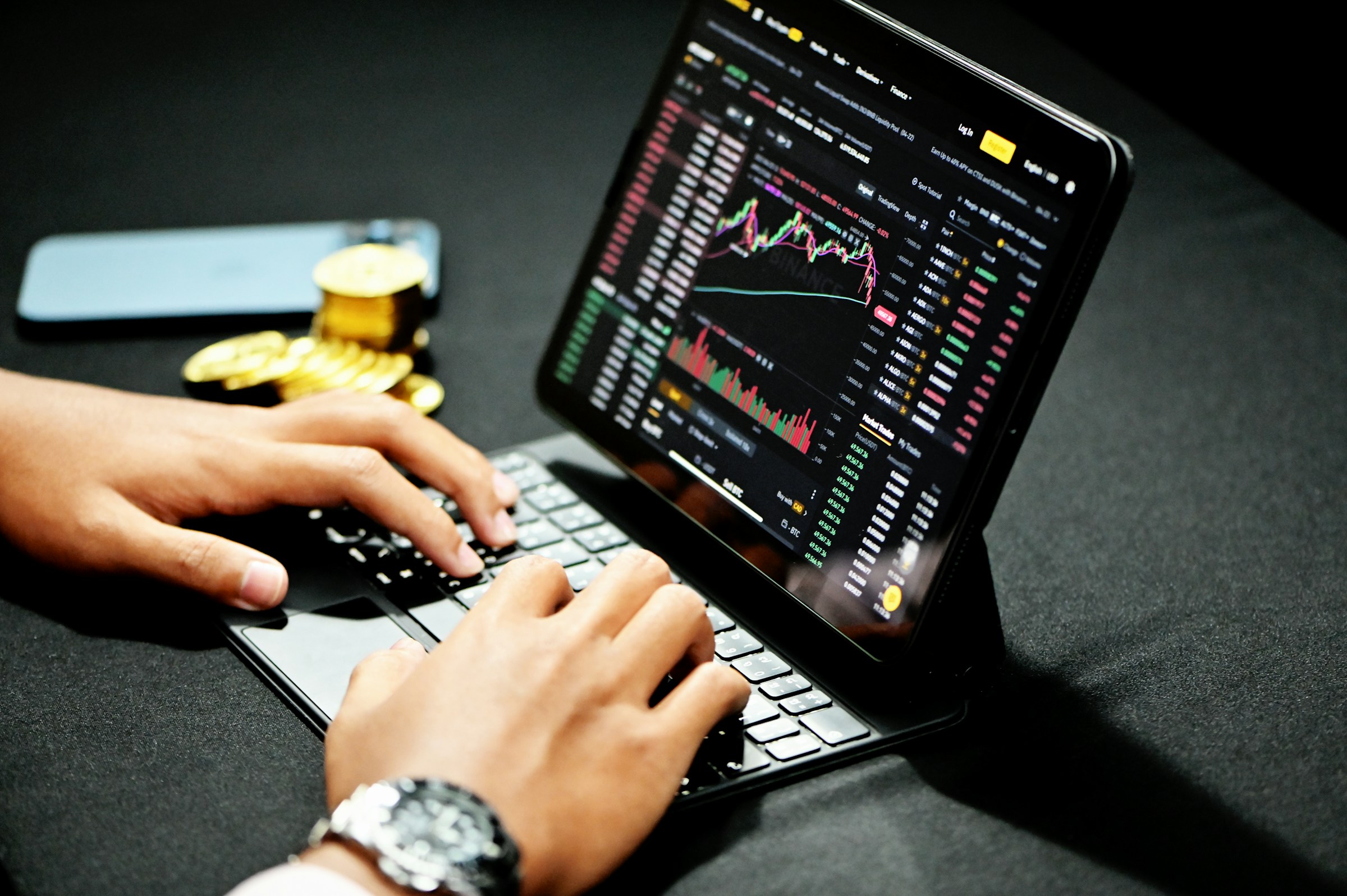
Picture yourself watching market opportunities slip away because you're limited to buying stocks outright, while seasoned traders multiply their capital through leverage and profit from both rising and falling markets. Futures trading opens doors that traditional investing keeps locked: the ability to control substantial positions with a fraction of the capital, hedge against portfolio losses, and access diverse markets from commodities to currencies. This article shows the Best Futures Trading Platform for Beginners and reveals how futures contracts offer unique advantages that can transform your trading approach, equipping you to unlock the full potential of futures trading for leveraged profits and risk mastery.
The challenge, though, isn't just understanding these benefits. It's finding a way to practice and refine your skills without risking your own capital while you learn. AquaFutures addresses this exact problem by offering funded accounts for futures trading, letting you trade with their capital once you demonstrate your ability. This means you can pursue those leveraged opportunities and master risk management techniques without the fear of depleting your savings, turning the theoretical benefits of futures into real, achievable results as you develop your trading expertise.
Summary
- Futures trading delivers structural advantages that compound over time, with leverage ratios of 5-12 percent of contract value, letting you control $100,000 of crude oil with just $8,000 in margin. This capital efficiency frees resources for diversification or reserves while maintaining full exposure to price movements.
- Section 1256 tax treatment splits futures gains and losses 60/40 between long-term and short-term capital gains and losses, regardless of holding period, often resulting in lower effective taxes compared to frequent stock trading, taxed entirely at ordinary income levels.
- Research shows that 90% of day traders lose money, a reality that reflects rushed decisions, missing risk controls, and the emotional weight of watching capital evaporate in real time. Most traders quit before they gain competence because personal capital runs out during the learning phase.
- Futures markets operate nearly 24 hours across six days, covering Asian, European, and American sessions with minimal gaps that let you respond to economic data releases in real time. This schedule rewards traders who stay alert to global catalysts rather than just domestic headlines.
- Major futures contracts trade billions in notional value daily, with the E-mini S&P 500 regularly seeing over two million contracts change hands each session. This liquidity ensures you can enter or exit at prices within pennies of the quoted spread, even during volatile sessions when other markets widen spreads or halt trading entirely, preserving an edge as you repeatedly capture small moves.
- Mark-to-market accounting settles every position at the close, debiting losers and crediting winners before the next session opens, which prevents unpaid obligations from accumulating but also means a string of adverse closes drains your account in real time.
Funded accounts for futures trading address the capital barrier by providing simulated accounts up to $450,000, letting you prove consistency with their risk while earning real rewards on a 100% split for your first $15,000 in profits once you hit a 6% target.
What is Futures Trading, and How Does It Work?

Futures trading lets you lock in a price today for an asset you'll buy or sell later, creating a binding agreement enforced by regulated exchanges. Instead of owning the asset immediately, you control its future value through a standardized contract that specifies quantity, quality, delivery date, and settlement terms. Most traders never take delivery; they close positions early by offsetting their original trade, pocketing gains or absorbing losses based on price movements since they entered.
The Anatomy of a Futures Contract
Every futures contract eliminates guesswork about what you're trading. According to Charles Schwab, a single corn futures contract represents 5,000 bushels with exact grade specifications, delivery location, and expiration month. Exchanges publish these details upfront, so when you buy crude oil futures, you know precisely how many barrels, what quality benchmark, and which delivery hub applies. This standardization turns complex commodities into liquid instruments anyone with a brokerage account can trade, whether you're a grain elevator operator hedging inventory or a speculator betting on energy prices.
The clearinghouse sits between every buyer and seller, guaranteeing performance even if one party defaults. You never worry about whether the other side will honor the deal because the exchange assumes that risk, collecting margin from both parties and settling accounts daily. This structure transforms private agreements into public markets where price discovery happens transparently, and exit strategies remain open until the final trading session.
How Margin Amplifies Every Move
Margin functions as a performance bond, not a down payment. You might control $100,000 worth of crude oil by posting just $5,000, giving you twenty-to-one leverage that magnifies both profits and losses. When prices shift in your favor, gains accumulate fast; when they move against you, losses can exceed your initial deposit before you react. Each trading day ends with mark-to-market settlement, in which the clearinghouse debits losing accounts and credits winners, forcing real-time accountability that prevents unpaid obligations from accumulating.
If your account equity drops below the maintenance margin threshold, your broker issues a margin call demanding additional funds within hours. Fail to meet it, and they liquidate your position at whatever price the market offers, locking in losses you might have weathered with more capital. This daily reset keeps the system solvent but demands constant vigilance, turning futures into a tool for those who can monitor positions closely and absorb rapid swings without panic.
Who Trades Futures and Why
Producers and consumers use futures to stabilize cash flows against volatile spot prices. An airline locks in jet fuel costs months in advance, protecting budgets from sudden spikes in crude oil prices. A wheat farmer sells futures at planting time, ensuring profitable harvest revenue even if a bumper crop crashes prices by autumn. These hedgers trade to reduce uncertainty, not chase returns, and they often hold contracts for delivery because they need the physical asset.
Speculators provide the liquidity hedgers require, entering purely to profit from anticipated price changes without any intent to handle barrels, bushels, or bars of metal. Hedge funds, proprietary trading desks, and individual traders take opposing positions, absorbing risk in exchange for potential reward. Their activity tightens bid-ask spreads and deepens order books, making it easier for commercial users to execute large trades without moving prices sharply.
Scaling Profits With Funded Leverage and Capped Personal Risk
Traditional futures trading demands significant personal capital to meet margin requirements and absorb inevitable drawdowns while you refine strategies. Funded accounts for futures trading remove that barrier by providing simulated capital up to $450,000, letting you prove your skill with their risk instead of depleting savings during the learning curve.
Once you hit a 6% profit target, you earn real rewards with a 100% split on the first $15,000, turning theoretical leverage into tangible income without the fear of catastrophic personal loss that stops most beginners before they gain competence.
Settlement: Cash or Physical Delivery
Most contracts settle financially, transferring only the net gain or loss based on the final price difference. Stock index futures, for instance, can't deliver a basket of five hundred companies, so they pay cash equal to the point movement multiplied by the contract multiplier. Currency futures work similarly, crediting or debiting accounts without anyone exchanging banknotes. This approach suits speculators and many hedgers who simply want price exposure, not warehouses full of goods.
Physical delivery still matters for commodities such as crude oil, natural gas, and agricultural products, where producers and processors need the physical asset. Contracts specify exact grades, delivery locations, and inspection procedures, ensuring both parties know what changes hands. Even here, over ninety percent of contracts close before expiration through offsetting trades, because holding to delivery involves logistics most traders prefer to avoid.
What Assets Can Be Traded Using Futures?
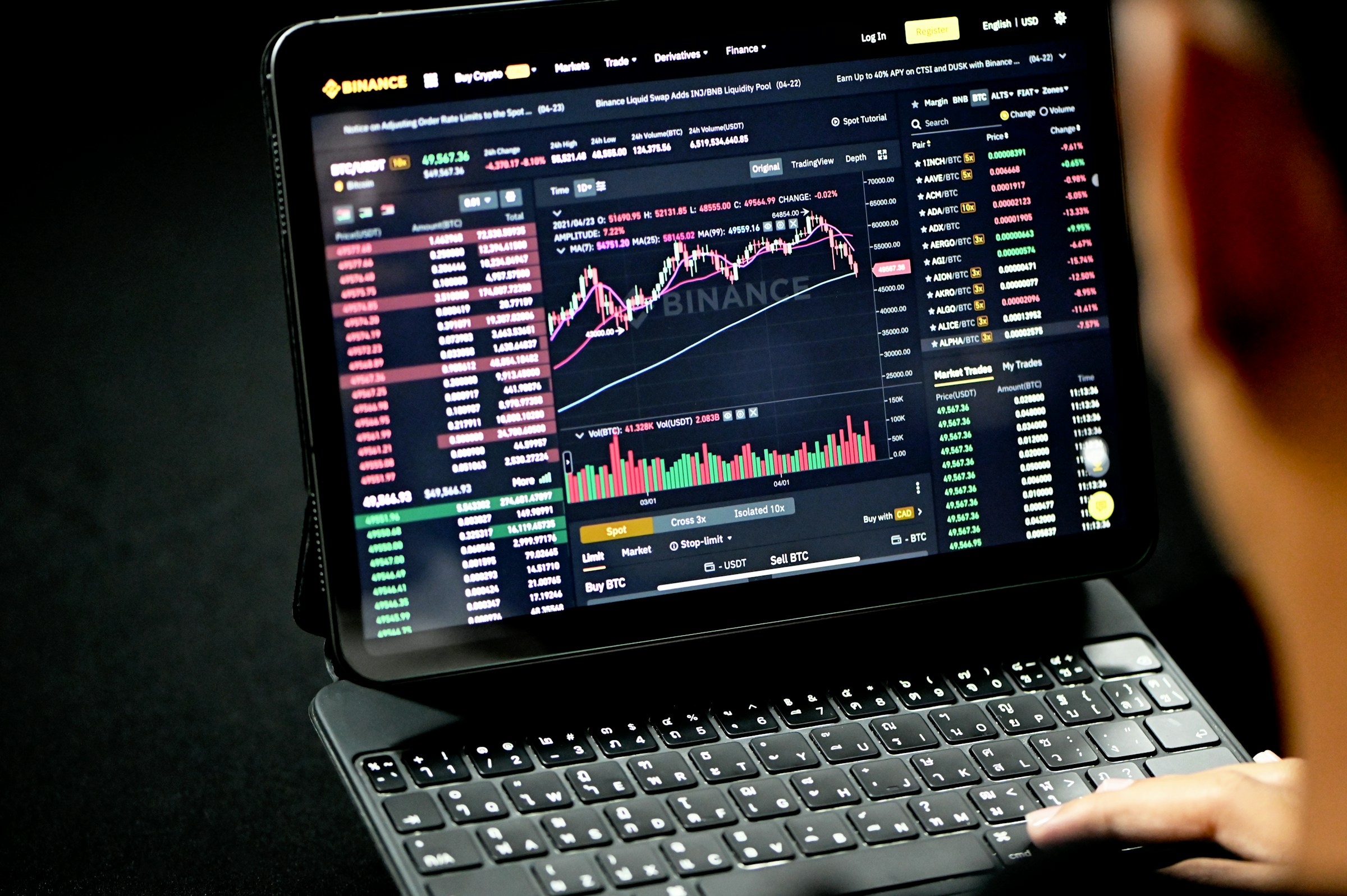
Futures contracts now cover far more than the grain and livestock that built these markets. You can trade everything from crude oil and gold to Bitcoin, stock indices, and Treasury bonds, each contract standardized by the exchange to ensure everyone knows exactly what they're buying or selling. This breadth lets you hedge specific risks, speculate on price moves, or diversify portfolios without tying up the capital required to own the underlying assets outright.
Agricultural Commodities
- Corn
- Soybeans
- Wheat
- Live cattle
- Dairy futures
Anchor the agricultural sector, letting farmers lock in revenue months before harvest while food manufacturers secure input costs against weather shocks or export disruptions. Contracts specify grade, delivery location, and quantity, removing ambiguity from transactions that once required face-to-face negotiation. Speculators study crop reports and seasonal patterns to profit from volatility, providing the liquidity that commercial hedgers need to execute large orders without slippage.
Democratizing Market Access and Global Price Discovery
Electronic trading on CME Globex extends access beyond pit hours, so a rancher in Texas and a processor in Chicago can both react to USDA inventory data the moment it drops. This transparency turns opaque regional markets into global price discovery engines, making agricultural futures a practical tool for anyone exposed to food supply chains.
Energy Products
- WTI crude oil
- Brent crude
- Natural gas
- Gasoline
- Heating oil futures
Attract producers hedging output and consumers locking in costs against geopolitical flare-ups or inventory swings. A refinery might buy crude futures to guarantee input prices, while an airline offsets jet fuel exposure through related contracts. The sector's high volatility and constant news flow draw speculators who can enter or exit positions quickly, thanks to billions in daily notional volume that keeps spreads tight and order books deep.
Navigating High-Stakes Volatility Through Leverage and Market Speed
Leverage amplifies both opportunity and risk here. Crude oil futures carry a $ 10-per-barrel tick, meaning a single-point move translates to real money quickly. That speed appeals to traders who monitor markets closely, but it punishes anyone unprepared for sudden reversals driven by OPEC announcements or hurricane forecasts.
Metals
- Gold
- Silver
- Copper
- Platinum futures
Enable miners to lock in selling prices and manufacturers to secure raw materials, without the storage costs of physical inventory. A jewelry maker buys gold futures to guarantee supply at a known price, freeing cash for operations rather than keeping bullion in vaults. Precious metals often rise during uncertainty, while industrial metals like copper signal economic health, giving traders clear macro correlations to exploit.
Enhancing Market Efficiency Through Strategic Flexibility and Liquidity
Standardized contract sizes and settlement flexibility make these markets efficient for both day traders chasing momentum and long-term investors hedging inflation. Tight spreads support rapid execution, and the ability to choose cash or physical delivery adds strategic options for commercial users who eventually need the metal in hand.
Equity Indices
- S&P 500
- Nasdaq-100
- Russell 2000
- Dow Jones futures
Let portfolio managers hedge broad market exposure without liquidating individual stocks, while speculators bet on the overall direction with a single contract. Micro versions reduce capital requirements, making these instruments accessible even to smaller accounts that once couldn't afford standard contracts. Cash settlement eliminates delivery logistics, delivering pure exposure to equity moves without the hassle of owning hundreds of shares.
Capturing Global Market Moves with Continuous Liquidity
Nearly 24-hour trading means you can adjust positions as Asian markets open or European data releases hit, capturing moves that cash equity markets miss overnight. Institutions and retail traders alike rely on this flexibility, generating massive daily volume that ensures liquidity whenever you need to enter or exit.
Currencies (FX)
- Euro
- British pound
- Japanese yen
- Emerging-market currency future
Let importers and exporters hedge exchange-rate risk to protect profit margins on international deals. An electronics manufacturer buying components from Japan might lock in yen costs months ahead, removing the uncertainty that can erase margins if the dollar weakens. Investors also take directional views based on interest-rate differentials or geopolitical shifts, using regulated contracts that eliminate counterparty default worries through centralized clearing.
Strengthening Currency Execution Through Transparent Exchange Oversight
Liquidity concentrates in G10 and selects emerging pairs, providing an efficient alternative to spot forex for those wanting standardized contract sizes and the convenience of futures-style margin. Transparent pricing and exchange oversight add a layer of trust that over-the-counter markets sometimes lack.
Interest Rates
- U.S. Treasury
- Eurodollar
- Federal funds futures
Allow precise bets or hedges on yield-curve shifts and monetary policy changes. Banks lock in borrowing costs, bond funds protect fixed-income portfolios, and mortgage lenders manage rate exposure when the Fed signals tightening or easing. The enormous notional value traded here often exceeds that of other asset classes, underscoring how critical interest-rate risk is to financial institutions.
Cash settlement and high liquidity mean positions stay easy to manage even during volatile rate environments driven by inflation data or central bank surprises. Traders appreciate the ability to express nuanced views across short-, medium-, and long-term maturities, tailoring exposure to specific parts of the curve.
Cryptocurrencies
- Bitcoin
- Ether
- Solana
- XRP
- Even ratio contracts
Which trade the relative value between two coins, now trades on regulated futures exchanges. Institutions and retail traders gain exposure without holding volatile digital assets directly, sidestepping custody issues while still benefiting from price discovery. Over 29 billion futures and options contracts were traded globally in 2023, with crypto futures contributing to that surge as adoption accelerated.
Regulated exchanges provide transparency, leverage, and margin offsets that spot crypto markets often lack. Nearly round-the-clock access and robust clearing make these contracts a gateway for traditional investors seeking crypto beta with the familiar mechanics of futures trading, complete with the risk controls they expect from established markets.
Capturing Digital Asset Volatility Through Regulated Leverage
Many traders want to actively manage volatile assets like Bitcoin through futures rather than just holding them, using technical patterns to buy at support and sell at resistance. Regulated futures exchanges deliver that opportunity with leverage and margin offsets that spot markets can't match, letting you capture volatility profits without the custody headaches or counterparty risks that come with direct ownership.
Related Reading
- Best Futures Trading Platform for Beginners
- Is Trading A Good Career
- Why Trade Futures Instead Of Options
- Is Futures Trading Gambling
- How To Start Futures Trading
- What Is Leverage in Futures Trading
- What Is Crypto Futures Trading
- How To Become A Professional Trader
Is Trading Futures Profitable?

Many traders assume futures trading is an exciting shortcut to solid gains, drawn by the thrill of big market swings and the power of leverage. Yet a closer look at real trader outcomes reveals a more grounded story. While profits are possible, most everyday participants see small losses add up over time. A 2024 CFTC study of over 36,000 retail futures traders found the typical account holder experienced median losses of roughly $100 to $200 per trading event, with the overall picture tilted toward larger losses for some.
The encouraging part is that the same data shows a clear path forward. Traders who treat futures as a skill to build, rather than a gamble, can steadily improve their results and tap into real earning potential. With the right mindset and tools, that challenging start can turn into consistent progress that keeps you motivated to keep learning.
Why Most Traders Start in the Red
Leverage magnifies every mistake. A two-percent adverse move in crude oil can wipe out twenty percent of your margin if you sized the position for maximum exposure instead of maximum survival. New traders chase momentum without stops, hold losing trades hoping for reversals, and overtrade to recover losses, compounding damage with each impulsive click. The daily mark-to-market settlement forces accountability that spot markets delay, so bad habits surface fast, and margin calls arrive before you develop the pattern recognition that separates noise from signal.
Emotional discipline breaks down under pressure. When real money moves in seconds, fear and greed override logic, turning sound plans into reactive gambles. Traders skip journaling, ignore their own rules during volatile sessions, and convince themselves this time will be different, repeating the cycle until their account can't absorb another drawdown.
The Path to Consistent Gains
Profitable traders treat futures as a skill to master over the years, not a lottery ticket. They backtest setups across market conditions, paper trade until execution becomes automatic, and risk only one to two percent of capital per position, so no single loss derails progress.
Five profitable futures trading strategies include trend following, breakout trading, and mean reversion, each requiring clear entry rules, defined exits, and patience to wait for high-probability setups rather than forcing trades during choppy conditions.
Systematizing Risk Control Through Volatility and Technical Precision
Position sizing based on volatility rather than gut feel keeps risk constant across different contracts, whether you're trading the S&P 500 or natural gas. Stop losses placed at technical levels, rather than arbitrary dollar amounts, protect against catastrophic runs while giving trades room to breathe. Winners scale into strength, adding contracts only after the market confirms direction, while losers cut fast before hope turns a manageable hit into a portfolio-ending disaster.
Why Funded Accounts Change the Equation
Most traders quit before they gain competence because their personal capital runs out during the learning phase. Traditional futures trading demands you absorb every tuition fee the market charges, draining savings while you figure out what works.
Funded accounts for futures trading flip that model by providing simulated capital of up to $450,000, letting you refine strategies with their risk, not yours. Once you hit a 6% profit target, you earn real rewards with a 100% split on the first $15,000, turning practice into income without the fear of catastrophic personal loss that stops most beginners in their tracks.
Building Professional Discipline Through Risk-Free Skill Validation
The structure forces discipline because the rules mirror what profitable traders already do: manage risk, avoid overleveraging, and prove consistency before scaling up. You develop the habits that matter without the emotional weight of watching your rent money vanish, and when you succeed, the rewards arrive in 24 hours instead of sitting in limbo while you wonder if the platform will honor the deal.
But profitability alone doesn't capture why traders keep coming back to futures, even after tough stretches.
10 Benefits of Trading Futures Every Trader Should Know

Futures trading delivers ten structural advantages that compound over time, turning market access into a strategic edge. These benefits stem from exchange design, regulatory frameworks, and clearing mechanisms that treat every participant equally, whether you're managing a hedge fund or proving your skill with a funded account. Understanding how each advantage works in practice separates traders who capitalize on opportunities from those who stumble through markets, wondering why results never match effort.
1. Superior Leverage and Capital Efficiency
Futures let traders command large contract values by posting only a modest margin deposit, often just 5 to 12 percent of the full notional amount, depending on the asset and market conditions. This setup multiplies market exposure without requiring the full upfront capital needed for equivalent stock or ETF positions, freeing up funds for other opportunities.
The result is heightened potential returns on smaller investments, as even modest price shifts in the underlying can produce outsized gains relative to the margin committed. Traders must still monitor positions closely, since leverage intensifies both profits and losses, underscoring the need for disciplined stop-loss strategies and margin awareness.
2. Exceptional Market Liquidity
Futures markets boast deep liquidity across major contracts, with high daily trading volumes that help keep bid-ask spreads tight and minimize slippage even during volatile periods. This allows quick entry and exit at predictable prices without moving the market against you, a clear advantage over less liquid assets.
Participants benefit from reliable execution at any time, reducing the frustration of partial fills or wide spreads common in thinner markets. The centralized order books further support this efficiency, giving every trader, from retail to institutional, the same transparent pricing regardless of account size.
3. Extended Trading Hours
Unlike traditional stock exchanges, which are limited to a few hours each day, futures markets operate around the clock, often six days a week for up to 23 hours a day. This schedule aligns with global economic events unfolding in Asia, Europe, and beyond, letting traders respond in real time to news that impacts prices overnight.
The flexibility suits diverse lifestyles and strategies, whether day trading during U.S. sessions or scalping international developments outside regular hours. It eliminates the pressure of missing opportunities simply because markets are closed, broadening access for anyone balancing trading with other commitments.
4. Effortless Short Selling
Going short in futures is as straightforward as buying long: simply sell the contract first and buy it back later to close. There are no borrowing fees, uptick rules, or share availability hurdles that complicate shorting individual stocks.
This symmetry opens profit potential in both rising and falling markets with identical margin treatment for long or short positions. Traders gain a level playing field to express bearish views quickly and cleanly, enhancing overall strategy options without the restrictions that can hinder equity traders.
5. Powerful Hedging Capabilities
Futures serve as precise tools to offset risk in other holdings, such as locking in commodity prices for producers or protecting stock portfolios against broad market drops. By taking offsetting positions, traders or businesses stabilize costs and revenues regardless of unfavorable price swings.
The approach promotes stability in uncertain environments, allowing participants to maintain core investments while neutralizing exposure to volatility. Commercial users such as airlines and farmers have long relied on this for budget certainty, and individual traders can apply the same principles to safeguard diversified accounts.
6. Favorable Tax Treatment
Futures contracts in the United States qualify as Section 1256 contracts under IRS rules, allowing a blended 60/40 tax split on gains and losses. This means 60 percent of profits receive long-term capital gains treatment regardless of holding period, while the remaining 40 percent fall under short-term rates, often resulting in a lower effective tax burden than frequent stock trading taxed at ordinary income levels.
This structure simplifies year-end reporting through mark-to-market accounting and avoids wash-sale restrictions that apply to stocks. Traders should consult a qualified tax professional, as individual circumstances and potential changes in the law can affect outcomes, but the advantage supports more efficient after-tax returns for active participants.
7. Lower Transaction Costs
Futures typically feature competitive commissions and very tight bid-ask spreads due to high volume and centralized exchange trading, keeping overall execution expenses minimal even for frequent round-turn trades. Unlike shorting stocks, there are no borrowing fees or additional charges that can accumulate quickly.
The cost efficiency becomes especially noticeable over time for day traders or scalpers who execute many positions. With no management fees like those in some ETFs, this preserves more of the trading account's potential profits.
8. Broad Portfolio Diversification
Futures open exposure to diverse asset classes, such as commodities, interest rates, currencies, and global equity indexes, which often show low correlation with traditional stock portfolios. This variety helps spread risk across economic sectors and geographies not easily accessible through equities alone.
Including futures can improve overall portfolio stability during periods when stocks face headwinds, as certain contracts may move independently or in opposite directions. Micro contracts further lower the entry barrier, letting traders test different markets with controlled position sizes.
9. Price Transparency and Standardization
Every futures contract follows uniform specifications for size, expiration, and settlement terms set by regulated exchanges, ensuring all participants see the same clear, real-time pricing without hidden markups. This centralized marketplace eliminates counterparty concerns through daily mark-to-market and clearinghouse guarantees.
The resulting transparency builds confidence in the discovery of fair value and reduces surprises from off-exchange dealings. Traders benefit from consistent rules and reliable data, making strategy development and backtesting more dependable across sessions.
10. No Pattern Day Trader Restrictions
Futures accounts face no minimum equity threshold or limits on the number of day trades, unlike stock accounts subject to the $25,000 pattern day trader rule enforced by FINRA. This freedom allows flexible, high-frequency strategies regardless of account size, provided margin requirements are met.
The absence of such rules supports active traders who capitalize on intraday opportunities across global sessions. It levels the playing field for smaller accounts while encouraging disciplined risk management to handle the leverage involved.
Related Reading
- Futures Trading For Beginners
- Can You Day Trade Futures Without 25k
- Forex Vs Futures
- Stocks Vs Options Vs Futures
- Gold Futures Trading Strategy
- How Does Futures Trading Work
- Trading Gold Futures
- Day Trading Futures Strategies
- Futures Trading Basics
- Best Indicators For Futures Trading
- Futures Trading Guide
How to Start Futures Trading

- You open an account
- Fund it with enough margin to meet exchange minimums
- Place your first trade through a platform that connects you to regulated futures exchanges
The mechanics take less than a week if you already understand contract specifications, margin calculations, and the risk controls that prevent a single bad position from wiping out your capital. The real preparation happens before you ever click buy or sell, when you study how leverage amplifies mistakes and build the discipline to survive long enough for pattern recognition to start paying off.
Choose Your Learning Path
Education determines whether you last three months or three years. Start with exchange-provided courses from CME Group or Intercontinental Exchange that explain contract mechanics, settlement procedures, and margin requirements, all at no cost. These resources cover tick values, expiration cycles, and how daily mark-to-market accounting forces real-time consequences that delayed settlement hides in other markets.
Dedicate thirty to sixty days absorbing this material before risking capital, because understanding why crude oil futures settle differently than stock index contracts prevents expensive surprises when positions move against you.
Prioritizing Quantitative Mental Models Over Generic Inspiration
Books and webinars fill gaps that free courses skip, particularly around psychology and risk management, which separate consistent traders from those who blow up accounts chasing losses. Focus on authors who share actual trade logs with win rates, drawdowns, and position-sizing formulas instead of generic motivational advice.
The goal is to build mental models that help you interpret price action under pressure, not to collect inspirational quotes that evaporate the moment your stop gets hit.
Select a Broker Built for Beginners
Platform reliability matters more than flashy features when you're learning execution mechanics. Look for firms offering micro contracts that let you control $5,000 of exposure instead of $50,000, reducing the cost of mistakes while you develop timing. Futures contracts typically require 3 to 10 percent of the contract value as initial margin, but micro versions cut that further, making practice affordable without switching to pure simulation that lacks emotional weight.
Compare commission structures, data fees, and customer support responsiveness before committing. Some brokers charge per contract, while others bundle data access; those differences compound across hundreds of trades. Test the platform's order entry speed and charting tools during a trial period, because clunky interfaces cost you fills when volatility spikes and every second delays your stop placement.
Fund Your Account Strategically
Most traders overfund initially, thinking more capital provides safety, then discover that larger balances tempt bigger positions that violate their own risk rules. You can start with as little as $500 to $1,000 when trading micro contracts, keeping financial pressure low while you prove your strategy works. Deposit only what you can lose without affecting rent, savings, or emergency reserves, because the learning curve costs money before it generates returns.
Traditional futures trading demands you absorb every tuition payment the market charges, draining personal capital during the months it takes to develop consistency. Funded accounts for futures trading change that equation by providing simulated capital of up to $450,000, letting you refine execution with their risk rather than yours. Once you hit a 6% profit target, you earn real rewards with a 100% split on the first $15,000, turning practice into income without the emotional weight of watching your savings vanish while you figure out what works.
Build a Repeatable Trading Plan
Your written plan defines which contracts you'll trade, what technical or fundamental signals trigger entries, where stops go, and how much capital each position risks. Specificity removes emotion when markets move fast, because you already decided crude oil trades get stopped at the prior swing low, and S&P positions never exceed two percent of account equity. This structure turns reactive gambling into a process you can measure, adjust, and improve over dozens of trades.
Test the plan against historical data to see how it performs across trending, ranging, and volatile conditions before risking live capital. Backtesting reveals whether your edge exists or if you're chasing patterns that worked once but lack statistical support. Refine entry timing, stop placement, and profit targets until results show positive expectancy, then commit to following those rules even when gut instinct screams otherwise.
Related Reading
- Futures Trading Tips
- Spot Trading Vs Futures Trading
- Best Coin For Futures Trading
- Futures Trading Risk Management
- Futures vs. CFD
- Futures Trading Patterns
- Best App For Futures Trading
- Best Crypto Futures Trading Platform
- Best Futures Trading Software
Challenges of Futures Trading and How to Address Them

Futures trading exposes you to forces that don't exist in equity markets:
- Daily settlements that crystallize losses before you can recover
- Leverage that turns small mistakes into account-ending disasters
- 24-hour price action that punishes anyone who looks away
These aren't theoretical risks mentioned in disclaimers.
They surface within days of your first live trade, testing whether you prepared for reality or just memorized concepts. Addressing them requires specific behavioral changes and mechanical safeguards you implement before pressure arrives, not reactive fixes you scramble to apply after margin calls start.
When Leverage Becomes a Liability
Controlling $100,000 of crude oil with $8,000 in margin feels efficient until a surprise inventory report moves prices three percent against you in ninety seconds. That $3,000 loss just consumed 37 percent of your posted collateral, triggering a maintenance margin alert while you're still processing what happened.
The clearinghouse doesn't care about your thesis or whether the move makes sense. It demands more funds immediately or liquidates your position at whatever bid exists in a falling market, locking in damage that might have been reversed by the next session.
Preserving Longevity Through Volatility-Adjusted Risk Math
Position sizing solves this, but most traders resist the discipline it requires. Risk one percent of total account equity per trade, not one percent of margin posted. If you're trading a $10,000 account, a single crude oil contract risking $500 from entry to stop represents your maximum exposure, regardless of how confident the setup looks.
Volatility-adjusted calculations using average true range refine this further, widening stops during wild sessions and tightening them when ranges compress. The math feels restrictive when you're eager to capitalize on conviction, yet it's the only reason you'll still have capital six months from now when pattern recognition finally clicks.
Margin Calls and Forced Liquidations
Mark-to-market accounting settles every position at the close, debiting losers and crediting winners before the next session opens. This daily reset prevents unpaid obligations from accumulating, but it also means a string of adverse closes drains your account in real time rather than at some distant expiration.
When equity falls below maintenance thresholds, brokers issue margin calls with a two-hour window to deposit funds or face automatic liquidation. The pressure compounds during volatile stretches when multiple positions move against you simultaneously, forcing choices between adding capital you didn't plan to risk or accepting forced exits at the worst possible prices.
Fortifying Capital Resilience With Conservative Margin Buffers
Conservative margin buffers create breathing room. Hold 50 to 100 percent more equity than exchange minimums, treating the excess as insurance against temporary drawdowns that resolve before becoming permanent losses.
Set automated alerts when accounts approach 120% of maintenance levels, giving you time to adjust positions voluntarily rather than reactively. Scaling down size during uncertain periods keeps the buffer intact, turning potential crises into manageable adjustments that preserve your ability to trade tomorrow.
Emotional Pressure That Erodes Discipline
The fast pace and constant accessibility of futures markets create conditions where impulsive decisions feel justified in the moment but destroy accounts over time. After a losing trade, the urge to immediately enter another position and "win it back" overrides the written plan that took weeks to develop.
Following a winner, overconfidence whispers that you've figured it out, prompting oversized bets that violate every risk rule you set. These emotional cycles repeat until a prolonged drawdown forces you to stop, often after the damage exceeds what you can recover without starting over.
Hardwiring Discipline Through Mechanical Execution and Accountability
A written trading plan with predefined entry signals, stop placement formulas, and profit targets removes decisions from the heat of the moment. Review it each morning before markets open, then execute mechanically when conditions match your criteria. Journal every trade immediately after exit, noting whether you followed the plan and what emotions surfaced during the position.
Patterns emerge quickly when you're honest:
- Revenge trading after stops get hit
- Hesitation on valid setups following a string of losses
- Rule violations during volatile sessions when adrenaline spikes
Scheduled breaks between trades and accountability through weekly reviews with a mentor or trading group maintain objectivity when your own discipline wavers.
Accelerating Professional Growth Through Risk-Free Capital Access
Most traders burn through personal capital learning these lessons, quitting before consistency develops because savings can't absorb the tuition markets charge. Funded accounts for futures trading change that equation by providing simulated capital of up to $450,000, letting you refine your discipline with their risk rather than yours.
Once you hit a 6% profit target, you earn real rewards with a 100% split on the first $15,000, turning practice into income without the emotional weight of watching rent money vanish. Payouts arrive in 24 hours with 24/7 support when questions arise, creating conditions where you can focus on execution instead of financial survival.
Unlock up to 50% off Your First Funded Account for Futures Trading
The capital barrier disappears when you trade simulated accounts funded by someone else. AquaFutures removes the traditional requirement to risk your own savings by providing accounts up to $450,000, letting you prove consistency with their risk while earning real rewards on a 100% split for your first $15,000 in profits. Once you hit a straightforward 6% profit target with no time limits, payouts arrive within 24 hours, turning skill into income without the emotional weight of watching personal capital vanish during the learning curve.
Lowering Barriers to Entry With Promotional Incentives and Scale
Right now, you can unlock up to 50% off your first funded account, with surprise BOGO deals and weekly bonuses that make getting started easier than waiting until you've saved enough to trade traditional accounts. Monthly fees start as low as $26, transparent rules eliminate guesswork about position limits, and 24/7 support answers questions when they arise instead of leaving you stuck during volatile sessions.
Free live trading shows and academy resources sharpen execution skills, while a community of 190,000+ traders worldwide proves the model works for those willing to follow disciplined processes. Visit AquaFutures today, explore the account options that match your style, and get funded so you can finally experience the leverage, liquidity, and extended trading hours that make futures profitable instead of just reading about them.
