



Futures Trading for Beginners: How to Start in 2026
Futures trading for beginners in 2026: understand contracts, margin, and risk rules before you place your first trade. Start here.

Imagine standing at the edge of the futures market, watching others profit from commodities, indices, and currencies while you're stuck wondering where to even start. The difference between those traders and you isn't talent or luck; it's having the right foundation, understanding contract specifications, margin requirements, and most importantly, choosing the best futures trading platform for beginners that won't overwhelm you with unnecessary complexity. This guide walks you through everything from reading price charts to managing risk, giving you the practical knowledge needed to confidently execute your first profitable futures trade using proven strategies, kickstarting your path to financial independence.
Starting with real capital can feel risky when you're still learning about position sizing and stop-loss placement. AquaFutures offers funded accounts for futures trading, which means you can trade with their capital while you build your skills, keeping a substantial share of the profits without risking your own savings.
Table of Contents
- What is Futures Trading, and How Does It Work?
- Is Trading Futures Profitable?
- Is Futures Trading Suitable for Beginners?
- How to Get Started With Futures Trading as a Beginner
- How to Get the Most Out of Futures Trading as a Beginner
- Unlock up to 50% off Your First Funded Account for Futures Trading
Summary
- Futures trading profitability splits into two groups: the minority who treat it as a disciplined business, and everyone else who pays for their education through account erosion. Regulatory data shows the median retail trader loses between one hundred and two hundred dollars per batch of trades, while only 40 percent reach break-even or better.
- Leverage magnifies both opportunity and risk through margin requirements as low as 3 to 12 percent of full contract value. You can control $100,000 of crude oil with $8,000 in capital, but that same mechanism means a 2 percent adverse price move wipes out 20 percent of your margin.
- Micro futures contracts reduce the dollar impact of early mistakes without eliminating the emotional lessons that build resilience. A three-tick loss on a micro E-mini S&P 500 contract costs $3.75 instead of $37.50, giving beginners room to test ten different entry patterns before a single bad week depletes their account.
- Successful traders spend months or years mastering technical analysis and platform mechanics through paper trading before risking real capital. They develop written plans that specify entry triggers, exit criteria, and maximum drawdown thresholds, treating futures as a business that requires ongoing education and psychological training.
- U.S. futures gains qualify for Section 1256 treatment, splitting tax liability into 60 percent long-term and 40 percent short-term rates regardless of holding period. This blended rate often results in a lower effective tax burden than ordinary stock or options trading, preserving more net profits and improving overall returns for active traders.
Funded accounts for futures trading address this by providing simulated capital while letting traders keep a substantial share of profits, removing the tension between learning safely and trading with enough size to make the learning curve financially viable.
What is Futures Trading, and How Does It Work?

Futures trading lets you agree today on a price for an asset you'll exchange later, whether you're locking in costs for raw materials or betting on where markets will move. These standardized contracts trade on regulated exchanges, giving you access to commodities, stock indexes, currencies, and interest rates without ever touching the physical goods. Most traders never hold positions to expiration. Instead, they close out by taking the opposite side of their original trade, capturing gains or absorbing losses based on how prices shifted since they entered.
What Makes a Futures Contract Standardized?
Every futures contract specifies exact terms, from quantity and quality to delivery month and location, leaving only price open to negotiation through continuous bidding. According to Charles Schwab, a single corn contract represents 5,000 bushels, while crude oil trades in 1,000-barrel increments. This uniformity creates deep liquidity because every buyer and seller knows precisely what they're agreeing to exchange. A central clearinghouse guarantees each trade, stepping in as the counterparty to both sides and eliminating direct credit risk between participants. That setup allows you to enter or exit positions instantly through your broker without negotiating custom terms or worrying whether the other party will honor the deal.
How Margin Amplifies Both Opportunity and Risk
You don't pay the full contract value upfront. Instead, you post margin, typically 3 to 12 percent of the notional amount, which acts as a performance bond rather than a purchase payment. This leverage means controlling $50,000 worth of crude oil might require just $4,000 in margin, magnifying your exposure to price swings in both directions.
Every trading day ends with mark-to-market settlement, where gains are credited to your account, and losses are debited immediately through variation margin transfers. If your equity falls below the maintenance threshold, you'll receive a margin call requiring additional funds. That daily reset prevents unpaid obligations from accumulating, but it also means small adverse moves can drain your capital fast if you misjudge position sizing.
Around-the-Clock Price Discovery
Futures markets operate nearly continuously across global time zones, and many contracts trade 23 hours per day. This extended access lets you respond to economic releases, geopolitical events, or earnings announcements the moment they break, rather than waiting for stock market hours. Electronic platforms match bids and offers in real time, surfacing transparent pricing that reflects collective expectations about supply, demand, and future conditions. When news hits overnight, futures prices adjust instantly, often signaling where stock indexes will open the next morning and giving you a head start on positioning before slower markets catch up.
Who Trades Futures and Why
Hedgers use futures to lock in prices and stabilize cash flows, whether they're farmers protecting crop revenue or airlines capping fuel costs months ahead. Speculators enter purely to profit from anticipated price changes, providing the liquidity that lets hedgers execute large orders without moving markets sharply. Both groups benefit from the ability to go long or short with equal ease, opening profit opportunities whether you expect prices to rise or fall. The transparent, regulated environment and clearinghouse guarantees foster confidence, while leverage lets you control substantial exposures without tying up all your capital in a single position.
Eliminating Capital Barriers Through Performance-Based Funding
Capital constraints often prevent skilled traders from proving their strategies work at scale. Funded accounts for futures trading let you trade with someone else's capital while keeping 100% of your first $15,000 in profits, removing the barrier between your ability and the resources needed to execute consistently. With 6% profit targets, 24-hour payouts, and no activation fees, you can focus on mastering entries, exits, and risk management without gambling your savings on the learning curve. But knowing how futures work doesn't answer the question that keeps most beginners up at night.
Is Trading Futures Profitable?

Profitability separates into two groups: the minority who treat futures as a disciplined business, and everyone else who pays for their education through account erosion. Regulatory data shows the median retail trader loses between one hundred and two hundred dollars per batch of trades, while only 40 percent reach break-even or better.
Success depends on:
- Skill
- Strict risk management
- Psychological resilience, not optimism or occasional winning streaks.
The Leverage Paradox
Futures contracts require margin deposits as low as 3 to 12 percent of the full notional value, letting you control $100,000 of crude oil with $8,000 in capital. When your forecast proves correct, returns multiply far beyond what unleveraged stock positions deliver in the same timeframe. That same mechanism cuts both ways. A 2 percent adverse price move can wipe out 20 percent of your margin, triggering forced liquidation or a margin call that demands fresh capital within hours. Small daily fluctuations that barely register in stock portfolios become account-threatening events when magnified tenfold by leverage.
Why Most Accounts Shrink
90% of day traders lose money, a pattern driven by emotional decisions rather than market randomness. Fear of missing out pushes traders into positions without tested setups, while revenge trading after losses compounds mistakes into cascading drawdowns. High volatility from economic releases, geopolitical shocks, and supply disruptions demands constant attention and rapid recalibration. Without strict rules capping each trade at 1 percent of total capital and pre-defined stop-losses, even brief unfavorable streaks erase months of gains and end careers before traders develop the pattern recognition that separates professionals from the crowd.
Building Toward Consistent Gains
Profitable traders spend months or years mastering technical analysis, fundamental drivers, and platform mechanics through paper trading and back-testing before risking real capital. They develop written plans that specify entry triggers, exit criteria, and maximum drawdown thresholds, treating futures as a business that requires ongoing education and psychological training. Continuous performance review and adaptation to shifting market regimes support long-term viability, while modest position sizes relative to account equity allow compounding gains over the years.
Scaling Strategic Performance via Institutional Capital Access
Most skilled traders never prove their strategies at scale because capital constraints force them to risk personal savings on the learning curve. Funded accounts for futures trading remove that barrier by providing up to $450,000 in simulated capital while letting you keep 100% of your first $15,000 in profits. With 6% profit targets, 24-hour payouts, and no activation fees, you can focus on refining entries, exits, and risk management within a community of 190,000+ traders who prioritize capital preservation over reckless speculation.
Tax Advantages That Amplify Returns
U.S. futures gains qualify for Section 1256 treatment, splitting tax liability into 60 percent long-term and 40 percent short-term rates regardless of holding period. This blended rate often results in a lower effective tax burden than ordinary stock or options trading, preserving more of your net profits and improving overall returns for active traders who generate consistent income. Proper record-keeping and consultation with a tax professional ensure compliance while maximizing this structural advantage, turning what seems like a minor detail into thousands of dollars retained annually. The numbers reveal a harsh truth, but they don't explain whether you personally belong in that profitable minority or the struggling majority.
Related Reading
- Best Futures Trading Platform for Beginners
- Is Trading A Good Career
- Why Trade Futures Instead Of Options
- Is Futures Trading Gambling
- How To Start Futures Trading
- What Is Leverage in Futures Trading
- What Is Crypto Futures Trading
- How To Become A Professional Trader
Is Futures Trading Suitable for Beginners?

Futures trading is often described as far too complex and risky for anyone just starting out, deterring many curious newcomers. Yet the picture looks different today, thanks to smaller contract options and structured learning paths that lower the barriers without removing the need for care. CME Group’s micro futures products, for instance, have made professional-level markets accessible with reduced capital needs. A 2024 CFTC study of thousands of retail futures traders found that while most incur modest net losses, typically $100 to $200 per trading event, many focus on micro contracts with low margins, showing that informed newcomers have a practical entry point to learn without catastrophic risk.
Beginners Who Commit to Building Market Knowledge First
Newcomers who take the time to study core concepts such as contract specifications, margin requirements, and how prices move in ticks stand a much better chance of successfully navigating futures. This foundation turns abstract ideas into practical tools, letting them understand why a single point shift can mean real gains or losses before risking any capital.
By focusing on reliable sources from regulated exchanges, these learners avoid common pitfalls that trip up the unprepared. The effort pays off as they develop the confidence to read market signals clearly and make decisions based on logic rather than emotion, setting the stage for steady progress rather than quick setbacks.
Those Ready to Face Leverage Risks With Open Eyes
Futures involve built-in leverage that can magnify both wins and losses, which is why beginners must grasp the difference between initial and maintenance margins and the real possibility of owing more than their starting deposit. This awareness fosters realistic expectations and prevents the overconfidence that can lead many first-timers astray.
When approached with clear rules for position sizing and stop-loss orders, leverage becomes a manageable feature instead of a hidden danger. These traders learn to treat each contract as a calculated business decision, protecting their account while still enjoying the efficiency that draws experienced participants to the market.
Individuals Who Start Small Using Micro Contracts and Simulations
Beginners benefit most when they choose micro-sized contracts that require far less capital than standard ones, allowing them to test strategies without exposing large sums. Paper trading platforms further let them practice in real-time conditions, building familiarity with order types and market flow before going live. This measured approach reduces emotional pressure and lets newcomers focus on learning from outcomes rather than worrying about survival. Over time, consistent small-scale practice builds the habits that separate short-lived attempts from those who gradually scale up with growing skill and confidence.
Traders Who Value Discipline and Extended Market Hours
Futures run nearly around the clock, offering flexibility that suits beginners willing to commit screen time and stick to a written plan even during volatile sessions. High liquidity means fast fills with tight spreads, but success depends on self-control to walk away when the rules say so. This environment rewards those who treat trading like a skill to refine daily rather than a shortcut to profits. By honoring daily risk limits and reviewing every session, these motivated starters turn the market’s pace into an advantage, sharpening their timing and decision-making over weeks and months.
Aspiring Participants Seeking Real Diversification Opportunities
Beginners drawn to futures for exposure beyond stocks often find the asset variety from equity indexes to commodities helps spread risk in ways traditional accounts cannot match. When added thoughtfully after education, these contracts can smooth portfolio swings during different economic cycles. The key lies in viewing futures as one piece of a broader strategy rather than an all-or-nothing bet. This perspective keeps the focus on long-term growth, encouraging newcomers to learn at their own pace while appreciating the transparency and equal access that regulated futures markets provide to every participant.
Cultivating the Discipline Required for Initial Market Entry
Futures trading demands respect for its challenges, yet it can suit beginners who match preparation with patience and discipline. Taking the first steps through education and small practice often reveals why so many find it a worthwhile pursuit once they understand the path. But knowing you're ready and actually taking that first trade are two entirely different psychological experiences.
How to Get Started With Futures Trading as a Beginner

Starting means opening a funded account, placing your first micro contract during liquid hours, and closing it the same day to learn how execution feels under real conditions. You'll need a broker approved by the CFTC, a written plan that caps risk at 1% per trade, and enough simulated practice to execute stop-losses without hesitation. The goal isn't to make a profit on day one. It's proving you can follow rules when money moves against you.
Futures trading lets beginners speculate on the future prices of assets such as stock indices, commodities, currencies, and energy products through standardized contracts traded on regulated exchanges. These agreements lock in a price and delivery date, offering high liquidity and leverage that can magnify gains or losses. While rewarding for those who prepare properly, the market demands discipline because of its volatility and the risk of rapid capital erosion. Starting the right way involves education, practice, and strict risk controls before committing real money.
Grasp the Fundamentals of Futures Contracts
Futures contracts are binding agreements to buy or sell a specific quantity of an underlying asset at a predetermined price on a set future date. Exchanges like the CME Group standardize every detail, including contract size, quality specifications, tick values, and expiration dates, making them transparent and liquid for participants worldwide.
Daily mark-to-market settlement credits or debits your account based on closing prices, allowing you to go long for rising prices or short for falling ones. Leverage through margin means you control large notional values with only a fraction of capital upfront, but this also exposes you to full market risk beyond your initial deposit.
Evaluate the Risks and Rewards Carefully
High leverage in futures can turn small price swings into large profits or, in extreme cases, devastating losses that exceed your account balance, especially during overnight gaps or sudden volatility. Beginners often underestimate how quickly margin calls or forced liquidations can occur if positions move against them. Rewards include nearly round-the-clock trading access and the ability to hedge or speculate across global markets without owning the physical asset. Success hinges on accepting that futures suit only those with a clear risk tolerance and a plan to handle emotional and financial pressures.
Select a Suitable Broker and Trading Platform
Choose a broker regulated by the CFTC and NFA that offers low commissions, competitive margins, and platforms designed for futures such as NinjaTrader or thinkorswim. Focus on firms providing robust tools, fast execution, and strong support tailored to new traders. Look for brokers that support micro contracts with reduced margin requirements and include educational resources plus mobile access. Top-rated options like NinjaTrader stand out to dedicated futures traders seeking reliability and low barriers to entry for beginners.
Build a Strong Educational Foundation
Invest time in free broker courses and exchange materials covering contract specifications, order types, technical analysis, and trading psychology before risking capital. Start narrow by mastering just one liquid market, such as micro E-mini S&P 500 futures, to keep learning manageable. Grasp key concepts like initial margin for opening positions and maintenance margin for holding them to avoid surprises. Reliable platforms supply video libraries and blogs that build practical skills without overwhelming novices.
Practice Extensively With Simulation Accounts
Open a free demo or paper-trading account to replicate real-market conditions, including margins, fees, and slippage, without financial exposure. Spend weeks executing trades, testing strategies, and tracking results to develop muscle memory. Monitor performance metrics such as win rate and average risk per trade in the simulator. Only move to live trading after proving consistent results and emotional stability under simulated pressure.
Develop and Follow a Clear Trading Plan
Write a detailed plan that defines your goals, preferred markets, entry and exit rules, position sizes, and daily routines based on analysis rather than impulses. Include specific risk parameters and review criteria to stay disciplined. Stick to the plan during live sessions and adjust it only after thorough post-trade reviews. This framework prevents emotional decisions and promotes repeatable execution in fast-moving futures environments.
Master Risk Management Techniques
Limit each trade’s risk to 1-2 percent of your total account by using stop-loss orders and sizing positions appropriately, especially with micro contracts that keep exposure small. Maintain extra cash beyond minimum margins to handle fluctuations. Apply bracket orders for automatic profit targets and stops while monitoring positions daily. Consistent risk rules protect capital and allow long-term survival even through losing streaks.
Execute Your First Live Trade and Keep Learning
Fund your account with just enough to place a single micro contract, place a small position during high-liquidity hours, and close it before expiration or roll it over to avoid delivery issues. Treat the trade as a controlled experiment rather than a make-or-break event. Journal every outcome, continue studying through webinars and broker resources, and refine your approach over time. Ongoing education turns early experiences into steady progress in the futures market. But knowing how to start and actually extracting consistent value from the market requires entirely different skill sets.
Related Reading
- Can You Day Trade Futures Without 25k
- Forex Vs Futures
- Stocks Vs Options Vs Futures
- Benefits Of Trading Futures
- Gold Futures Trading Strategy
- How Does Futures Trading Work
- Trading Gold Futures
- Day Trading Futures Strategies
- Futures Trading Basics
- Best Indicators For Futures Trading
- Futures Trading Guide
How to Get the Most Out of Futures Trading as a Beginner
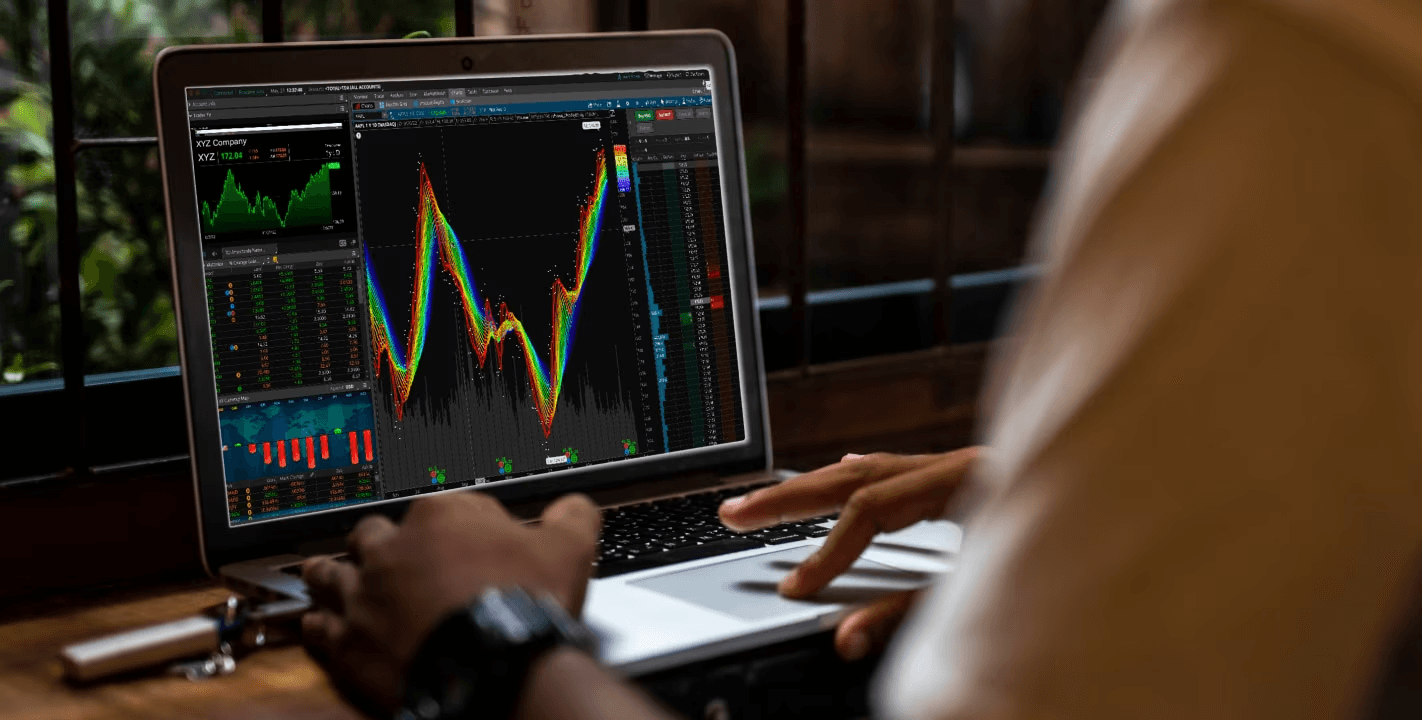
Getting the most out of futures means treating your first hundred trades as tuition, not income. You'll extract value by building replicable patterns through focused market selection, tight risk controls, and relentless review of what worked and what didn't. The goal isn't to win every trade but to develop the judgment that compounds over years, turning small edges into sustainable returns.
Focus on One Market Until You See Its Rhythm
Pick a single liquid contract, like the micro E-mini S&P 500 or micro crude oil, and watch nothing else for 30 days. Track how it reacts to economic releases at 8:30 a.m. Eastern, where it finds support during lunch-hour doldrums, and how overnight gaps behave when Asia or Europe moves first. This narrow focus reveals personality traits that multi-market scanning never surfaces, like how crude tends to spike on inventory data while equity futures grind through the same numbers. You'll start recognizing setups three bars before they fully form, the kind of pattern fluency that only emerges when you stop chasing every headline and commit to mastering one instrument's specific behavior.
Cap Risk Per Trade and Never Negotiate
Set a rule that no position risks more than 1% of your account, then calculate your stop-loss distance in ticks before entering to ensure the math holds. If your account sits at $5,000 and a micro contract moves $1.25 per tick, your stop can't exceed 40 ticks, or you've broken your own boundary. Contracts typically require 3-10% of the contract value as initial margin, making it easy to over-leverage if you confuse available margin with safe position size. Write the maximum dollar risk on a sticky note attached to your monitor, and close any trade that exceeds it, regardless of how certain the setup feels. This single habit prevents the cascading losses that wipe out months of progress in a single revenge-trading session.
Build a Pre-Trade Checklist You Can't Skip
Create a three-question filter you answer before clicking buy or sell:
- Does this match my written setup?
- Where exactly will I exit if wrong?
- What's my profit target relative to risk?
If you can't answer all three in ten seconds, the trade isn't ready, and you're gambling on incomplete information. Keep the checklist visible on your screen and force yourself to type answers into your journal before execution, creating friction that stops impulsive entries driven by boredom or FOMO. The traders who survive their first year treat this checklist like a pilot's pre-flight routine, non-negotiable regardless of how many times they've flown before.
Simulated Capital and Performance Rewards
Most beginners drain their personal savings learning these lessons, turning every mistake into a financial crisis that distorts future decisions. Funded accounts for futures trading let you practice with up to $450,000 in simulated capital while keeping 100% of your first $15,000 in profits, removing the pressure to recover losses quickly or skip essential review steps.
With 6% profit targets, 24-hour payouts, and no activation fees, you can focus on building the disciplined habits that separate sustainable traders from those who reload accounts hoping for different outcomes.
Review Every Trade Within an Hour of Closing
Open your journal immediately after exiting and note whether you followed your stop-loss, moved it mid-trade, or closed early out of fear when the setup remained valid. Record what you felt when the position moved against you and whether that emotion matched previous losing trades, revealing patterns like cutting winners too soon or holding losers too long.
This real-time documentation captures psychological truth that fades within hours, the raw data you'll need to identify whether overtrading after wins or revenge trading after losses is draining your capital faster than poor setups.
Related Reading
- Futures Trading Tips
- Spot Trading Vs Futures Trading
- Best Coin For Futures Trading
- Futures Trading Risk Management
- Futures vs. CFD
- Futures Trading Patterns
- Best App For Futures Trading
- Best Crypto Futures Trading Platform
- Best Futures Trading Software
Unlock up to 50% off Your First Funded Account for Futures Trading
The hardest part is executing your plan with enough capital to make the learning curve financially viable without gambling your savings. You can study setups and master stop-loss discipline in simulation, but the psychological weight of real money changes everything. That gap between knowledge and execution keeps most beginners trapped in tiny positions that make consistent growth feel impossible, or worse, forces them to risk capital they can't afford to lose.
Capital Access and Risk Protection
AquaFutures removes that barrier by letting you trade with simulated capital up to $450,000 while keeping 100% of your first $15,000 in profits. Instead of choosing between protecting your nest egg and gaining meaningful market experience, you apply the same disciplined approach you've been building, entries based on your checklist, stops placed before execution, and risk capped at 1% per trade, with the firm's capital backing your decisions. Instant funding options skip lengthy evaluations entirely, while simple one-step challenges designed for newer traders provide clear paths forward. Account sizes start small enough to feel manageable, with daily loss limits and maximum drawdowns already built in to protect both you and the firm.
Professional Platforms and Payout Efficiency
You trade on professional platforms like ProjectX and Volumetrica using the exact risk management and pattern recognition you developed through paper trading and your first micro contract experiences. When you profit, payouts happen weekly on your schedule and land in your account within 24 hours, not months later after bureaucratic review processes. Thousands of traders have already received millions in real rewards this way, proving the model works for those who treat futures as a skill-building business rather than a lottery ticket.
Ready to move beyond theory and apply your step-by-step futures knowledge with real capital behind you? Visit AquaFutures today to explore beginner-friendly funded accounts, take advantage of current discounts up to 50% off, and start trading with the firm's risk, rather than draining your own savings on the learning curve.
