



5 Best Futures Brokers With Low Intraday Margin in 2026
Futures brokers with low intraday margin can cut capital needs, but raise leverage risk. Compare margin rates, fees, and liquidation rules.

If you have ever stared at your trading account and wondered whether steep futures margin requirements are quietly eating into your potential, you are not alone. Many traders, especially those starting out or scaling up, find that high intraday margin rates limit how many contracts they can hold, how many trades they can make, and ultimately how much they can grow. This article cuts through the noise to help you find futures brokers with low intraday margin, so you can make smarter decisions about where to trade and how to stretch your capital further.
Finding the right broker is only part of the equation, though. AquaFutures offers funded accounts for futures trading, so you can trade with greater buying power without putting all your own money on the line. Instead of being boxed in by tight capital and high day trading margin requirements, a funded account gives you room to work with larger positions, test your strategies across different futures markets, and build a track record that reflects what you are actually capable of.
Table of Contents
- What is Intraday Margin and How Does It Work in Futures Trading?
- Why Do Traders Look for Low Intraday Margin Brokers?
- Are Low Intraday Margin Requirements Better for Small Accounts?
- 5 Best Futures Brokers With Low Intraday Margin in 2026
- How to Choose the Right Futures Broker With Low Intraday Margin
- Why AquaFutures Is a Smart Alternative to Futures Brokers With Low Intraday Margin
- Unlock up to 50% off Your First Funded Account for Futures Trading
Summary
- Intraday margin requirements can fall as low as 25% of the standard overnight rate, according to Charles Schwab's guide on how futures margin works. That compression means a trader can technically control a $100,000 contract while committing a fraction of that in account equity. The leverage cuts both ways, amplifying gains and losses equally, making position-sizing discipline more important than the margin rate itself.
- Capital efficiency is the primary reason traders seek out low-intraday-margin brokers, but the benefits only materialize within a disciplined framework. A trader running a $5,000 account with micro contracts at intraday rates as low as $50 per contract (as shown in NinjaTrader's margin policy) can allocate risk proportionally across multiple setups. Without a percentage-based position sizing framework, that same flexibility accelerates losses rather than supporting growth.
- High margin requirements quietly eliminate entire categories of strategy before a trader ever places a trade. Scalping, multi-leg entries, and correlated market plays all require flexible buying power that tight-margin environments exclude from consideration. FINRA rules allow up to 4:1 intraday leverage for day traders, but only brokers that structure access to that leverage competitively make it practically usable for smaller accounts.
- Psychological pressure from margin constraints does more damage than most traders account for on a balance sheet. When normal price fluctuation could trigger a margin call, attention shifts from reading price action to watching account equity. That divided focus tends to produce early exits and reduced size on high-conviction setups, generating exactly the underperformance traders were trying to avoid.
- The timing cutoff in intraday margin trading is a risk factor that catches more traders than expected. Brokers typically enforce the reduced rate only until roughly 15 minutes before session close, at which point any open position triggers the full overnight margin requirement.
A community of over 225,000 futures traders with more than 5,000 verified reviews has demonstrated that funded pathways represent a structural alternative, not a niche workaround. AquaFutures offers funded accounts for futures trading that address the core constraint directly by making buying power a function of demonstrated skill rather than personal account size.
What is Intraday Margin and How Does It Work in Futures Trading?

Intraday margin is the reduced capital your broker requires to hold a futures position open during regular trading hours. Because you close the position before the session ends, your broker carries less overnight risk, so the threshold drops well below what exchanges mandate for multi-day holds. That gap between intraday and overnight requirements is where active traders find their leverage.
How the Numbers Actually Work
According to Charles Schwab's guide on how futures margin works, futures margin requirements are typically 3 to 12% of the total contract value, and intraday margin can fall as low as 25% of the standard overnight requirement. Put those two facts together, and you realize a trader can control a contract worth $100,000 while committing a fraction of that in actual account equity. The math is compelling, but it cuts both ways. Every dollar of leverage that amplifies a winning trade does the same to a losing one.
What Happens to Your Account in Real Time
When you enter a futures position, your broker locks the intraday margin amount as performance collateral and marks your account to market with every price tick. Gains increase your available equity instantly; losses erode it just as fast. If the market moves sharply against you and your equity drops below the maintenance threshold, you get a margin call, and brokers do not wait politely. They issue the call in real time and expect you to add funds or reduce exposure before the session ends, not tomorrow morning.
Reframing Personal Risk With Funded Futures Accounts
Most traders handle this by searching for futures brokers with low intraday margin requirements, lower day trading margins, and flexible position limits. That search makes sense on the surface. The hidden cost is that hunting for the cheapest per-contract rate still leaves your own capital exposed to every adverse tick. Funded accounts for futures trading reframe the problem entirely: instead of optimizing how little of your money you risk per contract, you trade with simulated capital while keeping real profits, so the margin conversation shifts from personal risk management to pure strategy execution.
The Cutoff Rule Most Traders Underestimate
Timing discipline is not optional in intraday margin trading. Brokers typically enforce the reduced rate only until roughly 15 minutes before the session closes, at which point any open position automatically triggers the full overnight margin requirement. Miss that window, and your account either needs to meet the higher threshold immediately, or your broker liquidates the position for you. This is not a rare edge case; it catches traders who let a losing position run past the cutoff, hoping for a late recovery.
The Hidden Danger of Holding Overnight
The failure point is usually overconfidence in a setup that remains unresolved by the end of the day. Holding past the cutoff not only changes your margin requirement; it also exposes you to overnight gaps, thin liquidity, and news events that your intraday analysis never accounted for. Strict session discipline, sizing that leaves equity cushion above minimums, and a hard exit rule before cutoff are what separate traders who use intraday margin well from those who get punished by it. But understanding how intraday margin works is only half the picture, and the more interesting half is still ahead.
Why Do Traders Look for Low Intraday Margin Brokers?

Traders seek out futures brokers with low intraday margin requirements for one straightforward reason: capital efficiency. When less equity is locked per contract during the trading session, the same account balance can work harder, support more positions, and recover faster from losing trades without forcing a trader to the sidelines.
The Real Cost of High Margin Requirements
The failure point is usually invisible until it compounds. A trader with a $15,000 account using a high-margin broker might only qualify for one contract in the E-mini S&P 500, leaving almost no room to scale into a confirmed setup or hedge a position that moves against them. That constraint does not just limit size; it also limits the entire range of available strategies. Scalping, multi-leg entries, and correlated market plays all require the kind of flexible buying power that tight margin environments quietly eliminate. According to FINRA, day traders can receive up to 4:1 intraday buying power leverage under existing rules, but only if their broker structures access to that leverage competitively within those boundaries.
The Psychological Cost of Margin Pressure
Psychological pressure compounds the problem in ways that do not show up on a balance sheet. When a trader knows that normal price fluctuation could trigger a margin call, attention shifts from reading price action to watching account equity. That divided focus is where edges erode. Decisions made from a defensive posture, early exits, and reduced size on high-conviction setups tend to produce exactly the underperformance traders were trying to avoid.
When the Structure Itself Becomes the Obstacle
Most traders approach this by shopping brokers, comparing intraday margin tables, and calculating how many contracts their equity can support at each firm. That approach is rational, but it carries a hidden cost: the trader is still deploying personal risk capital, still absorbing drawdowns from their own account, and still subject to the FINRA requirement that pattern day traders maintain a minimum equity of $25,000 in their margin accounts. Every search for a lower margin rate is essentially an attempt to stretch a limited resource further rather than to change the resource itself. AquaFutures reframe this entirely, giving traders access to up to $450,000 in simulated capital so that buying power becomes a function of skill rather than personal account size.
What Low-Margin Access Actually Unlocks
When margin requirements drop, strategy flexibility expands in concrete ways. A trader can add contracts on confirmation rather than committing full size on the initial entry. They can hold positions across correlated instruments, such as crude oil and natural gas, without one trade cannibalizing the margin headroom needed for the other. Drawdown recovery also accelerates because less equity is tied up per position, meaning a losing session does not force the kind of desperate over-sizing that turns a bad day into an account-threatening one.
The Edge of Structural Support
The same pattern surfaces across equity index futures, energy contracts, and metals: traders with access to competitive intraday margin rates execute more consistently, not because they take more risk, but because they have room to execute their plan without improvising around capital constraints. Discipline is easier when the structure supports it. But whether low intraday margin actually helps small accounts, or quietly creates a different set of risks for them, is a question worth sitting with before assuming the answer is obvious.
Related Reading
- Futures Margin Requirements
- What Is Intraday Margin
- Isolated vs Cross Margin
- What Is Span And Exposure Margin
- What Is Buying Power In Trading
- Intraday Margin Futures
- What Is Margin Compression
- What Are Margin Calls
- What Is Maintenance Margin In Futures
Are Low Intraday Margin Requirements Better for Small Accounts?
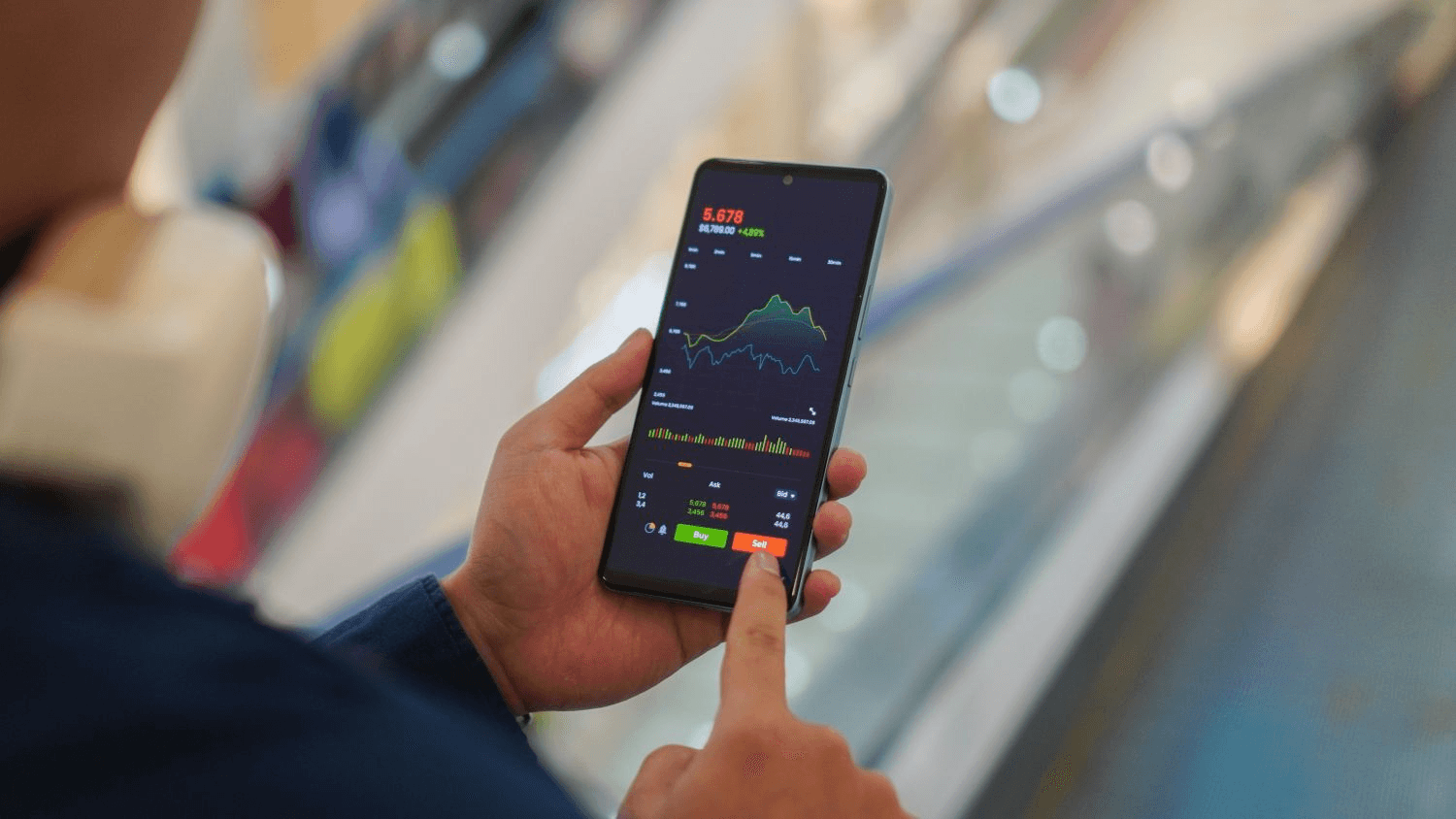
Low intraday margin requirements genuinely help small accounts, but only when traders use the freed capital to execute a disciplined plan rather than simply trade larger. The distinction matters more than most people acknowledge. The failure point is usually misattributed. When small accounts blow up under low-margin conditions, the cause is almost never the margin rate itself. It is the absence of a position-sizing framework that treats each trade as a percentage of equity rather than a function of what the broker allows. Intraday margin rates are often 25 to 50% of the overnight requirement set by the exchange. That compression creates real capital efficiency, but efficiency without structure is just faster movement toward the wrong destination.
Margin Efficiency for Small Accounts
The same issue arises in equity and futures markets alike: small accounts constrained by high margin requirements cannot generate sufficient returns per trade to meaningfully offset transaction costs and slippage. They stay too small to compound, too restricted to diversify across setups, and too squeezed to hold positions through normal price fluctuation. Low intraday margins directly address this by allowing traders to size according to their actual risk rules rather than their broker's capital floor. For micro contract traders specifically, NinjaTrader's margin policy shows intraday rates as low as $50 per contract, which means a $5,000 account can allocate risk proportionally across multiple setups rather than concentrating everything into a single oversized bet.
An Alternative to Personal Capital Risk
Most traders handle the capital problem by searching for the broker with the lowest published margin rates, comparing fee schedules, and hoping the math works in their favor. That approach has a hidden cost: it still requires tying up personal risk capital in a live account, which means every drawdown is a real financial event, not just a number on a screen. AquaFutures shifts the structure entirely, providing access to up to $450,000 in simulated trading capital, with the firm absorbing capital risk and traders keeping 100 percent of their first $15,000 in profits. The margin conversation changes when the capital at risk is not yours.
Low Margins Support Skill Development
The critical difference between traders who grow small accounts and those who stall is not, in isolation, access to lower rates. It is the combination of capital efficiency and enough runway to develop consistency through repetition.
- A trader who risks 1% per trade on a $5,000 account with properly sized micro contracts is building a trackable edge.
- A trader doing the same on a $5,000 account with high margin constraints is essentially forced to either overtrade or underperform, because the math of fees and slippage never resolves in their favor at that scale
Low margins create the conditions for skill development; they do not substitute for it.
Rethinking the Small Account Question
What most people miss is that the entire framing of low margin as risk assumes the trader's personal capital is the only vehicle available. That assumption is worth questioning, especially when a community of over 225,000 futures traders with more than 5,000 verified reviews has already demonstrated that funded pathways are not a niche workaround but a structural alternative to the traditional model. The question of whether low intraday margin is better for small accounts may actually be the wrong question entirely. And that realization opens something more interesting than a margin comparison ever could.
Related Reading
- Can You Hold Futures Overnight
- Calendar Spread Options
- Margin Maintenance Requirements
- What Is Notional Value
- Calendar Spread Margin Benefit
- Notional Value Vs Market Value
- Double Calendar Spread
- Effective Leverage Ratio
- Bond Vs Stock Performance
- Micro Vs Mini Futures
- Market Volatility Strategies
- Clearinghouse Futures
5 Best Futures Brokers With Low Intraday Margin in 2026

Finding a profitable futures setup is frustrating when margin requirements consume most of your trading capital before you even enter the market. High margin requirements reduce buying power, limit diversification, and make it harder for smaller accounts to participate in futures trading. That is why active traders consistently search for futures brokers that offer low intraday margins while still providing strong platforms, broad market access, and reliable risk management tools.
The brokers below stand out in 2026 for offering competitive intraday margin requirements across major futures markets, helping traders maximize capital efficiency without sacrificing access to professional-grade trading infrastructure.
1. NinjaTrader

NinjaTrader delivers aggressive low intraday margins that directly solve the capital lockup issues small accounts face, allowing traders to control meaningful exposure during active hours without tying up excessive equity. Its structure supports precise position sizing and the flexibility needed to capture intraday edges while flattening before higher overnight requirements take effect.
Best For
Active day traders and technical scalpers who want platform power combined with minimal capital commitments per contract.
Key Features
- Micro contracts require only $50 intraday margin, freeing small accounts to trade multiple positions without exhausting equity on a single setup.
- Standard E-mini contracts, such as the S&P 500, sit at $500 intraday, dramatically lower than overnight levels and enabling scalable sizing for growing accounts.
- Reduced margins apply across major asset classes, including equity indexes, currencies, energies, metals, bonds, and agriculture, for diversified intraday opportunities.
- The intraday window runs from session open until 15 minutes before close (typically 3:45 PM CT for many CME products), aligning perfectly with peak liquidity periods.
- Margins adjust dynamically during high-volatility events but quickly return to low baseline levels, maintaining efficiency outside news spikes.
- No account minimum combined with flexible funding options removes barriers for traders starting with limited capital.
- Integration with multiple platforms and low-latency VPS support ensures reliable execution, protecting low-margin positions from technical issues.
Pros
Award-winning free platform with advanced charting and automation; competitive commissions on micros; strong educational resources; broad contract access with consistently low margins.
Cons
Margins can increase temporarily around major news; platform learning curve for complete beginners; some advanced features require paid upgrades.
Accessibility
Available to US and international traders with easy account opening, no minimum deposit, and support for various funding methods, including ACH.
2. AMP Futures

AMP Futures offers some of the lowest intraday margins, empowering small accounts to overcome size constraints and achieve meaningful market exposure during trading sessions. This setup tackles the core pain point of insufficient capital efficiency by minimizing the equity tied up per contract, thereby supporting disciplined risk management and faster account development.
Best For
Smaller traders and cost-conscious day traders seeking ultra-low entry points on micro contracts across diverse markets.
Key Features Focused on Low Intraday Margins
- Micro E-mini S&P 500 trades with just $40 intraday margin, allowing even modest accounts to participate actively without overcommitting funds.
- The Standard E-mini S&P 500 requires $400 intraday, providing substantial leverage relative to overnight requirements for scalable trading.
- Broad coverage includes micro and standard contracts in stock indexes, energies, metals, currencies, grains, softs, and meats for versatile opportunity capture.
- Day trading margins remain in effect during both regular and overnight sessions except for the final minutes before close, offering extended flexibility.
- Competitive rates on popular products like the Micro E-mini Nasdaq-100 at around $100, along with various commodity micros, keep capital requirements accessible.
- Risk management tools such as liquidation triggers protect accounts while preserving low-margin access under normal conditions.
- Minimum balance to trade aligns directly with the day margin amount, simplifying planning and eliminating unnecessary buffers for active intraday strategies.
Pros
Extremely competitive margins on micros; a wide range of supported platforms; a transparent fee structure with matching offers; a strong focus on day-trading efficiency.
Cons
Margins can vary by clearing firm and account size (larger for larger balances); potential adjustments during periods of volatility; requires attention to session cutoffs.
Accessibility
Open to traders with straightforward account setup, multiple clearing options, and support for various experience levels focused on futures.
3. TradeStation

TradeStation provides competitive intraday margins that resolve the challenges of limited position sizing and capital inefficiency for small accounts, enabling traders to execute full strategies with appropriate risk parameters and room for market movement. Its approach emphasizes practical leverage during core hours while enforcing clear rules that promote disciplined closes.
Best For
Traders who value integrated analysis tools alongside low margins for systematic day trading across multiple asset classes.
Key Features
- The Micro E-mini S&P 500 (MES) intraday margin is around $235, compared with the much higher standard ES levels, supporting efficient small-account scaling.
- Micro variants across indexes, energies, metals, and more offer proportionally lower requirements, such as Micro Crude Oil near $171.
- Reduced margins available during standard US session hours (roughly 9:00 AM to 4:00 PM ET), aligning with high-liquidity periods for optimal execution.
- Broad asset coverage including equity indexes, energies, metals, agriculturals, currencies, and select cryptocurrencies for diversified intraday setups.
- Requirement for valid stop orders to access reduced rates, which reinforces built-in risk controls that protect small accounts.
- Equity must meet overnight levels or positions close by cutoff, creating a structured environment that prevents unintended overnight exposure.
- Dynamic adjustments, clear liquidation policies, and same-day margin call resolution keep accounts aligned with low-margin benefits.
Pros
Powerful platform with backtesting and automation; no account minimum for futures; extensive contract selection; educational and research resources.
Cons
Stop-order requirement for full margin benefits; potential immediate liquidation risk at max day-trade power; desktop platform may need familiarity.
Accessibility
User-friendly for US traders with flexible funding, strong mobile and desktop options, and support for varying account sizes.
4. Interactive Brokers

Interactive Brokers leverages a sophisticated risk-based margin system that adapts to portfolio composition, offering effective, low intraday requirements for well-managed small accounts and addressing the rigidity of fixed, high margins that limit growth. This dynamic calculation rewards diversification and prudent trading, providing capital efficiency tailored to actual risk levels.
Best For
Experienced traders and those with diversified futures positions seeking advanced risk modeling and global market access.
Key Features
- Risk-based algorithms calculate margins according to overall portfolio exposure, often resulting in lower effective requirements for balanced small accounts.
- Competitive rates on micro contracts and major futures, with portfolio offsets that reduce total capital needed compared to isolated positions.
- Extensive coverage across US and international exchanges, including equity indexes, currencies, energies, metals, and more, for comprehensive intraday strategies.
- Intraday calculations support efficient trading throughout sessions, with real-time monitoring that adjusts to changing conditions.
- IRA account requirements are limited, but standard accounts benefit from flexible risk assessments.
- Integration with advanced tools for stress testing and exposure management helps maintain compliance with low effective margins.
- No strict fixed intraday minimums in the same way; requirements reflect live risk, benefiting disciplined small-account traders who avoid concentration.
Pros
Global market reach and low overall costs; powerful Trader Workstation platform; sophisticated margining for diversified portfolios; excellent for active multi-asset trading.
Cons
A risk-based system can be complex for absolute beginners; higher margins are possible for undiversified or high-risk positions; PDT rules still apply under $25k.
Accessibility
Available worldwide with detailed account options, robust API and platform support, and resources for different trader levels.
5. Ironbeam

Ironbeam combines competitive low intraday margins with reliable futures-focused execution, directly addressing small-account limitations by reducing equity demands per contract and providing the flexibility needed for consistent strategy implementation and risk control. Its offerings help traders move beyond tiny positions to capture real opportunities while maintaining professional-grade tools.
Best For
Day traders prioritize low margins, fast routing, and dedicated futures support without unnecessary complexity.
Key Features
- The Micro E-mini S&P 500 is available with a $50 intraday margin, enabling small accounts to achieve adequate exposure without a heavy capital commitment.
- Standard contracts like E-mini S&P 500 at around $500 intraday, offering a clear leverage advantage over overnight requirements.
- Margins apply across key markets, including equity indexes, energy, metals, and more, supporting a range of intraday approaches.
- Competitive structure is maintained during regular trading hours, with attention to session transitions to ensure seamless position management.
- No account minimums, paired with low margins, significantly lower the entry barrier for new futures participants.
- Professional platform access with reliable order routing minimizes slippage that could erode small-account profits.
- Risk tools and transparent policies protect low-margin trading while allowing full use of intraday benefits under normal conditions.
Pros
Strong futures specialization with low day margins; no minimum deposit; competitive commissions; responsive support and execution.
Cons
Platform options may require selection; less emphasis on non-futures assets; margins subject to standard volatility adjustments.
Accessibility
Straightforward for US traders with quick setup, multiple platform choices, and focus on efficient futures access.
How to Choose the Right Futures Broker With Low Intraday Margin

Low intraday margin gets the most attention when traders compare futures brokers. That makes sense. Lower margin requirements allow you to enter trades with less capital and improve capital efficiency. But choosing a broker based on margin alone creates a different problem. A broker with low margins but poor execution, high fees, weak technology, or aggressive liquidation policies can end up costing far more than it saves. The best futures broker balances low intraday margins with reliability, transparency, and strong trading tools.
Assess Margin Requirements and Flexibility
Start by comparing actual intraday margin levels across brokers for the contracts you plan to trade, such as micro equity indexes. Look beyond advertised minimums to understand how margins behave during normal sessions versus volatility spikes or news events. Brokers that maintain consistently low rates during regular hours while clearly communicating cutoff times and adjustment policies give small accounts the capital efficiency needed to size positions properly and avoid unnecessary restrictions. Verify current figures directly, as they can shift with market conditions.
Evaluate Platform Reliability and Execution Quality
A low-margin broker proves valuable only when orders fill quickly and platforms remain stable during fast markets. Prioritize brokers that offer professional-grade tools with low-latency routing, especially for day traders who rely on precise entries and exits. Test through demos to confirm the setup supports your workflow without technical issues that could amplify losses on leveraged positions. Strong execution protects the advantage that low margins provide.
Review Asset Coverage and Contract Options
Choose brokers whose low intraday margins extend across the markets and contract sizes that match your strategy, including micro versions for gradual scaling. Comprehensive coverage of equity indexes, energy, metals, and currencies lets you diversify without switching platforms or meeting higher requirements elsewhere. This breadth addresses the limitation of narrow offerings, which force over-concentration on small accounts.
Examine Fees, Commissions, and Hidden Costs
Low margins lose impact when high commissions or data fees erode profits on frequent trades. Compare all-in costs per contract, including exchange and clearing fees, as well as any platform charges. Brokers that pair competitive margins with transparent, volume-friendly pricing deliver sustainable advantages for active traders working with smaller balances. Calculate expected monthly expenses based on your anticipated trade volume.
Consider Risk Management Policies and Support
Strong brokers combine low margins with clear rules on liquidation, margin calls, and session transitions to prevent surprises.
- Look for responsive customer support and educational resources that help you navigate low-margin trading safely.
- Policies that encourage proper risk management while preserving flexibility create an environment where small accounts can thrive rather than constantly battle restrictions.
Factor in Prop Firm Funding Compatibility
Many traders use prop firm funding to access larger capital pools while applying their own strategies. Select a low intraday margin broker that aligns with prop firm rules on platforms, execution, and risk parameters. This compatibility allows funded traders to maximize leverage from both the prop account and the broker’s reduced requirements, accelerating progress without violating program guidelines.
AquaFutures stands out here as a prop firm that focuses on futures trading and combines competitive, low intraday margins with tools designed for active day traders, making it a natural consideration when seeking platforms that address capital efficiency and execution needs in a single cohesive setup. Take advantage of demos to experience the workflow firsthand.
Why AquaFutures Is a Smart Alternative to Futures Brokers With Low Intraday Margin

Searching for futures brokers with low intraday margin is a reasonable starting point. But it solves the wrong constraint. The real problem is never the margin rate itself; it is the ceiling that personal capital places on everything that follows.
The Hidden Cost of Trading Your Own Money
Most traders approach the capital problem by minimizing what they risk per contract. According to the AquaFutures Blog, some brokers offer intraday margins up to 90% lower than the CME overnight margin requirement, which sounds like a meaningful edge until you realize that a smaller required deposit does not change the size of your account. You still compound slowly, size conservatively, and absorb every loss personally. The margin discount stretches your capital further, but it does not change the fundamental arithmetic of a small account trading under pressure.
The failure point is usually invisible until it hits. A trader running a $6,000 account with reduced margin requirements can technically enter more positions, but each losing trade now represents a larger percentage of total equity. Tighter position sizing becomes mandatory, diversification across instruments becomes impractical, and the psychological weight of protecting personal savings begins to shape decisions that should be purely technical. Low margin does not remove that weight; it redistributes it.
What Changes When the Capital is Not Yours
The pattern that separates consistently profitable futures traders from those who stall is not strategy quality. It is execution consistency under pressure. When traders shift from risking personal funds to operating within a funded structure, the decision environment changes entirely. Funded accounts through AquaFutures allow traders to access up to $150,000 in buying power, which reframes the entire position-sizing conversation from "what can I afford to lose" to "what does my strategy actually call for."
Most traders handle this transition by continuing to trade small out of habit, even after gaining access to larger capital. That instinct is understandable, but it misses the structural shift. Funded accounts for futures trading through AquaFutures absorb the downside risk within defined drawdown limits, which means a losing day does not threaten your savings, your rent, or your ability to keep trading. That one change, removing personal financial consequence from each trade, is what allows execution to finally match strategy.
Skill Gets Rewarded, Not Just Survived
The compounding effect here is not just financial. Traders who stop managing fear start managing the process. Contract limits scale as consistency is demonstrated, profit targets become achievable with appropriate position sizing, and the 100% profit share on the first $15,000 in earnings creates a direct, fast feedback loop between skill and reward. Weekly payout options with a 24-hour guarantee reinforce that the system is built to reward performance rather than extract fees from hopeful participants.
That kind of structural alignment between trader skill and firm incentive is something no low-margin broker can replicate, because their model depends on your deposits, not your results. And what makes that alignment even more compelling is what happens when you realize the entry point is far more accessible than you assumed.
Unlock up to 50% off Your First Funded Account for Futures Trading
The entry point is more accessible than most traders assume. AquaFutures currently offers up to 50% off your first funded account, which means you can access serious buying power on platforms like Tradovate without the personal capital exposure that keeps most traders stuck at one contract, watching setups they cannot afford to take.
If you have spent any time comparing intraday margin rates across brokers, you already know the math rarely works in your favor at smaller account sizes. Funded accounts for futures trading through AquaFutures change that equation entirely. You keep 100% of your first $15,000 in profits, get paid within 24 hours, and trade with no personal risk on the line. Over 225,000 futures traders and 5,000 verified reviews say this is not a workaround. It is simply a better starting point.
Related Reading
- Excess Margin
- Performance Bond vs Payment Bond
- Performance Bond Requirements
- Capital Allocation Strategy
- How Do Margin Calls Work
- How To Trade Micro Futures
- How To Calculate Implicit Interest Rate
- Best Micro Futures Broker
