



Micro vs mini futures: Which Contract Should You Choose?
Micro vs Mini Futures explained: see how tick value, capital needs, P&L swings, and risk differ before choosing a contract.

You're standing at the edge of the futures market, ready to start trading, but the futures margin requirements stop you cold. Micro and mini futures contracts both offer ways to trade major indices, commodities, and currencies, yet they require different capital commitments and carry different risk levels. This article breaks down the key differences between these contract sizes to help you choose the right fit for your trading account and risk tolerance.
Once you understand how contract specifications, tick values, and position sizing differ between micro and mini futures, you'll want a way to practice without risking your own capital. AquaFutures offers funded accounts for futures trading, allowing you to trade real markets with reduced personal risk as you refine your strategy. This approach lets you test whether micro contracts suit your conservative style or if mini futures align better with your growth targets, all while building the experience you need to succeed.
Summary
- Micro futures contracts reduce margin requirements to as low as $50 for intraday positions, yet this accessibility creates a behavioral trap. Traders who feel protected by smaller per-tick losses often overleverage by stacking multiple contracts, effectively reconstructing the same dollar exposure they would face with standard E-minis. CFTC data on retail futures traders confirms that the median participant exits with net losses, and accounts starting with micro contracts dominate these statistics despite their lower entry barriers.
- Contract multipliers create a tenfold exposure gap that reshapes risk management entirely. The E-mini S&P 500 moves $50 per index point while its micro counterpart moves $5, which sounds like a safety cushion until you realize most traders compensate by increasing position count. Ten micro contracts deliver identical profit and loss as one standard E-mini, making the perceived risk reduction vanish the moment you scale up to match your account size or risk appetite.
- Commission structures penalize micro futures when traders chase equivalent exposure through multiple contracts. A trader paying $0.50 per micro contract spends $5.00 to achieve the same market exposure as one mini contract priced at $1.50 in fees. This cost difference becomes material for high-frequency scalpers executing dozens of trades daily, where cumulative fees erode gains faster than spreads or slippage ever could.
- Position sizing discipline determines survival far more than contract choice. Research shows that disciplined traders risk 1 to 2% of account equity per trade, regardless of whether they use micros or minis, whereas undercapitalized accounts necessarily violate this rule. A $5,000 account trading five micro contracts carries identical percentage risk as a $50,000 account trading five standard contracts if both allocate the same portion of capital, proving that contract size alone provides no inherent protection against poor risk management.
- Liquidity and spread quality diverge sharply outside peak trading hours. The E-mini S&P 500 maintains 1- to 2-tick spreads for nearly 23 hours a day due to institutional volume, while micro contracts widen noticeably during Asian and early European sessions when retail participation drops. Traders executing during these windows face higher transaction costs and greater slippage on micros, offsetting the margin advantages that made them attractive in the first place.
Funded accounts for futures trading address the capital constraints that force traders into suboptimal contract choices, offering simulated buying power from $25,000 to $450,000 so you can select micro or mini contracts based on strategy rather than account size limitations.
What Are Micro Futures and How Do They Work?
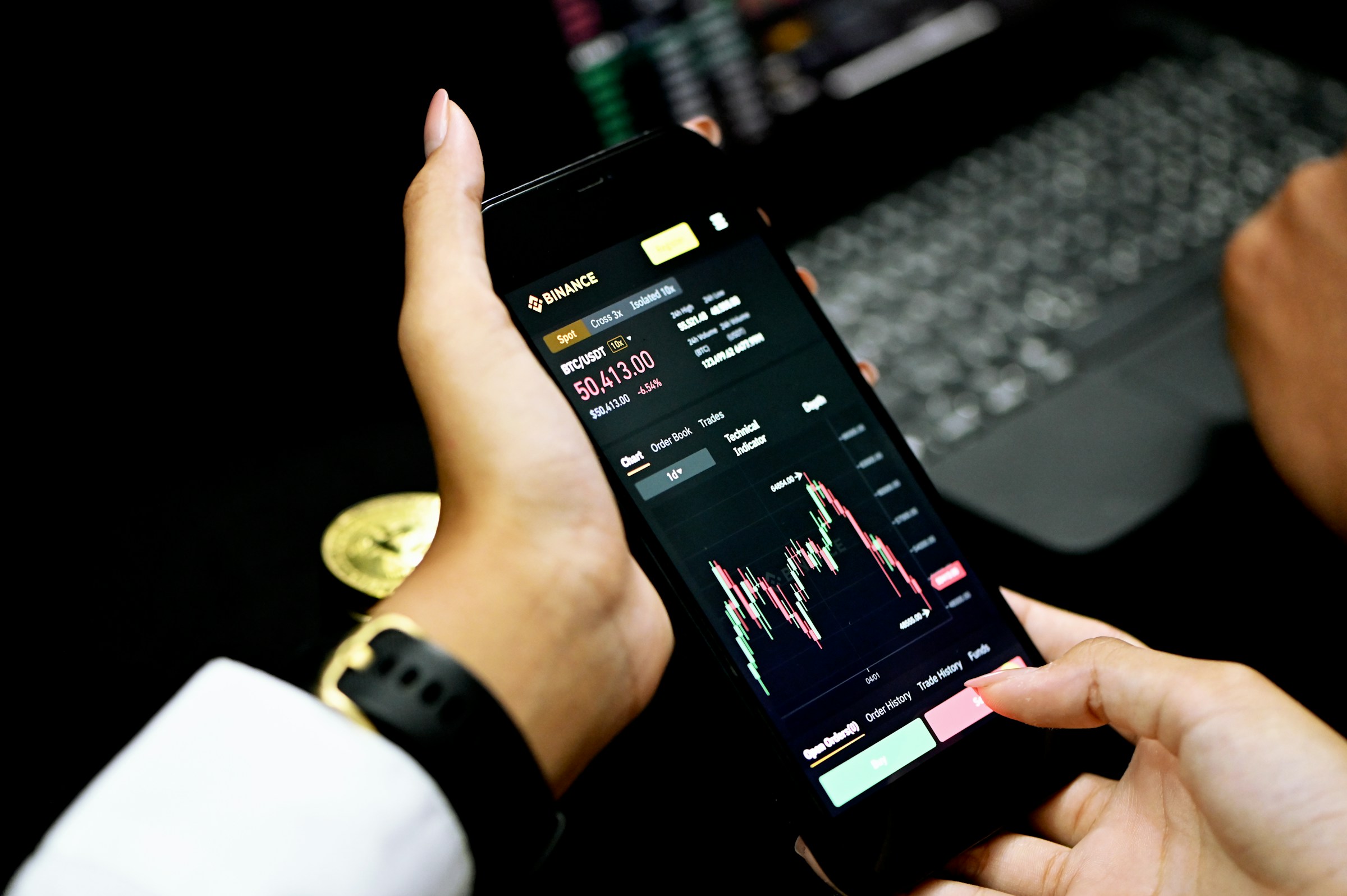
Micro futures are exchange-traded contracts that track the same underlying assets as standard futures (equity indexes, commodities, currencies, cryptocurrencies) but at a fraction of the size, typically one-tenth the notional value. This scaling down preserves identical price movements, expiration schedules, and trading mechanics while dramatically reducing the capital required to participate.
You control real market exposure with margin requirements as low as $50 per contract for intraday positions, making futures accessible to traders who previously lacked the account size to handle full-sized contracts.
Contract Size and Multiplier Structure
The multiplier determines how much each index point or asset price move translates into profit or loss. For the Micro E-mini S&P 500 (MES), every one-point change in the S&P 500 index equals $5 per contract.
- The Micro E-mini Nasdaq-100 (MNQ) uses a $2 multiplier.
- The Micro E-mini Dow (MYM) applies $0.50
- The Micro E-mini Russell 2000 (M2K) sits at $5.
These smaller multipliers let you scale positions precisely to match your risk appetite without overshooting or leaving capital idle.
Tick Size and Value
Tick size defines the minimum price increment a contract can move. According to Charles Schwab, micro contracts are 1/10th the size of standard E-mini contracts, which carries through to tick values. MES trades in 0.25-point ticks worth $1.25 each, MNQ moves in 0.25-point ticks at $0.50, MYM uses 1-point ticks valued at $0.50, and M2K employs 0.10-point ticks at $0.50. These granular increments reduce slippage and let you enter or exit with tighter control than larger contracts allow.
Margin Requirements and Capital Efficiency
Margin acts as a performance bond, not a down payment, and it varies by broker, volatility, and whether you hold positions overnight or close them intraday. Day-trade margins for Micro E-mini equity indexes often range from $50 to $500 per contract, while overnight margins can reach $1,000 or more, depending on market conditions.
An account under $10,000 should use Micro E-mini contracts, a threshold that opens futures trading to retail participants seeking leverage without pledging five-figure capital to a single position. This efficiency matters because it frees up buying power for diversification or reserves while still delivering meaningful directional exposure.
Trading Hours and Liquidity
Micro futures trade nearly 24 hours a day on CME Globex, opening Sunday evening and running through Friday afternoon with a brief maintenance window each day. High-volume products like MES and MNQ maintain tight bid-ask spreads during U.S. and European sessions, often just one or two ticks, so you execute orders at prices close to the quoted market without wide slippage.
Lower liquidity during Asian hours can slightly widen spreads, but the core benefit remains:
- You can react to overnight news
- Hedge stock portfolios after the equity market closes
- Capture global macro moves in real time
The question is whether shrinking the contract size this much sacrifices anything beyond capital requirements, or whether the trade-off introduces hidden costs that offset the convenience.
What Are Mini Futures and How Do They Work?

Mini futures deliver standardized exposure to major indexes, commodities, and currencies at one-fifth the notional value of traditional full-sized contracts. They're 1/10th the size of standard E-mini contracts, which themselves replaced the original pit-traded behemoths that required six-figure margin deposits. You buy or sell a contract to lock in a future price, then close the position before expiration through an offsetting trade for cash settlement, capturing the difference as profit or loss without ever touching the underlying asset.
Contract Multipliers and Tick Values
The multiplier determines your dollar exposure per index point. For the E-mini S&P 500 (ES), each point equals $50, so a 10-point rally generates $500 per contract while a 10-point drop costs you the same. The minimum tick, 0.25 points for ES, equals $12.50, giving you precise control over entry and exit prices. This granularity matters when you're scaling in or out of positions during fast markets, where a single point can separate breakeven from loss.
Margin Structure and Leverage
Initial margin for popular E-minis typically ranges from $1,500 to $15,000, depending on volatility and the underlying asset, while day-trading margins drop to a few hundred dollars per contract at many brokers. The maintenance margin, the threshold below which your account triggers a margin call, is slightly lower, often 80-90% of the initial requirement.
This leverage amplifies both gains and losses, so a 2% move in the S&P 500 translates to a 20% swing in your margin deposit if you're holding overnight, which demands disciplined stop-loss placement and position sizing that match your actual risk tolerance.
Trading Hours and Market Access
CME Globex runs for nearly 23 hours a day, from Sunday evening through Friday afternoon, allowing you to react to earnings releases, geopolitical events, or central bank announcements as soon as they break. That bid-ask spreads stay tight at 1-2 ticks during active sessions, which means you execute orders at prices close to the quoted market without wide slippage.
Asian and European hours see thinner volume, so spreads can widen a tick or two, but the core benefit remains:
- You can hedge stock portfolios after the equity market closes.
- Capture overnight gaps.
- Trade macro themes in real time rather than waiting for the next U.S. session.
Popular Contracts and Settlement
The E-mini S&P 500 leads in daily volume, often exceeding hundreds of thousands of contracts and providing liquidity that dwarfs the equivalent ETF trading volume. E-mini Nasdaq-100, Dow, and Russell 2000 follow, each mirroring their index with identical multipliers and tick structures. Cash settlement resolves positions against the final index value on expiration, typically the third Friday of the contract month, so you never face physical delivery obligations.
Most traders roll to the next front-month contract a few days before expiration or exit entirely, avoiding the bid-ask widening and execution uncertainty that creeps in as open interest shifts to the new contract. The real question is whether this level of leverage and capital efficiency introduces hidden risks that smaller accounts can't absorb, or if the tradeoff simply requires a different mindset than spot trading ever did.
Related Reading
- Futures Margin Requirements
- What Is Intraday Margin
- Isolated vs Cross Margin
- What Is Span And Exposure Margin
- What Is Buying Power In Trading
- Intraday Margin Futures
- What Is Margin Compression
- What Are Margin Calls
- What Is Maintenance Margin In Futures
Are Micro Futures Safer Than Mini Futures?

Micro futures aren't inherently safer than mini futures. The contract size affects how much you lose per tick, but it doesn't protect you from poor decisions. Traders who overleverage in micros face the same margin calls and emotional traps as those who mismanage minis, just with more contracts in play.
The Illusion of Safety Through Smaller Size
Traders gravitate toward micros, believing the reduced notional value acts as a cushion. A single Micro E-mini S&P 500 contract moves $5 per point compared to $50 for the standard E-mini, so a 10-point adverse swing costs $50 instead of $500. That math feels comforting until you realize most traders don't stop at one contract.
They scale up to match their risk appetite or account size, effectively reconstructing the same dollar exposure they would have faced with a mini. 10 Micro E-minis equal 1 E-mini in notional value, meaning 10 micros deliver the same profit and loss as a single standard contract. The smaller tick value becomes irrelevant when position count compensates for contract size.
Why Position Sizing Determines Real Risk
The critical variable isn't the contract you choose but how many you trade relative to your account balance. A $5,000 account trading five Micro E-minis carries the same percentage risk as a $50,000 account trading five standard E-minis if both allocate 1% per trade. Futures margin scales with contract size, yet the percentage swings in the underlying index remain constant.
When the S&P 500 drops 2% in a session, your account feels that move proportionally, whether you hold micros or minis. The difference lies in whether you've sized positions to survive volatility spikes or chased exposure beyond your capital's capacity to absorb drawdowns.
The Behavioral Trap That Amplifies Losses
Smaller contracts invite overtrading because the perceived risk per unit feels manageable. Traders enter more positions, hold losing trades longer, hoping for reversals, and skip stop-loss orders because individual contract losses seem tolerable. This pattern compounds quickly.
Research from the CFTC on retail futures traders shows the median participant exits with net losses, and larger dollar losses on initial trades strongly predict permanent account abandonment. Micro contracts dominate these accounts due to low barriers to entry, yet the data confirm that accessibility without discipline accelerates failure rather than preventing it.
When Capital Constraints Meet Leverage Mechanics
Many traders start with micros, not by choice but because their account size can't meet mini margin requirements. A $2,000 account qualifies for micros but falls short of the $13,200 overnight margin on a standard E-mini S&P 500. This constraint can protect beginners by limiting exposure, or it can trap them in a cycle of small wins and frequent losses that erode capital through commissions and emotional exhaustion.
Funded programs like AquaFutures shift this dynamic by providing simulated capital that allows traders to demonstrate consistency with either contract type before risking personal funds. Traders access up to $450K in buying power with 6% profit targets and weekly payouts, removing the pressure to overleverage small accounts and helping them learn position-sizing discipline. The evaluation structure rewards risk management over aggressive scaling, aligning incentives with long-term survival rather than short-term gains.
Where Micros Offer Practical Flexibility
Micro excels when you need granular control. Building a five-contract position in micros lets you scale in or out one contract at a time, adjusting exposure as the trade develops. That same flexibility with minis requires larger capital jumps and tighter stop placement. For traders testing new strategies or managing smaller accounts, micros reduce the cost of mistakes without eliminating the lesson.
The key is treating them as precision tools for controlled exposure, not as training wheels that justify careless risk-taking. The contract size you choose matters far less than the rules you follow once the position is live, and the nine structural differences between these instruments reveal exactly where those rules need to tighten.
Related Reading
- Can You Hold Futures Overnight
- Calendar Spread Options
- Margin Maintenance Requirements
- What Is Notional Value
- Calendar Spread Margin Benefit
- Notional Value Vs Market Value
- Double Calendar Spread
- Effective Leverage Ratio
- Bond Vs Stock Performance
- Market Volatility Strategies
- Clearinghouse Futures
Micro vs Mini Futures: 9 Key Differences Explained
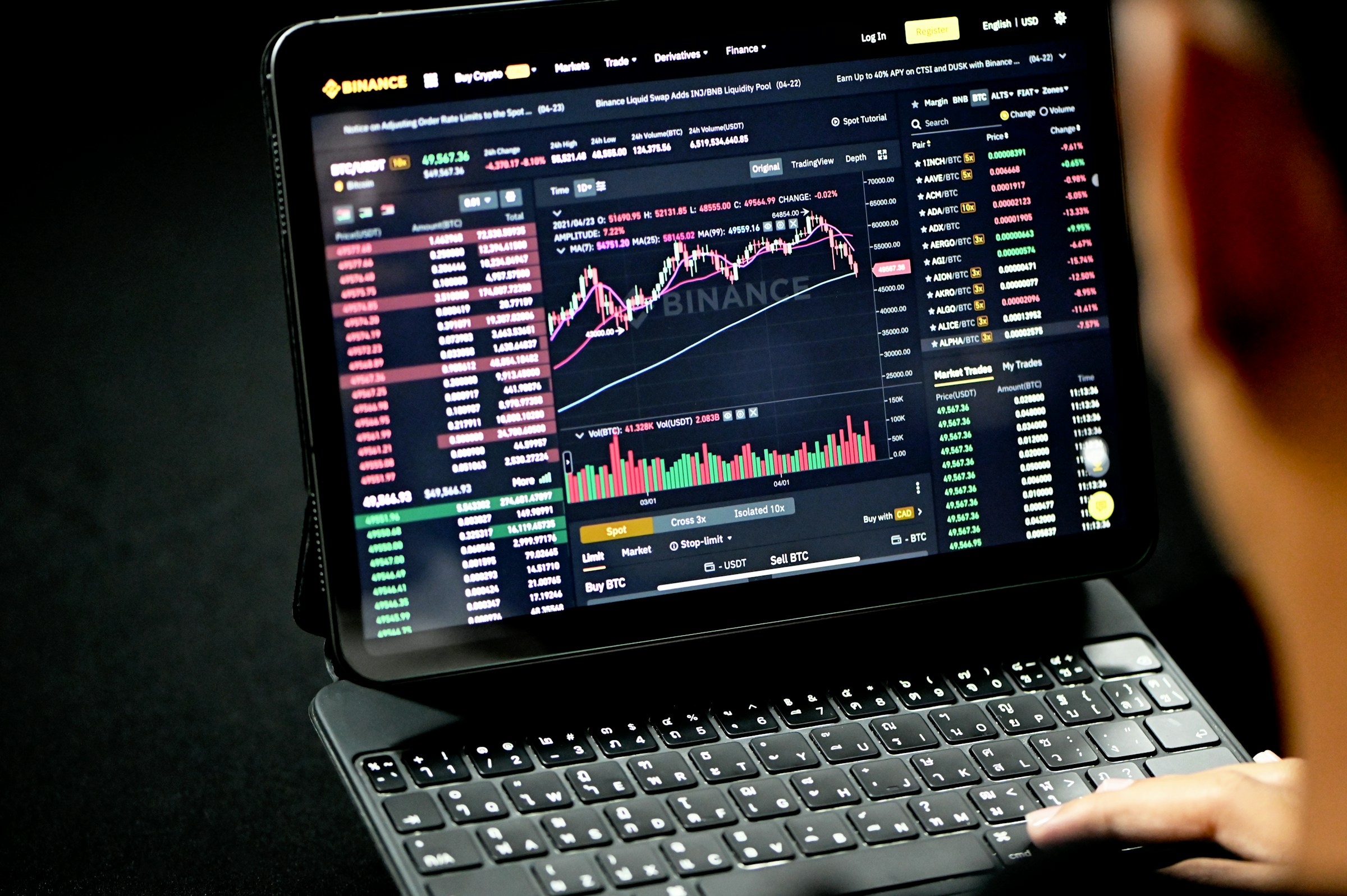
The rules you follow matter more than the contract you choose, but the contract you choose determines which rules apply. Micro and mini futures aren't just different sizes of the same instrument. They create:
- Different risk environments.
- Different cost structures.
- Different behavioral pressures that shape how you execute and manage positions.
1. Contract Size and Multiplier
According to Optimus Futures, 10 Micro E-minis equal 1 E-mini in total exposure. The E-mini S&P 500 uses a $50 multiplier per index point. The Micro E-mini S&P 500 uses a $5 multiplier. Every point the index moves translates to $50 in profit or loss on a mini contract, but only $5 on a micro. This isn't just a scaling difference. It changes how quickly your account reacts to volatility and how much breathing room you have when a trade moves against you.
2. Notional Value Exposure
An E-mini S&P 500 contract at 6000 index points controls roughly $300,000 in market value. A micro contract at the same level controls about $30,000. That tenfold reduction means you can participate in the same price action with a fraction of the capital commitment. Traders testing new setups or managing smaller accounts gain access to meaningful exposure without the stress of oversized positions that can wipe out weeks of progress in minutes.
3. Tick Size and Tick Value
Both contract types move in 0.25-point increments for major equity indexes. The dollar impact per tick diverges sharply: $12.50 for the E-mini, $1.25 for the micro. When you're watching a position move tick by tick, that difference compounds quickly. A five-tick adverse move on an E-mini costs $62.50. The same move on a micro costs $6.25. The smaller monetary step allows you to adjust positions incrementally without exposing your account to large swings from minimal price fluctuations.
4. Margin Requirements
Margin scales with contract size, creating a major accessibility gap. Day-trading margins for E-minis often run from several hundred to several thousand dollars per contract, depending on the broker and current volatility. Micros typically require $50 to $500.
Overnight margins follow the same proportion. This frees up capital for diversified positions or conservative risk buffers, and it allows traders to test strategies without tying up the bulk of their account in margin requirements.
Scaling Safely via Micro Futures
The tighter margin on micros opens the door for traders working with limited capital to build consistency before scaling up. AquaFutures removes the capital constraint entirely by providing simulated trading capital up to $450K, allowing skilled traders to focus on execution rather than account size.
Whether you start with micros to prove consistency or trade minis to maximize the potential of your funded account, the capital backing and flexibility let you scale at your own pace without risking personal funds.
5. Position Sizing Flexibility
Micros excel at granular control. A trader aiming for the equivalent of one E-mini can deploy ten micros and scale in or out in single-unit increments. This precision allows exact risk alignment to account for percentages. Minis force larger steps that may overshoot ideal position sizes, especially on smaller accounts where a single contract represents a disproportionate percentage of total capital. The ability to add or remove exposure in smaller increments creates tactical flexibility that minis cannot match.
6. Liquidity and Trading Volume
The E-mini S&P 500 commands the highest liquidity in the futures market, with daily volumes that frequently surpass equivalent ETF trading value by several multiples. Micro futures deliver strong and growing liquidity during peak hours, but their order books run thinner outside core sessions.
This results in slightly wider spreads on micros at times. Typical bid-ask spreads of 1-2 ticks on micros can be used during active periods. Stick to active trading windows when using micros, and the liquidity difference rarely impacts execution quality for most retail strategies.
7. Trading Costs and Commissions
Commissions apply per contract on most platforms. Executing the equivalent exposure of one mini often requires ten micros, multiplying the per-contract fee impact. This higher cumulative cost becomes noticeable for high-frequency scalpers who execute dozens of trades daily.
A trader paying $0.50 per micro contract spends $5.00 to achieve the same exposure as one mini contract at $1.50. For position traders holding overnight or swing traders executing fewer setups, the difference matters less. For scalpers chasing small moves, minis provide better cost efficiency.
8. Suitability for Account Size and Experience Level
Micro futures suit smaller accounts and newer traders by keeping per-trade dollar risk low enough to survive learning curves and inevitable drawdowns. A bad trade on a micro stings. A bad trade on a mini during high volatility can consume your entire drawdown faster than you anticipated.
Mini futures work better for intermediate- to advanced-level traders with larger accounts who can absorb larger per-contract swings while benefiting from superior capital efficiency and tighter execution. The choice hinges on matching contract scale to available capital and emotional tolerance, not on which instrument is objectively superior.
9. Flexibility in Position Management and Strategy Testing
The ten-to-one ratio between micros and minis unlocks seamless scaling and conversion. Traders test ideas or hedge with precise micro increments before stepping up to minis. Platforms support easy rolling between them. This versatility gives micros an edge for dynamic risk management and gradual position building that minis cannot replicate with their coarser steps.
You can validate a setup with one micro, scale to three if it works, then convert to a mini once confidence builds. That progression path doesn't exist when you're forced to jump from zero to one full-sized contract. But knowing the differences only matters if you can match them to your actual trading goals, not to the goals you wish you had.
How to Choose the Right Contract for Your Trading Goals

The right futures contract aligns with your capital, risk tolerance, and trading strategy, not with what sounds impressive or what someone else trades successfully. Micro futures suit accounts under $10,000 and traders prioritizing precise position sizing, while mini futures fit larger accounts seeking capital efficiency and tighter spreads. Your choice shapes everything from stop-loss placement to psychological comfort during volatile sessions.
Start With Capital Reality, Not Aspirations
Evaluate your actual trading capital without inflating the number you hope to reach next quarter. Accounts below $10,000 need micro futures because their margin requirements, typically $50 to several hundred dollars per contract, preserve enough buffer for multiple positions and proper risk management. Larger accounts above $20,000 gain efficiency with mini contracts, where fewer positions achieve substantial exposure without the excessive commission drag of managing 10 micros instead of 1 mini.
Match Risk Tolerance to Dollar Volatility
Risk tolerance determines how much account fluctuation you can handle without making emotional decisions. Disciplined traders risk 1-2% of their account per trade, which translates to vastly different contract choices depending on their balance.
Micro futures deliver smaller per-point moves ($5 on MES versus $50 on ES), letting you absorb normal market swings while keeping individual trade risk at 1% or less. Mini contracts demand higher tolerance for larger per-contract swings and strict stop-loss discipline to prevent single trades from eroding significant equity.
Define Strategy Before Selecting Size
Clarify whether you're testing new setups, hedging existing positions, scalping intraday moves, or building directional swings. Micro contracts excel for strategy validation and scaling in and out with fine increments because the 10-to-1 ratio with minis supports versatile position management.
You can enter with one micro to validate a setup, scale to three if it works, then convert to a mini once confidence builds. Mini contracts better serve goals that require significant notional exposure in fewer trades, such as portfolio hedging or capturing larger directional moves with lower relative transaction costs per dollar of exposure.
Account for Trading Costs and Execution Quality
Review commission structures and expected trade frequency before committing to a contract size. Executing equivalent exposure across multiple micro contracts results in higher cumulative fees than a single mini contract, which matters for high-volume scalpers placing dozens of trades weekly.
Mini futures provide superior liquidity and tighter spreads in major products like the E-mini S&P 500, reducing slippage during fast moves, while micros deliver adequate liquidity for most retail approaches during peak hours but can widen overnight.
Plan Progression, Not Permanence
View contract choice as an evolving decision that shifts as your capital and skills grow. Start with micros to establish profitability and psychological resilience, then transition portions of your portfolio to minis as account equity increases and you demonstrate consistent execution. Many successful traders use both simultaneously, deploying micros for testing new setups while running core positions in minis for capital efficiency.
AquaFutures provides capital backing to support this progression, offering up to $450K in funding so traders can scale from micro contracts to minis as their strategy proves consistent, without being constrained by personal capital limitations. But having the right contract size only matters if you can actually access the capital to trade it consistently.
How AquaFutures Helps Traders Access Micro and Mini Futures Markets

Access to capital determines whether traders can execute their strategies or watch opportunities pass by. Skilled traders often face a choice: risk personal savings on micro or mini contracts, or skip trades altogether because margin requirements exceed account balances. AquaFutures removes that constraint by providing simulated, funded accounts ranging from $25k to $450k, allowing traders to focus on execution rather than worrying about personal financial exposure or insufficient buying power.
Eliminates the Capital Barrier Without Personal Risk
Trading personal funds creates a ceiling. A $5,000 account might handle three micro contracts safely, but scaling into mini futures or adding positions during volatile sessions becomes impossible without violating risk management rules. Micro futures are 1/10 the size of E-mini contracts, which provides flexibility but doesn't solve the core problem of limited capital.
AquaFutures solves this by offering instant or challenge-based funding that mirrors live market conditions on platforms like Tradovate, giving traders access to larger position sizes without risking their own money. The firm absorbs losses while you keep 100% of the first $15,000 in profits and 90% thereafter, turning skill into income without the fear of account wipeouts.
Supports Flexible Position Sizing Across Contract Types
Traders with small accounts struggle to align their per-trade risk with their strategy. A $10,000 personal account might allow one mini contract or ten micros, but adding a second position during a breakout violates the 1-2% risk rule.
AquaFutures provides clear contract limits tied to account size: a $ 25k-funded account supports one mini or ten micro contracts; a $100k account scales proportionally. This structure lets traders test setups in micros, then shift to minis for capital efficiency as their strategy proves consistent, all within the same funded account framework.
Removes Time Pressure and Payout Delays
Most evaluation programs impose strict time limits or complex withdrawal schedules that force premature decisions. Traders rush trades to hit profit targets before deadlines, or wait weeks for payouts after profitable runs.
AquaFutures offers unlimited trading periods, straightforward 6% profit targets, and no hidden restrictions. Payouts are processed weekly or on demand, with a 24-hour commitment and an extra $500 if delayed. That speed matters when you're building momentum or need cash flow to stay focused on trading instead of worrying about when rewards arrive.
The Impact of Trader-Friendly Funding
Traders often assume the hardest part is choosing between micro and mini contracts, but the real challenge is finding a funding structure that doesn't penalize skill with arbitrary rules or slow payouts. AquaFutures provides instant or challenge-based funding with 24/7 support via chat, Discord, and email, so platform issues or margin questions get resolved quickly.
Over 225,000 traders have already claimed their share of more than $6.7 million in rewards, proving that access to capital and trader-friendly terms matter more than contract size alone when building a sustainable trading career. But getting funded is only half the equation if the terms don't actually work in your favor.
Unlock up to 50% off Your First Funded Account for Futures Trading
You now understand the differences between micro and mini futures. The real question is this: will you choose the contract that fits your goals, or will limited capital force you into decisions that don't? Too many traders settle for positions that feel too small to make meaningful progress or take on more risk than they should simply because their personal account leaves them with no better option.
AquaFutures removes those barriers. Instead of risking your own savings, you gain access to up to $450,000 in simulated capital through evaluation challenges or instant-funded accounts. Whether micro futures match your need for precision and gradual scaling or mini futures align with your desire for greater exposure and efficiency,
Flexible Funding via AquaFutures
AquaFutures gives you the flexibility to choose contracts based on strategy rather than financial limitations. You keep 100% of your first $15,000 in profits and 90% thereafter, receive support whenever you need it through 24/7 customer service, and benefit from a payout system backed by a 24-hour payout guarantee.
Take the next step today: visit AquaFutures, choose the funding path that best fits your experience level, and get started with either an evaluation challenge or an instantly funded account.
Related Reading
- Futures Brokers With Low Intraday Margin
- How To Calculate Implicit Interest Rate
- Excess Margin
- Best Micro Futures Broker
- Performance Bond Vs Payment Bond
- Performance Bond Requirements
- Capital Allocation Strategy
- How Do Margin Calls Work
- How To Trade Micro Futures
