



9 Market Volatility Strategies for Futures Traders in 2026
Market volatility strategies for futures traders: learn risk controls, position sizing, stops, and setups to trade 2026 swings.

When markets swing wildly, and your account balance seems to move faster than your morning coffee cools, understanding futures margin requirements becomes more than just a regulatory detail. It's the difference between staying in the game and getting a margin call that forces you out at the worst possible time. This article presents nine proven strategies to help you trade futures successfully in volatile markets in 2026, giving you the tools to manage risk exposure while capitalizing on price swings that leave unprepared traders on the sidelines.
The challenge isn't just knowing what to do. It's having the capital to execute your strategy without the fear of blowing up your account on a single bad day. AquaFutures offers funded accounts for futures trading, providing you with the resources to implement these volatility strategies without risking your personal savings. Instead of watching opportunities pass by because your account is too small to weather the storms, you can focus on execution and risk management while trading with professional-level capital that matches your skill.
Summary
- Volatility quantifies price variation using statistical measures, with the VIX typically ranging from 10 to 30 to reflect expected S&P 500 movement over the next 30 days. When the VIX spikes above 30, normal position sizing becomes dangerous, and stops get hunted with ruthless efficiency. Traders who ignore volatility shifts often survive quiet periods only to face devastating losses when conditions change, turning a manageable 1% account risk into a 3% drawdown before they can react.
- Economic data releases, geopolitical shocks, central bank policy shifts, and supply disruptions all trigger rapid repricing in futures markets following predictable patterns tied to scheduled announcements and global events. The S&P 500 declined nearly 7% from its mid-February 2025 peak, illustrating how policy uncertainty compounds directional losses. These forces don't arrive randomly, and traders who mistake predictable volatility for bad luck expose overextended positions built on consensus expectations that evaporate in minutes.
- Leading indicators like the VIX, ATR expansion, Bollinger Band squeezes, and overnight futures activity broadcast rising turbulence days or weeks before major moves fully develop. ATR readings across 14 sessions reveal whether opening bursts will be contained or explosive, giving traders multiple sessions to reduce leverage before full volatility regimes set in. Bollinger Bands compressed to their narrowest width over 20 sessions reliably forecast larger moves within days, allowing traders to prepare directional strategies or reduce exposure entirely before the breakout is confirmed.
- The first 30 minutes after market open typically see the highest volume and volatility, but overnight price action in index futures reveals how large players are positioning before retail traders arrive. ES futures begin trading Sunday at 6:00 p.m. Eastern Time and continue almost around the clock through Friday at 5:00 p.m. ET, giving traders a continuous view of sentiment shifts and liquidity changes.
- Position sizing collapses under pressure when personal capital is at stake, with traders risking $500 per trade in calm conditions, only to watch that same position swing $1,000 before stops trigger when volatility doubles. Fear of losing personal money pushes traders to cut winners early or hold losers too long, while choppy, volatile sessions trigger overtrading that racks up commissions and erodes focus.
AquaFutures addresses this by providing access to accounts up to $450K, with predefined max position sizes and daily loss limits that automatically enforce discipline, shifting traders from risking personal funds to executing on funded capital during volatile conditions.
What Is Market Volatility, and Why Does It Matter to Traders?

Market volatility measures how violently prices swing over a given period. When volatility climbs, a futures contract that drifted 0.3% yesterday might rip 3% today, blowing through stops or triggering margin calls before you finish your coffee. Low volatility means steadier, more predictable movement. High volatility means rapid swings that test every assumption in your trading plan.
What Defines Volatility in Practice
Volatility quantifies price variation using statistical measures such as the standard deviation of returns. Larger swings produce higher volatility readings. In futures markets, this translates to wider intraday ranges, sudden gaps at open, and bid-ask spreads that stretch during news events. The VIX typically ranges between 10 and 30, reflecting expected movement in the S&P 500 over the next 30 days. When the VIX spikes above 30, traders face conditions where normal position sizing becomes dangerous, and stops get hunted with ruthless efficiency.
Why Volatility Determines Your Real Risk
Volatility expands potential loss ranges faster than most traders adjust their risk parameters. A position sized for calm markets becomes over-leveraged when volatility doubles, turning a manageable 1% account risk into a 3% drawdown before you can react. Traders who ignore shifts in volatility often survive quiet periods only to face devastating losses when conditions change.
You need tighter stops during volatile swings, but those same tight stops get triggered by noise that would barely register in calmer sessions. The balance between protection and breathing room becomes the difference between surviving a drawdown and watching your account evaporate.
The Opportunities Hidden Inside Volatility
High volatility creates profit potential because wider price ranges allow larger gains on correctly timed entries. Day traders and options strategists thrive here, using breakouts, mean reversion setups, or volatility-based strategies like straddles to capitalize on rapid moves. The challenge isn't finding opportunities during volatile periods. It's having the capital to execute without fear of a single bad day ending your trading career.
Traders often report crushing emotional weight from substantial portfolio swings during volatile periods, watching gains and losses fluctuate dramatically within hours. That emotional pressure forces early exits from winning positions or revenge trades, compounding losses.
When you're trading with funded accounts for futures trading, volatility shifts from a threat to your personal savings to an opportunity to demonstrate skill under pressure, with professional-level capital backing your execution while you focus on consistency rather than survival.
How Volatility Destroys Discipline
Sudden swings trigger fear during drawdowns and greed during rallies, pushing even experienced traders away from their plans. A position that looked rational at entry feels terrifying after a 2% move against you in ten minutes. You exit early, then watch the market reverse exactly as your original thesis predicted. Volatility magnifies every emotional weakness in your trading psychology.
The traders who survive build rules around volatility to stay objective, using tools like Average True Range to set dynamic stops and size positions based on current conditions rather than yesterday's calm. Conviction matters, but conviction without volatility-adjusted risk management just means you lose money with confidence.
Related Reading
- Futures Margin Requirements
- What Is Intraday Margin
- Isolated vs Cross Margin
- What Is Span And Exposure Margin
- What Is Buying Power In Trading
- Intraday Margin Futures
- What Is Margin Compression
- What Are Margin Calls
- What Is Maintenance Margin In Futures
What Causes Market Volatility in Futures Markets?

- Economic data releases
- Geopolitical shocks
- Supply disruptions
- Central bank policy shifts
- Speculative behavior
All trigger rapid repricing in futures markets. These forces don't arrive randomly. They follow patterns tied to scheduled announcements, seasonal cycles, and global events, and when traders ignore these patterns, they mistake predictable volatility for bad luck. Understanding the specific drivers transforms volatility from an invisible threat into a manageable variable.
Economic Data Releases Force Instant Repricing
Scheduled reports on employment, inflation, GDP, and interest rates force traders to adjust expectations the moment actual figures deviate from forecasts. Russell Investments identifies 3 key factors driving recent market volatility, including economic data surprises that compress decision windows from hours to seconds. In oil or gold futures, a surprise inventory build or CPI print can dramatically expand daily ranges, turning calculated entries into immediate losers for unprepared accounts. When the number hits the screen, the market moves before you finish reading the headline.
Geopolitical Events Inject Fear and Uncertainty
Wars, trade tensions, elections, and political instability force immediate repricing as hedgers and speculators reposition in response to new risk scenarios. Supply disruptions in energy or agricultural commodities create massive gaps, widening bid-ask spreads and overwhelming technical setups with outsized moves that force liquidations. These events don't just shift prices; they cascade through correlated contracts, amplifying losses across portfolios. The frustration grows when a perfectly structured trade gets obliterated by a headline that had nothing to do with your analysis.
Supply and Demand Imbalances Magnify Small Shifts
Fundamental shifts in production, weather, inventories, or consumption translate into explosive price action because futures reflect expectations for future delivery. A drought hitting crop yields or unexpected OPEC decisions alters available supply, prompting aggressive buying or selling that magnifies small imbalances into large swings. Real-world changes don't move markets proportionally; they move them exponentially as participants front-run anticipated shortages or surpluses.
Central Bank Policies Reshape Risk Appetite
Monetary policy announcements and rate path expectations force broad repricing in equity index futures, bond futures, and currency pairs by altering borrowing costs and risk appetite. Hawkish or dovish signals trigger violent reversals when traders who front-ran anticipated moves discover they guessed wrong.
Range reports that the S&P 500 is now negative for the year, having declined nearly 7% from its mid-February peak, illustrating how policy uncertainty compounds directional losses. Surprises don't just challenge leverage; they expose overextended positions built on consensus expectations that evaporate in minutes.
Isolating Skill From Capital Risk
Most traders approach volatility by risking personal capital to prove they can navigate these forces, but that approach conflates skill validation with capital exposure. AquaFutures shifts capital risk away from traders, enabling them to demonstrate consistent performance in volatile conditions without depleting their accounts.
Instead of managing both market risk and personal financial stress simultaneously, traders focus entirely on execution while accessing up to $450K in simulated capital with 24-hour payouts and achievable 6% profit targets. But recognizing what drives volatility only matters if you can spot the warning signs before the move happens.
Can Traders Identify Volatile Futures Market Conditions Early?

You can spot volatile futures conditions before they fully develop by monitoring specific leading indicators that shift days or even weeks ahead of major moves. The VIX, ATR expansion, Bollinger Band squeezes, and overnight futures activity all broadcast rising turbulence well before prices explode. Traders who track these signals adjust position sizing, tighten stops, and prepare breakout strategies, while others scramble to react after the damage begins.
Watch the VIX and Implied Volatility Before the Session Opens
The VIX measures expected S&P 500 movement over the next 30 days using options pricing, making it your earliest warning system for turbulence in equity index futures. When the VIX climbs from 15 to 22 over three sessions, that shift tells you institutional traders are paying more for protection and bracing for wider swings.
Check implied volatility levels each morning before placing trades, because a rising VIX means your usual 2% stop might get hit by normal noise instead of actual directional failure. Traders who ignore this context enter positions sized for calm markets, then watch volatility double their intended risk overnight.
Track ATR to Detect Range Expansion Early
According to NinjaTrader, the first 30 minutes after market open typically sees the highest volume and volatility, but ATR readings over the prior 14 sessions reveal whether that opening burst will be contained or explosive. ATR quantifies average true range, so when crude oil futures show ATR climbing from $1.20 to $2.10 across two weeks, you know daily swings are widening, and your stop placement needs to expand accordingly.
This metric gives you multiple sessions to reduce leverage before the full volatility regime sets in, turning a potentially account-threatening move into a manageable adjustment.
Recognize Bollinger Band Squeezes as Volatility Precursors
Bollinger Bands contract during low-volatility periods, creating tight price channels that visually signal compression before expansion. When bands on E-mini S&P futures or currency futures squeeze to their narrowest width over 20 sessions, historical patterns show that sharp breakouts follow within days.
Traders who spot these setups prepare directional strategies or reduce exposure entirely, avoiding the whipsaw that punishes those who treat compressed ranges as permanent calm. The squeeze doesn't predict direction, but it reliably signals that bigger moves are coming and that smaller position sizes make sense until the breakout confirms.
Monitor Overnight Futures Activity for Institutional Signals
Overnight price action in index futures reveals how large players are positioning before retail traders arrive. According to Optimus Futures, ES futures begin trading on Sunday at 6:00 p.m. Eastern Time (ET) and continue almost around the clock through Friday at 5:00 p.m. ET, giving you a continuous view of sentiment shifts and liquidity changes.
Wide overnight ranges or aggressive volume at key support and resistance levels indicate building pressure that often amplifies during the cash session. Combine this with volume profile data to detect where institutions are accumulating or distributing, allowing you to enter or exit before the daytime crowd amplifies the chaos.
Identifying Predictable Volatility Signals
Most traders treat volatility as an unpredictable force that arrives without warning, forcing them to trade small or sit out entirely. The reality is different when you track the right signals. Volatility builds in observable patterns across implied measures, realized ranges, technical setups, and shifts in order flow, giving you days to prepare.
Traders who monitor these indicators adjust risk dynamically, protecting capital while positioning for the larger moves that follow. The question isn't whether you can see volatility coming; it's whether you're watching the right signals or waiting until it's too late. But knowing when volatility is building only solves half the problem.
Related Reading
- Can You Hold Futures Overnight
- Calendar Spread Options
- Margin Maintenance Requirements
- What Is Notional Value
- Calendar Spread Margin Benefit
- Notional Value Vs Market Value
- Double Calendar Spread
- Effective Leverage Ratio
- Bond Vs Stock Performance
- Micro Vs Mini Futures
- Clearinghouse Futures
9 Market Volatility Strategies to Trade Futures With Confidence

Volatility doesn't disappear when you become a better trader. The difference is that experienced futures traders stop fighting it and start preparing for it. Instead of seeing sharp price swings as a threat, they build systems that help them manage uncertainty, protect capital, and execute with confidence. The following market volatility strategies focus on practical adjustments that help futures traders navigate fast-moving conditions without abandoning discipline.
1. Scale Position Size to Current Volatility Levels
Measure the market's current movement using tools like the Average True Range and reduce your contract size when readings expand. In high-volatility environments, oversized positions amplify losses on normal noise and trigger margin issues fast. Smaller sizes preserve capital, let your stops breathe, and still capture meaningful gains from the larger ranges futures deliver during turbulent sessions.
2. Deploy Dynamic Stops with ATR Multiples
Set stop-loss distances as multiples of the current ATR rather than as fixed points. This approach accounts for the genuine noise in volatile futures like crude oil or E-mini Nasdaq, preventing you from getting stopped out on random spikes. Wider, volatility-adjusted stops keep you in winning trades longer while still capping risk at levels that match the expanded daily ranges.
3. Capitalize on Volatility Breakouts
Watch for periods when Bollinger Bands contract tightly and then enter on decisive breaks above or below the bands with strong volume confirmation. Futures markets reward these expansions with sustained momentum once volatility wakes up. This setup filters false moves and positions you for the explosive directional runs that follow low-volatility compression phases.
4. Implement Range-Bound Trading With Clear Boundaries
Identify tight support and resistance zones on higher timeframes during choppy, volatile periods and trade bounces between them with tight risk. In futures, these ranges often form around key levels before major data or events. Precise entries near boundaries combined with quick targets let you profit from oscillations while avoiding the directional traps that catch trend-chasing traders.
5. Follow Trends With Momentum Filters
Confirm existing trends using moving average alignment and volume profile before adding to positions during volatile swings. Strong trends in futures persist even in high-volatility regimes when backed by institutional order flow. This filter helps you ride the dominant direction rather than fight noise, scaling in on pullbacks that respect the broader structure.
6. Trade Volatility Contraction With Straddles or Strangles
Buy both calls and puts at the same or nearby strikes when implied volatility sits low, and options premiums appear cheap ahead of major events in futures markets. This non-directional approach profits from the sharp price expansions that follow in contracts like crude oil or equity indexes once the anticipated move materializes. The strategy thrives because futures volatility regimes shift rapidly, delivering large gamma gains on either side while the defined risk keeps losses contained to the premium paid.
7. Sell Premium in High Volatility Environments With Defined Risk
Short straddles or strangles, when realized volatility exceeds implied levels and the VIX shows signs of peaking, collect elevated premiums that decay as calm returns. In futures, pair this with protective wings or calendar adjustments to limit the risk of blowouts during surprise spikes. The edge comes from the mean-reverting nature of volatility, where premiums overstate actual movement, letting disciplined traders pocket time decay while strict position management prevents outsized losses.
8. Leverage Volume Profile and Order Flow for Precision Entries
Monitor volume profile nodes and real-time order flow across platforms to identify high-volume acceptance or rejection zones during volatile futures swings. Enter in the direction of aggressive absorption at key levels, while avoiding thin-tape areas prone to rapid reversals. This method cuts through noise because institutional footprints reveal true conviction, allowing you to align with dominant flows rather than random retail-driven chop that dominates high-volatility sessions.
9. Hedge Core Positions with VIX Futures or Related Instruments
Allocate a small portion to long VIX futures or options when your primary futures positions face elevated risk from upcoming catalysts. This direct volatility exposure offsets equity index or commodity drawdowns, as the VIX spikes when broader markets fall. The hedge preserves your directional thesis while the negative correlation protects capital, giving you staying power through turbulent stretches without fully exiting profitable setups.
Mistakes Traders Should Avoid During Volatile Market Conditions
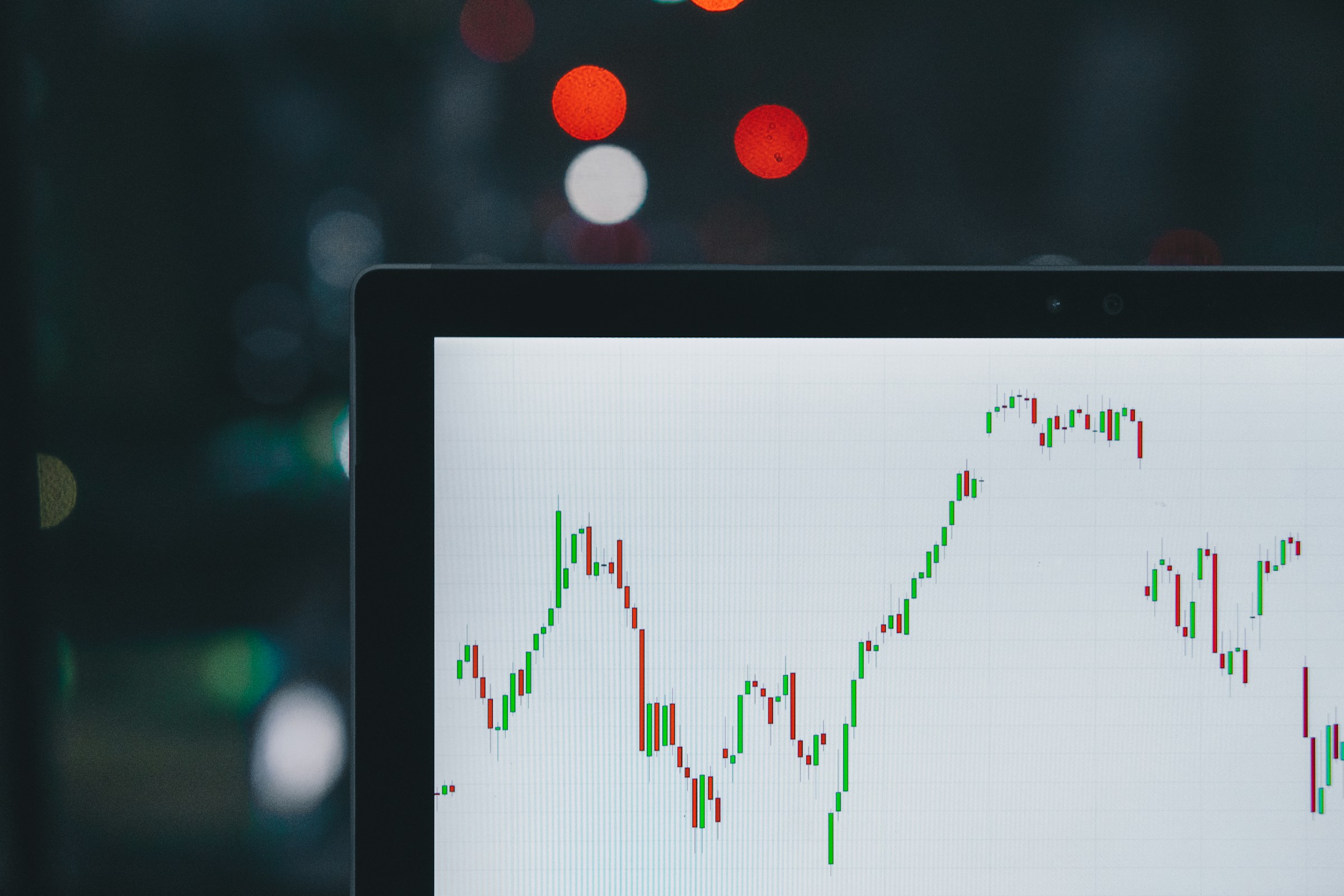
Volatile markets create opportunity, but they also expose weaknesses in a trader's decision-making process. Sharp price swings magnify every mistake, turning small errors into costly losses within minutes. The goal during high-volatility periods isn't simply to find profitable trades; it's to avoid the behaviors that consistently damage performance. Understanding these common mistakes helps futures traders stay disciplined when market conditions become unpredictable.
Over-Leveraging Positions Beyond Your Risk Rules
Traders often increase contract size dramatically when volatility expands, chasing the bigger moves they see in futures like crude oil or E-mini S&P. This approach ignores how quickly noise can trigger margin calls and force liquidations before your analysis plays out. Proper position sizing based on current ATR and account risk helps contain losses, even when the market delivers 2-4% swings in a single session.
Chasing Price Moves After They Have Already Started
The urge to jump into a futures contract once it has already exploded in one direction leads traders to enter at poor levels near exhaustion points. In volatile conditions, these late entries often result in immediate reversals that hit stops right after you commit capital. Discipline demands waiting for confirmed setups that align with your plan rather than reacting to momentum already priced in.
Ignoring or Moving Stop-Loss Orders Arbitrarily
Some traders remove or widen stops during choppy volatility to give trades more room, believing the market will eventually come back. This decision exposes accounts to far larger losses when trends accelerate against the position, especially in leveraged futures, where small point moves have a big dollar impact. Fixed, volatility-adjusted stops based on ATR protect capital and enforce the risk parameters set before entering.
Overtrading in Response to Market Noise
Volatile sessions tempt traders to take numerous low-quality setups across correlated contracts in search of action. Each additional trade compounds transaction costs, spreads, and emotional fatigue while diluting focus on high-probability opportunities. Successful futures traders limit activity to their defined criteria and sit out when conditions lack clear structure.
Letting Emotions Drive Revenge Trading
After a losing trade in turbulent markets, the drive to immediately recover losses pushes traders into impulsive entries without proper analysis. This cycle accelerates drawdowns because decisions stem from frustration rather than edge. Stepping away after a loss, reviewing the setup objectively, and returning with a clear plan breaks the emotional spiral that destroys accounts.
Failing to Adjust Strategies to Current Volatility Regime
Traders continue to use the same fixed strategies and timeframes that worked in calm markets, even as volatility widens ranges and invalidates prior assumptions. This mismatch leads to frequent stop-outs on noise and missed opportunities in the actual regime. Regular checks of VIX, ATR, and Bollinger Bands allow dynamic adjustments to stops, sizing, and holding periods.
Taking Profits Too Early or Holding Losers Too Long
Fear of giving back gains prompts premature exits from winning futures positions during volatility, while hope keeps losing trades open far beyond reason. This classic imbalance erodes edge because winners fail to offset the larger losers. Strict rules for profit targets and stop-loss adherence, based on the trading plan, enforce balanced risk-reward outcomes.
Neglecting a Written Trading Plan During Turbulence
Without a predefined plan, volatility overwhelms decision-making, leading to ad hoc choices based on real-time price action. Futures traders who deviate from documented rules for entries, exits, and risk quickly lose their edge. A clear plan reviewed before each session provides the framework needed to stay objective when markets move fast.
How AquaFutures Helps Traders Navigate Volatile Markets With Confidence

The other half is managing the psychological pressure that volatility creates. Knowing a spike is coming matters little if fear, overconfidence, or capital constraints force poor decisions when the moment arrives. Volatile markets expose every weakness in discipline, risk management, and execution. The difference between traders who survive turbulence and those who don't often comes down to structure, not just skill.
Over-Leveraging Positions Beyond Your Risk Rules
Position sizing collapses under pressure when personal capital is at stake. A trader with $10,000 might risk $500 per trade in calm conditions, but when volatility doubles, that same position can swing by $1,000 before stops are triggered. Fear of losing personal money pushes traders to cut winners early or hold losers too long, hoping for reversals that rarely come.
AquaFutures removes that pressure by providing access to accounts of up to $450K, with predefined maximum position sizes and daily loss limits that automatically enforce discipline. You trade larger accounts responsibly, following your rules on the firm's capital, not your own savings. The shift from risking personal funds to executing with funded capital transforms how you handle market volatility, preserving consistency when markets turn chaotic.
Chasing Price Moves After They Have Already Started
Explosive moves tempt traders to jump in after breakouts, only to catch reversals that hit stops within minutes. The impulse to chase stems from watching profits slip away while sitting on the sidelines, a pattern that accelerates when trading personal accounts with limited capital. Patience becomes easier when you're not desperate to recover last week's losses.
With 51,000+ traders using funded accounts, the model proves that access to capital changes behavior. You wait for high-probability setups because the firm's capital gives you room to be selective. Instant funding or a simple one-step challenge puts you in a position to deploy patient strategies without the anxiety of missing out on your own dime.
Ignoring or Moving Stop-Loss Orders Arbitrarily
Stop-loss discipline breaks down when emotional attachment to a trade overrides logic. A trader watching crude oil futures drop through their stop might widen it, hoping for a bounce, only to watch losses double. That behavior stems from the pain of realizing a loss on personal capital.
AquaFutures builds protection through end-of-day drawdown rules and clear max drawdown levels that maintain structure without hidden changes. You can't arbitrarily adjust stops when the rules are firm and transparent. This setup shifts you from emotional rule-breaking to disciplined execution, where losses stay contained and you focus purely on performance, not survival.
Overtrading in Response to Market Noise
Choppy, volatile sessions trigger overtrading, rack up commissions, and erode focus. The pressure to "make something happen" intensifies when a small personal account needs quick wins to stay viable. Quality setups disappear in the noise, replaced by impulsive entries that fail more often than they succeed.
AquaFutures counters this with unlimited trading periods and no time pressure, allowing you to wait for conviction trades on their capital. The transition from frantic activity that erodes small accounts to selective, high-conviction trades builds equity steadily on larger, more fully funded balances. When you're not racing against a dwindling account, patience becomes strategy, not frustration.
Letting Emotions Drive Revenge Trading
Revenge trading after losses spirals accounts downward faster than any single bad trade. The urge to recover personal money immediately clouds judgment, leading to oversized positions and ignored signals. AquaFutures removes personal liability for losses entirely, so you trade the firm's capital without the pressure of recovering your own money.
Combined with 24/7 support and 100% profit retention on the first $15,000, the psychological relief lets you step away, reset, and return focused. Emotional cycles transform into consistent, rule-based performance when the financial sting of losses no longer lands on your savings. But having the right capital structure only works if you know how to capture the opportunity volatility creates.
Related Reading
- Capital Allocation Strategy
- Excess Margin
- How To Calculate Implicit Interest Rate
- How To Trade Micro Futures
- Best Micro Futures Broker
- Performance Bond Requirements
- Performance Bond Vs Payment Bond
- Futures Brokers With Low Intraday Margin
- How Do Margin Calls Work
Unlock up to 50% off Your First Funded Account for Futures Trading
Volatility creates opportunity, but only if you have the capital structure to act without fear. The difference between knowing what to do and actually doing it often comes down to whether your personal savings are on the line. When they are, hesitation replaces execution. When they're not, strategy becomes repeatable.
Risk-Free Scaling with AquaFuture
AquaFutures removes that barrier through its "Your Skill, Our Risk" model. You gain access to up to $450,000 in simulated capital, clear trading rules that eliminate guesswork, and weekly payouts that reward consistency instead of punishing you for market conditions beyond your control.
Flexible funding options let you prove your skills through an evaluation or start immediately with an instant-funded account. Right now, you can unlock up to 50% off your first funded account, which means you get access to meaningful capital at a fraction of the typical cost. Instead of trading under pressure, you focus on disciplined execution during the volatile conditions this article has addressed from the start.
Securing Backing for Market Volatility
Visit AquaFutures and choose the funding path that matches your experience. If you want to demonstrate consistency first, start an evaluation challenge. If you're ready to begin immediately, select an instant-funded account. Complete the signup process, review the straightforward rules, and start trading with the confidence that comes from having structured support behind you.
The longer you wait, the longer volatility dictates your decisions instead of your strategy. Markets won't slow down. Economic reports, policy shifts, and unexpected events will continue creating sharp moves. The traders who thrive won't be the ones who avoid volatility. They'll be the ones equipped to manage it with discipline, preparation, and the right backing.
