



What Is an Intraday Margin? A Guide for New Traders in 2026
What is intraday margin? Learn how it works, why brokers offer it, key risks, margin calls, and rules new traders should know in 2026.

If you've ever felt trapped by the $25,000 pattern day trader rule or frustrated by limited day trading opportunities in your stock account, understanding intraday margin could change everything. The landscape is shifting in 2026 with new margin rules that directly impact how active traders can participate in futures markets throughout the trading day, and grasping the fundamentals of futures margin requirements puts you in control. This article breaks down what intraday margin actually means, how it differs from overnight margin, and why these changes matter for anyone who wants to trade actively without the capital restrictions that have held so many traders back.
That's where AquaFutures steps in with funded accounts designed specifically for futures trading. Instead of scraping together tens of thousands of dollars to meet arbitrary minimums, you gain access to trading capital that lets you focus on strategy and execution during market hours. These funded accounts work within the intraday margin framework, giving you the freedom to make multiple trades per day while learning to manage leverage, position sizing, and risk in real market conditions.
Summary
- Intraday margin requirements remain significantly lower than overnight thresholds because brokers limit their exposure during active trading hours, when liquidity is high, and traders can exit positions quickly. According to FINRA, the 25% minimum margin requirement enforces real-time accountability during market hours, confining risk to periods when deep order flow supports fast exits.
- Forced liquidation happens without warning the moment your account equity breaches maintenance levels, and brokers sell at whatever price the market offers during that exact moment. Research analyzing Chinese futures traders revealed that highly leveraged participants faced significantly higher probabilities of margin calls, with affected trades delivering average daily returns more than 26% lower due to forced liquidations.
- Repeated margin violations trigger account restrictions that lock you out of trading for 90 days, freezing your ability to open new positions and eliminating leverage entirely. These penalties arrive after losses have already damaged your capital and confidence, forcing you to sit idle while market opportunities pass. Brokers apply these rules mechanically because past behavior predicts future risk, and the system assumes stability matters more than second chances when protecting the clearing network from systemic failures.
- Contract volatility sits at the center of every margin calculation because sharp price moves can destroy equity before you exit a position. Crude oil and natural gas futures carry higher intraday requirements than calm index products because realized volatility, when it climbs, forces brokers to add a protective cushion, preventing gaps that could push accounts into deficit within minutes.
- Position sizing determines whether normal market movement feels manageable or triggers constant stress and automatic liquidations. A trader holding three E-mini S&P contracts on a $25,000 account faces margin pressure when a twenty-point move consumes half their available capital, while someone holding one contract on the same balance trades with calm because identical price action barely registers as risk.
Capital constraints force poor sizing decisions when an opportunity arises, even though the account balance can't support proper execution. Funded accounts for futures trading address this by providing simulated capital of up to $450,000 with 50% intraday margin reductions, allowing traders to apply sound position management at a meaningful scale without risking personal savings or incurring margin calls that drain outside funds.
What Is Intraday Margin, and How Does It Work in Futures Trading?
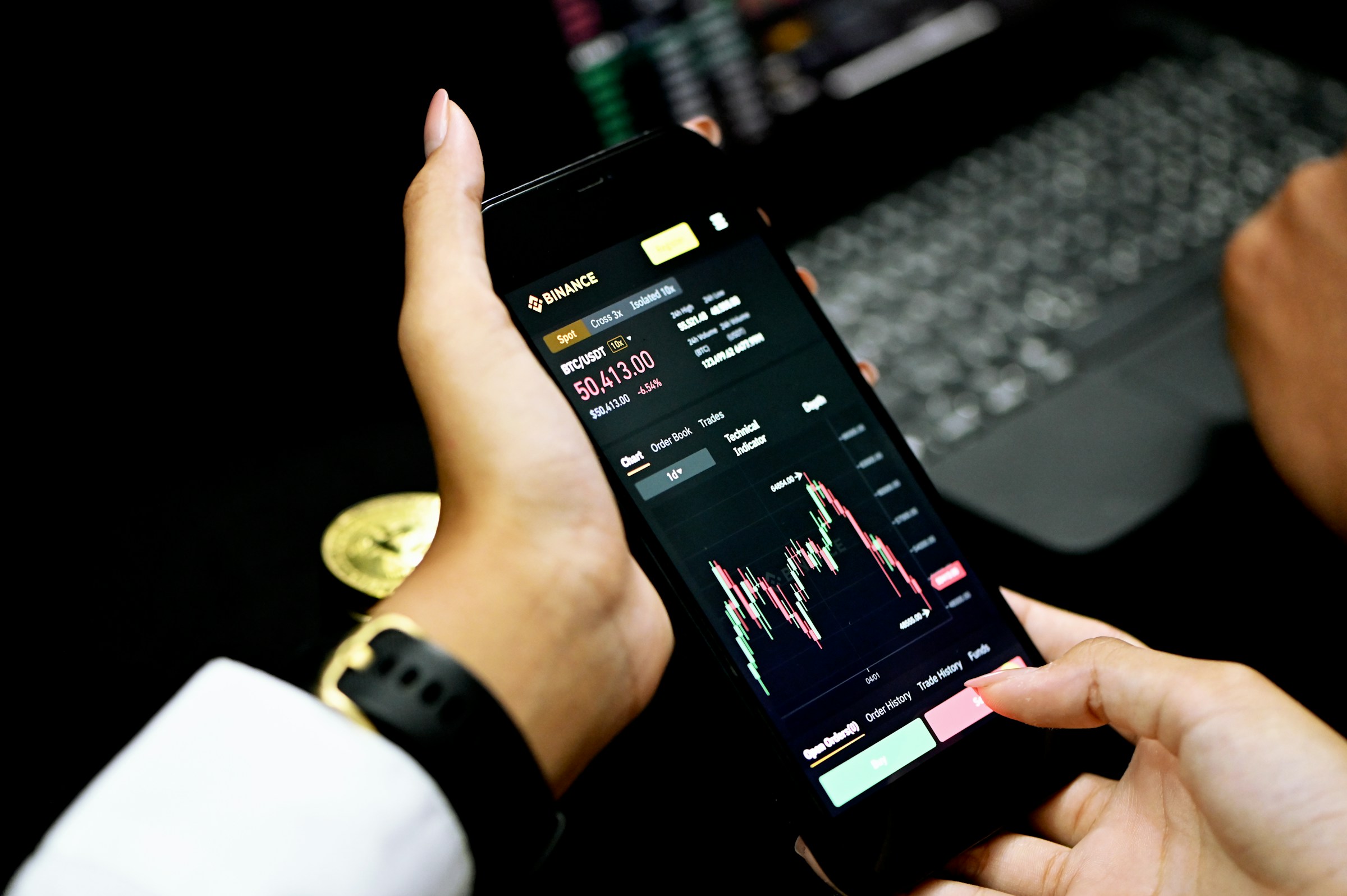
Intraday margin is the collateral your broker holds when you open a futures position you plan to close before the trading session ends. It's lower than the overnight margin because the risk stays confined to active market hours when liquidity runs high, and exits happen fast. This reduced requirement lets you control larger positions with less capital, but only if you close before the cutoff or meet the full overnight threshold.
What Intraday Margin Means in Futures Trading
Intraday margin represents the minimum account equity a broker requires per contract to hold an open futures position during regular trading hours. Brokers set this lower than overnight requirements because traders can exit positions quickly before the session closes, reducing the broker's exposure to overnight gaps or news events. This collateral ensures the trader can cover potential losses in real time without tying up full overnight capital.
How It Differs from Overnight Requirements
Overnight margin demands the full exchange-set amount to protect against after-hours volatility, price gaps, or events that occur when markets close. Traders who hold positions past the cutoff must immediately meet the higher requirement or face forced liquidation.
According to Charles Schwab, an overnight margin may require 50% or more of the initial margin, depending on the contract and broker policy. Intraday margin remains significantly lower because risk is confined to active hours, when liquidity supports fast exits.
How It Works in Practice
Traders deposit the intraday margin amount to open positions, and the broker holds it as collateral while monitoring account equity in real time. Price movements trigger immediate mark-to-market adjustments, and if equity falls near the intraday threshold, brokers issue calls or liquidate to protect the account. Positions must close before the session ends, or the account automatically switches to full overnight requirements. This structure delivers high leverage during the day, often 4x or more, while enforcing strict same-day discipline.
Trade Bigger Without Extra Capital
Most traders struggle to build the capital base needed to take full advantage of intraday margin flexibility. You might understand position sizing and risk management perfectly, but without enough equity to absorb normal intraday swings, even small pullbacks trigger margin calls that force exits before your thesis plays out.
Funded accounts for futures trading solve this by providing simulated capital that lets you trade with realistic intraday margins while keeping 100% of your first $15,000 in profits. You focus on execution and strategy, not scrambling to meet broker minimums or sitting out high-probability setups because your account can't handle the leverage.
Avoid Costly Intraday Margin Calls
Volatility can erode equity fast during the session, triggering intraday margin calls that demand immediate action. Traders who ignore these calls face automatic liquidations that lock in losses at the worst moments. Successful management requires constantly monitoring equity, using tight stops, and maintaining excess buffers beyond the minimum to absorb swings without disruption.
A trader with $10,000 in an account might control multiple E-mini S&P 500 contracts using intraday margins of around $500 per contract, freeing capital for diversified setups. But the same position held overnight requires thousands more in margin, restricting position size and forcing smaller trades or idle cash.
Why Do Brokers Require Intraday Margin?
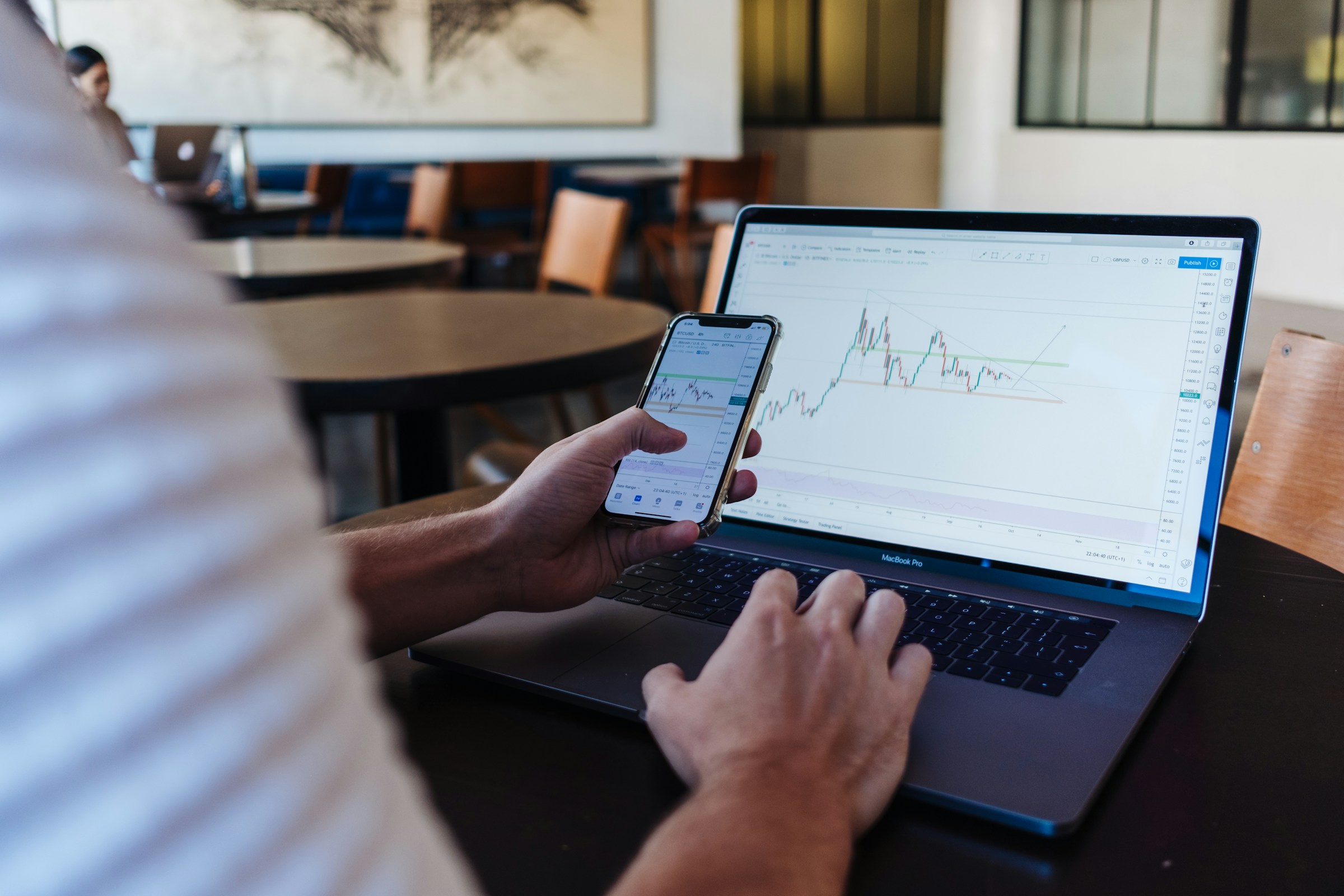
Brokers require intraday margin because they guarantee every trade to the clearinghouse, and that promise exposes them to real financial risk if your position moves against you faster than your account can absorb the loss. The margin isn't a fee or a penalty. It's collateral that ensures you can meet your obligations while the position remains open, protecting the broker from having to cover your shortfall from their own capital when volatility spikes or liquidity evaporates.
Risk Protection for Brokers and Clearinghouses
Brokers sit between you and the exchange, acting as the guarantor for every contract you trade. If your account can't cover a loss, the broker must settle with the clearinghouse anyway, often within hours.
Intraday margin creates a buffer that absorbs mark-to-market swings in real time, preventing a single bad trade from threatening the broker's stability or the integrity of the broader market infrastructure. Without this requirement, one overleveraged position could cascade into forced liquidations that distort prices and destabilize connected accounts across the system.
Limiting Exposure During High Liquidity Periods
Markets move fast during regular hours, and deep liquidity doesn't eliminate sudden price shocks from news events or large order flows. Brokers demand intraday margin because they know you can exit quickly, but they refuse to absorb uncovered losses if your exit fails or you freeze in the moment.
FINRA sets a 25% minimum margin requirement to ensure traders maintain sufficient equity throughout the session, matching the exact risk window of the trading day and preventing over-leveraged positions from endangering the firm when volatility spikes without warning.
Enforcing Real-Time Accountability
Mark-to-market happens continuously in futures. Intraday margin forces you to maintain sufficient equity at every moment, so losses get covered instantly rather than accumulating unchecked. Brokers monitor accounts in real time and issue calls or liquidations when equity dips, preventing problems from growing into defaults that ripple outward.
Research analyzing Chinese futures traders revealed that highly leveraged participants faced significantly higher probabilities of margin calls, with affected trades delivering average daily returns more than 26% lower due to forced liquidations. This structure builds discipline by tying capital directly to live performance rather than theoretical projections.
Strategic Margin Alignment and Controlled Scaling
Traders who understand these dynamics can use intraday margin strategically. When you respect the requirement and size positions to survive realistic swings, you gain access to leverage that amplifies opportunity without exposing yourself to catastrophic losses or sudden account closures.
Funded accounts for futures trading build on this principle by providing simulated capital with clear margin rules, allowing skilled traders to demonstrate their risk management in a controlled environment before scaling to larger positions. The structure protects both the trader and the funding source, creating alignment around disciplined execution rather than reckless speculation.
Preventing Systemic Issues from Individual Failures
One trader's shortfall can strain brokers who must settle with clearinghouses daily. Intraday margin prevents isolated losses from becoming firm-wide problems by requiring upfront collateral. This protects the broader ecosystem so that a single overextended position does not trigger forced sales that distort prices or trigger chain reactions across connected accounts.
The requirement ensures that your risk stays yours, and the broker's obligation to the clearinghouse remains backed by real capital, not hope. But here's what catches most traders off guard: falling below the requirement doesn't just freeze your account.
Related Reading
- Futures Margin Requirements
- What Is Span And Exposure Margin
- Isolated Vs Cross Margin
- What Is Buying Power In Trading
- Intraday Margin Futures
- What Is Margin Compression
- What Are Margin Calls
- What Is Maintenance Margin In Futures
What Happens If You Fall Below Intraday Margin Requirements?

When your account equity drops below the intraday margin threshold, your broker acts immediately to limit their exposure and protect the clearinghouse.
- Positions get liquidated without warning
- Margin calls demand urgent deposits
- Repeated violations can freeze your account for months
The system prioritizes risk containment over your recovery timeline, turning temporary equity dips into permanent losses.
Forced Liquidation Happens Without Notice
Brokers close your positions the moment equity breaches maintenance levels. They sell at whatever price the market offers at that moment, often during volatile swings when spreads widen and liquidity thins. You might watch a position reverse five minutes later, but the loss is already locked in because the broker's obligation to the clearinghouse outweighs your trading thesis. The sale protects the firm's capital, not your profit potential.
Real-Time Mark-to-Market Settlement and Liquidations
This speed exists because futures settle through continuous mark-to-market, meaning losses are deducted from your account in real time rather than at day's end. If crude oil drops $2 per barrel and your long position hemorrhages $4,000, that money vanishes from your buying power instantly.
Brokers monitor these changes second by second, and when your remaining equity falls near the threshold, they liquidate to prevent your debt from becoming their problem. The 25% minimum margin requirement enforces this discipline during trading hours, ensuring real-time accountability when price shocks hit hardest.
Margin Calls Demand Immediate Deposits
After liquidation or when equity hovers just above the danger zone, brokers issue margin calls requiring you to deposit funds within hours, not days. These demands restore your account to initial margin levels, the higher threshold that applies when you first open positions. Miss the deadline, and brokers will liquidate more positions or restrict your ability to trade entirely. The timeline stays tight because intraday volatility can erase remaining equity before the next session opens, leaving the broker exposed to losses they cannot recover from your account.
Traders often scramble to wire money or liquidate other assets, pulling capital from opportunities that might perform better. The pressure compounds when margin calls arrive during losing streaks, forcing you to inject fresh money into an account that just proved it couldn't handle the risk. Brokers enforce these rules uniformly because exceptions create systemic vulnerabilities, and one trader's unpaid obligation can ripple through the clearing network if left unchecked.
Account Restrictions Lock You Out for Months
Repeated margin violations trigger long-term penalties that halt your momentum exactly when you need to rebuild. WilmerHale Client Alert - SEC Approves Amendments to FINRA Rule 4210 confirms that the $25,000 minimum equity requirement applies across margin accounts, and falling below it after violations can freeze trading privileges for 90 days.
Punitive Leverage Freezes and Systemic Account Restrictions
During this period, you cannot open new positions, and your buying power drops to cash-only levels, eliminating leverage entirely. The restriction exists to protect brokers from traders who consistently overextend, but it punishes recovery by blocking access to the very tools you need to regain lost ground.
These freezes feel punitive because they arrive after losses have already damaged your capital and confidence. You sit idle as market opportunities pass you by, watching setups you would have taken if the account had stayed active. Brokers apply these rules mechanically, and no amount of explanation or a promise to manage risk better can reverse the penalty once it triggers. The system assumes that past behavior predicts future risk and prioritizes stability over second chances.
Risk-Free Margin Discipline via Funded Accounts
Traders using funded accounts for futures trading face similar margin discipline but without risking personal capital during the learning curve. These programs enforce the same intraday requirements to teach proper position sizing and risk management, yet violations during evaluation phases don't drain your savings or trigger margin calls you must cover with outside funds.
The structure lets you practice staying above thresholds while the program absorbs the downside, preparing you to handle real capital without the financial scars that come from repeated failures in personal margin. But staying above the intraday margin isn't just about following rules or having enough cash on hand.
Factors That Influence Intraday Margin Requirements

You watch your broker cut your position size overnight because margin requirements jumped, and nobody warned you. The trade setup looked perfect, your risk was measured, but suddenly the contract demands 30% more collateral, and your buying power evaporates. This happens because intraday margin isn't static. It shifts with forces you can track if you know where to look.
Several drivers shape how much collateral your broker demands during active trading hours. Each factor reflects a different dimension of risk that exchanges and brokers monitor in real time, adjusting requirements to protect the system while you hold open positions. Understanding these levers helps you anticipate changes and position yourself accordingly, rather than reacting after your capital gets locked up.
Contract Volatility
Volatility sits at the center of every margin calculation. Contracts that swing hard and fast, like crude oil or natural gas futures, carry higher intraday requirements because sharp price moves can destroy equity before you click the exit button. A 25% minimum margin requirement to ensure traders maintain enough buffer when volatility spikes during economic releases or geopolitical shocks.
Brokers add an additional cushion on top of this baseline when they see realized volatility climbing, protecting themselves from gaps that could push your account into a deficit within minutes. Calm index futures with predictable ranges allow lower margins because the math shows smaller potential losses during the session, freeing up capital for larger positions when conditions stay stable.
Market Liquidity
Liquidity determines how cleanly you can escape a losing trade, so brokers bake it into margin levels. Deep markets with tight bid-ask spreads and high volume allow you to close positions instantly without slippage, reducing the broker's exposure window and justifying lower collateral requirements.
Thin markets force higher margins because wide spreads and sparse order flow mean you might pay several ticks to exit, amplifying losses beyond what the price chart shows. This adjustment keeps the margin aligned with realistic exit costs rather than theoretical mid-prices that vanish under pressure.
Contract Notional Value
Larger notional values push intraday margins upward because they magnify the dollar impact of every tick. A single E-mini S&P 500 contract controls over $200,000 in underlying exposure, so even a modest percentage move translates into significant absolute losses that your account must absorb.
Brokers scale requirements in proportion to this economic reality, preventing small accounts from taking oversized bets that could wipe out equity faster than margin calls can be triggered. Micro contracts with smaller multipliers offer reduced margins, giving newer traders room to learn position sizing without the leverage risk associated with full-sized products.
Current Market Conditions
Real-time events force dynamic margin shifts that override historical averages. Federal Reserve announcements, earnings surprises, or geopolitical crises spike implied volatility and prompt brokers to raise requirements immediately, sometimes mid-session. These adjustments reflect surging risk rather than past patterns, compelling you to maintain stronger buffers or cut size to avoid violations when uncertainty expands.
Calm periods often allow temporary reductions that restore buying power, but you must track these changes daily because yesterday's margin level might not apply when markets open tomorrow.
Broker-Specific Policies
Brokers impose house requirements above exchange minimums based on your trading profile and account risk. They evaluate concentration, win rate, and drawdown history to set tailored collateral requirements that provide additional protection beyond standardized rules. Consistent adherence to these policies builds trust over time, sometimes unlocking reduced margins for proven traders who demonstrate disciplined risk management. Violations or erratic behavior trigger stricter oversight, shrinking your leverage until you prove stability again.
Most traders hit these margin shifts unprepared because they size positions assuming static requirements. Funded accounts for futures trading absorb this volatility by providing simulated capital with predefined margin rules that stay consistent during evaluation phases, letting you practice position sizing under stable conditions before real broker policies start changing on you. The structure removes the surprise factor that drains your buying power when you need it most, teaching you to track margin drivers proactively rather than react after opportunities slip away.
Related Reading
- Can You Hold Futures Overnight
- Calendar Spread Options
- Margin Maintenance Requirements
- What Is Notional Value
- Notional Value Vs Market Value
- Double Calendar Spread
- Effective Leverage Ratio
- Bond Vs Stock Performance
- Calendar Spread Margin Benefit
- Micro Vs Mini Futures
- Market Volatility Strategies
- Clearinghouse Futures
- Spread Trading Futures
How to Manage Intraday Margin More Effectively

Controlling intraday margin means watching equity in real time, sizing positions to leave breathing room above minimum thresholds, and building exit protocols that prevent forced liquidations during normal market noise.
You succeed when your account never gets close enough to trigger automatic closures, maintaining flexibility to hold positions through temporary swings while capturing profitable moves before the session ends.
Track Equity Continuously
Live margin monitoring transforms reactive scrambling into controlled decision-making. Platforms with real-time calculators show exactly how much cushion remains above requirements as each tick moves prices, letting you add protective stops or scale out of contracts before equity breaches critical levels.
This visibility prevents the nightmare scenario in which a position moves against you by $800 during a news spike and is liquidated automatically at the worst possible price, locking in losses you could have managed with thirty seconds' warning.
Size for Volatility, Not Ambition
Position sizing determines whether normal market movement feels manageable or terrifying. Calculate contracts so adverse swings of one to two percent stay comfortably above your broker's minimum, leaving margin to absorb the routine noise that happens every session without triggering alerts.
A trader holding three E-mini S&P contracts on a $25,000 account faces constant stress when a twenty-point move consumes half their available margin, while someone holding one contract on the same capital trades with calm because the same move barely registers as pressure.
Exit Before the Clock Runs Out
Intraday margin monitoring is the process of evaluating margin exposure continuously throughout the trading day, but that vigilance only matters if you close positions well before the cutoff that switches requirements to overnight levels.
Set hard exit times at least 30 minutes before the session ends, giving yourself room to handle slippage or platform delays without accidentally holding into higher-margin territory. This discipline protects capital and keeps you compliant even when a setup tempts you to hold just a little longer.
Spread Risk Across Contracts
Concentration in a single futures product amplifies margin pressure when that market turns volatile. Mix positions across instruments with different drivers (equity indices, energy, metals, grains) so adverse moves in crude oil don't cascade into your entire account when geopolitical news hits.
This diversification stabilizes overall equity and preserves trading power throughout the session, letting you manage individual positions without the whole account teetering on the direction of a single contract.
Access Capital Without Personal Risk
Most traders hit margin limits not because their strategies fail, but because personal capital runs out before skill compounds into consistent profits. Funded accounts for futures trading provide up to $450,000 in simulated capital after a simple one-step evaluation or instant access option, letting you apply sound margin management on a meaningful scale without risking personal savings.
Traders keep 100% of the first $15,000 in profits and receive payouts within 24 hours (or the firm adds $500), removing the capital constraints that force poor sizing decisions when an opportunity appears, but account size can't support proper execution. But even perfect margin control only delivers results if you're trading with capital that matches your skill level and risk tolerance.
Related Reading
- Excess Margin
- Performance Bond vs Payment Bond
- Performance Bond Requirements
- Futures Brokers With Low Intraday Margin
- Capital Allocation Strategy
- How Do Margin Calls Work
- How To Trade Micro Futures
- How To Calculate Implicit Interest Rate
- Best Micro Futures Broker
How AquaFutures Help Traders Overcome Intraday Margin Barriers

The margin wall hits hardest when your account size can't support the positions your strategy demands. You watch setups align perfectly, but your broker's intraday requirement caps you at one contract when the move justifies three. AquaFutures removes that ceiling by providing funded accounts up to $450,000, letting you trade with capital that matches your skill instead of your savings balance.
Trading Without Personal Capital Exposure
Personal accounts trap you in a cycle where every margin call threatens real money. One bad session can wipe months of progress, and the fear of liquidation forces premature exits on positions that would have recovered.
According to AquaFutures Trading Parameters, traders benefit from a 50% intraday margin reduction that expands position capacity without risking personal funds. The firm absorbs all losses within defined limits, so a volatile crude oil swing that drops your equity $3,000 in twenty minutes never touches your bank account. You focus on execution, not survival.
Scaling Position Size to Match Opportunity
Small accounts force you to trade like you're scared, even when conviction runs high. A $10,000 balance might allow two Micro E-mini contracts, but the profit potential barely covers commissions after a modest move.
Funded accounts shift the math entirely. A $100,000 account lets you hold six contracts with room for drawdown, turning a ten-point S&P move from $100 profit into $600. The margin cushion keeps you in trades through normal noise instead of getting shaken out by intraday chop that would trigger calls on undercapitalized positions.
Eliminating Forced Exits Before Session Close
Holding winners past 3:00 p.m. in personal accounts means watching your broker switch to overnight margin requirements that can double or triple collateral needs. You either close profitable positions early or risk forced liquidation if equity dips below the new threshold.
AquaFutures structures accounts for intraday focus with clear daily parameters that align with session trading. You close on your terms, not because a margin clock ran out. That consistency builds confidence across full trading days without the anxiety of arbitrary cutoffs disrupting your process.
Accessing Capital and Profits Without Delays
Waiting for deposits to clear or for withdrawal approvals to be processed creates missed opportunities and cash flow stress. AquaFutures offers instant funding that skips evaluation phases entirely, or a single-step challenge for traders who want to prove skill first. Payouts arrive within 24 hours, or the firm adds $500 under its guarantee. You keep 100% of the first $15,000 in profits, and the withdrawal process is reliable without the denial games that plague underfunded brokers.
The speed turns trading into a viable income stream instead of a capital-constrained side project. Most traders assume bigger accounts just mean bigger risk, but the opposite happens when margin barriers disappear, and discipline improves.
Unlock up to 50% off Your First Funded Account for Futures Trading
You understand intraday margin now, but that knowledge sits idle when your personal account limits you to micro contracts and leaves you with constant liquidation anxiety. The gap between knowing how margin works and actually trading with enough size to execute real strategies remains the barrier that keeps most traders stuck. AquaFutures removes that gap completely by giving you instant access to funded futures accounts up to $450,000, letting you trade on their capital with their risk rules instead of draining your savings on margin deposits that evaporate during one bad session.
Scale Trades With Funded Capital
The firm covers all intraday margin requirements internally, allowing you to deliver six contracts on a $100,000 account, whereas your personal $5,000 balance once limited you to one micro contract. You escape the terror of margin calls and forced exits because AquaFutures absorbs drawdowns within clear limits, leaving your own money untouched and your focus locked on the next setup.
An adverse move that would trigger your personal liquidation becomes a manageable loss inside the firm's capital structure. You gain consistent execution power without overnight margin switches or restrictions, and unlimited trading periods let you manage positions in line with market conditions rather than arbitrary cutoffs.
Turn Margin Knowledge Into Bigger Trades
If you do nothing, you stay stuck trading small, missing major moves, and watching opportunities pass while your account grinds sideways. AquaFutures delivers the breakthrough with a 100% profit split on the first $15,000, then 90% thereafter, 24-hour payouts protected by a reward guarantee, and no withdrawal denials.
Ready to trade with real size? Go to AquaFutures right now and choose your account size from $25,000 to $450,000. Pick instant funding to skip the challenge entirely or complete the simple one-step evaluation. You get your funded account activated quickly, access to Tradovate, no upfront credit card required, and immediate trading power once approved. Stop limiting your potential and get funded so your understanding of intraday margin finally translates into bigger, stress-free trades.
