



What Is Margin Compression? 9 Strategies to Manage It
What is margin compression? Learn why costs rise faster than revenue and find 9 strategies to protect profit margins.

Picture this: you're running a profitable futures trading operation, but suddenly your costs creep up while your revenue stays flat. Your profit margins start shrinking, squeezed between rising futures margin requirements and competitive pricing pressures. This phenomenon, known as margin compression, threatens businesses across every industry, and understanding how to combat it can mean the difference between thriving and barely surviving. This article breaks down exactly what margin compression is and delivers nine proven strategies to stop your profit margins from eroding and protect your bottom line.
When margin compression hits your trading operations, having access to well-capitalized resources becomes your competitive advantage. AquaFutures offers funded accounts for futures trading that help you maintain your market position without draining your own capital reserves during periods when margins tighten. By leveraging funded accounts, you can implement the margin protection strategies we'll cover while preserving your working capital for other growth opportunities that keep your business resilient against profit squeeze.
Table of Contents
- What Is Margin Compression, and Why Does It Happen in Futures Markets?
- How Does Margin Compression Affect Traders?
- Which Futures Markets Experience Margin Compression Most Often?
- How to Identify Margin Compression Early
- 9 Strategies to Manage Margin Compression Effectively
- How AquaFutures Helps Traders Manage Margin Compression Effectively
- Unlock up to 50% off Your First Funded Account for Futures Trading
Summary
- Margin compression hits traders when the capital required to hold futures positions increases faster than account equity can keep pace, forcing immediate fund injections or position closures. Futures settle daily through mark-to-market accounting, meaning unrealized losses instantly debit your account, and when equity falls below maintenance thresholds, brokers liquidate positions without warning to protect clearing houses from counterparty risk.
- Energy contracts like crude oil and natural gas see margin adjustments every 56 trading days on average, nearly half the 82-day cross-market average and far more frequently than the 270-day interval typical for equity index futures. Physical commodity markets compress capital more often because supply shocks, weather disruptions, and geopolitical tensions create volatility that settles into margin models faster than the episodic news cycles affecting stock indices.
- Volatility signals surface one to two quarters before they appear in aggregate profit and loss reporting, meaning traders who monitor daily price ranges against recent averages catch compression warnings while others still assume stability. When a contract moves beyond its typical range for three consecutive sessions, clearing houses begin recalibrating risk models and telegraph margin hikes amid sustained clusters of volatility.
- Keeping account equity at least 200% above maintenance requirements absorbs mark-to-market swings without triggering margin calls during volatile sessions. Professional traders view official margin levels as danger zones rather than targets, because a $4 drop in crude oil translates to an immediate $4,000 debit per contract that hits before the next trading session opens.
- Switching to micro futures contracts, where available, lowers absolute margin requirements while maintaining directional exposure, with micro contracts often requiring roughly one-tenth the margin of their standard counterparts. This precision allows traders to deploy five micro crude oil contracts at $800 each, rather than choosing between a single full contract with an $8,000 margin and zero exposure, enabling incremental adjustments as conditions shift.
Funded accounts for futures trading provide capital buffers that absorb volatility spikes without forcing immediate liquidations, shifting sudden margin increases to the firm's reserves rather than personal accounts during compression events that would otherwise force exits.
What Is Margin Compression, and Why Does It Happen in Futures Markets?

You check your trading platform and see a number that doesn't match what you expected. Your available capital has shrunk, even though you haven't opened new positions. Your flexibility evaporates, your leverage tightens, and suddenly managing what you already own becomes harder. That's margin compression. It happens when the capital required to hold your futures positions increases faster than your account equity can keep pace, forcing you to either inject more funds or close trades you wanted to keep. Margin compression squeezes traders because futures markets operate with two types of margin:
- Initial margin to open a position
- Maintenance margin to keep it open
When volatility spikes or your positions move against you, exchanges raise these requirements to protect the clearing system from default risk. The gap between what you hold and what the exchange demands narrows fast, creating immediate pressure. Even hedgers protecting physical commodity exposure feel this squeeze, because margin rules apply universally regardless of whether you're speculating or managing business risk.
Rising Volatility Drives Margin Increases
Exchanges like CME adjust margin requirements upward when price swings intensify. Higher volatility signals greater one-day risk, so margin levels climb to match, often set as a multiple of daily price moves plus a buffer. A calm market might demand 5% of a contract's notional value, but turbulent conditions push that to 8% or higher within days. This directly compromises the capital efficiency that makes futures attractive in the first place.
According to research published by AQR Capital Management analyzing CME data from 2000 to 2011, margin requirements average around 2.5 times daily volatility, with increases following volatility spikes leading to measurable drops in open interest as traders reduce exposure.
Mark-to-Market Losses Accelerate the Squeeze
Futures settle daily, so unrealized losses immediately debit your account. A string of adverse moves drops your equity below maintenance levels, triggering margin calls. Without additional capital, brokers liquidate positions, turning temporary paper losses into realized ones and further compressing your trading capacity. This mechanism ensures performance across the clearing system but amplifies pressure during trends that move against you. The speed matters here. You don't get weeks to respond. You get hours, sometimes less.
Exchange and Broker Policy Shifts
Clearing houses raise margins proactively based on contract-specific volatility and tail risk. Brokers may impose even stricter house margins on top of exchange minimums. These changes happen outside your control, often after market close, and apply uniformly.
In cross-margin setups, offsets between correlated positions, such as Treasuries and interest rate futures, can ease compression by recognizing portfolio risk reductions. But standalone positions feel the full impact. CME's 2023 report on margin methodology notes that requirement increases averaged about 20% in magnitude during periods of elevated market stress.
Funded Accounts as a Buffer Against Margin Compression
Most traders discover their leverage limits only when volatility hits. Futures offer high leverage, with initial margins as low as 3% to 12% of the notional value, magnifying both gains and losses. Small price shifts consume margin quickly when you're sized aggressively. Over-leveraged accounts face rapid compression because the same notional exposure now requires more collateral. Traditional approaches force you to either deposit more capital or reduce positions at the worst possible time.
Funded accounts for futures trading offer an alternative path by providing access to well-capitalized resources that absorb margin pressure without draining your working capital, letting you maintain positions through volatility rather than liquidating at a loss. But knowing margin compression exists doesn't tell you how it actually changes your trading decisions when it happens.
How Does Margin Compression Affect Traders?

Margin compression squeezes traders by tightening available capital against open positions through elevated requirements, daily losses, and forced adjustments, limiting flexibility and amplifying downside in futures markets. When your account equity drops below maintenance thresholds, brokers liquidate positions without warning, converting temporary drawdowns into permanent capital destruction.
This pressure compounds over time, leading to smaller position sizes, premature exits, and behavioral shifts that prevent participation in the very opportunities you entered the market to capture.
Immediate Equity Erosion From Daily Settlements
Futures mark positions to market every day, meaning adverse price moves debit your account instantly, not at some distant settlement date. A crude oil position that swings $3 against you translates to $3,000 per contract pulled from your balance before the next trading session opens. Margin compression accelerates this drain because higher requirements mean less cushion between your current equity and the maintenance threshold, so even modest moves trigger urgent capital demands.
You face a choice: wire funds immediately or watch your broker close the position at whatever price the market offers in that moment.
Forced Liquidations Destroy Position Integrity
When equity falls short, brokers close positions without consent to protect the clearinghouse from counterparty risk. Margin compression triggers these liquidations precisely when markets move against you, locking in losses at unfavorable levels and eliminating any chance for the trade to rebound.
A hedger protecting next quarter's grain delivery loses the offset exactly when volatility peaks, exposing the underlying business to full price swings while the account balance shrinks to nothing. A 10% decline in the underlying asset can result in a 50% loss on a leveraged position, illustrating how quickly compressed margins amplify downside and erase capital.
Reduced Leverage Crushes Capital Efficiency
Higher margin demands mean the same contract requires more collateral, slashing the effective leverage that makes futures powerful for both speculators and commercial hedgers. If CME raises crude oil margins from $5,000 to $8,000 per contract, your $50,000 account now controls six contracts instead of ten, shrinking profit potential on winning setups by 40%.
This compression turns high-conviction ideas into marginal bets that barely move the needle, forcing you to either accept smaller gains or inject fresh capital just to maintain your original exposure.
Breaking the Margin Call Liquidation Cycle
Most traders facing repeated margin calls exhaust their liquidity reserves trying to hold positions through volatility, only to watch those same positions get liquidated days before the market reverses in their favor. The cycle drains both capital and confidence, conditioning you to avoid high-volatility opportunities altogether or exit sound trades prematurely to prevent the next call.
Funded accounts for futures trading absorb margin pressure by providing access to well-capitalized resources that maintain positions through volatility spikes without forcing you to liquidate at unfavorable prices or drain working capital during drawdowns.
Distorted Decision-Making and Risk Aversion
Margin pressure pushes you to cut winners early to free capital or avoid calls altogether by under-sizing positions relative to your strategy's requirements. This behavioral shift prevents full participation in favorable trends and amplifies regret when markets reverse after forced exits. Over time, repeated compression episodes condition you to sit on the sidelines during high-volatility opportunities you once targeted, turning futures trading from an active strategy into a series of hesitant, undersized bets that fail to justify the effort or risk. But knowing which markets compress most often changes how you allocate capital and manage exposure before the pressure hits.
Related Reading
- Futures Margin Requirements
- What Is Intraday Margin
- What Is Span And Exposure Margin
- What Is Buying Power In Trading
- Intraday Margin Futures
- What Is Margin Compression
- What Are Margin Calls
- What Is Maintenance Margin In Futures
Which Futures Markets Experience Margin Compression Most Often?
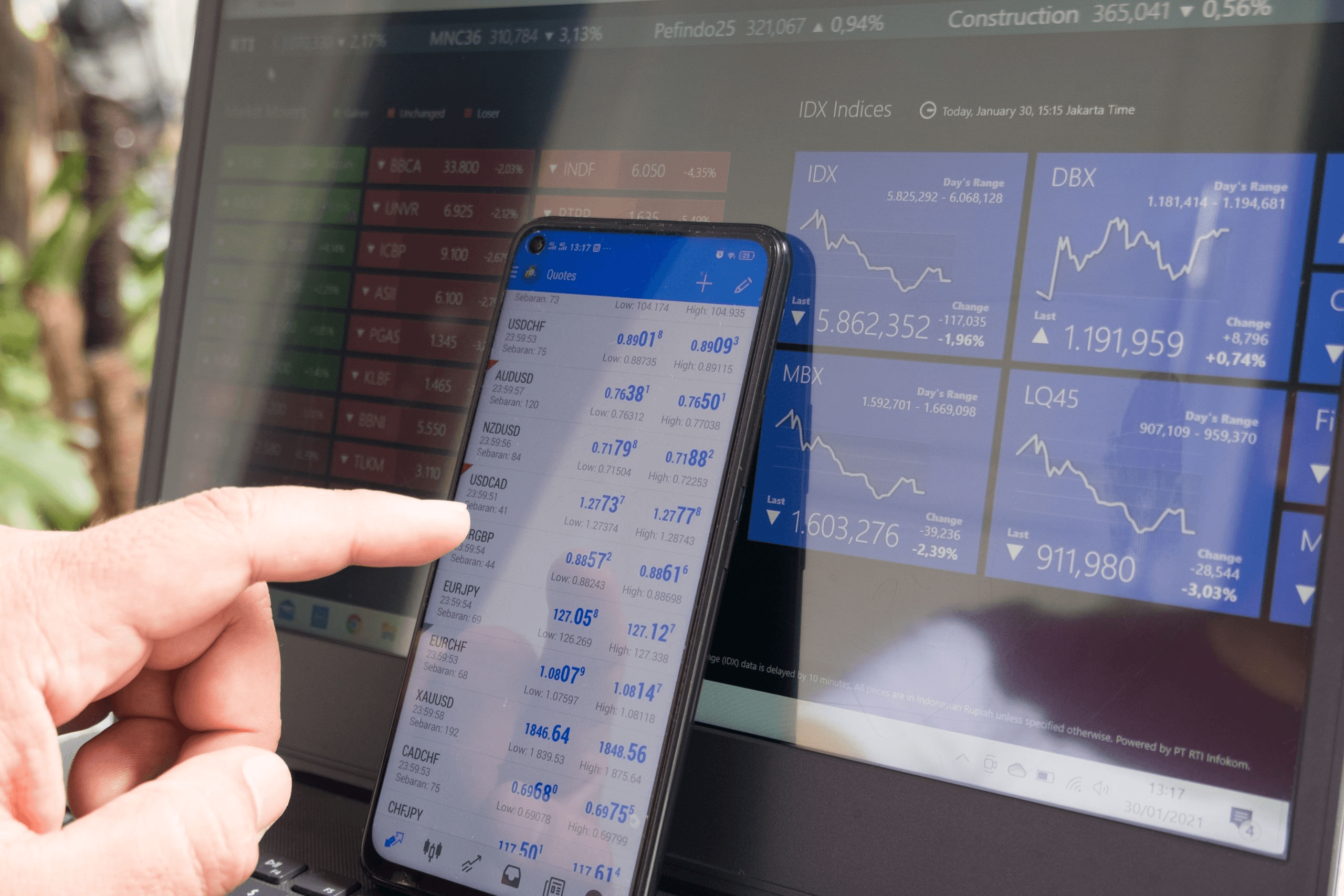
Physical commodity markets compress capital far more frequently than equity index futures. Energy contracts like crude oil and natural gas see margin adjustments every 56 trading days on average, according to AQR's analysis of CME data from 2000 to 2011. That's nearly half of the 82-day cross-market average and a fraction of the 270-day interval typical for equity index futures, as documented in Federal Reserve research on margin practices.
When weather disrupts supply chains, when geopolitical tensions spike crude prices overnight, or when inventory reports surprise traders, exchanges recalibrate requirements immediately to protect the clearing system. These physical fundamentals create volatility that settles into margin models more quickly than episodic news-driven swings in stock indices.
Energy Markets Respond to Supply Shocks
Crude oil and natural gas react to real-world disruptions that equity traders rarely face. A pipeline freeze in Texas, a refinery fire in Louisiana, or OPEC production cuts all translate into wide daily price ranges within hours. Exchanges respond by raising margin percentages to cover tail risks, and those hikes arrive in clusters.
When crude jumped from $70 to $85 in early 2022, CME raised initial margins three times in six weeks, compressing available capital for traders who sized positions assuming stable requirements. The leverage you planned with disappears exactly when price momentum offers the biggest opportunities, forcing exits or preventing new entries at the worst possible moment.
Agriculture Follows Seasonal Volatility Cycles
Grain and livestock contracts adjust margins around planting seasons, harvest reports, and weather forecasts that shift supply expectations. Agricultural futures change requirements every 75 days on average, which is tighter than most other sectors. Corn margins rise during drought scares, soybeans compress when South American crop estimates surprise markets, and wheat requirements spike when geopolitical tensions threaten exports.
These cycles recur annually, but their magnitude varies widely depending on conditions traders can't control. A hedger protecting physical grain inventory faces the same compression as a speculator, and both lose flexibility when volatility clusters around USDA reports or frost warnings.
Metals Compress During Safe-Haven Flows
Precious metals see rapid, clustered margin hikes when investors flee to gold and silver during financial stress. CME records from early 2026 show silver margins jumping from 15% to 18% and gold requirements spiking up to 33% in a single adjustment during January and February. Three increases arrived within weeks, not months. When inflation fears or banking instability drive flows into metals, the resulting price swings force exchanges to protect against overnight gaps and delivery risks.
Traders who assume metals offer stable capital requirements discover compression arrives faster and harder than in broad equity indices, where volatility tends to diffuse across hundreds of stocks rather than concentrate in a single contract.
Preserving Trade Theses Through Volatility Spikes
Most traders using personal capital face a hard choice during compression: exit positions to meet new requirements or deposit more funds and reduce exposure elsewhere. Platforms like funded accounts for futures trading shift that burden by providing simulated capital buffers that absorb margin increases without forcing immediate liquidations.
When energy or metals margins spike by 20% overnight, traders working with funded capital maintain positions through volatility rather than exiting at the worst possible moment, preserving the opportunity to participate in reversals or trend continuations that justify the original trade thesis.
Asset Class Diversification and Margin Risk
Equity index futures compress less often because risk is distributed across sectors, geographies, and market caps within a single contract. The S&P 500 absorbs shocks through diversification, whereas a single crude oil contract concentrates exposure to a single commodity with binary supply outcomes. This structural difference explains why energy, agriculture, and metals dominate margin adjustment frequency data and why traders who focus only on stock index futures miss the capital management lessons that matter most when markets turn volatile. But recognizing which markets compress most often only helps if you catch the warning signs before the exchange announces the hike.
Related Reading
- Can You Hold Futures Overnight
- Calendar Spread Options
- Margin Maintenance Requirements
- What Is Notional Value
- Notional Value Vs Market Value
- Double Calendar Spread
- Effective Leverage Ratio
- Bond Vs Stock Performance
- Calendar Spread Margin Benefit
- Micro Vs Mini Futures
- Market Volatility Strategies
- Clearinghouse Futures
- Spread Trading Futures
How to Identify Margin Compression Early

You catch margin compression early by monitoring the gap between your account equity and maintenance requirements, tracking volatility shifts in your specific contracts, and reviewing exchange announcements before they hit your positions. These three signals appear days before a margin call forces your hand, giving you time to adjust size, add capital, or exit cleanly instead of scrambling when brokers liquidate at the worst possible moment.
Track Volatility Before Exchanges Do
Watch daily price ranges in your contracts against their recent averages. When crude oil moves by $2.50 instead of $1.20 over three consecutive sessions, clearing houses start recalculating their risk models. According to eyko AI Margin Compression Analysis, these volatility signals appear 1-2 quarters before they show up in aggregate P&L reporting, meaning you spot the warning while others still assume stability.
Subscribe to CME Group notifications and check implied volatility metrics each afternoon. Exchanges telegraph margin hikes through sustained volatility clusters rather than isolated spikes, so you get advance notice if you're paying attention.
Monitor Your Equity Buffer Daily
Calculate the percentage gap between your current account value and maintenance margin requirements multiple times per day, not just at settlement. If you started with 40% excess margin and now sit at 15% after three losing sessions, compression is already underway even if no official call has arrived.
Build a personal rule: never drop below 25% excess. This internal threshold protects you from the invisible erosion caused by mark-to-market debits before brokers intervene. Real compression starts in your account metrics, not in exchange announcements.
Review Position Size Against Notional Exposure
Compare your contract quantities to current notional values and calculate effective leverage weekly. A 10-lot crude oil position at $70 per barrel carries different risk than the same 10 lots at $85, yet many traders ignore this shift. When prices climb and requirements move from fixed dollar amounts to percentages of notional, overleveraged accounts compress faster. Stress-test your positions against hypothetical 3% adverse moves. If that scenario would trigger a margin call, you're already too exposed for the next volatility spike.
Watch for Correlation Breakdowns in Cross-Margined Portfolios
If you hold offsetting positions like long corn and short soybeans, track how those correlations behave under stress. Excess margin figures in your platform show total equity above requirements across all positions, but declining excess while individual maintenance levels hold steady reveals hidden pressure.
Correlations that normally reduce combined risk can break during supply shocks, leaving you with doubled exposure right when exchanges raise requirements. Check these offsets daily, especially around USDA reports or weather events that affect one commodity more than another.
Proactive Monitoring Beats Reactive Liquidation
Most traders who face sudden margin calls ignore these signals for weeks. The compression was evident in volatility trends, shrinking equity buffers, and growing notional exposure, but they waited for the exchange to tell them rather than acting first. Funded accounts like AquaFutures shift this dynamic by providing capital buffers that absorb volatility spikes without forcing immediate liquidations, but even with an extra cushion, proactive monitoring keeps you in control rather than reactive.
You can't prevent exchanges from raising requirements, but you can see it coming and adjust before it costs you positions. But knowing when compression arrives only matters if you have practical moves ready to deploy when it does.
9 Strategies to Manage Margin Compression Effectively

Your margin strategy determines whether you control the trade or the trade controls you. When requirements climb and volatility spikes, traders with prepared systems stay in the game while others scramble for capital or watch brokers liquidate their best positions. These nine strategies turn compression from a capital crisis into a manageable part of your trading rhythm.
1. Build Substantial Equity Buffers
Keep your account equity at least 200% above maintenance requirements on every open position. This buffer absorbs mark-to-market swings without triggering margin calls or forcing you to deposit funds during volatile sessions. Professional traders view official margin levels as danger zones, not targets. When crude oil drops $4 in a session, that $4,000 debit per contract hits immediately, but adequate cushion means you ride through the move without panic deposits or premature exits that lock in losses before the market stabilizes.
Regular buffer reviews matter more than most traders admit. Calculate whether your cushion withstands a 2-3% adverse move across all positions before the session opens. If it doesn't, reduce the size or add capital that morning. Waiting until volatility arrives leaves you reactive instead of prepared.
2. Size Positions Based on Risk Limits
Determine contract quantities by your maximum acceptable loss per trade, not by how much margin you can technically access. If you risk 1-2% of total capital per position, calculate the number of contracts that keep you within that threshold even when volatility doubles overnight. This approach prevents over-leveraging, in which small price shifts rapidly consume equity and accelerate compression during turbulent stretches.
Margin availability tempts traders to load up on contracts because the broker allows it. That permission doesn't mean the position fits your risk tolerance. A $50,000 account might support ten crude oil contracts on paper, but a single $2 adverse move wipes $20,000 of equity instantly. Size for survival first, opportunity second.
3. Monitor Volatility Trends Daily
Track implied and historical volatility metrics for your contracts every afternoon through your trading platform. Rising volatility signals potential margin increases from clearing houses, giving you 24-48 hours' notice to adjust before official announcements tighten leverage. Exchanges set requirements based on sustained price ranges and tail risks, so early detection lets you reduce exposure or secure additional capital before hikes take effect.
When crude oil's 30-day volatility climbs from 18% to 28%, expect CME to review performance bonds within a week. That pattern repeats across energy, metals, and agriculture. Traders who catch the trend early trim positions at favorable prices rather than liquidating in a panic.
4. Use Smaller Contract Sizes
Switch to micro futures contracts where available, such as Micro WTI Crude or E-mini equivalents, to lower absolute margin needs while maintaining directional exposure. A micro contract often requires roughly one-tenth the margin of its standard counterpart, thereby reducing the impact of compression during volatile stretches. This tactic preserves capital efficiency without sacrificing market participation.
Micro contracts let you scale positions more precisely. Instead of choosing between one full crude oil contract at $8,000 margin or zero exposure, you can deploy five micro contracts at $800 each and adjust incrementally as conditions shift. Precision beats blunt force when volatility compresses capital.
5. Leverage Cross-Margining Benefits
Portfolio positions in correlated contracts through the same clearing house to recognize risk offsets automatically. Cross-margining lowers overall requirements by accounting for natural hedges, freeing up equity that standalone positions would tie down. A long crude oil position paired with short gasoline futures receives margin relief because the contracts move together, reducing net exposure in the clearing house's calculation.
Review portfolio correlations weekly to maximize these offsets and minimize total margin demands during broad market stress. Not all brokers enable cross-margining by default. Verify your account structure supports it, or switch to a clearing arrangement that does.
6. Implement Strict Stop-Loss Orders
Place protective stops at levels aligned with your risk parameters, not near maintenance margins. Predefined exits prevent small losses from growing into equity drains that invite compression. Stops enforce discipline and ensure that adverse moves trigger controlled reductions rather than broker-driven liquidations at unfavorable prices. When your stop hits, you choose the exit. When the broker liquidates, you get whatever price the market offers in that moment, often the worst of the session.
According to Eric Frank's LinkedIn analysis, a 5% increase that costs you 20% of volume is value destruction. The same logic applies to margin management. Accepting a small, planned loss protects your capital base and preserves the ability to re-enter when conditions improve. Avoiding stops to "give the trade room" often results in catastrophic drawdowns that compress your margin cushion beyond recovery.
7. Review Exchange Announcements Proactively
Check CME and broker margin advisories every afternoon for performance bond updates. These changes often take effect the next session after volatility clusters, giving you minimal reaction time unless you monitor daily. Subscription alerts and routine reviews enable timely position trimming or funding additions, avoiding surprise hikes that compress capital just as markets move against you.
Exchanges publish margin schedules weeks in advance for predictable events like contract rollovers, but volatility-driven hikes arrive with 24-hour notice. Traders who review announcements daily adjust before the crowd reacts, securing better exit prices and avoiding forced liquidations.
8. Diversify Across Less Correlated Markets
Spread exposure across energy, metals, equities, and agriculture rather than concentrating it in a single volatile sector. Diversification smooths portfolio volatility and reduces the likelihood of simultaneous margin pressure across all holdings. When crude oil spikes and margin requirements jump 30%, your equity index and grain positions remain stable, providing capital flexibility to manage the energy compression without liquidating everything.
Balanced allocation maintains overall leverage while individual contract hikes affect only portions of your capital. Concentration feels powerful during winning streaks but becomes a liability when sector-specific shocks trigger margin increases that consume your entire cushion at once.
9. Prepare Contingency Capital Sources
Keep liquid reserves or quick-access funding lines ready for potential calls. Prompt deposits or selective position reductions restore compliance without full liquidation. This readiness turns potential crises into manageable adjustments, preserving your long-term trading plan through repeated cycles of volatility.
Most traders underestimate how quickly compression accelerates during market stress. A $5,000 cushion evaporates in a single session when volatility doubles, and requirements climb simultaneously. Contingency capital doesn't sit idle; it buys you time and control when everyone else scrambles.
The Funded Capital Buffer as a Defensive Layer
Traditional brokerage accounts force you to supply every dollar of margin yourself, which works until volatility drains your buffer faster than you can replenish it. Funded accounts for futures trading shift this dynamic by providing capital buffers that absorb volatility spikes without forcing immediate liquidations. You trade with the firm's capital cushion, which means sudden margin increases hit their reserves first, not your personal account. That extra layer keeps you in control during compression events that would otherwise force you to exit.
These nine strategies work together, not in isolation. Build buffers, size positions conservatively, monitor volatility daily, and prepare contingency capital before compression arrives. Traders who deploy these tactics consistently navigate margin pressure without sacrificing their best positions or abandoning profitable strategies mid-cycle.
How AquaFutures Helps Traders Manage Margin Compression Effectively
You identify a high-quality futures setup, but your available capital is tied up. Your buying power feels restricted, and margin pressure is limiting what you can do. Instead of focusing on execution, you are wrestling with capital constraints. That is exactly where AquaFutures changes the equation. Rather than forcing traders to rely solely on their personal funds, AquaFutures provides access to substantial simulated trading capital, enabling them to operate with greater flexibility when margin compression creates challenges.
Instant Access to Large Capital
AquaFutures supplies funded accounts up to $450,000 through instant funding or a simple one-step challenge. Traders stop risking their own limited equity and operate with professional-level capital from day one. Before AquaFutures, a volatility spike might trigger a margin call on your $10,000 account and force liquidation. After joining, you execute the same strategy on a $100,000 funded balance with built-in buffers that absorb moves and keep positions intact.
Built-In Drawdown Limits Prevent Equity Erosion
According to AquaFutures Trading Parameters, the platform enforces a 5% daily loss limit and a 10% maximum loss limit on every account. These rules automatically protect against the rapid equity drains that fuel margin compression. The platform monitors compliance in real time, so you focus on execution instead of scrambling for funds. This structure turns potential compression events into contained sessions where you stay within safe parameters and continue trading without personal capital loss.
Position Size Caps Align Risk With Account Scale
Every AquaFutures account includes maximum contract limits tied directly to the funded balance. These caps stop over-leveraging that accelerates compression during turbulent markets. Traders scale positions responsibly within predefined ranges, such as six contracts on certain tiers, which maintains healthy margin headroom even when exchanges raise requirements. The result is consistent exposure without the capital squeeze that destroys smaller personal accounts.
Profit Split Structure Rewards Disciplined Management
AquaFutures offers a 100% profit split on the first $15,000 earned, followed by 90% on ongoing earnings, with weekly payouts and a rewards guarantee. This incentive aligns your success with sound margin practices because the firm absorbs losses while you keep the majority of gains. Traders generate real income without the fear of personal drawdowns compounding into forced exits.
With AquaFutures, you trade the firm's capital and bear zero responsibility for losses, directly countering the stress of margin calls and liquidations that can compress personal accounts. But access to capital is only part of the solution, especially when the cost of getting started can be the biggest barrier of all.
Related Reading
- Excess Margin
- Performance Bond vs Payment Bond
- Performance Bond Requirements
- Futures Brokers With Low Intraday Margin
- Capital Allocation Strategy
- How Do Margin Calls Work
- How To Trade Micro Futures
- How To Calculate Implicit Interest Rate
- Best Micro Futures Broker
Unlock up to 50% off Your First Funded Account for Futures Trading
Margin compression drains accounts when you trade with your own capital, but it loses its effect when you trade with the firm's capital instead. AquaFutures removes the barrier that stops most traders from accessing that capital. Right now, you can unlock up to 50% off your first funded account, which means you get access to professional-scale capital (up to $450,000) without the usual cost standing between you and funded trading.
This isn't a limited-time gimmick. It's recognition that skilled traders shouldn't be held back by capital constraints or upfront costs when they're ready to execute. You complete a straightforward one-step evaluation with no credit card required, choose your account size, and start trading with firm capital that absorbs losses while you keep 100% of your first $15,000 in profits and 90% after that.
Weekly payouts mean you see real income fast, and the 24-hour payout guarantee with a $500 minimum ensures you're not waiting weeks to access what you've earned. Head to AquaFutures right now and take the step that shifts margin compression from your problem to the firm's responsibility.
