



Can You Hold Futures Overnight? What Traders Should Know
Can you hold futures overnight? See margin rules, account requirements, and risks traders should check before carrying a position.
You've placed your trade, the market's moving in your direction, and then you wonder: should I close this position before the bell rings, or can I actually hold it through the night? Understanding futures margin requirements is critical at this moment, because the difference between day trading and overnight margins can mean the difference between a smooth hold and a brutal margin call at 3 AM. This article cuts through the confusion and shows you the specific rules, margin thresholds, and account balance requirements you need to master so you can hold futures positions overnight with confidence instead of anxiety.
What if you had access to funded accounts for futures trading that already account for these overnight position requirements? AquaFutures offers traders the capital and structure to hold positions beyond the closing bell without worrying about whether their personal account can handle the increased maintenance margins. Their funded accounts give you the breathing room to execute your strategy properly, keeping positions open when your analysis says hold, rather than forcing you to close winners early because you're unsure about margin calculations or worried about liquidation risk during off hours.
Table of Contents
- What is Overnight Futures Trading, and How Does It Work?
- Why Do Some Traders Hold Futures Positions Overnight?
- Are Certain Futures Contracts Better Suited for Overnight Trading?
- Key Economic Events That Influence the Futures Markets Overnight
- Best Practices for Holding Futures Contracts Overnight
- How AquaFutures Supports Responsible Overnight Futures Trading
- Unlock up to 50% off Your First Funded Account for Futures Trading
Summary
- Holding futures positions overnight requires significantly higher margin deposits than intraday trades because exchanges recognize the risk of gaps due to news events. If you buy one E-mini S&P 500 contract during regular hours, your broker might allow $500 intraday margin, but holding it past 4 p.m. ET often demands $12,000 or more in initial margin.
- Overnight returns in U.S. exchange-traded index funds and most international index futures were significantly positive from 1999 to 2014, while returns during regular trading hours were negative, according to a study by Qingfu Liu and Yiuman Tse. Traders who identify clear directional conviction hold overnight to ride that momentum, rather than flattening and re-entering at worse prices the next day, capturing the full extent of the move without missing the early European-session thrust that often drives continuation patterns.
- E-mini S&P 500 futures ranked among the highest-volume products on CME Globex during overnight sessions, according to Schwab's 2023 analysis, proving that liquidity doesn't vanish after New York closes. These contracts are linked to international benchmarks that matter in London, Hong Kong, and Sydney, so order books remain active while agricultural or single-stock futures sit idle.
- Major economic releases from Asia and Europe hit during off-hours and move prices in real time on Globex, not when New York opens. Chinese GDP, industrial production, and PMI figures drop in the late evening U.S. hours and reshape expectations for global demand, while Eurozone CPI is typically published between 5:00 and 6:00 a.m. Eastern.
- Most position blowouts happen because traders carry the same size overnight that they used intraday, ignoring the reality that margin requirements triple and volatility spikes when liquidity thins. Maintaining at least 30% excess capital above initial margin requirements transforms margin from a constraint into a strategic advantage, letting you hold through temporary adverse moves that shake out undercapitalized traders.
Funded accounts for futures trading address this by providing capital structures designed for overnight holding, removing the pressure to close winning trades prematurely simply because personal funds can't cover extended margin requirements.
What is Overnight Futures Trading, and How Does It Work?

Overnight futures trading means holding open positions in futures contracts beyond the close of regular U.S. trading hours, often into the next calendar day. You execute these trades on electronic platforms like CME Globex, which operate nearly 24 hours a day, five days a week. The mechanics are straightforward: you place an order through your broker, the exchange matches it with a counterparty, and your position remains active while most traditional markets sleep.
How Electronic Platforms Bridge Time Zones
CME Globex connects traders across continents, opening Sunday evening at 5 p.m. Central Time and running until Friday afternoon with only brief daily maintenance windows. When Tokyo wakes up, London traders are at midday, and New York is still asleep, but the same E-mini S&P 500 contract trades continuously. Orders route electronically, matching bids and offers in real time without relying on physical trading pits. This creates price discovery that responds instantly to a central bank statement in Frankfurt or an inflation report from Beijing, long before the New York Stock Exchange rings its opening bell.
Margin Requirements Shift After Hours
Holding futures overnight requires higher margin deposits than intraday trades because exchanges recognize the risk of news-driven gaps. If you buy one E-mini S&P 500 contract during regular hours, your broker might allow $500 intraday margin, but holding it past 4 p.m. ET often demands $12,000 or more in initial margin. Maintenance margin, the minimum balance required to keep the position open, also increases. Your account gets marked to market daily at settlement, meaning profits or losses adjust your buying power before the next session starts. Miss a margin call overnight, and your broker liquidates the position without warning.
Overnight Capital and Strategic Alignment
Most traders face a frustrating paradox here. Their analysis advises holding the position because the trend remains intact, yet their personal account balance forces an early exit to avoid margin calls or liquidation risk. Funded accounts for futures trading solve this by providing capital structures designed for overnight holding, removing the pressure to close winning trades prematurely simply because your own funds can't cover extended margin requirements. With up to $450K in simulated capital and a 6% profit target, traders execute strategies based on market conditions rather than account size anxiety.
Liquidity Patterns Across Global Sessions
Volume fluctuates throughout the 23-hour cycle, peaking during overlaps when multiple regions trade simultaneously. The heaviest activity in E-mini S&P 500 futures occurs from 8:30 a.m. to 3 p.m. ET, but a New York Fed staff study found significant positive returns concentrated around 2 to 3 a.m. ET, during early European hours when order imbalances from the prior U.S. session resolve.
Spreads widen slightly during quieter windows, such as late Sunday evening or early Monday morning Asia time, yet major contracts maintain sufficient depth for efficient execution. Traders who understand these rhythms position themselves during high-liquidity windows and avoid placing large market orders when participation thins.
Why Traders Choose to Stay In
Overnight positions capture moves triggered by economic releases, geopolitical developments, or central bank decisions that unfold outside U.S. market hours. A European inflation report at 4 a.m. ET can shift S&P 500 futures 30 points before Wall Street wakes up. Traders holding positions overnight participate in that move instead of watching it create a gap at the cash open.
The leverage inherent in futures amplifies these opportunities, turning a 1% index move into a 10% or 20% gain in the account when sized properly. This access matters most when your analysis identifies multi-day trends rather than intraday noise. But knowing you can hold a position and having the capital structure to do it confidently are two different problems.
Related Reading
- Futures Margin Requirements
- What Is Intraday Margin
- What Is Span And Exposure Margin
- What Is Buying Power In Trading
- Intraday Margin Futures
- What Is Margin Compression
- What Are Margin Calls
- What Is Maintenance Margin In Futures
Why Do Some Traders Hold Futures Positions Overnight?
Traders hold futures positions overnight because they expect a larger move to develop beyond the current session and want to capture the full price swing without re-entering at worse levels the next day. Closing every position before the bell means missing the continuation that happens while you sleep, and after enough missed opportunities, the cost of that caution becomes visible in your account. Holding overnight is a deliberate choice to align with multi-session trends rather than artificial daily resets.
Capturing Global News and Events
Major economic releases hit during off-hours. A surprise rate decision from the European Central Bank or an unexpected supply disruption in crude oil moves prices in real time on Globex, not when New York opens.
Traders who hold positions overnight wake up aligned with the move, rather than scrambling to chase a gap that has already formed. That early directional bias preserves profits that would otherwise evaporate in reactive daytime entries where everyone else is doing the same thing.
Hedging Equity or Portfolio Risk
Portfolio managers sell E-mini S&P 500 futures against long stock holdings when international markets signal trouble. That hedge remains effective through the night, smoothing volatility and preventing the full brunt of a gap from wiping out weeks of gains in a single unprepared session. The futures position offsets downside in cash holdings, and the trader avoids watching helplessly as Asian or European selling creates a lower open with no protection in place.
Positioning for Session Continuation
Strong trends that build during the U.S. close often continue into Asian and European hours. A 2017 study by Qingfu Liu and Yiuman Tse, analyzing data from 1999 to 2014, found that overnight returns for U.S. exchange-traded index funds and most international index futures were significantly positive, whereas returns during regular trading hours were negative. Traders who identify clear directional conviction hold overnight to ride that momentum, rather than flattening and re-entering at worse prices the next day, capturing the full extent of the move without missing the early European-session thrust.
Position Retention and Capital Scalability
Many traders who recognize these opportunities still flatten positions every afternoon because they worry about having enough capital to meet margin requirements if the market moves against them overnight. Funded accounts for futures trading provide access to larger capital allocations (up to $450K) with achievable 6% profit targets, allowing skilled traders to hold positions confidently through global sessions without risking their personal savings on a single overnight gap.
Implementing Swing and Trend Strategies
Swing traders hold futures overnight because their edge comes from multi-day price structures rather than minute-by-minute noise. A clear breakout or support test at the U.S. close gains confirmation through global price action, allowing the position to mature without artificial daily resets.
This method delivers the full trend reward while aligning capital with the actual market structure rather than arbitrary session boundaries, and it reduces the transaction costs that erode edges when you re-enter the same trade every morning. But not all contracts behave the same way after hours, and some carry risks that make overnight holding far more dangerous than others.
Are Certain Futures Contracts Better Suited for Overnight Trading?
Yes. E-mini S&P 500, crude oil, gold, and Treasury futures consistently outperform niche contracts for overnight holding because they attract continuous global participation and maintain tight spreads across time zones. Schwab's 2023 analysis confirmed that E-mini S&P 500 futures ranked among the highest-volume products on CME Globex during overnight sessions, proving that liquidity doesn't vanish after New York closes. These contracts connect to international benchmarks that matter in London, Hong Kong, and Sydney, so order books stay populated while agricultural or single-stock futures sit idle.
Global Participation Creates Structural Advantages
The critical difference isn't popularity. It's whether international institutions need to trade that contract when their markets are open. Energy futures tied to 24-hour physical delivery cycles maintain depth because refineries, airlines, and sovereign funds hedge continuously.
CME Group's 2024 volume data showed equity index products sustained strong electronic participation during extended hours, while contracts tied purely to U.S. regional cycles saw participation collapse after 4 p.m. Eastern. You're not just choosing a ticker. You'rechoosing whether your order will meet genuine counterparty interest or sit exposed in a thin book, where a single large trade can move prices artificially.
Execution Quality Deteriorates in Mismatched Contracts
Traders holding overnight positions in contracts without global benchmarks face slippage that erodes edge faster than directional moves can recover it. A 2023 MDPI study on night trading sessions found that energy and metals futures sustained better depth and tighter bid-ask spreads compared to domestically focused contracts during extended hours.
When you place a stop order in a thinly traded contract at 2 a.m., you're hoping someone on the other side values fair execution over exploiting your urgency. That hope costs money. Contracts with continuous institutional flow reduce that gamble because market makers stay active, knowing they can offset risk immediately rather than warehouse it until New York reopens.
Volatility Resilience and Reward Structure
Most traders holding overnight positions in underfunded accounts face margin calls that force them to exit at the worst possible moment, turning sound directional calls into realized losses. Funded accounts for futures trading address this by providing up to $450K in simulated capital with achievable 6% profit targets, allowing traders to hold positions through overnight volatility without personal capital constraints triggering forced liquidation. The 100% profit split on initial earnings and 24-hour payout guarantee mean skilled traders capture full trend rewards without the artificial session resets that erode edge in smaller accounts.
Asset Characteristics Dictate Overnight Viability
The structure of the underlying market determines whether a futures contract can sustain overnight liquidity. Treasury futures remain active because global fixed-income desks hedge interest rate exposure around the clock, responding to central bank signals from any time zone. Agricultural contracts lack this dynamic because most physical grain trading happens during U.S. business hours, leaving overnight sessions with speculative retail flow that creates erratic price action. You can't force liquidity into a contract that international institutions don't need to trade. Choosing E-mini S&P 500 or crude oil over lean hogs or lumber for overnight holding isn't a preference. It's recognizing which markets have structural reasons to stay liquid when you need to adjust or exit.
Key Economic Events That Influence the Futures Markets Overnight
Overseas central bank decisions arrive when most U.S. traders are asleep, but the market never stops reacting. When the European Central Bank shifts rates at 7:45 a.m. Frankfurt time or the Bank of Japan surprises with policy changes during Tokyo hours, E-mini S&P 500 futures reprice immediately on Globex. You're not waiting for a 9:30 a.m. Eastern open to see the impact. The move already happened, and if you're holding overnight, you're either positioned for it or absorbing the gap.
Central Bank Decisions from Overseas
Central bank announcements from the European Central Bank, Bank of Japan, or Bank of England frequently hit during overnight hours and reshape expectations for global growth and interest rates. A surprise rate cut or hawkish statement shifts yields and currency values, which flow directly into equity index futures and commodity pricing. Traders monitor these decisions because they set the tone for risk sentiment across borders, influencing everything from stock futures to precious metals without waiting for U.S. policymakers to weigh in.
Asian Economic Data Releases
Reports on Chinese GDP, industrial production, or retail sales often emerge in the evening or late-night U.S. time and move industrial metals, energy futures, and broad equity indices. Stronger-than-expected figures from Asia signal robust demand, lifting oil and copper contracts, while weaker numbers trigger risk-off flows into safe-haven assets. These releases matter because Asia accounts for a massive share of global growth, and futures reflect that influence immediately through electronic trading.
European Inflation and PMI Figures
Eurozone CPI, PPI, or flash PMI data typically arrive in the early morning hours in U.S. time and drive currency futures and European-linked equity products. Higher inflation readings strengthen the euro and pressure rate-sensitive assets, while soft PMI numbers weigh on sentiment and push capital toward defensive sectors. This data influences overnight futures because European markets serve as a bridge between Asian closes and U.S. opens, transmitting policy and growth signals across time zones.
Geopolitical and Supply Disruptions
Sudden developments, such as tensions in oil-producing regions or trade policy updates from major economies, drive sharp moves in energy and agricultural futures during overnight sessions. These events disrupt supply chains or risk appetite, leading to rapid repricing in crude oil and grain contracts as traders digest implications in real time. Futures markets continuously absorb this information, providing an outlet for hedging and speculation when traditional equity venues remain dark.
Global Commodity Inventory Reports
EIA petroleum status reports or USDA agricultural updates released in overnight windows directly impact energy and grain futures through shifts in perceived supply and demand. A larger-than-expected crude build weighs on oil prices, while tight inventory data supports bullish positioning. These reports matter overnight because physical commodity flows operate around the clock, and futures serve as the primary venue for immediate market adjustment ahead of U.S. daytime participation.
Key economic events shape overnight futures direction through the continuous flow of global information. Traders who track these catalysts gain an edge in positioning and risk management. Knowing which events move prices overnight only helps if you understand how to structure positions that survive them.
Related Reading
- Calendar Spread Options
- Margin Maintenance Requirements
- What Is Notional Value
- Notional Value Vs Market Value
- Double Calendar Spread
- Effective Leverage Ratio
- Bond Vs Stock Performance
- Calendar Spread Margin Benefit
- Micro Vs Mini Futures
- Market Volatility Strategies
- Clearinghouse Futures
- Spread Trading Futures
Best Practices for Holding Futures Contracts Overnight
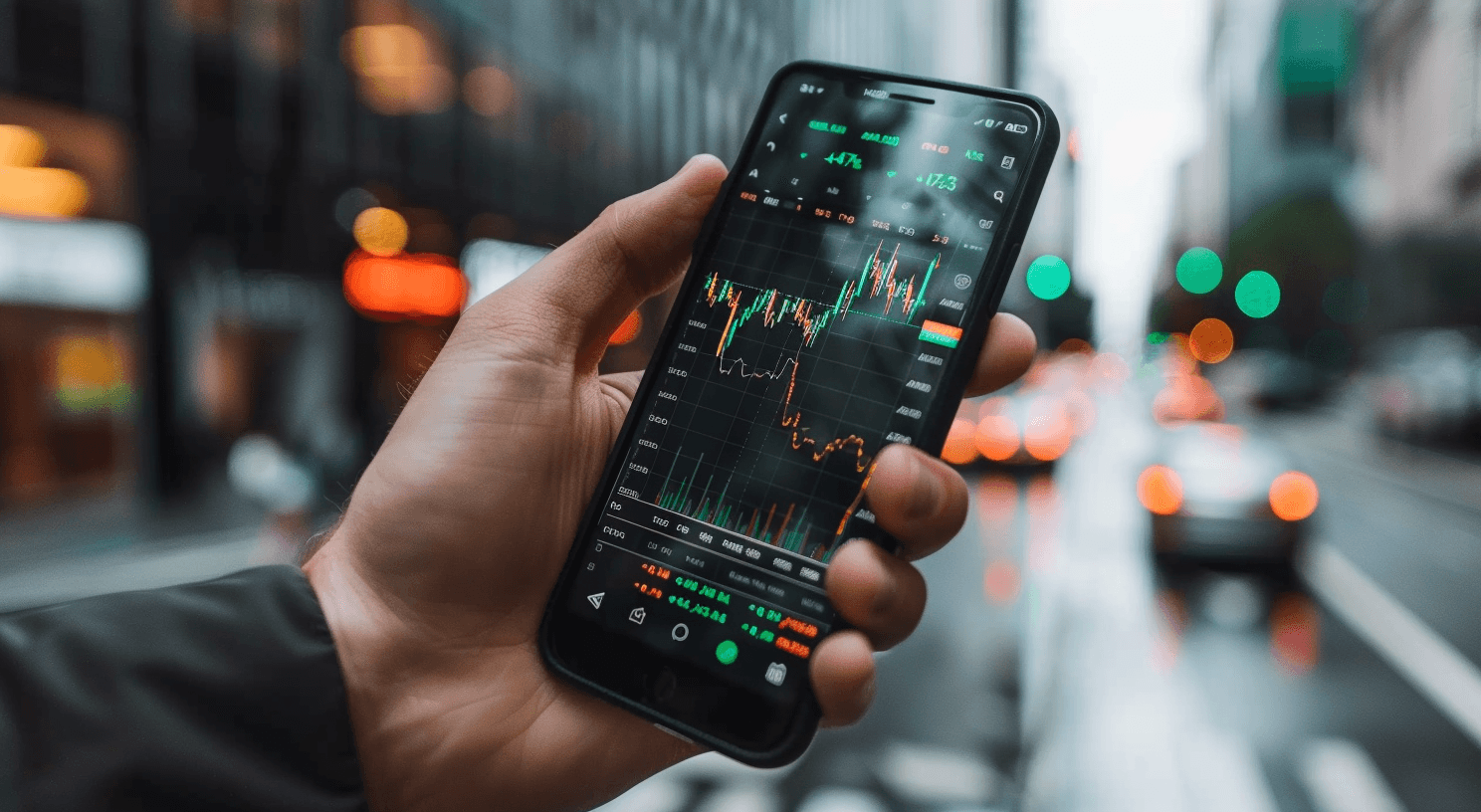
Surviving overnight positions depends on decisions you make before the close, not reactions you attempt in the middle of a global session. You need a framework that removes guesswork and replaces it with repeatable steps that protect capital while capturing legitimate edges. The traders who succeed overnight treat preparation as seriously as the trade itself.
Size Down to Breathe
Most position blowouts happen because traders carry the same size overnight that they used intraday, ignoring the reality that margin requirements triple and volatility spikes when liquidity thins. Cut your contract count by at least 50% before the regular session ends. This adjustment gives your account room to absorb adverse moves without triggering margin calls that force exits at the worst possible moment. A smaller position that survives a 2% gap against you beats a full-size position that gets liquidated at a loss before you can react.
Build Space Into Your Stops
Tight stops work during liquid hours when price moves in predictable increments. Overnight, they become traps. Set protective stops at least 1.5 to 2 times wider than your intraday levels to account for normal volatility swings driven by thin order books and international headlines. Use limit orders for exits instead of market orders to avoid slippage during low-volume windows. This approach prevents being stopped out by noise while still protecting against genuine breakdowns that signal your thesis has failed.
Track the Calendar Like a Threat Map
Central bank announcements, GDP releases, and PMI data don't respect U.S. trading hours. Review economic calendars every afternoon and note which events hit during Asian or European sessions. If a high-impact release aligns with your position direction, you've got an edge.
If it contradicts your thesis, reduce the size further or exit before the close. The critical difference is knowing which overnight events move your specific contract, not just watching headlines. A Chinese manufacturing report matters more to copper futures than to Treasury bonds.
Keep Margin Buffers Deep
Brokers calculate overnight margin at the close, and if your account balance falls below the required threshold, they liquidate positions without warning. Maintain at least 30% excess capital above initial margin requirements to absorb mark-to-market swings. Check your account before 4 p.m. Eastern and adjust positions if you're close to the line. This buffer transforms margin from a constraint into a strategic advantage, letting you hold through temporary adverse moves that shake out undercapitalized traders.
Capitalizing on Funded Accounts for Overnight Scaling
Most traders struggle to apply these practices consistently because personal capital limitations force them into undersized positions or prevent them from maintaining proper margin buffers during volatile periods. Skilled traders working with funded accounts for futures trading access capital allocations of up to $450K with achievable 6% profit targets, allowing them to size positions correctly for overnight holds without risking personal account blowouts.
These programs provide the breathing room needed to implement disciplined overnight strategies while offering 100% profit splits on initial earnings and 24-hour payout guarantees, turning proper risk management from a theoretical ideal into a practical reality. But having the right practices and capital only matters if you partner with a firm that actually supports the way professionals trade overnight.
How AquaFutures Supports Responsible Overnight Futures Trading

The difference between a sustainable overnight trading strategy and a blown account often comes down to infrastructure, not insight. You need capital that absorbs volatility without personal exposure, rules that prevent emotional overrides during thin-liquidity hours, and support that responds when Asian markets open and questions arise. AquaFutures builds this foundation by pairing substantial funding with frameworks designed specifically for extended-session discipline.
Capital That Matches Overnight Risk Parameters
Holding positions through global sessions requires account buffers large enough to survive mark-to-market swings and gap openings without triggering margin calls. AquaFutures funds accounts up to $450,000, letting you size overnight positions according to proper risk ratios rather than personal account constraints. A trader with $10,000 in personal capital might risk $300 per contract to stay within 3% daily loss limits, forcing position exits before trends fully develop.
With $250,000 in funded capital under the same 3% rule, that same trader risks $7,500 across multiple contracts, holds through normal overnight volatility, and captures full moves without premature stops. The firm assumes downside risk while you keep 100% of the first $15,000 in profits and 90% of the remainder, turning overnight exposure from a personal financial threat into a strategic tool.
Rule Structures Built for Extended Hours
Volatility spikes during thin Asian or European sessions often trigger panic exits that wouldn't happen during liquid U.S. hours. AquaFutures addresses this with clear daily loss limits and end-of-day drawdown rules calibrated to futures contract behavior rather than arbitrary percentages. These boundaries prevent impulsive position adds during overnight gaps while allowing room for normal price action.
A trader facing a 1.5% adverse move at 3 a.m. Tokyo time knows exactly how much buffer remains before hitting the daily limit, making the decision to hold or exit mechanical rather than emotional. No time restrictions mean you can let positions run across multiple sessions without forced exits, and the 6% profit target remains achievable even with conservative overnight sizing.
Support That Operates Across Time Zones
Questions about margin adjustments, contract rollovers, or event-driven volatility don't wait for U.S. business hours. AquaFutures provides 24/7 access through chat, email, and Discord, ensuring you get answers when London opens or before Tokyo closes. When a trader holding crude oil futures overnight sees unexpected inventory data from China at 2 a.m. Eastern, immediate guidance on position adjustment or rule interpretation prevents violations born from confusion rather than poor trading.
This round-the-clock availability transforms overnight trading from isolated decision-making into supported execution. Most prop firms treat overnight positions as edge cases. The ones that succeed long-term treat them as standard operating procedure, and that requires a firm built to support the way professionals actually trade across global sessions.
Related Reading
- Excess Margin
- Performance Bond vs Payment Bond
- Performance Bond Requirements
- Futures Brokers With Low Intraday Margin
- Capital Allocation Strategy
- How Do Margin Calls Work
- How To Trade Micro Futures
- How To Calculate Implicit Interest Rate
- Best Micro Futures Broker
Unlock up to 50% off Your First Funded Account for Futures Trading
The real challenge isn't whether you can hold futures positions overnight. It's about whether you have enough capital to do it properly, manage risk without cutting positions prematurely, and operate in an environment that supports your strategy rather than limiting it. Most traders identify strong overnight opportunities but lack the account size to take advantage of them, or are forced to close positions before the move plays out due to restrictive rules.
That's where AquaFutures comes in. AquaFutures provides access to up to $450,000 in simulated funding, allowing you to trade larger account sizes without risking personal savings. If your strategy involves holding futures positions overnight, AquaFutures gives you the flexibility to execute that strategy within a structured risk management framework designed to encourage disciplined trading. You keep 100% of your first $15,000 in profits and receive a 90% profit split after that, with no time restrictions and no activation fees.
The Cost of Hesitation vs. Instant Funding
The alternative is staying where you are. You continue to pass on overnight opportunities due to limited capital. You continue trading at a level below your skill level. You continue building slowly while larger opportunities pass you by. Or worse, you risk your own savings trying to capture overnight market moves, only to discover that one mistake wipes out months of progress.
Go to AquaFutures and choose your account size from $25K to $450K. Select Instant Funding to skip the challenge entirely and start trading futures overnight with the firm's capital today. No credit card is required to explore your options, and there are no experience barriers, just proven rules and real capital waiting for disciplined traders.
